
Knowledge · Category
Safety at the water
When fishing, safety at the water is part of your kit just like rod and reel: a secure footing, the right life jacket in the boat, an eye on the weather and a look upwards for power lines, caution on ice, protection from sun and ticks, and knowing what to do after a hook injury. This section brings together the advice of recognised bodies.
On and by the water
-
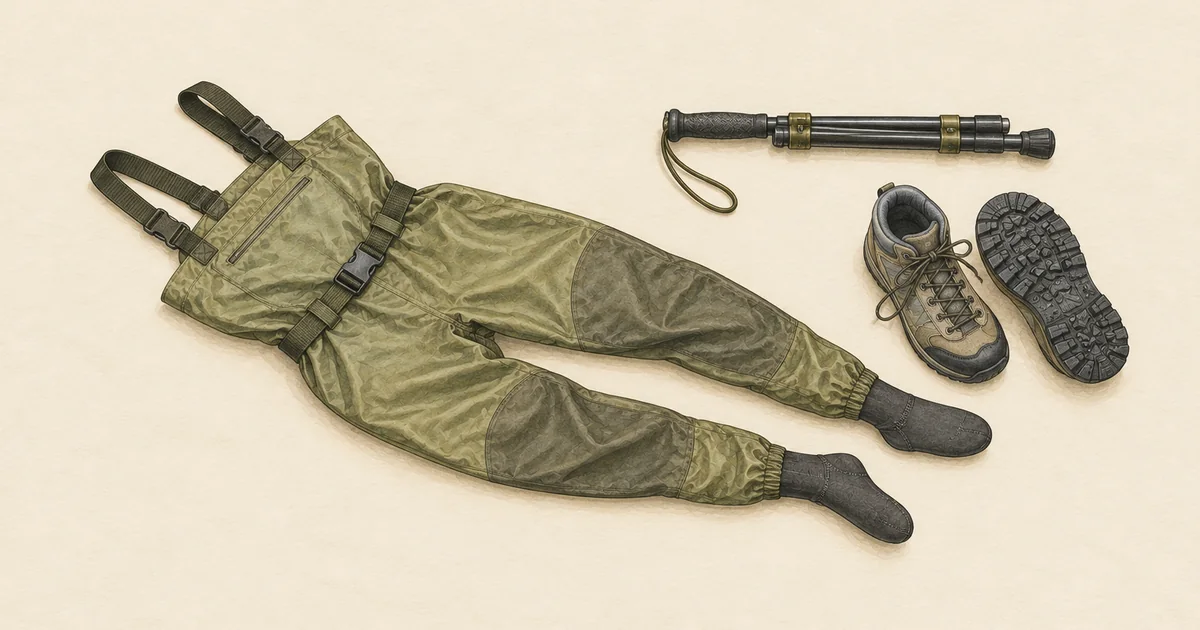
Bank and waders
Undercut banks, current and waders: what the DLRG advises and how to behave after a fall.
according to the DLRG
-
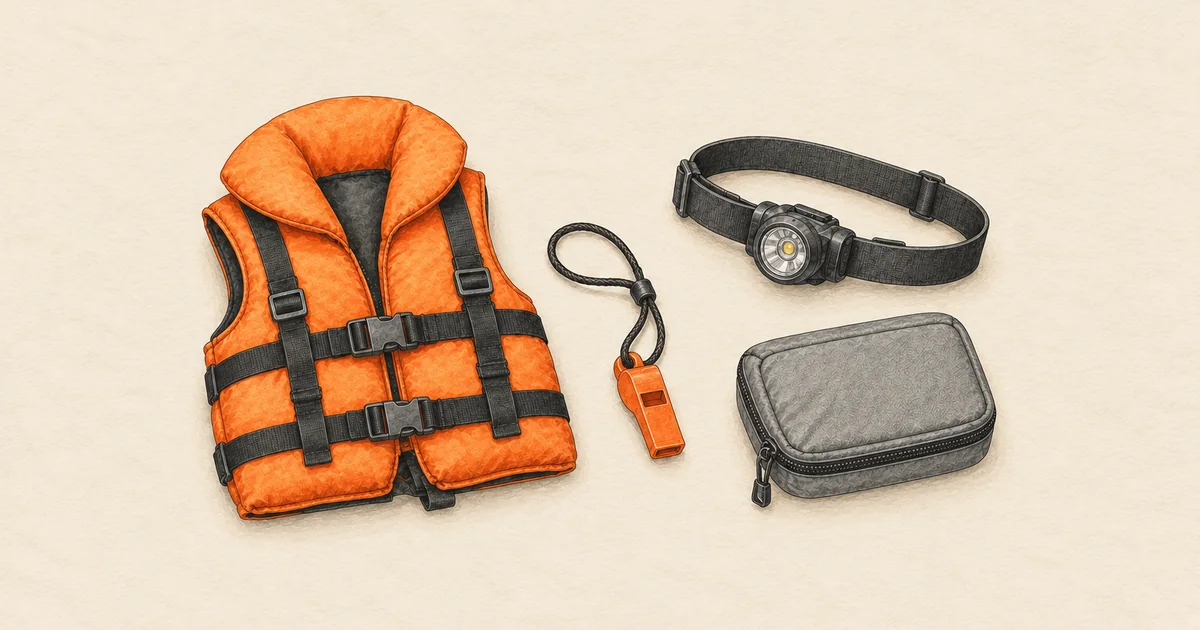
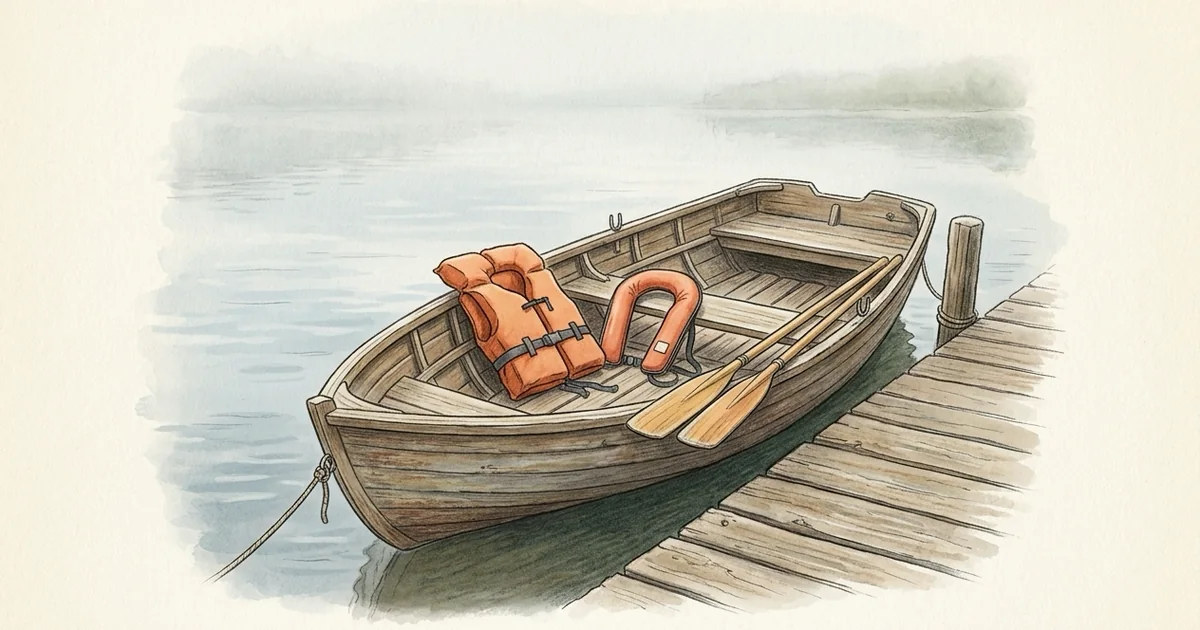
Boat and life jacket
Which life jacket suits a boat, what the newton figures mean and what you check before casting off.
according to the DGUV, ministry
-
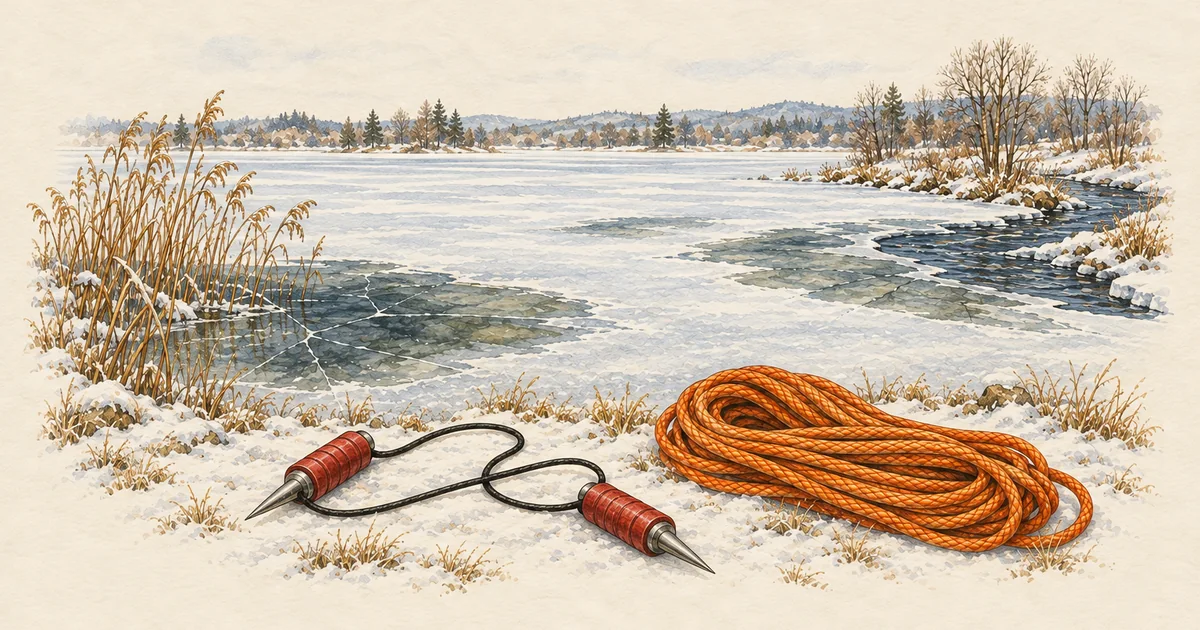
Walking on ice
Guide values for ice thickness, weak points in the ice cover and the right behaviour if it gives way.
according to the DLRG, Wasserwacht
Weather and surroundings
-
Thunderstorms and weather
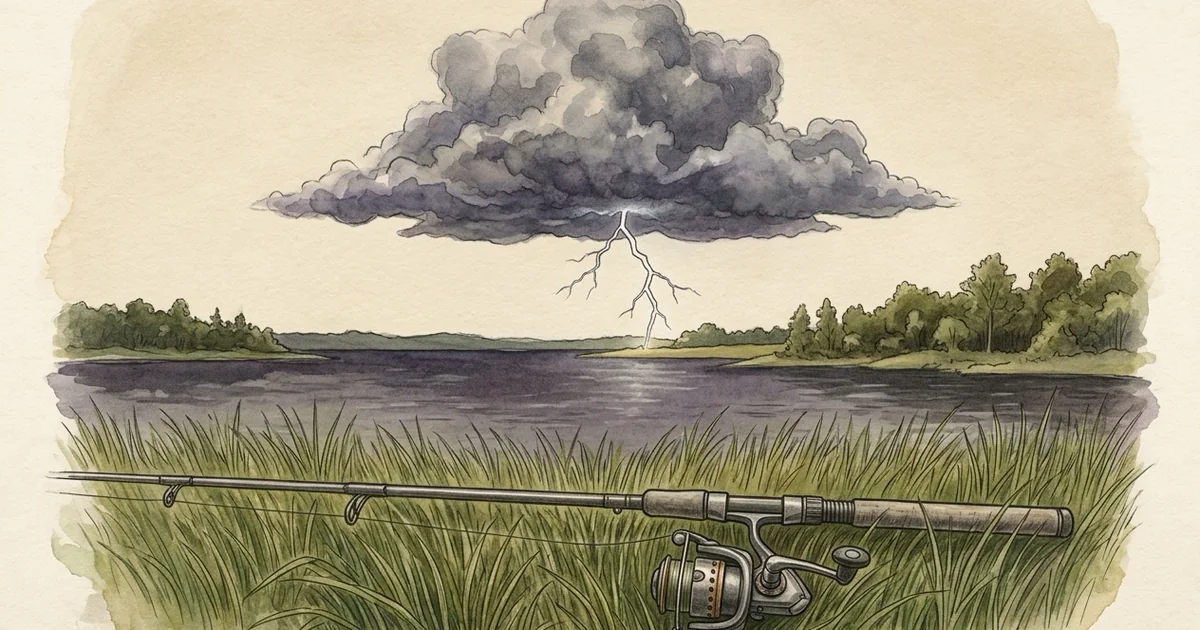
Counting lightning and thunder, leaving the water, finding shelter and reading the DWD warning levels.
according to the DWD, VDE
-
Sun, heat and ticks
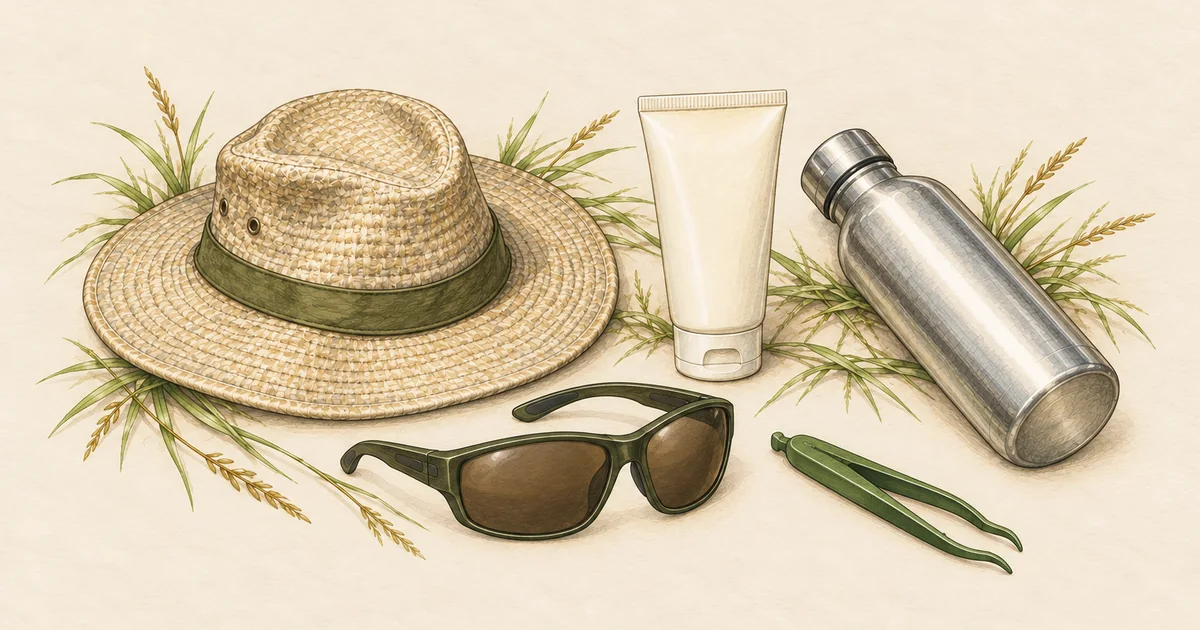
UV index, heat protection and ticks: what the federal authorities recommend for long days at the water.
according to the BfS, RKI
-
Power lines and fishing rods
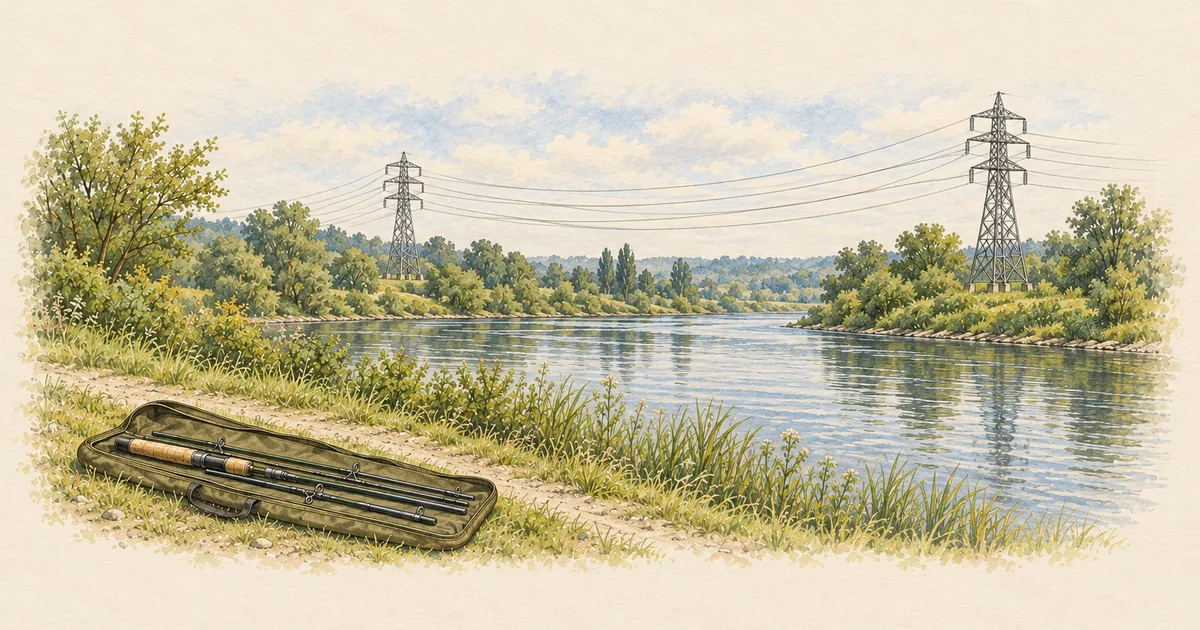
Why carbon-fibre rods under overhead lines are life-threatening and what distances the specialist bodies give.
according to the DGUV
When something happens
-
Hook injuries and first aid
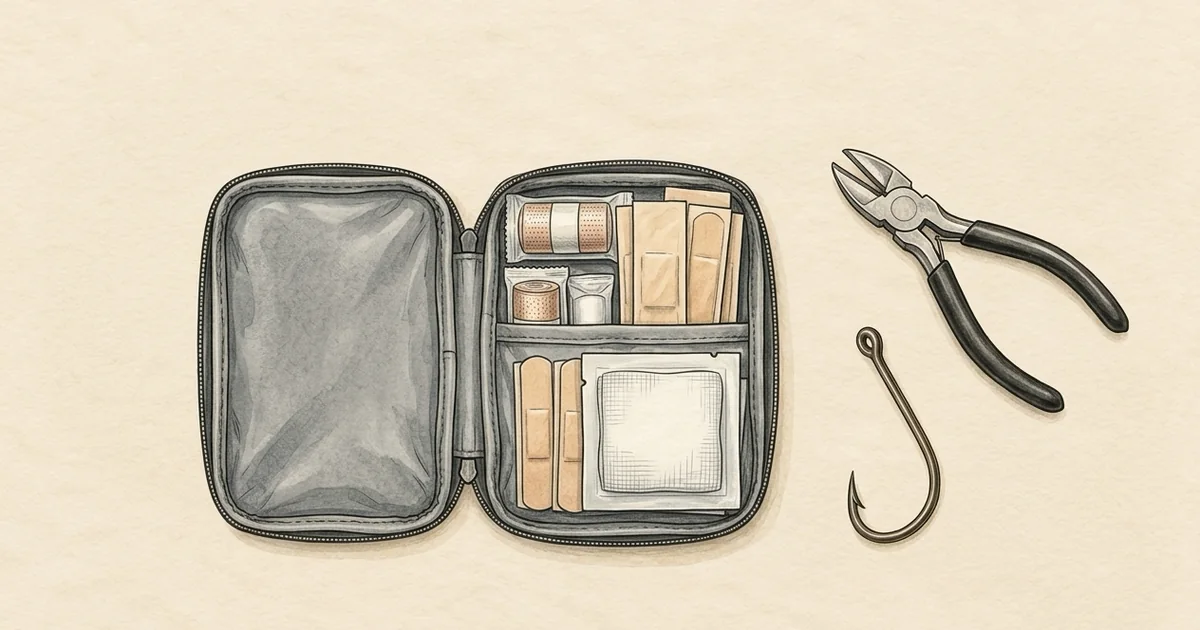
Hook in the skin: do not move it, pad around it, see a doctor, 112 and tetanus protection.
according to the DRK, DGUV, RKI
Images: AI-generated
Why this section
Angling takes place in locations that bring their own risks: wet banks, current, open water, sudden weather changes and sharp hooks. This section summarises what aid organisations, the weather service and specialist bodies say about them, in the order in which the situations arise at the water.
These pages replace neither a first-aid course nor medical advice. Where health is concerned, they mainly tell you when to get help, not how to treat yourself.
Related sections
How to land fish gently and unhook them is covered under Landing and unhooking fish. The section Law & permits explains which rules apply at the water, and you will find notes on water types under Types of water.
Principles for all pages
- Statements come from the DLRG, the German Weather Service, aid organisations and specialist sites, and are marked as such in the text.
- Where the sources give no figures, we give none either.
- In the case of injuries and uncertainty: a doctor or the emergency number, not experiments on yourself.
Sources
- DLRG: Gefahren in fließenden Gewässern (Strömung, Wehre, Buhnen)
- Deutscher Wetterdienst: Die Entfernung von Gewittern (Blitz-Donner-Abstand, Gefahrenbereich)
- DRK: Wundversorgung (Fremdkörper in Wunden)
All details are guide values without guarantee and are no substitute for medical advice. In an emergency, call 112.