
Knowledge · Category
Fishing methods
An angling method is more than a rod: only the interplay of rod, rig, bait and presentation makes a method. Here you will get to know the common ways of offering a bait and see what they are suited to.
The same reel and a similar rod can belong to completely different methods. What makes the method is the way the bait is offered in the water: actively worked or lying still, on the bottom or at a certain depth, with or without feed.
In fresh water
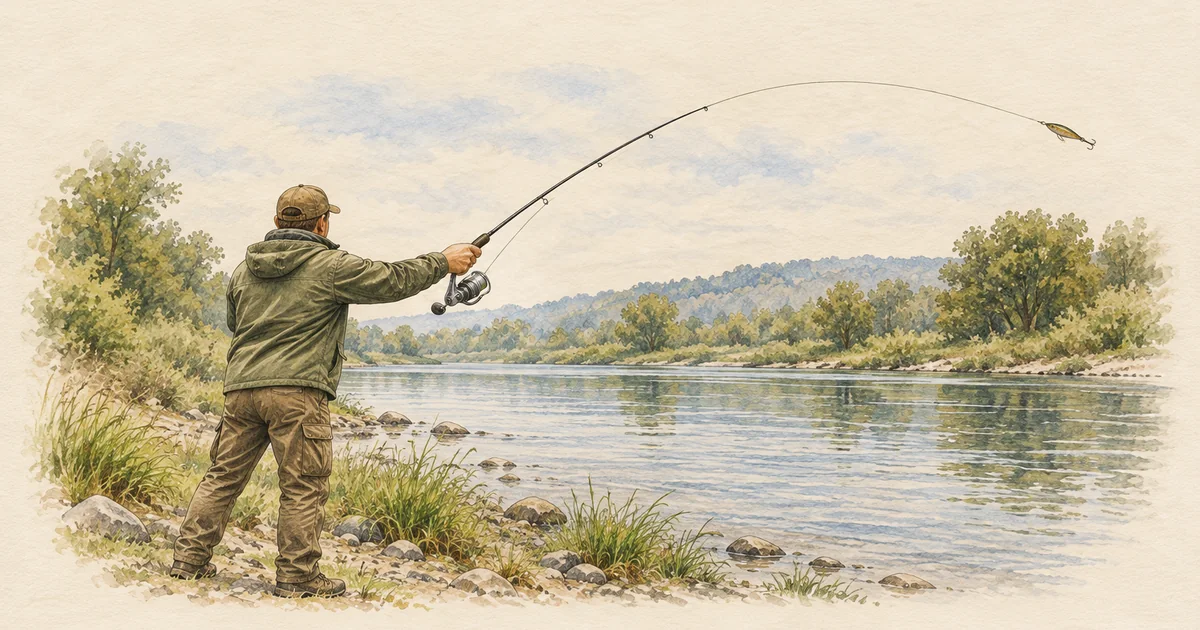
Spinning
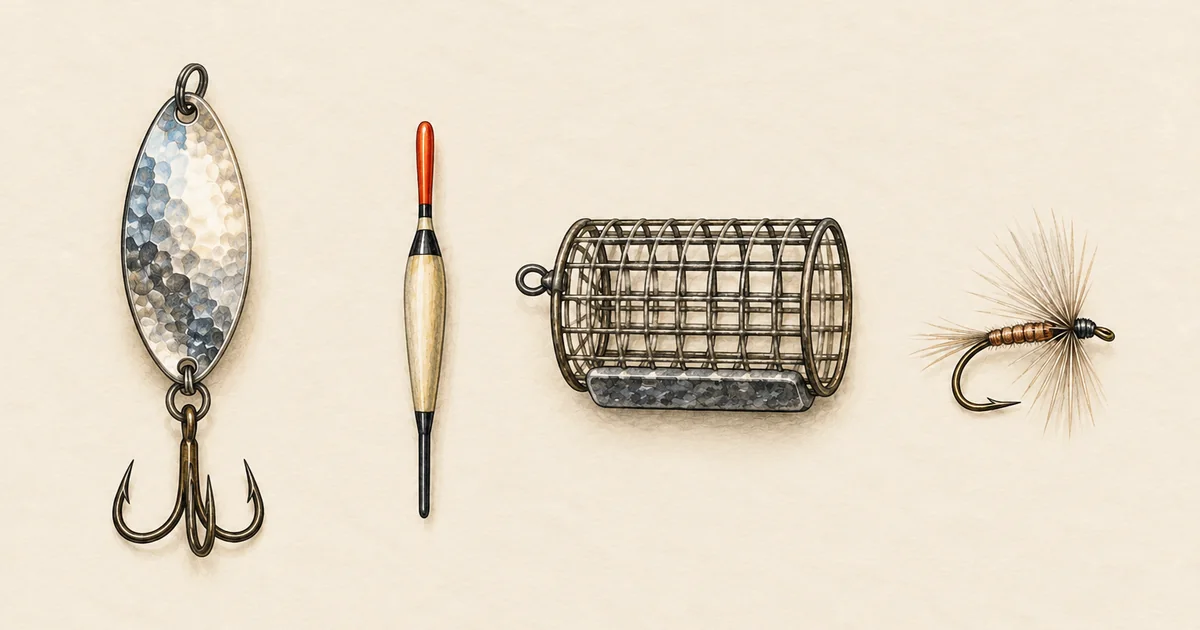
You actively search for predatory fish with artificial lures and work the lure yourself.
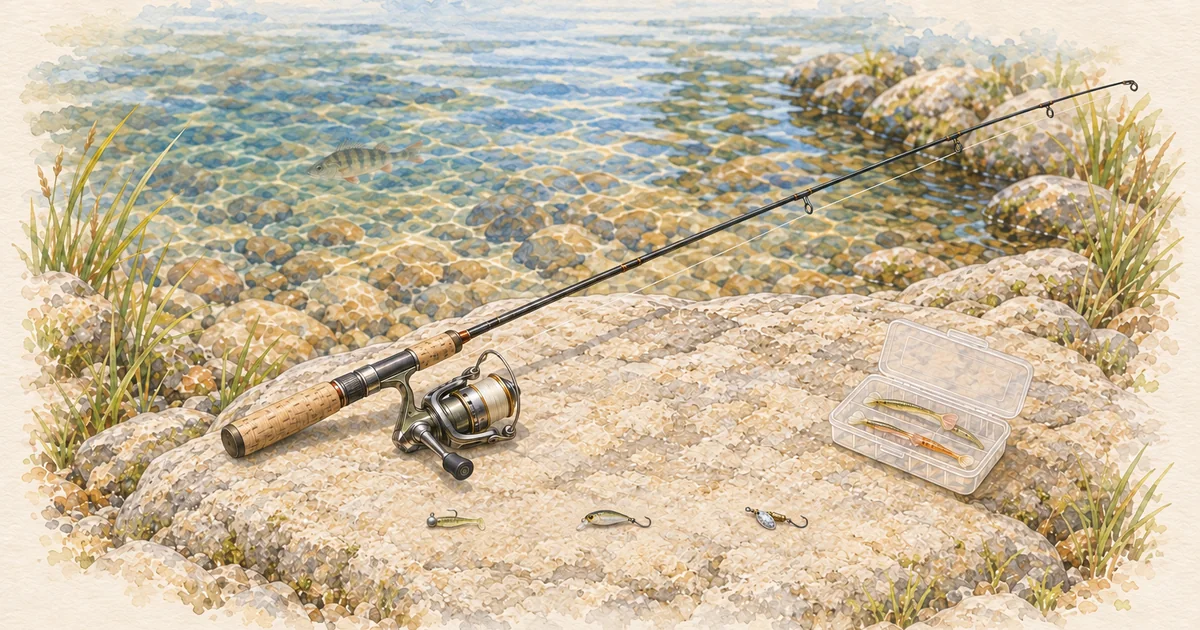
Ultra-light fishing
Micro jigs, mini crankbaits and spoons on the finest tackle for perch, trout and chub.
Bottom fishing
The bait lies on the bottom of the water, and the rod tip usually shows the bite.
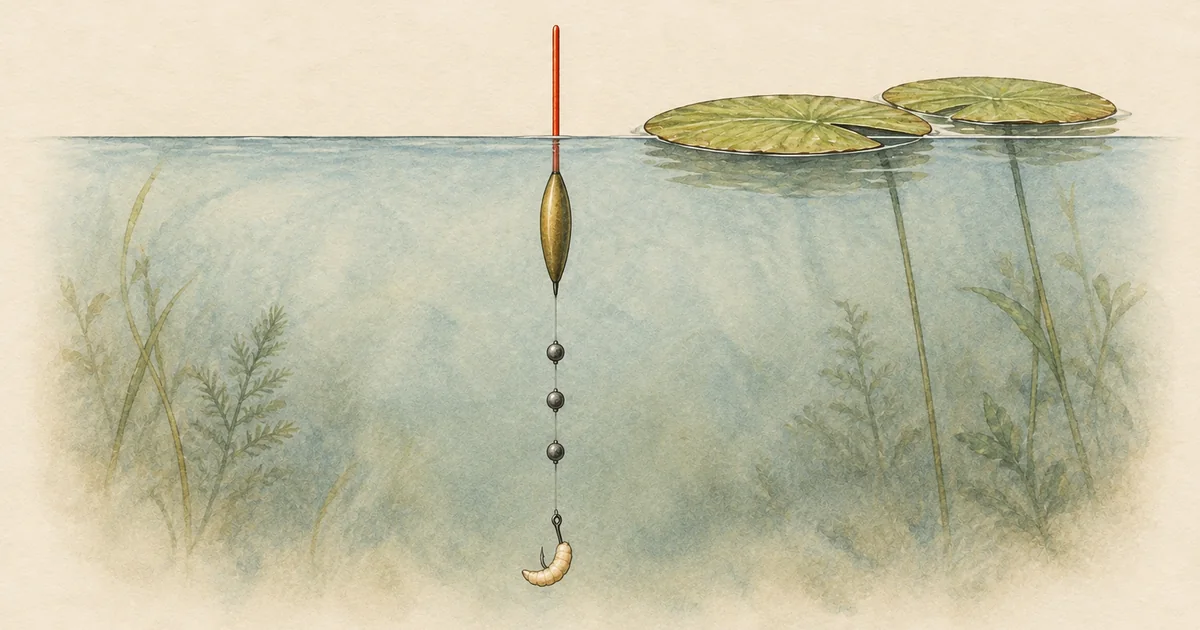
Float fishing
The bait hangs at a fixed depth, and the float makes the bite visible.
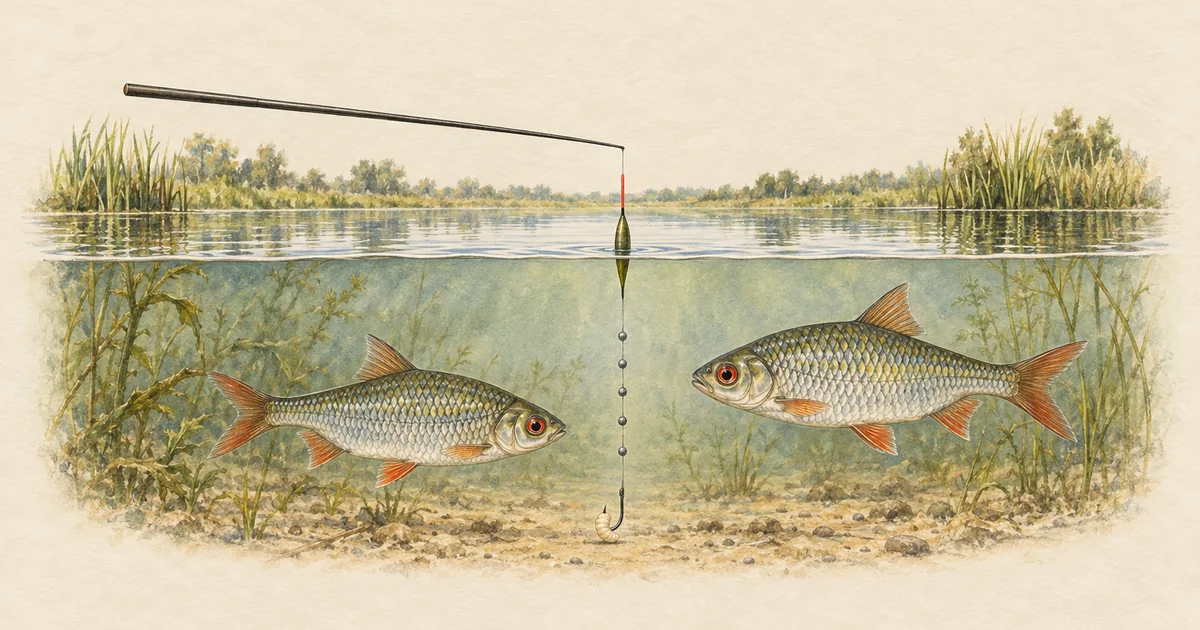
Pole fishing
Fishing with a rod without a reel: fine float, lead chain, plumbing the depth and feeding sparingly.
Feeder fishing
A feeder lays a trail of feed, and the bait lies right beside it.
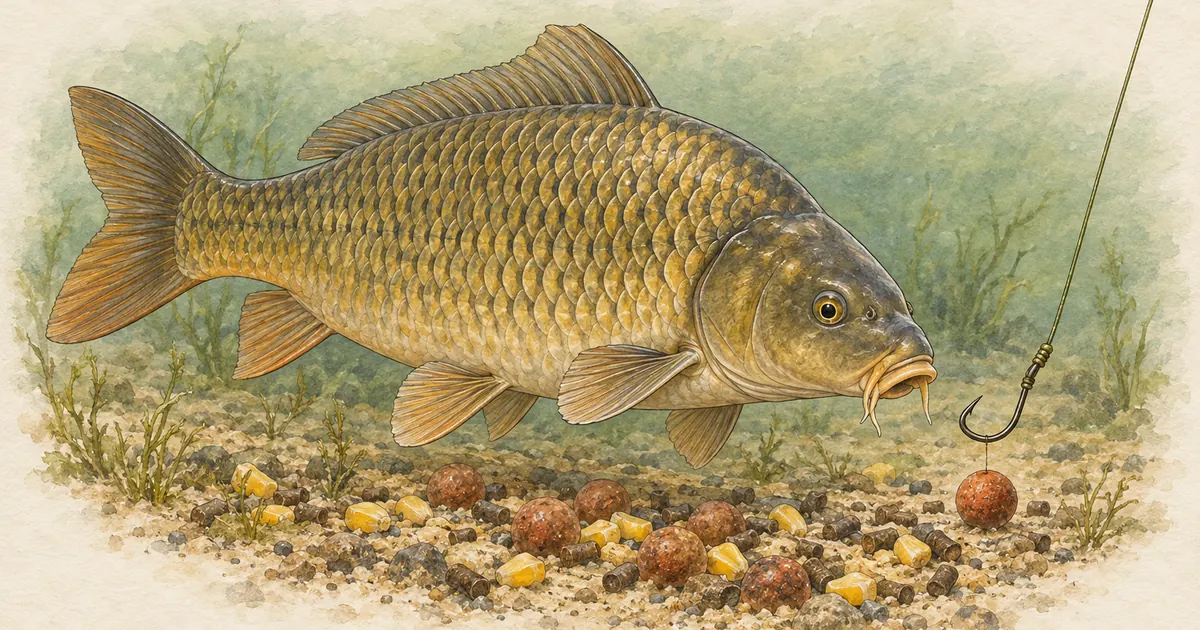
Carp fishing
Self-hooking rig, baited spot, bite indicator and gentle handling of big carp.
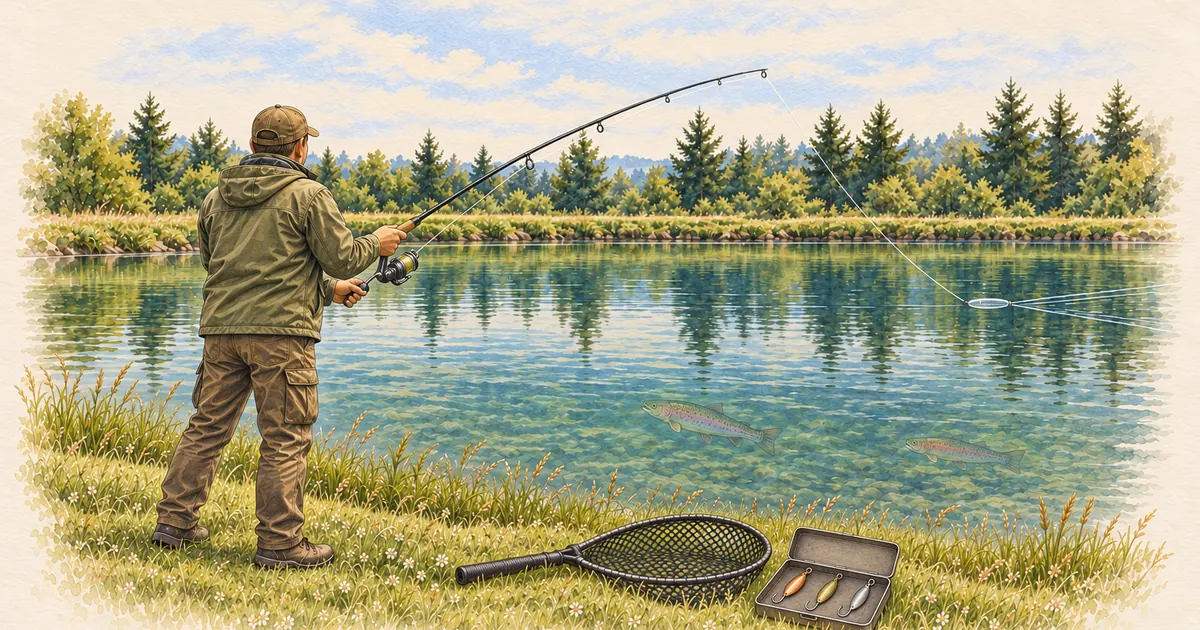
Trout fishing at a pond
Counting down the spoon, sbirolino for distance, trailing a float with dough and changing the method during the day.
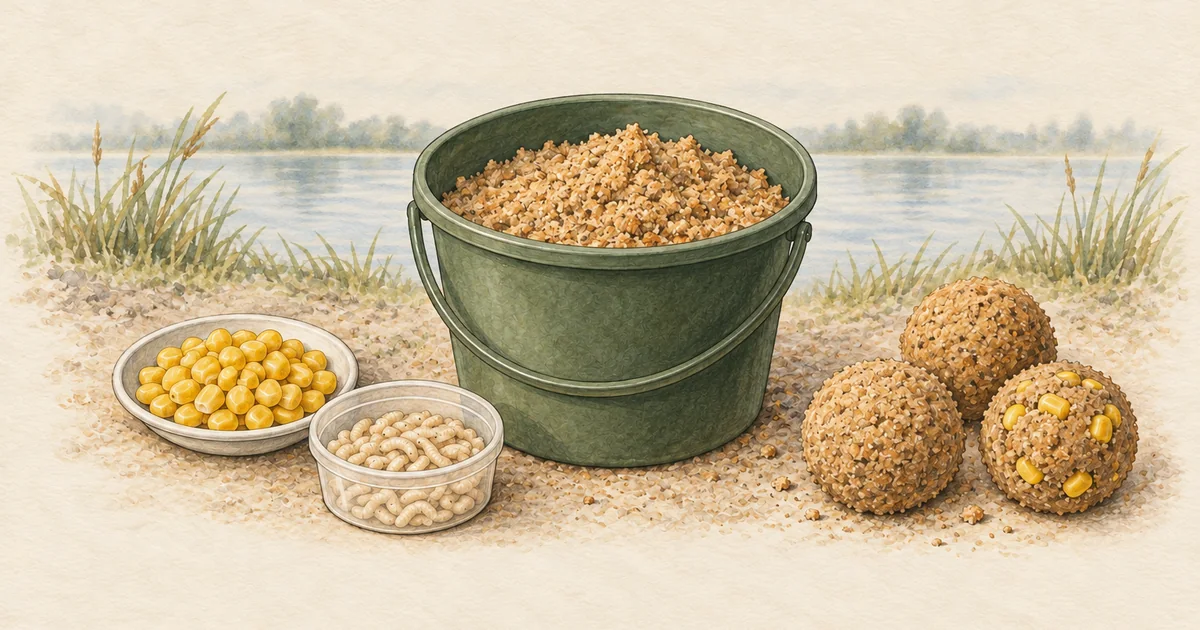
Feeding and groundbait
Groundbait, particles and maggots, usual quantities, nutrient balance and rules for each water.
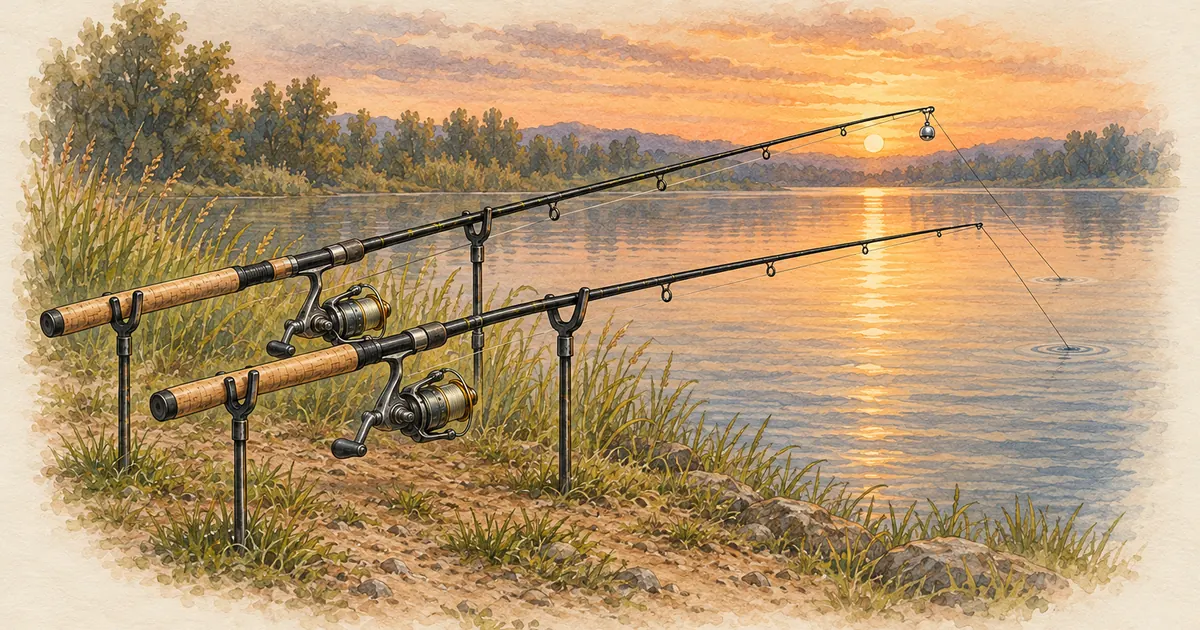
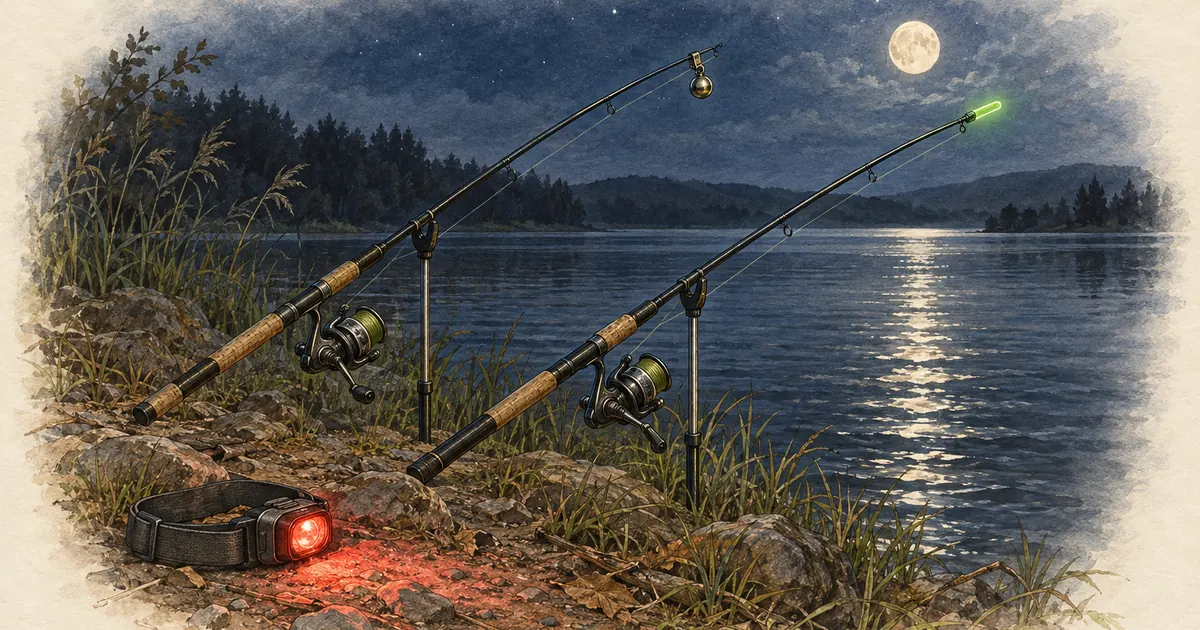
Night fishing
Eel, wels catfish and zander in the dark: setting up the spot, recognising bites, light and the law.
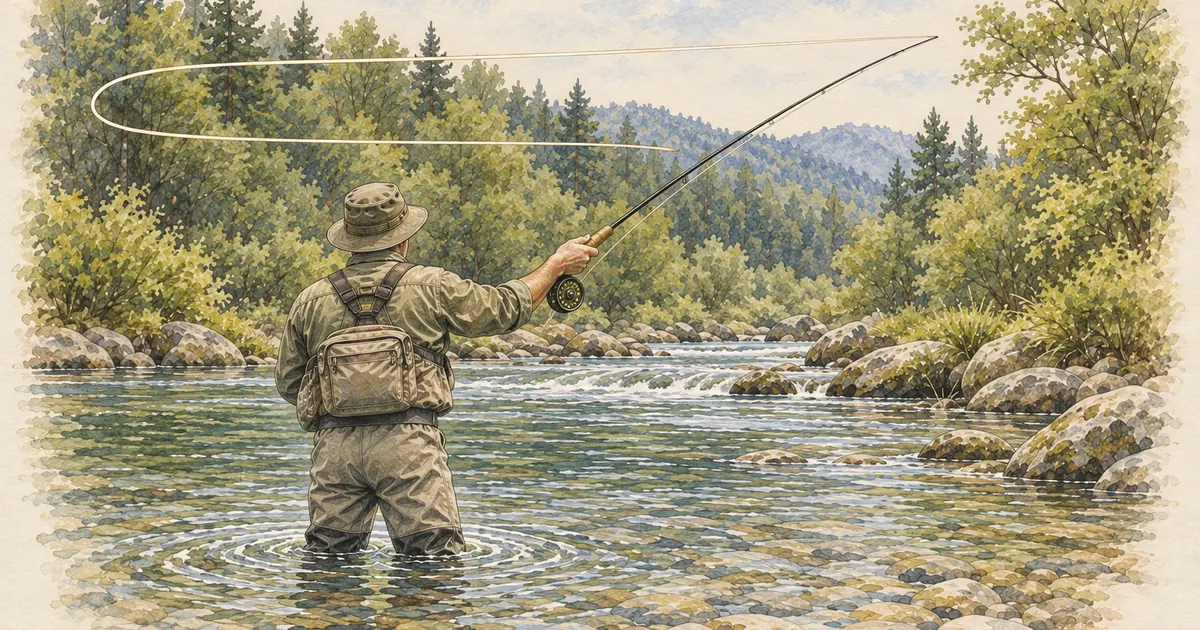
Fly fishing
The weight is in the line, and the light fly flies along with it.
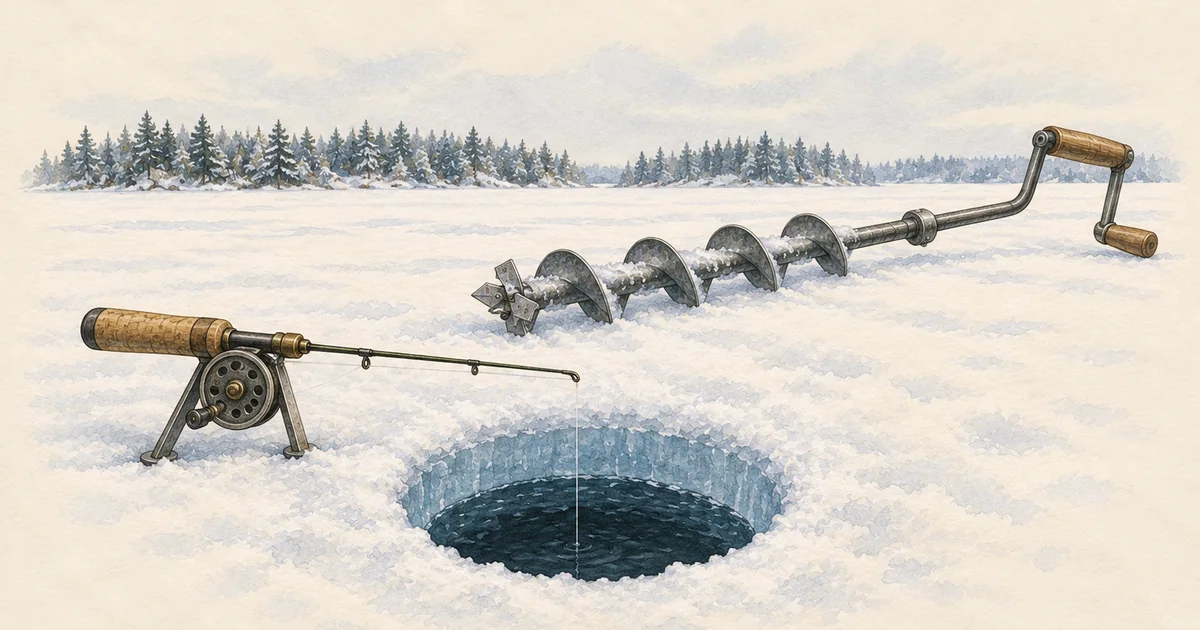
Ice fishing
Drill a hole, work the lure vertically: tackle, fish and rules for fishing on the ice.
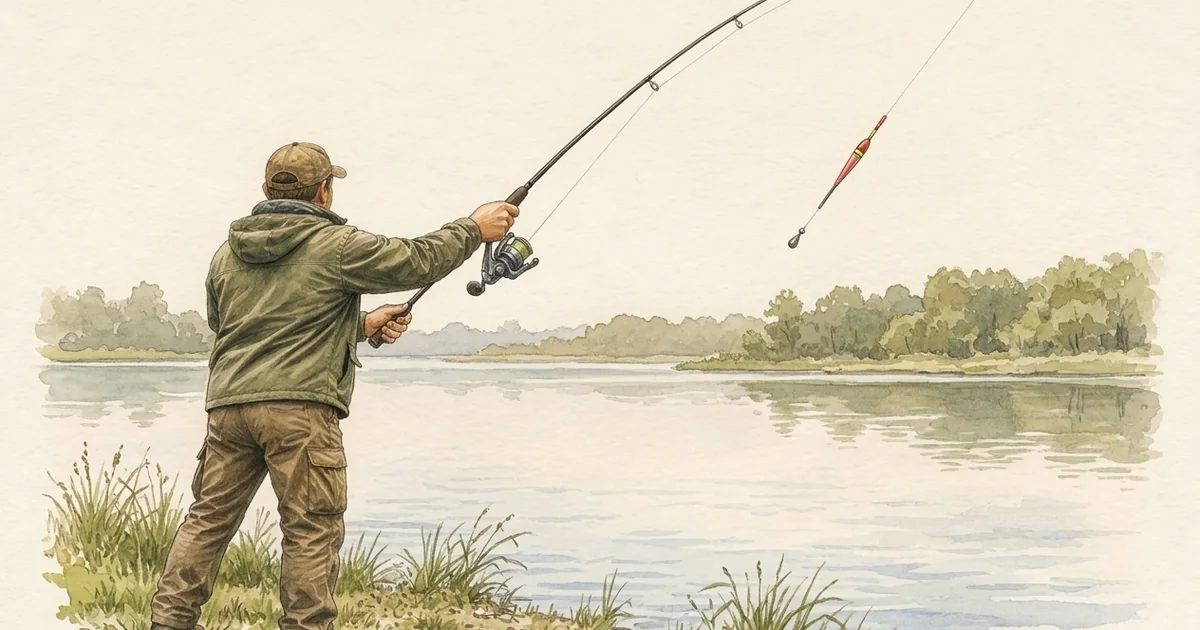
Casting with a fixed-spool reel
Overhead, underhand and side cast, feathering with the index finger and the most common casting mistakes.

On the coast and at sea
Sea fishing
Surf fishing, pier, boat and pirk fishing for saltwater fish.
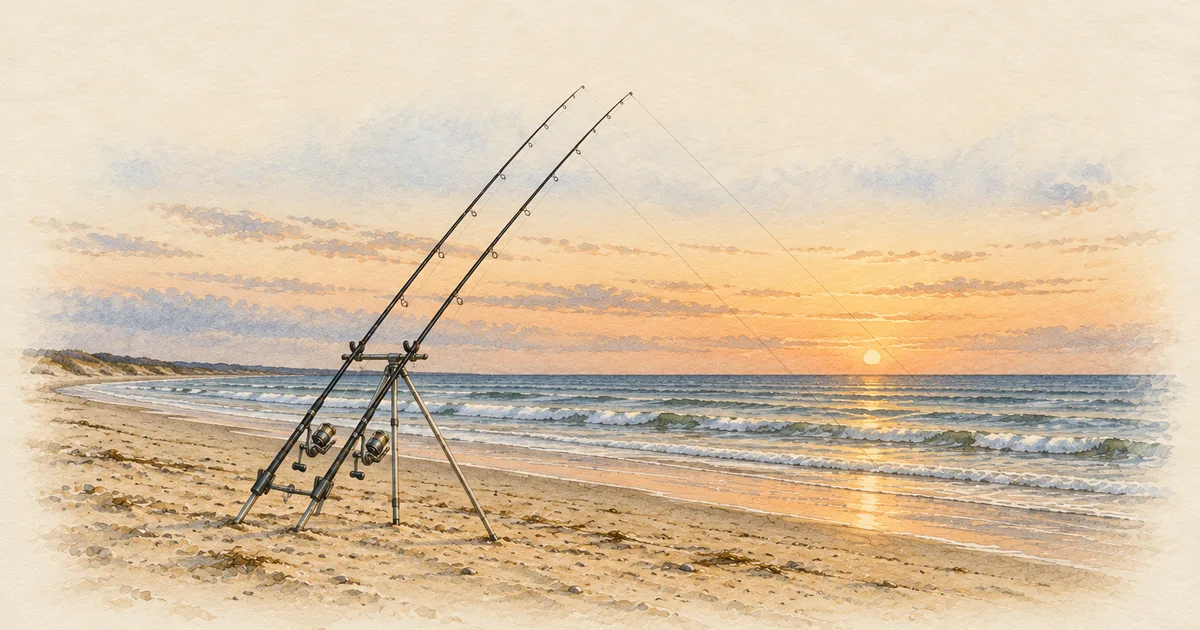
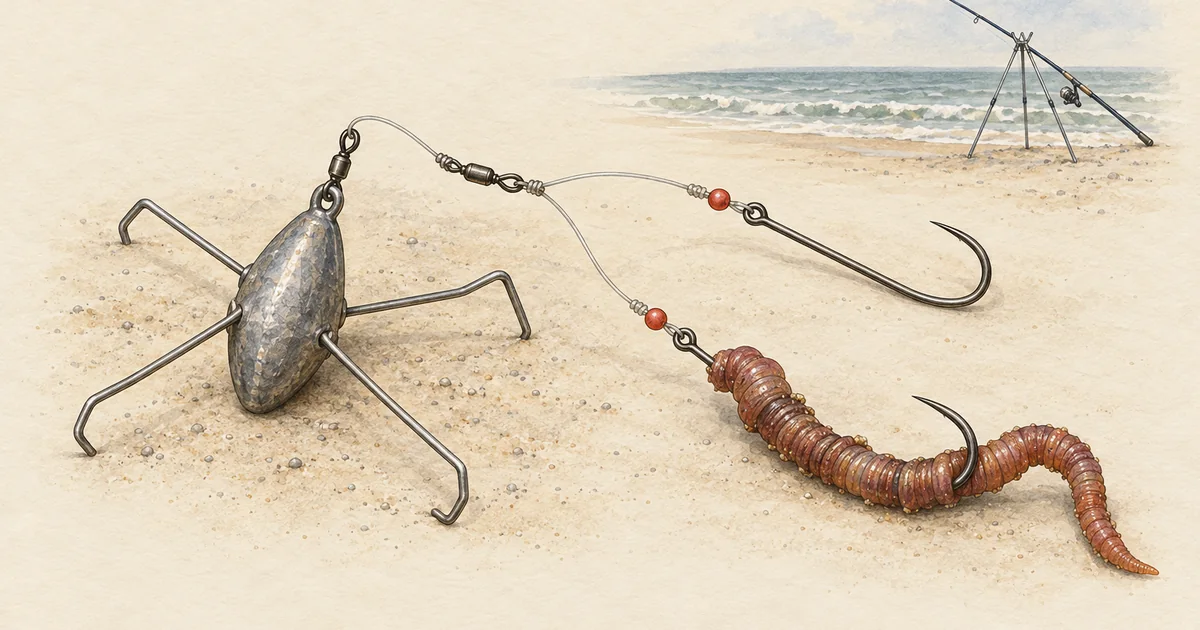
Surf fishing
From the beach for flatfish: reading sandbank and gully, casting far, setting the rod steeply in the tripod.
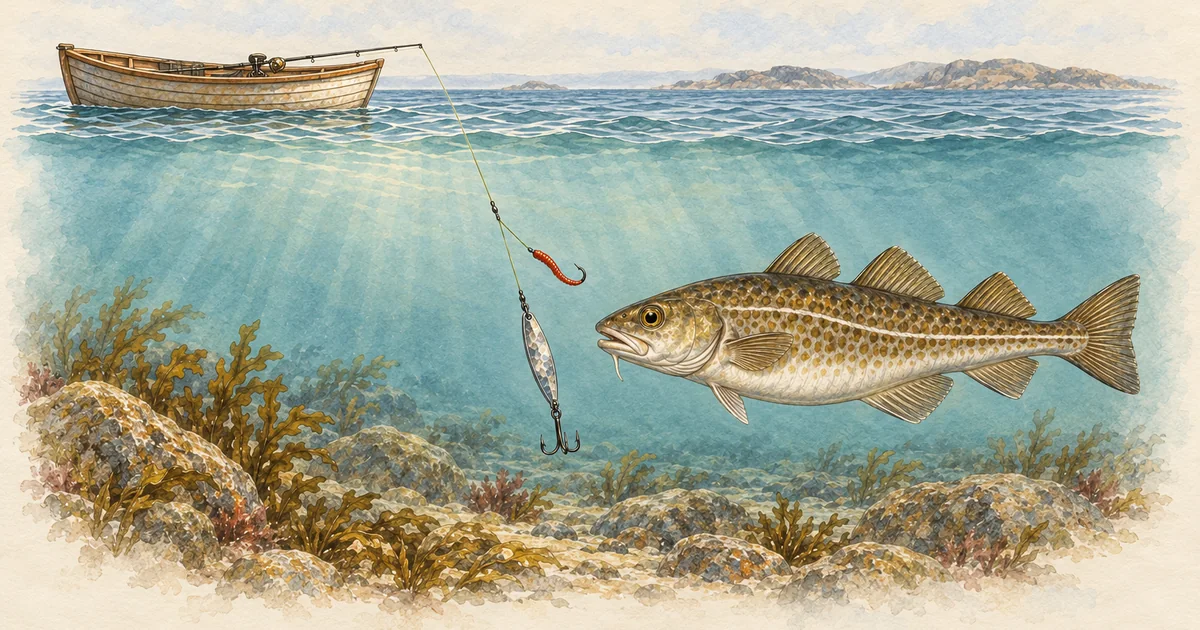
Pirking
Fishing with a pilker from a drifting boat: drift, weight, working the lure, droppers and Baltic cod.
Images: AI-generated
How to choose a method
First ask yourself what you want to catch and what the water looks like. Predators often react to moving lures, so spinning fits here. Coarse fish can be drawn to one spot with feed; feeder fishing, float fishing and bottom fishing suit this. What each feed does, which amounts are usual and where feeding is restricted is covered under Feeding and groundbait. Among weed, water lilies or obstacles, a float can have advantages because it keeps the line off the bottom. For almost all methods you need the same basic cast: grip, bail arm, feathering and the typical casting mistakes are covered under Casting with a fixed-spool reel.
Before the first cast, check which lures and methods the water’s rules (Gewässerordnung) allow at the water in question.
Keep reading in the lexicon
- Rigs, for example Running-lead bottom rig and Float rig
- Baits, from artificial lures to natural baits
- Tackle, such as Fishing rods or Setting the reel drag
- Knots with tying instructions
The set-up of individual rigs and the knots are explained on their own pages. This page is about the principle of the method and when it pays off.