
Knowledge · Category
Fish welfare and practice
Anyone who fishes bears responsibility for the animal on the hook. Fish welfare is therefore not an optional extra but the foundation: the Animal Welfare Act (Tierschutzgesetz) prohibits causing a vertebrate pain, suffering or harm without a sound reason. This section ranges from bait and tackle through the fight and landing to stunning, keeping or releasing, plus what to do if a bird ends up on the hook.
Before and during the catch
Fish-friendly tackle
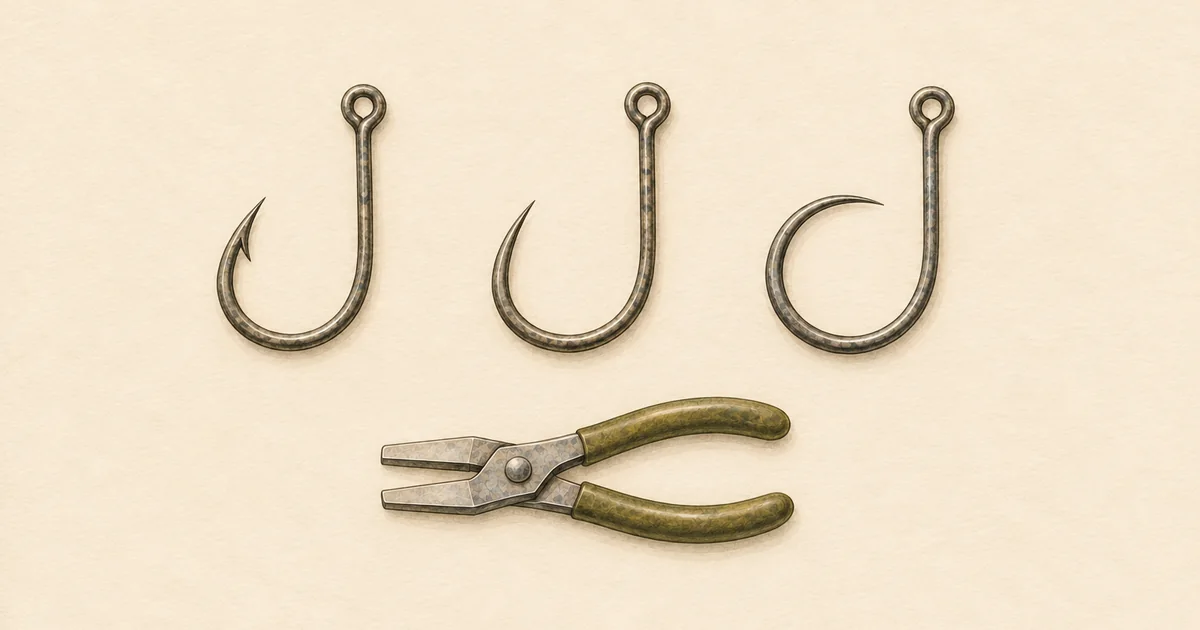
Barbs, circle hooks and rigs that make fish less likely to be hooked deeply or to break off tethered.
Live bait and animal welfare
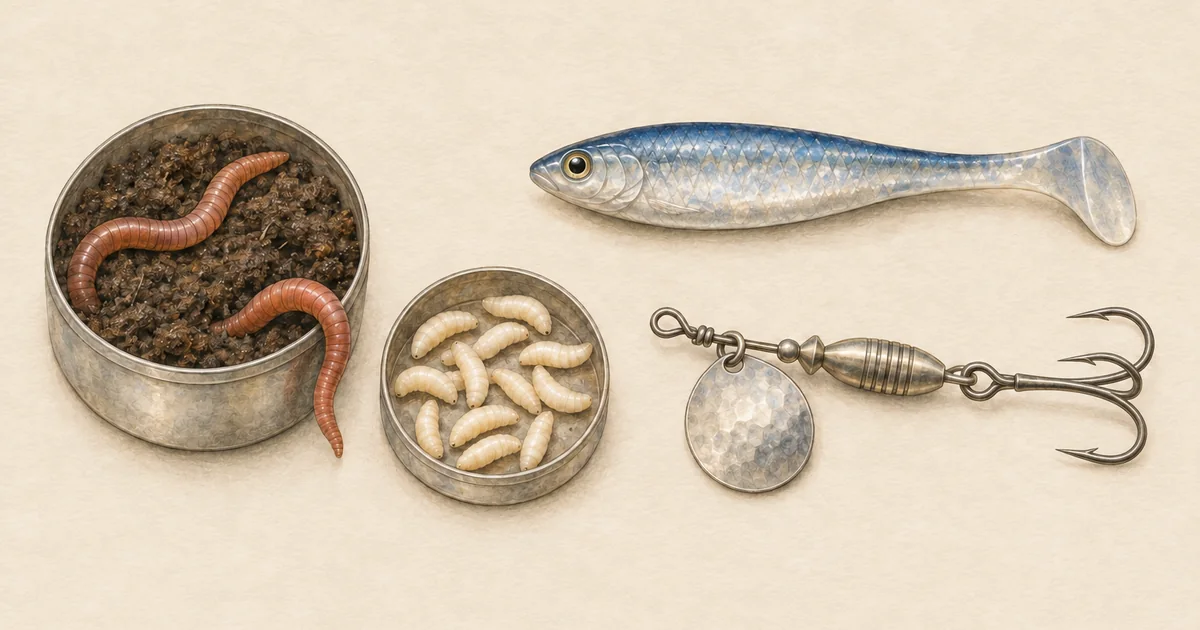
Why live baitfish are banned and what applies to worms, maggots and killed baitfish.
Fight, heat and depth
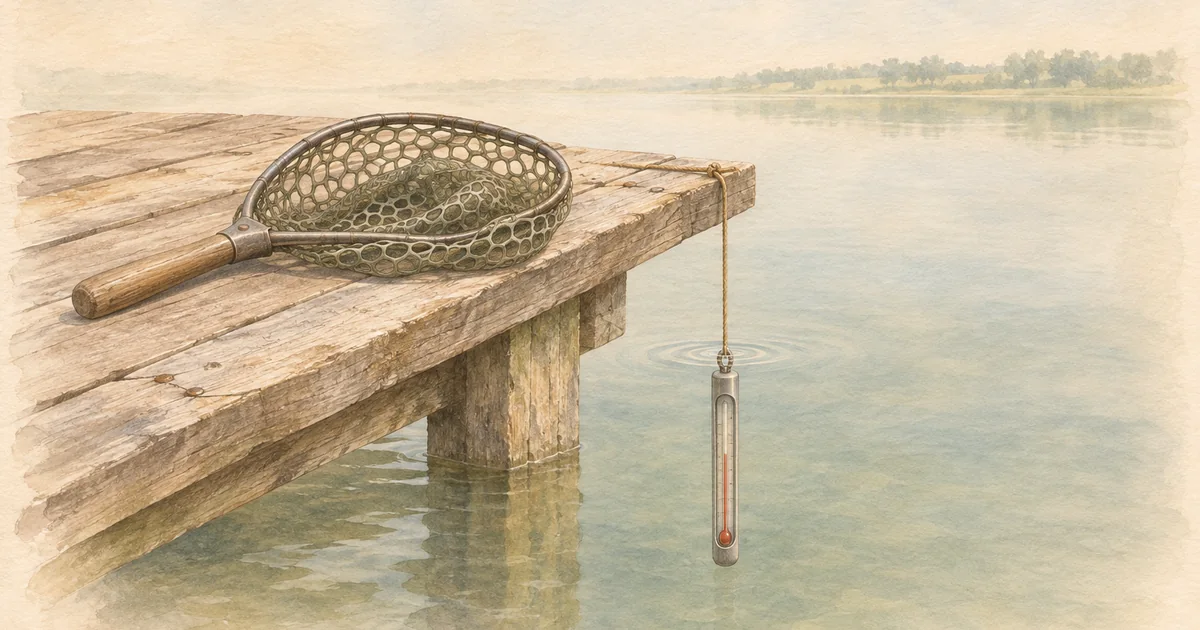
What a long fight triggers in a fish, which heat rules apply and what great depth does.
After the bite
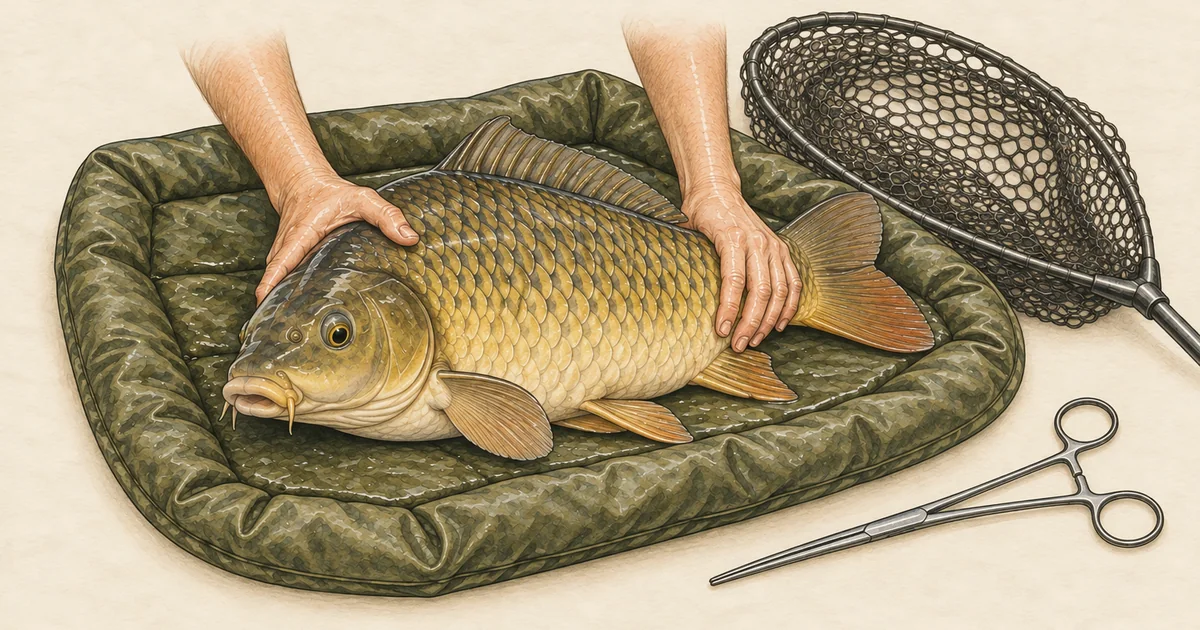
Landing and unhooking a fish
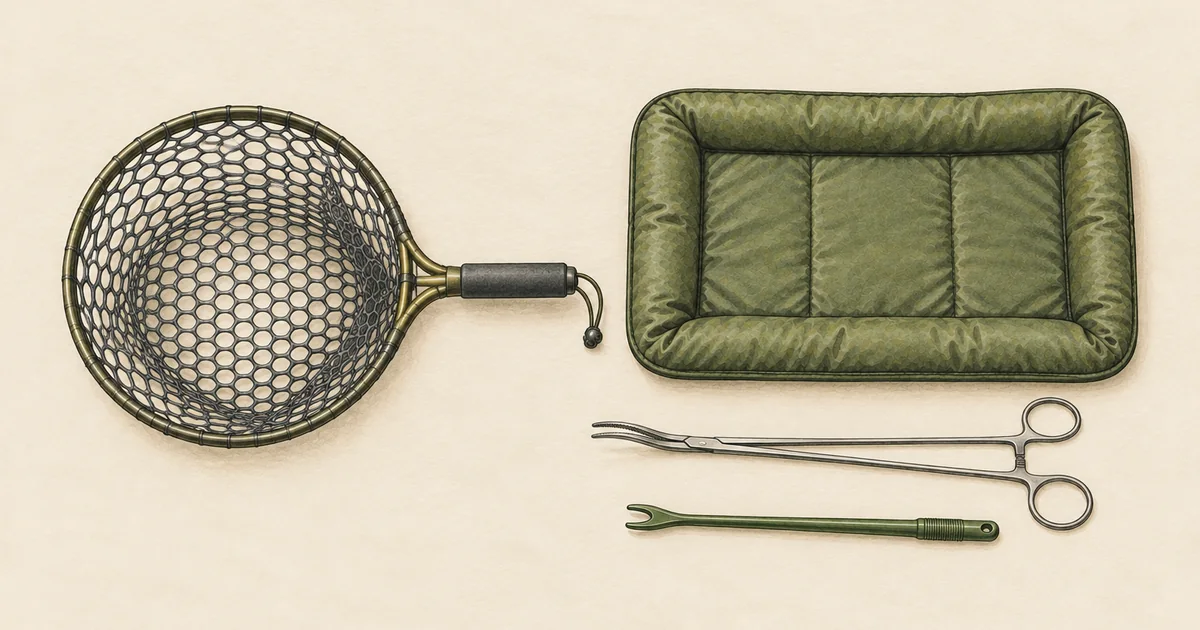
Landing net, wet hands, unhooking mat and removing the hook with as little time out of the water as possible.
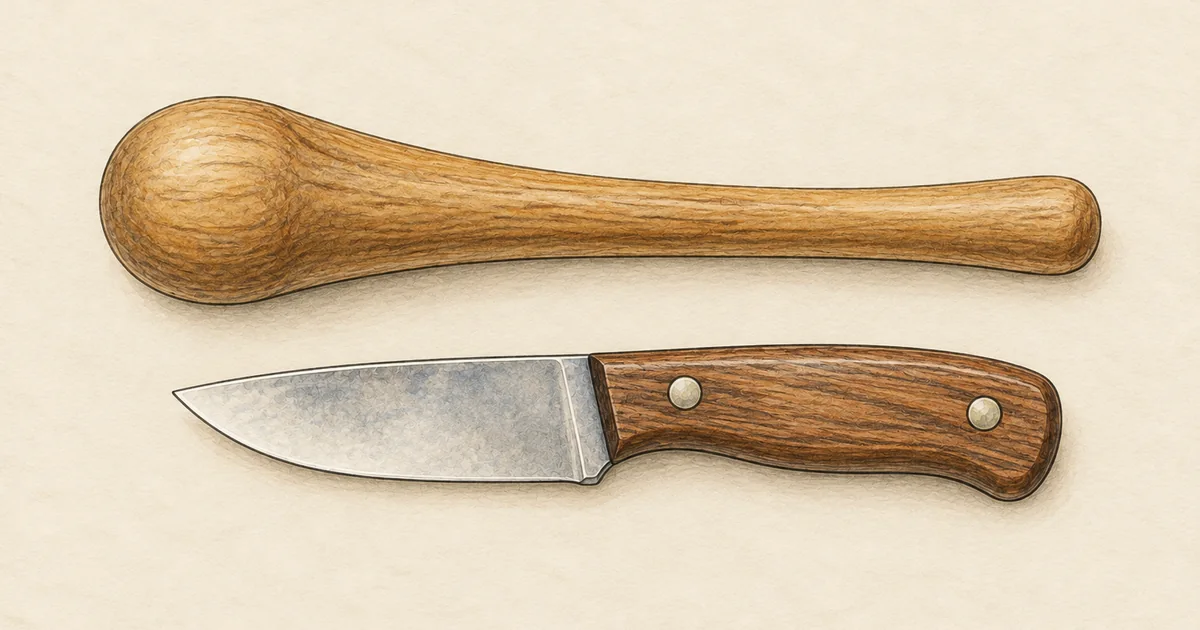
Stunning and killing a fish
Legal framework, blow to the head, gill cut and checking that the stunning works.
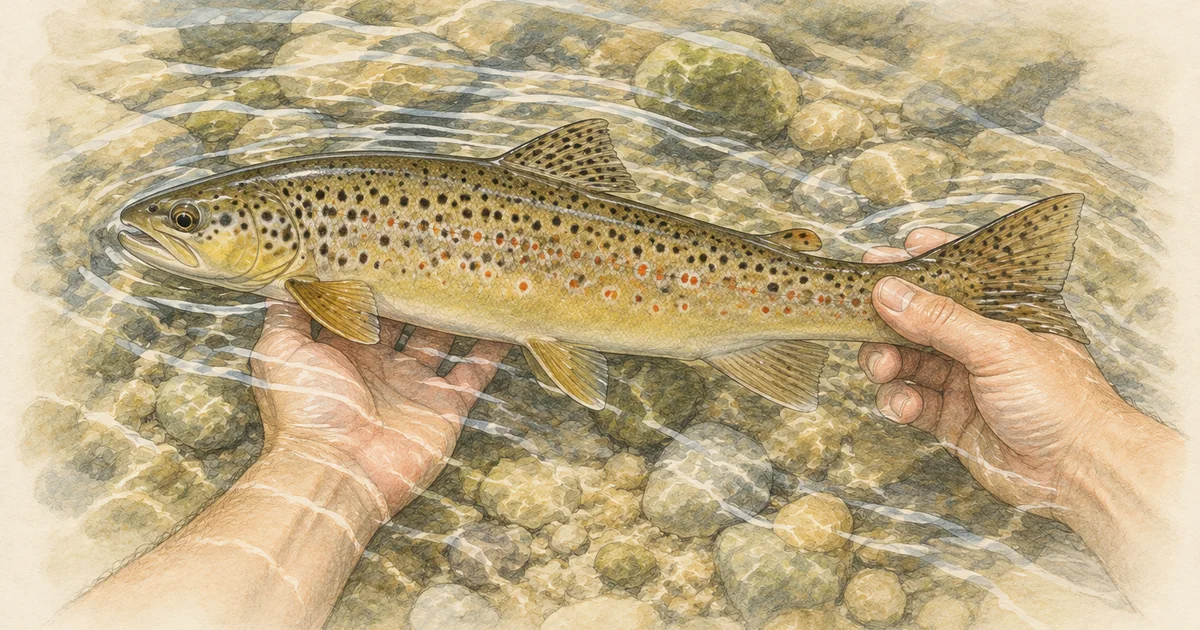
Releasing a fish
When you have to release, when it gets tricky and how to go about it gently.
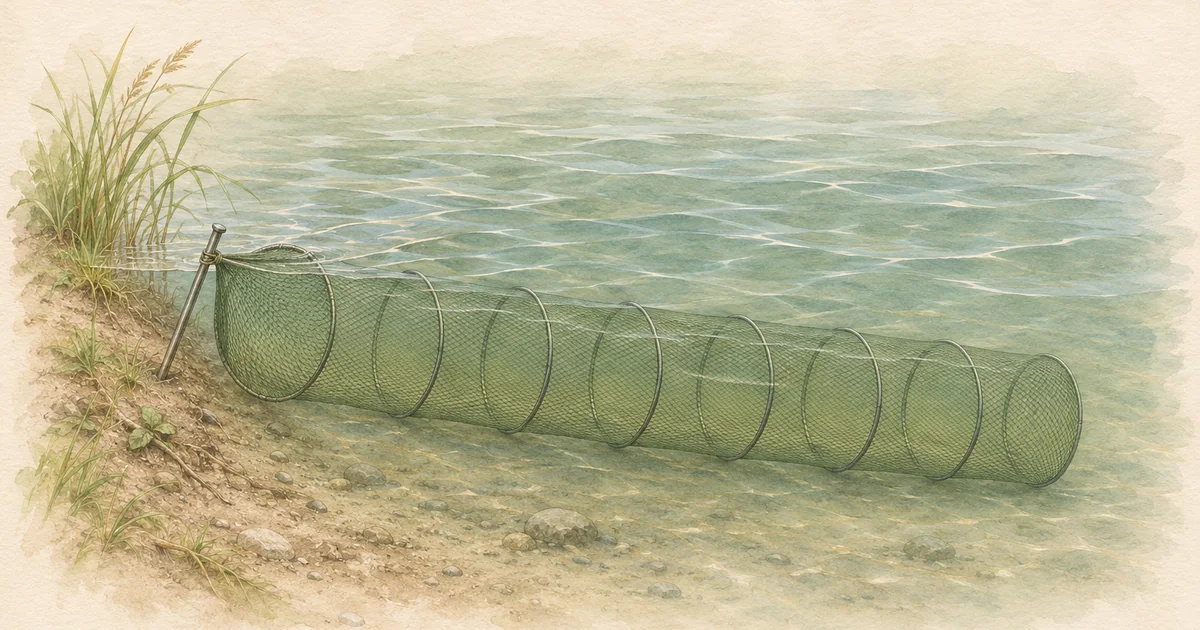
Keeping fish and keepnets
Where the keepnet is allowed, what dimensions the states require and why chilling is often better.
Birds and wild animals
Bird or wild animal on the hook
Why you don’t cut the line, how to secure a swan or a gull and who helps then.
Images: AI-generated
Why fish welfare is part of angling
Fish are vertebrates and fall under the Animal Welfare Act. Catching for the table counts as a reasonable cause; how you treat the fish, on the other hand, determines pain, suffering and harm. Anyone who kills a fish needs the necessary knowledge and skills. In Germany you usually prove them with the angling exam (Fischerprüfung); the exam and its content are regulated by your federal state (Bundesland).
How to keep rubbish, old line and lead away from the water is covered in the Nature & environment section. For the fight itself, the right drag setting matters, which you will find under Setting the reel drag. The Catch calendar gives you a guide to which fish you may currently take.
Note: Minimum sizes, closed seasons, harvest windows and rules on keeping fish in keepnets are set by the states. They differ from federal state to federal state and from water to water. So always read the water regulations and permit conditions on site.
Sources
- Tierschutzgesetz § 1 (Grundsatz: kein Schmerz, Leiden oder Schaden ohne vernünftigen Grund)
- Tierschutzgesetz § 4 (Töten von Wirbeltieren nur unter Betäubung, Sachkunde)
- Tierschutzgesetz § 17 (Strafvorschrift, Töten ohne vernünftigen Grund)
All information is indicative, without guarantee, and does not replace legal advice. What counts is the law of your federal state and the water regulations.