
Knowledge · Category
Cooking and using your catch
Anyone who takes a fish also takes on responsibility for the kitchen. This overview of using fish shows the steps after the catch: scaling, gutting, filleting, chilling, smoking and working hygienically, plus the parasites that may stand out along the way. You will not find recipes or preparations for individual species here.
Preparing the fish
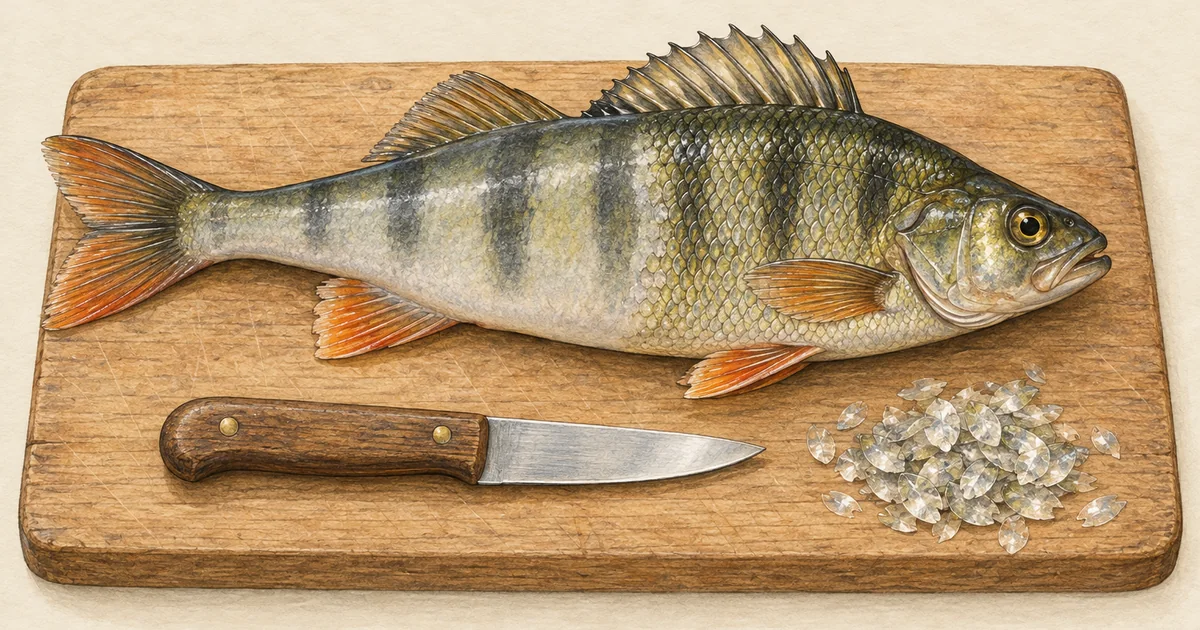
Scaling and skinning a fish
Scaling a perch, skinning eel and wels catfish, cooking trout with the scales on: what each species needs.
Gutting a fish
The belly cut, removing innards and gills, cleaning the belly cavity, disposing of the scraps correctly.
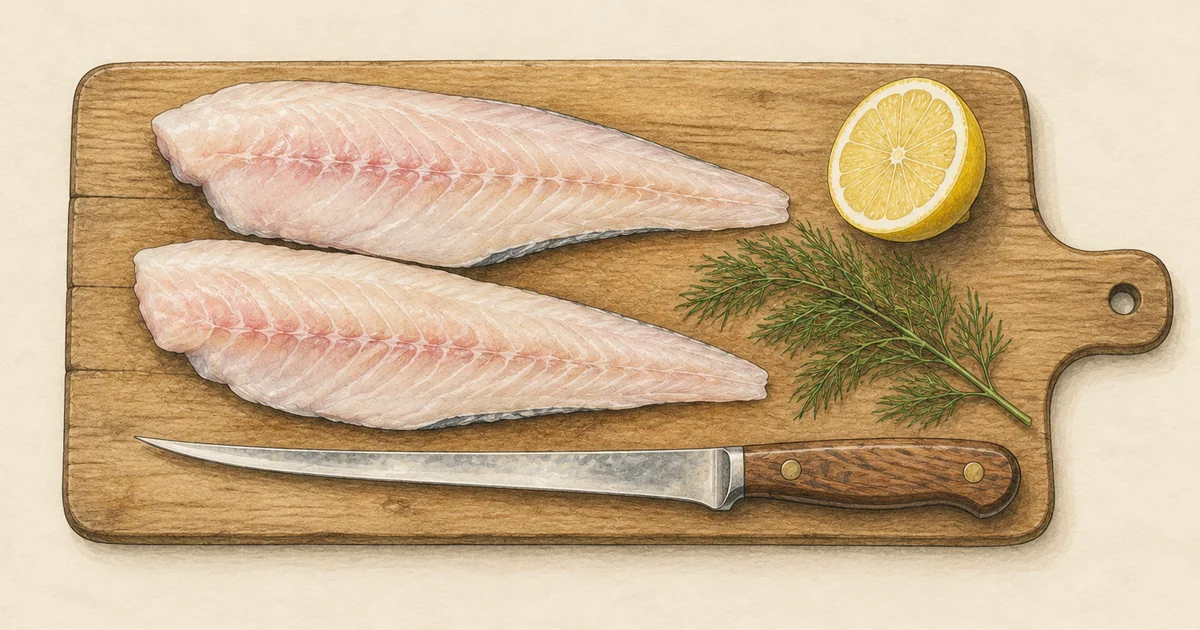
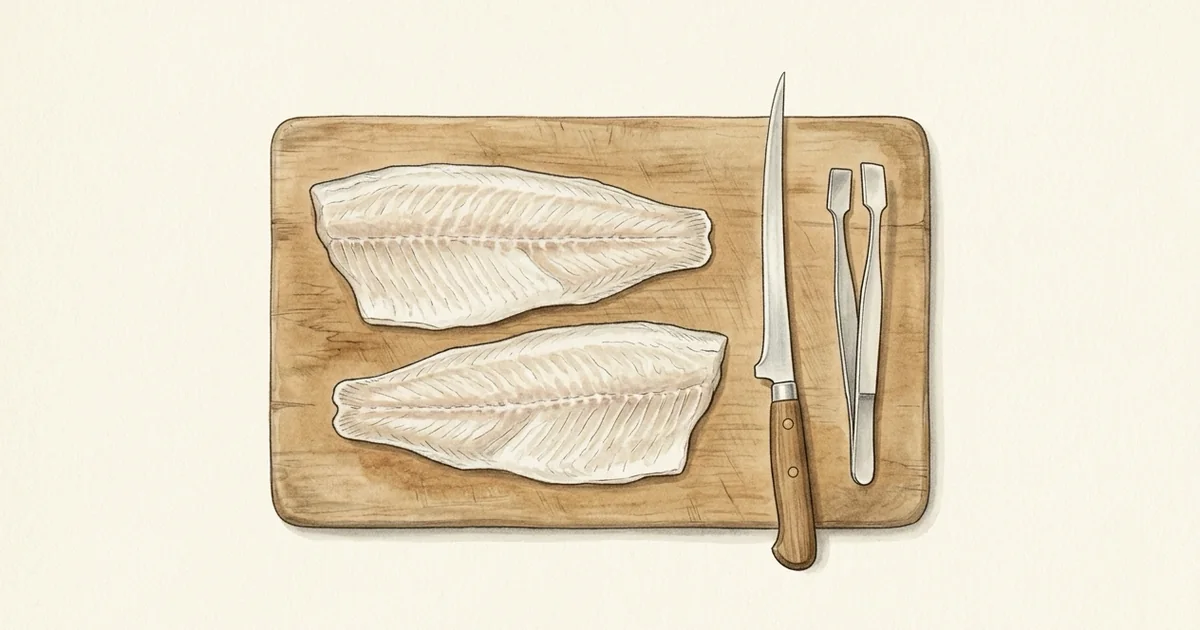
Filleting and deboning a fish
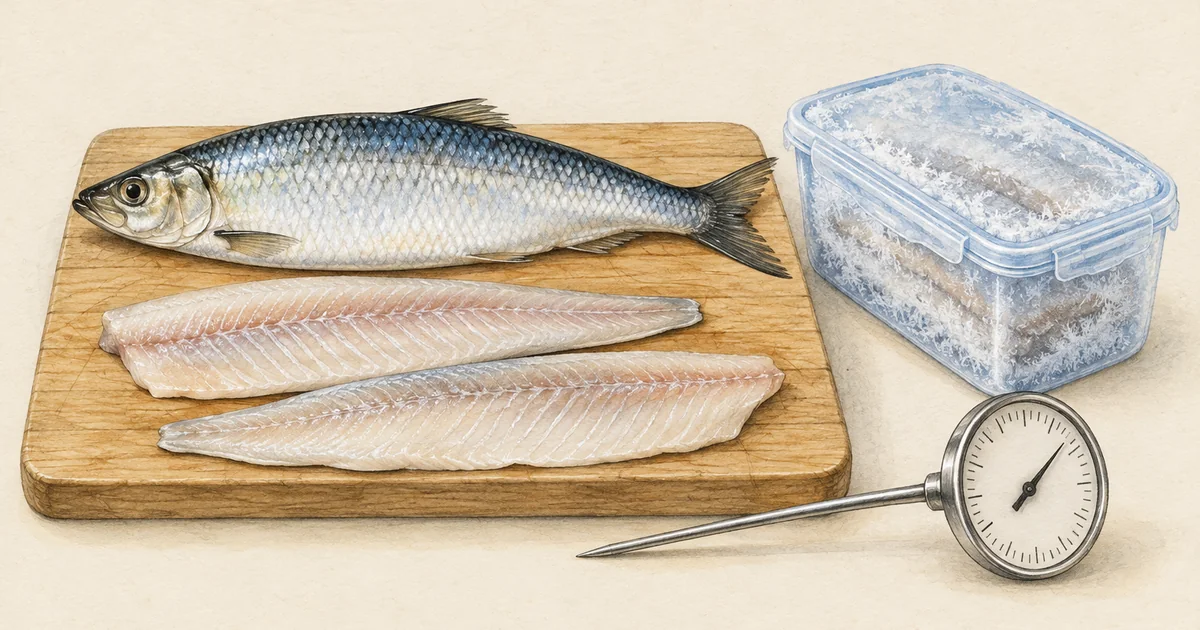
Knife, cutting technique, deboning and the peculiarity of the Y-bones in pike.
Shelf life and safety
Storage and hygiene
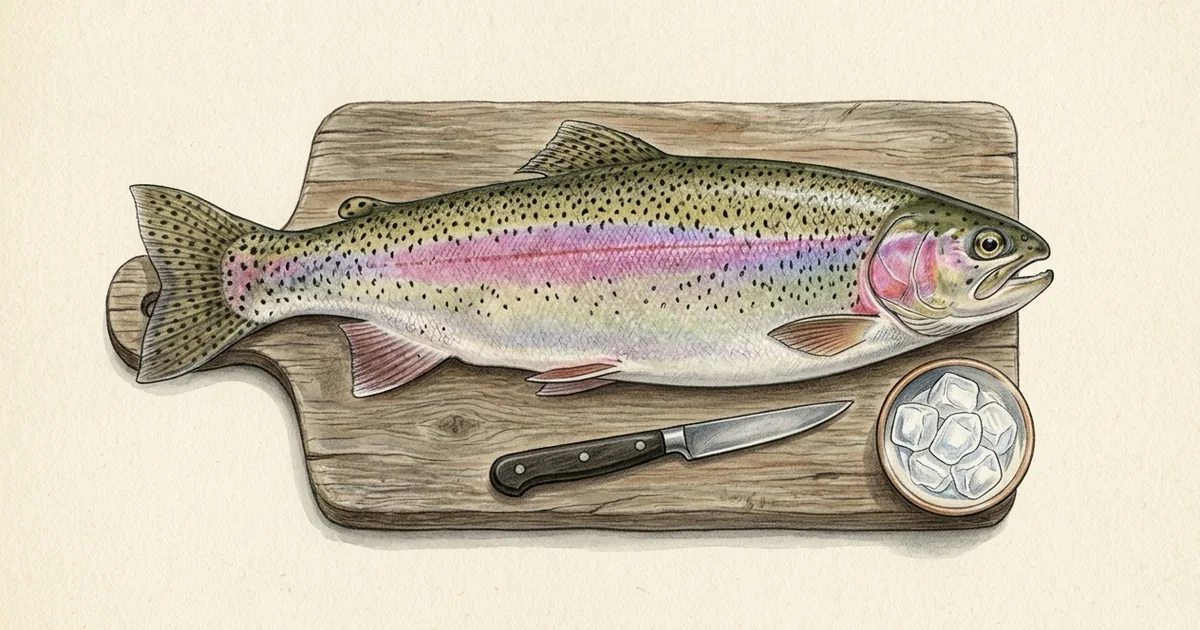
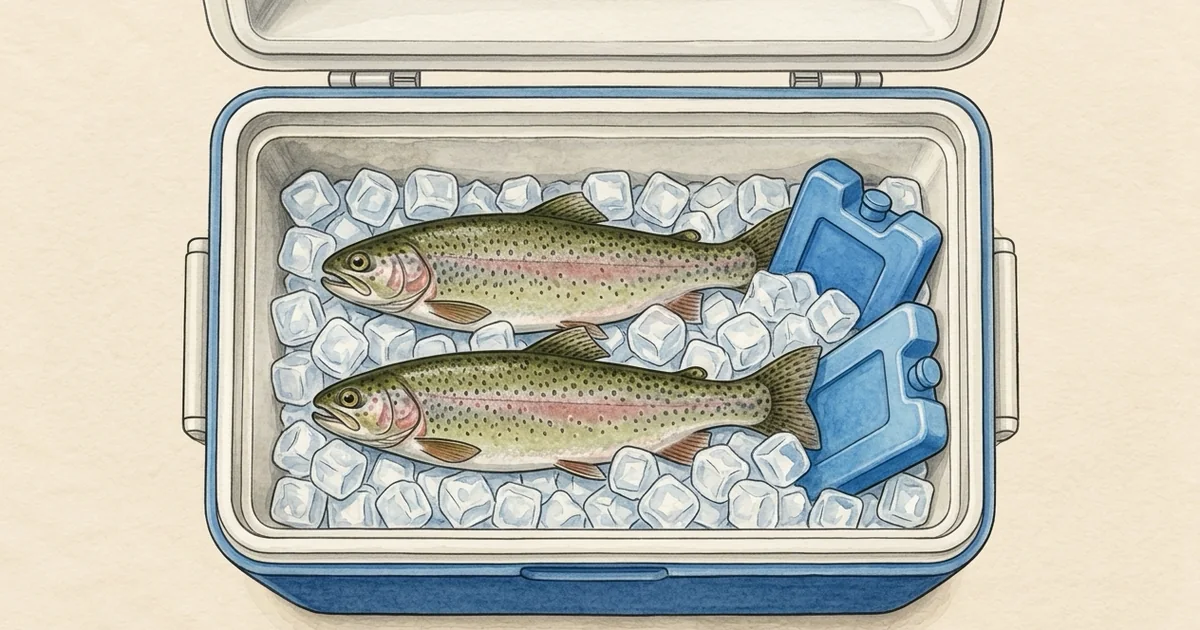
Chilling, freezing, use-by times and clean working with raw fish.
Smoking fish
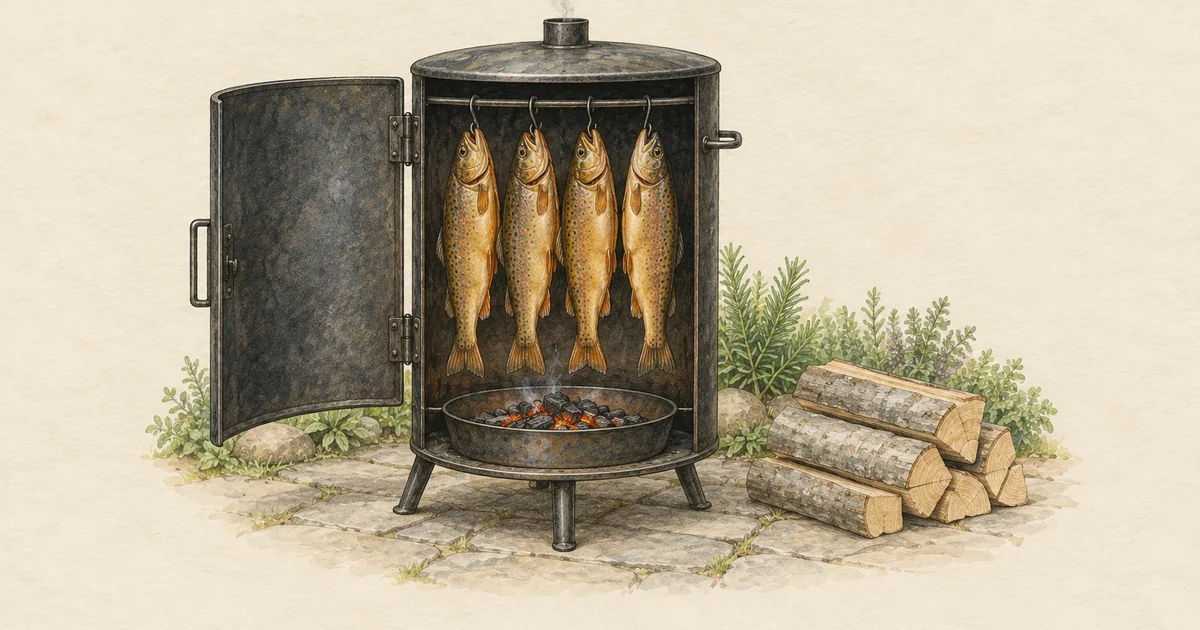
Hot smoking in five steps, how it differs from cold smoking and what the authorities advise on keeping quality.
Parasites in fish
Roundworms, fish tapeworm, fish leeches: what harms people and how cooking and freezing protect you.
Images: AI-generated
What needs to be settled first
You only use a fish that you caught legally and killed humanely, in line with good angling practice. Whether you may keep a fish depends on the closed season (Schonzeit), the minimum size (Mindestmaß) and the rules of your water. The key points are on the page Rules and licence. How to stun and kill a fish as gently as possible is explained on the page Stunning and killing fish. Only after that does processing begin.
Only take as much as you can process promptly and store sensibly. A fish that lies in the warm for too long spoils, which is a pity for the fish, the water and the kitchen alike.
The sequence at a glance
After killing, the fish is scaled if the skin is to be eaten. Then comes gutting, followed, depending on the fish and how you use it, by filleting or by processing it whole. The fish is kept cool between every step. Anyone who sticks to this order has little trouble with smells, germs and losses.
Note: This section describes the basics of food hygiene according to authorities and consumer advice bodies. It is no substitute for advice from the food inspection service in your region.
Related sections
You will find suitable species in the overview of fish, for example pike and zander. If you want to return a fish alive, read Releasing a fish.
All figures are guide values without guarantee. The guidance of the food inspection service is what counts.