
At a glance
- Position
- early autumn mid-depth, below 13 °C deeper, in a lake that is evenly cold also shallow under bushes
- Feed
- up to the first bite at most half a kilo per rod, below 8 °C even less
- Time
- short sessions early in the morning and in the early afternoon
- Wind
- a warm wind onto your own bank is good, with a cold November wind move to the lee
What the cold does to the carp
The carp is cold-blooded, its body takes on the temperature of the water. It grows best and makes the most of its food at 23 to 28 °C, according to the Saxon Landesamt für Umwelt, Landwirtschaft und Geologie (LfULG). From 20 to 30 °C its metabolic rate doubles.
In autumn I work this out backwards. The Lexikon der Biologie usually gives a factor of 2 to 3 per 10 degrees for this rule of thumb, the RGT rule, as a rough approximation. At 10 °C the metabolism therefore runs at only half to a third of its speed at 20 °C.
Pond farmers go by this. In a trial by the LfULG, less was fed in cold weather and water below 20 °C, and the feeding plan for table carp quoted there allows 15 per cent of the annual amount for September and nothing more for October. For fishing, October is still a good time, because carp build up reserves before winter. The pond farmer feeds for growth, I only need one bite.
- Around 13 °C, usually in October, carp feed especially heavily. I then fish deeper and top up the feed after bites.
- Below 8 °C they eat little. I use less than half a kilo and soluble feed.
- Around 6 °C, usually in November, they largely stop being active. Then I choose the spot even more carefully.
- At 0 to 4 °C feeding and digestion are greatly slowed. There is hardly any prospect of fish then.
These limits are rules of thumb from practice. The last row is how the Bezirksamt Charlottenburg-Wilmersdorf of Berlin describes fish in winter in general.
Where I fish in October and November
In early autumn I look for mid-depth. On a lake with a shallow zone of one to two metres that measures 13 metres at its deepest point, I then fish in five to six metres. If the water falls below 13 °C in October, I go deeper, in a lake like that right down to the deepest areas. In even deeper lakes I still stay at 10 to 13 metres at most. In a pond that measures two or three metres at most, I go straight to the deepest spots within casting range.
In autumn I only fish the shallows on sunny days, and even then just for a few hours in the afternoon. At night I look for carp at the drop-off where the shallow zone falls away, or straight in the deep.
On the bottom I look out for dying weed beds, mussel beds and sunken wood. With the cold the water gets clearer, and the carp then see lead and line more easily.
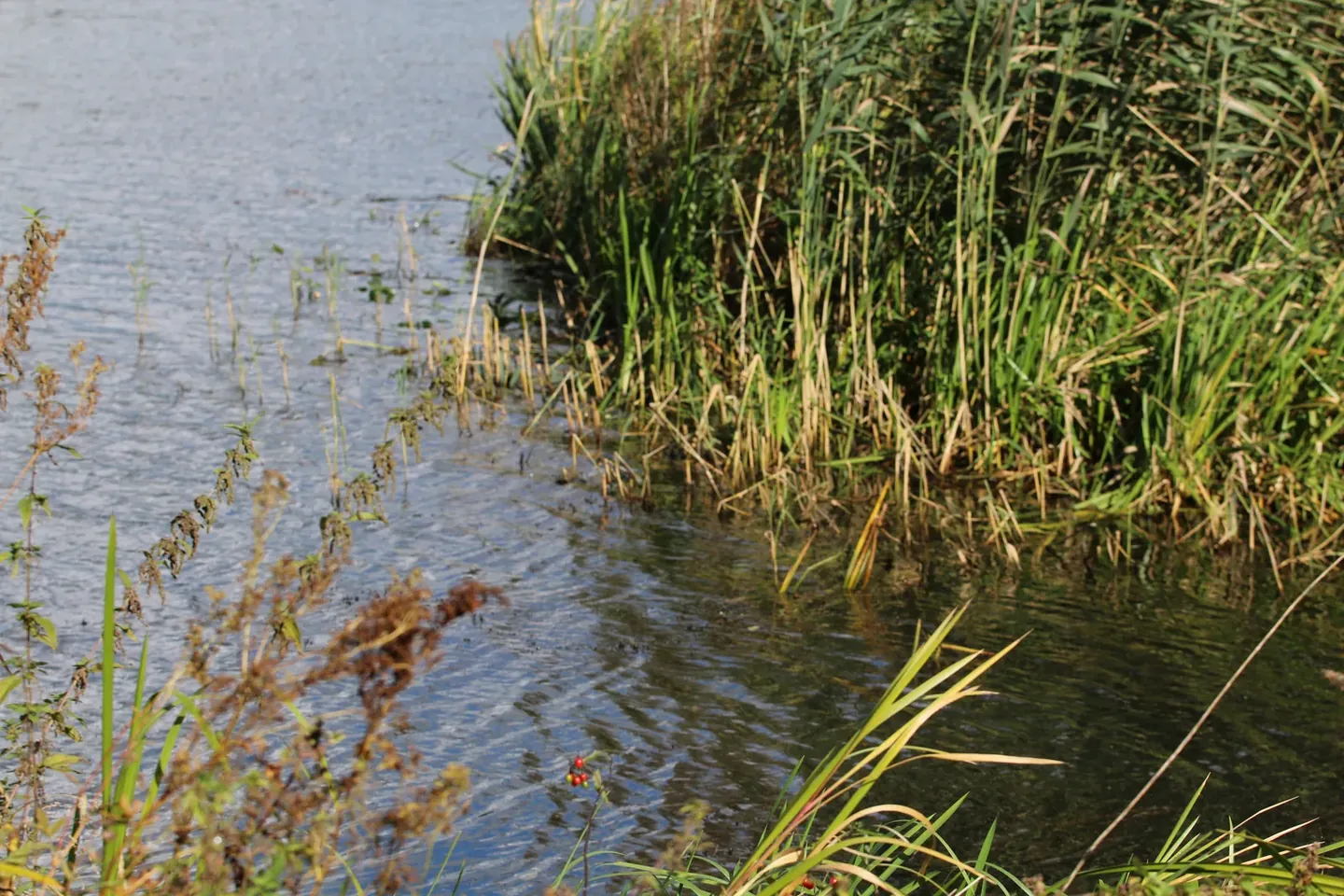
In autumn I read the wind by its temperature. If a warm autumn wind pushes onto my bank, I expect fish there. If it comes in cold in November, I would rather sit somewhere sheltered, because wind and waves then push the cooled surface water onto the bank.
When the lake is equally cold everywhere
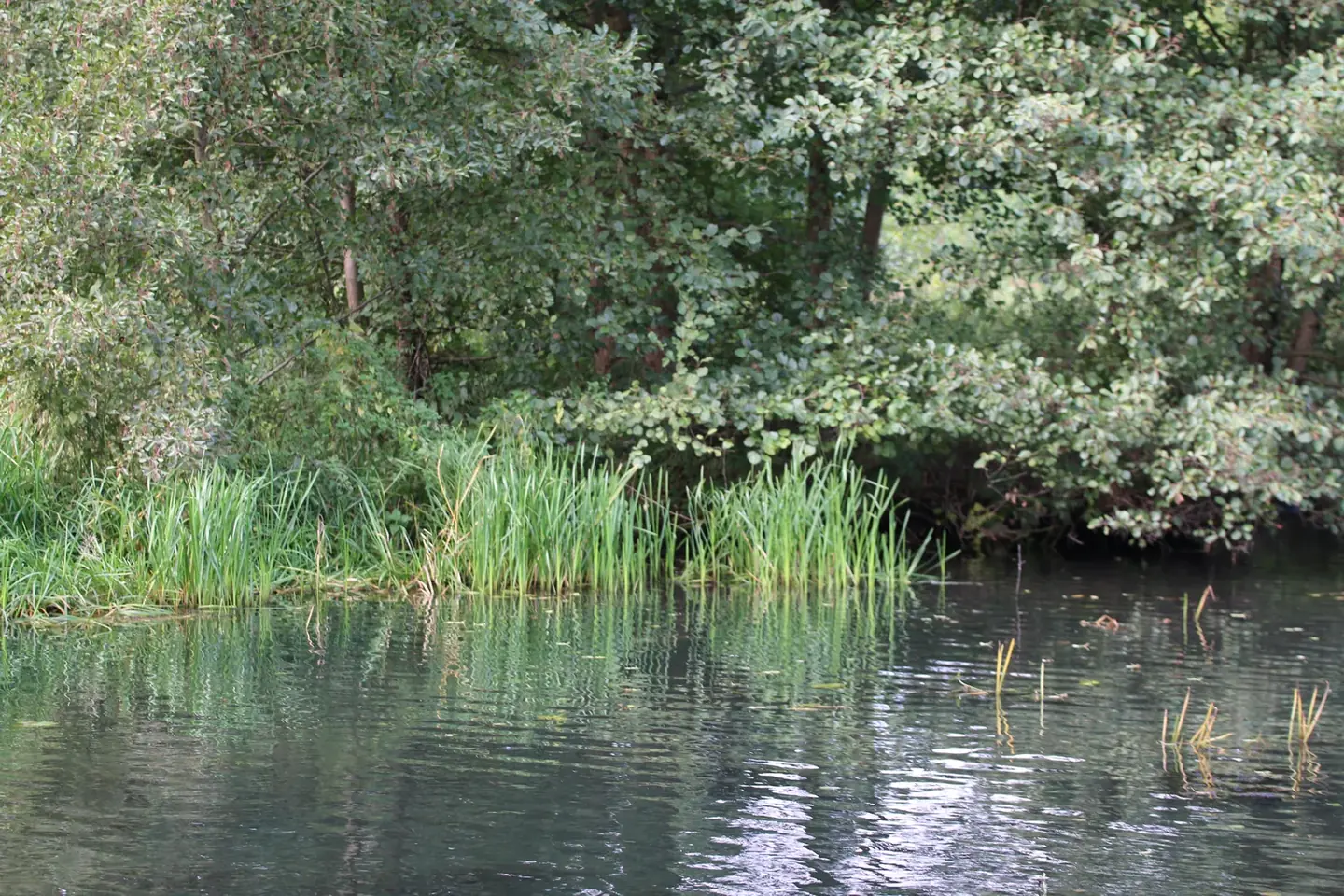
Deep does not always mean deep in late autumn. If a lake is mixed through, it can have almost the same temperature from top to bottom. Measurements at a gravel pit in mid-November gave 5,8 °C at two metres and 6 °C from four metres down to the bottom at 8,3 metres. In a lake like that I also fish shallow, preferably where bushes hang over the water.
It is different in a large, shallow lake with only one small deep spot. There almost the whole stock often gathers in a small area in the cold season. Then I look for exactly that spot first.
Feeding: start small, top up after bites
Until the first carp bites, in autumn I put in half a kilo of feed per rod at most. If a bite comes in the first few hours, I add a good kilo, and after another I make the baited area bigger. Below 8 °C I stay under half a kilo and use light feed that dissolves.
The small starting amount only applies while I am still looking for the carp. If I have found them in October, when they feed the most, I no longer hold back. Then instead of half a bucket of hard maize it can be a bucket and a half. Instead of baiting one spot for days, I set up several small baited spots, because carp move around a lot in autumn. On the hook, besides boilies, I use particles such as sweetcorn or tiger nuts more often again.
The type matters less here than the quantity. A fisheries researcher at the Leibniz-Institut für Gewässerökologie und Binnenfischerei (IGB) considers the ratio of feed to carp at the spot more important than the bait on the hook.
The amounts are figures from experience, not measurements. How much a spot can take depends on how many carp are feeding there. How much you may put in at all is set by the water rules (Gewässerordnung).
Short daytime sessions
In the catch calendar the carp is rated peak season in September, good in October, possible in November and hardly any chance from December. I do not have to sit through the night for it. Short daytime sessions are enough for me: early in the morning, when mist often still lies over the water, and in the early afternoon, when the day is at its warmest.
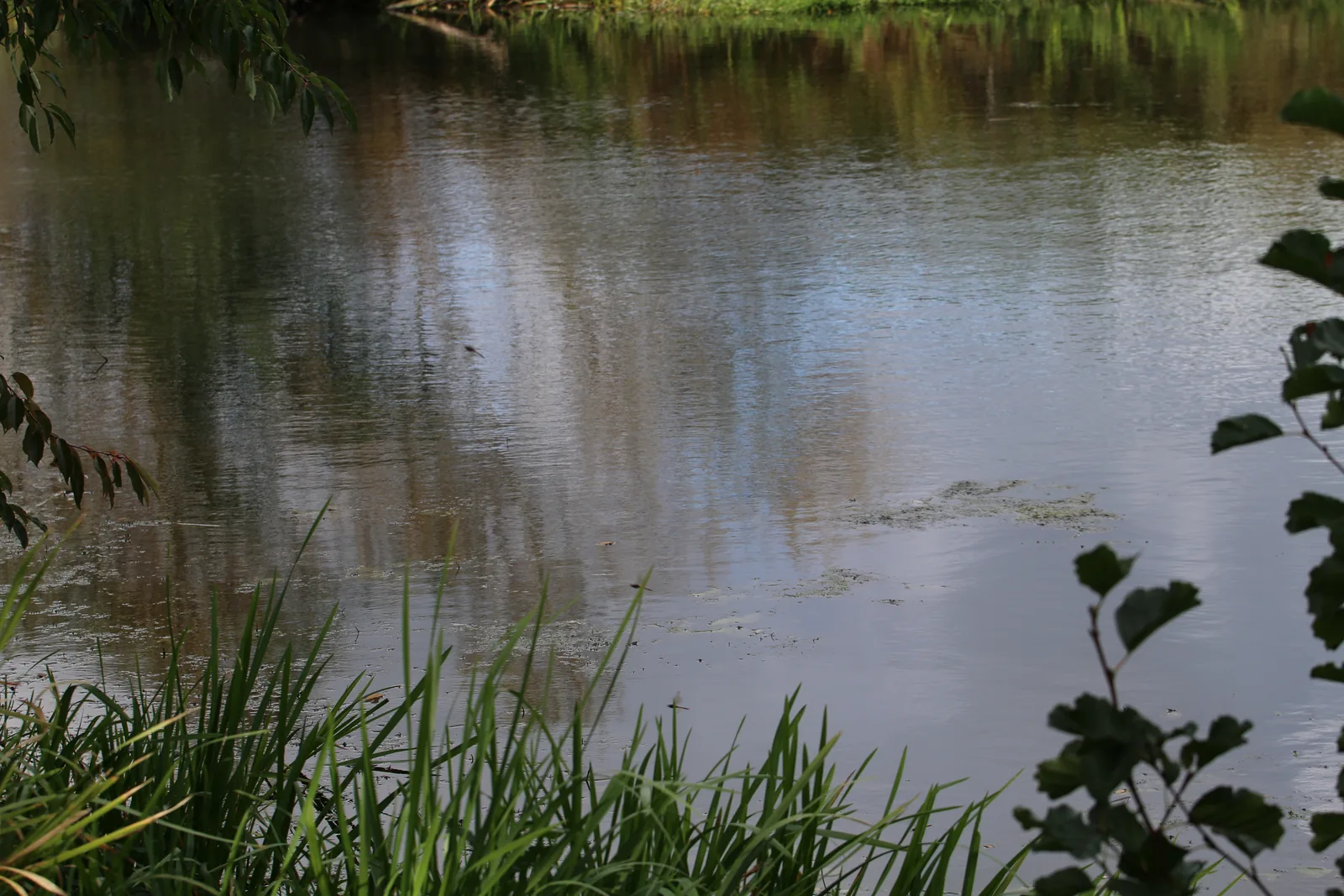
In cold water carp bite more quietly. The bite indicator then often only bleeps a few times, and there are no wild runs. That is down to the sluggishness of the fish, not because they are more cautious.
The strain matters too. In IGB trials, mirror carp were easier to catch in warm water than scaled carp, and in cold water it was the other way round. In the researchers‘ view, scaled carp cope better with low temperatures. Where both swim, I therefore expect more of a scaled carp in late autumn.
Long nights and state law
It gets dark early in November, and a session quickly runs into the night. Whether you may fish at night is governed by state law, the fishing permit (Erlaubnisschein) and the water rules. How this can change with the season is shown by Saarland: its Landesfischereiordnung of 5 February 2020 prohibits fishing at night in § 10. Until the end of October night means 23:00 to 05:00, from 1 November 19:00 to 07:00. On enclosed waters the ban only applies from five hectares, and the Fischereiverband Saar can allow exceptions.
Gently back into the cold water
How carp cope with a spell on land was tested by the IGB at water temperatures of 12 and 22 °C: ten minutes in the air straight after the catch and again after hours in the carp sack. The temperature did not add to the strain, and in the wild none of the fish died in the two months afterwards. The researchers advise taking photos straight after the catch rather than after time in the sack. The study says nothing about single-digit water temperatures.
Whether you may or must put a carp back is governed by your federal state (Bundesland).
Frequently asked questions
At what water temperature do carp become sluggish?
There is no fixed limit. Pond farmers feed less below 20 °C, but at the water carp still feed especially heavily around 13 °C. Below 8 °C they take little, and around 6 °C they largely rest.
How much should I feed in autumn?
I start with half a kilo per rod at most and only top up after bites. Below 8 °C I stay under that. The upper limit is set by the water rules (Gewässerordnung).
Is carp fishing in November still worthwhile?
The catch calendar lists November as possible. Bites become rarer, and the spot counts for more in cold water than in summer.
Related
- Carp: features and way of life in profile
- Carp fishing: baited spot, rig and tackle step by step
- Carp angling: self-hooking rig, feeding rules and plumbing the depth from the bank
- Plumbing lead: finding depth and drop-off from the bank
- Night fishing: spot, light and the rules of the federal states
- Releasing fish: what your federal state requires
- Fishing spots in autumn: windward bank, drop-off and unfamiliar waters
- More bites from the bank: what to adjust, from swim to hook
Sources
- LfULG Sachsen: Klimawandel und Teichwirtschaft (Vortrag) (Temperaturoptimum, Stoffwechselrate)
- LfULG Sachsen: Möglichkeiten der Futtereinsparung bei der Karpfenproduktion (Füttern unter 20 °C, Futterplan)
- Spektrum, Lexikon der Biologie: RGT-Regel (Faktor 2 bis 3 je 10 Grad, nur als Näherung)
- Bezirksamt Charlottenburg-Wilmersdorf von Berlin: Fische im Winter (Lebensvorgänge bei 0 bis 4 Grad)
- Leibniz-Institut für Gewässerökologie und Binnenfischerei: Praxis: Was frisst der Karpfen?, Hakvermeidung von Schuppen- und Spiegelkarpfen, Consequences of air exposure (Futtermenge, Zuchtformen, Landgang)
- Saarland: Landesfischereiordnung (LFO) vom 5. Februar 2020, Landesrecht Saarland (§ 10, Nachtzeit)
- Blinker: Karpfen bei Frost, Karpfenangeln im Herbst, Karpfen im Oktober, Mythen zum Karpfenangeln im Winter (Tiefe, Wind, Futtermengen, Beißzeiten, Temperaturmessung)
Text AI-assisted, drawing AI-generated, photos: Iwan Belokurov. Sources opened and checked in October 2026; no graphic was taken from the sources.
All figures are guidelines without guarantee. Depths and feed amounts vary from water to water; night fishing, feeding and putting fish back are governed by state law and the water rules.