
At a glance
- 1 · Pond
- first the shallow bank edge with the last of the weed, then the dead wood
- 2 · Open lake
- in wind, first the shore the waves run into; if nothing bites there, the sheltered side
- 3 · Side arm
- first the mouth, then wood and thin reeds
- 4 · Jetty and harbour
- shade under the planks, lure just past piles and walls
- 5 · Weir
- first clarify the rules and safety, then the eddy at the edge
- 6 · Drop-off
- in late autumn the transition into deeper water
On a pond the bank edge counts
On a small pond I start at the bank, not in the middle. In October there is still weed standing in the shallows down to about three metres. Even big pike find cover there, and it is no longer as warm for them as in high summer. I fan out my casts: the first short and close along the bank, each further one a little farther out.
As long as water lilies and weed beds are still standing, every single cast counts. So I cast as accurately as possible: right up to the lilies or straight into small gaps in the weed.
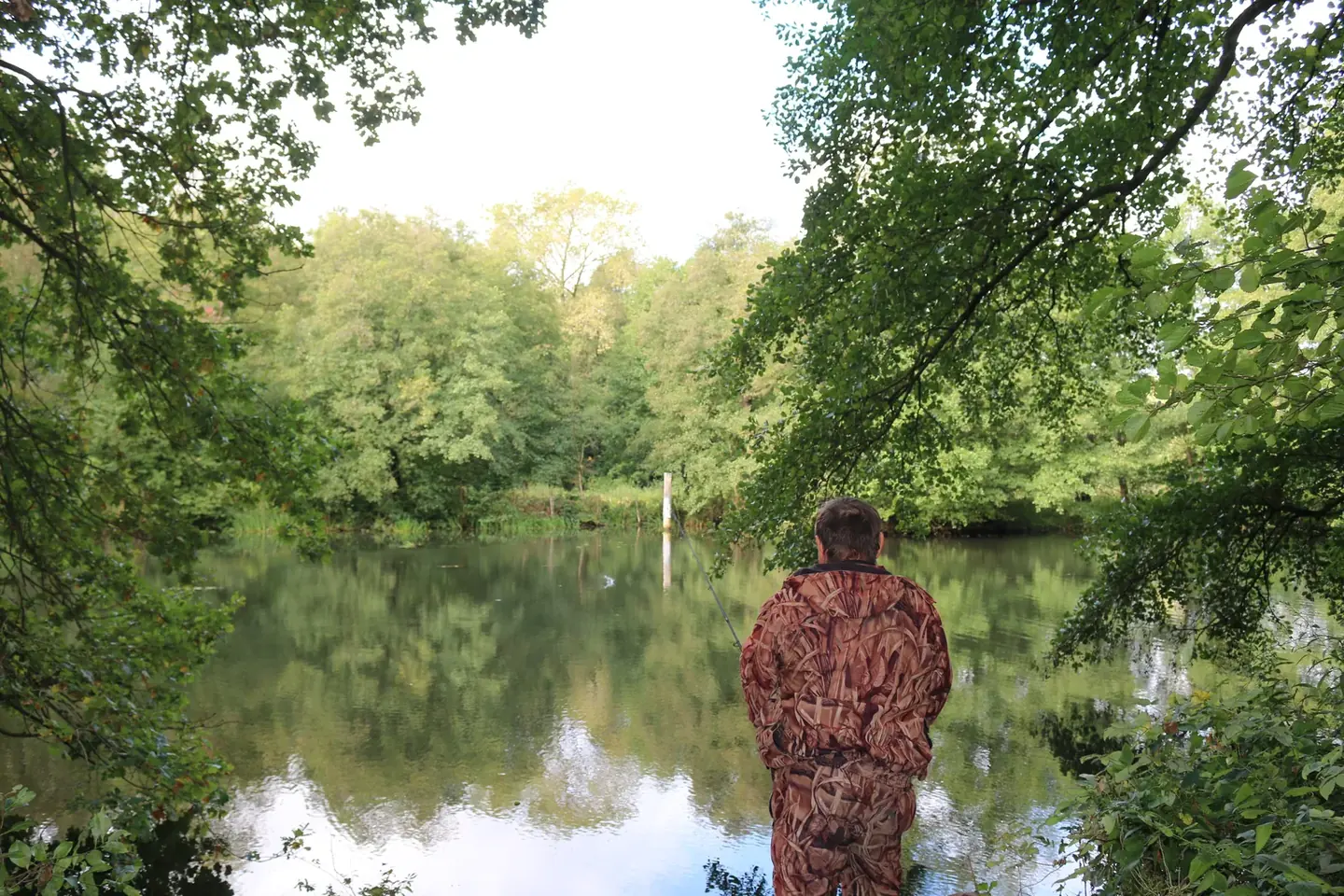
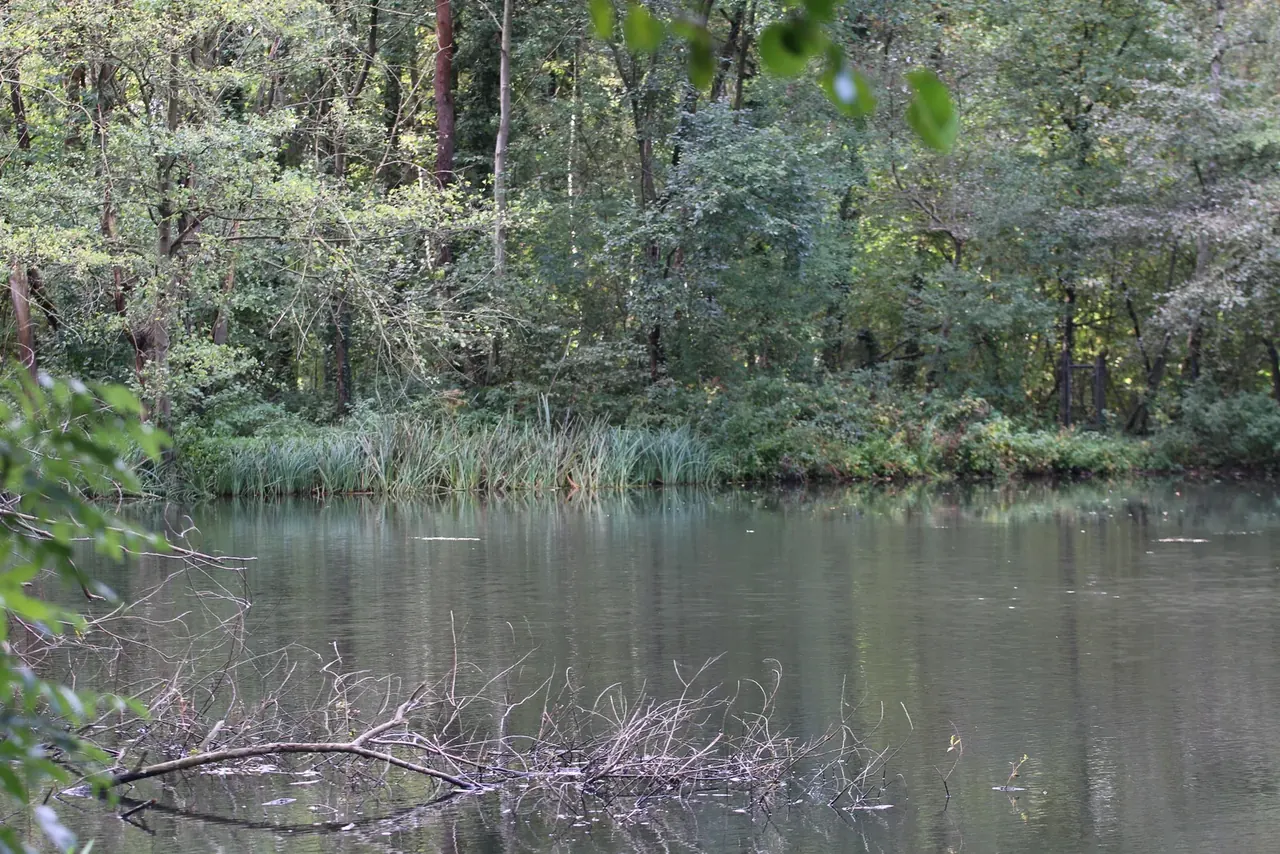
If there is wood in the water, it is next, and the more often the further the weed has collapsed. A fallen tree stays where it is when the green has long gone. Even so, I do not stay long at a small pond: a few casts at each spot, then I move on.
Which side I choose in wind
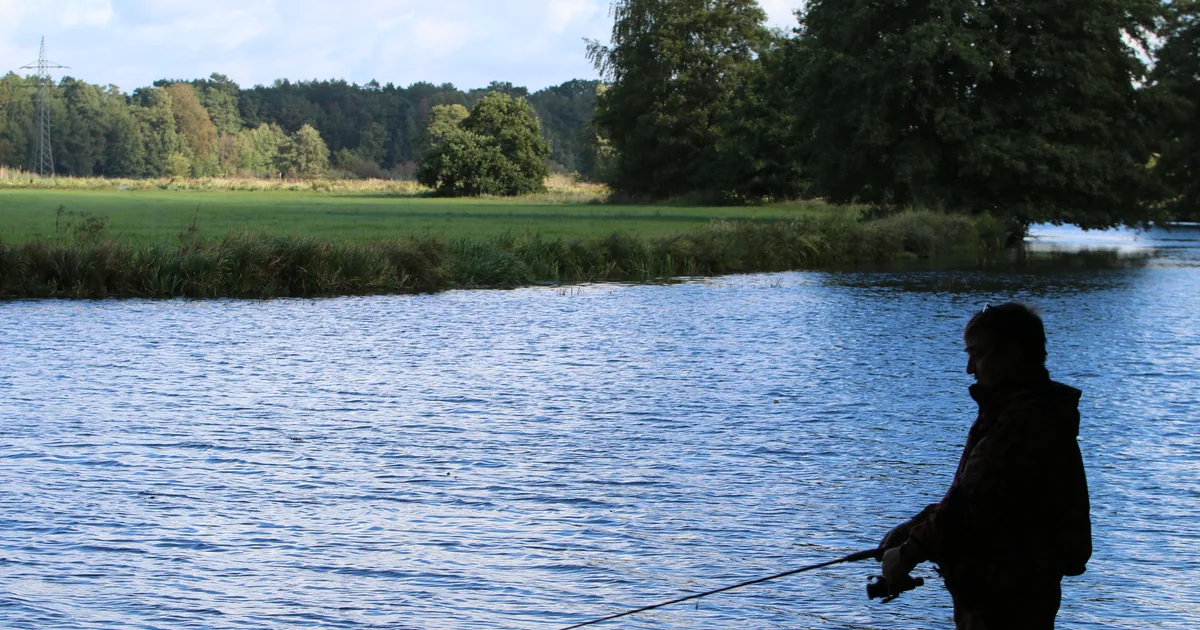
On a larger lake in wind I look for the side where the waves break. There the water washes out insects and their larvae. Small perch and silverfish live on them, and the predators follow. So in autumn wind is no reason for me to stay at home.
The windward shore is not a law, though, and it does not stay the same all day. Often the wind drops towards evening, and where waves were running at noon the water then lies mirror-flat. The windward shore loses its advantage. If the bites stay away at the open, windy spots, I move to more sheltered areas.

I start side arms at the mouth
On a river in autumn the predators follow the coarse fish to where the water is calmer and deeper: outside bends, connected gravel pits, harbours and oxbows. I hardly look for pike in the current itself. At a side arm I am interested first in the mouth. There a pike can intercept any fish that wants to go from the river into the calm water.
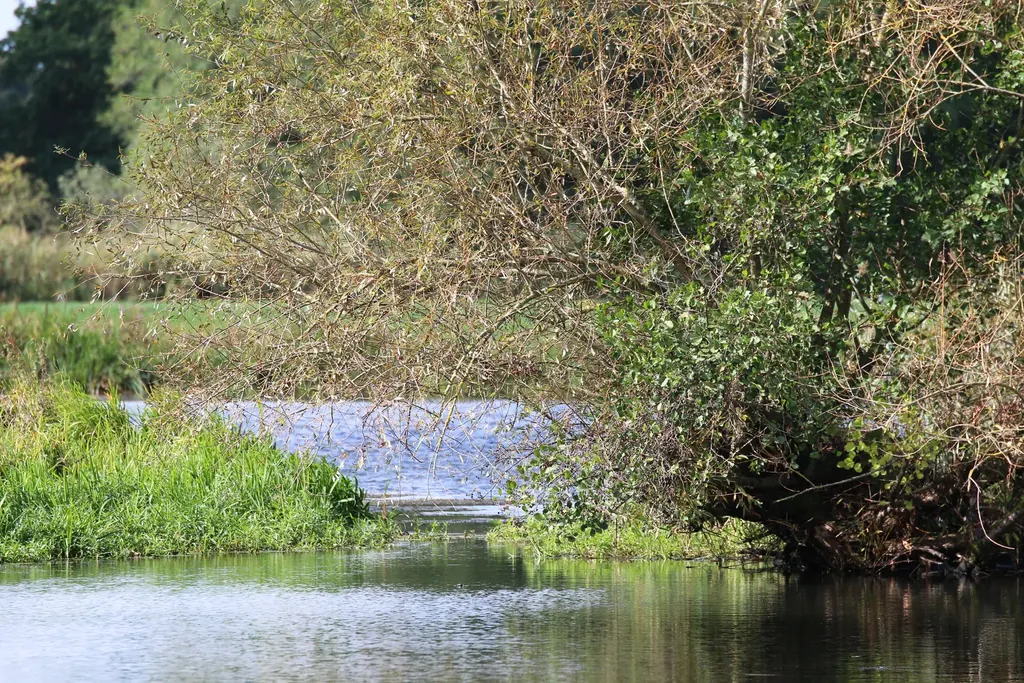
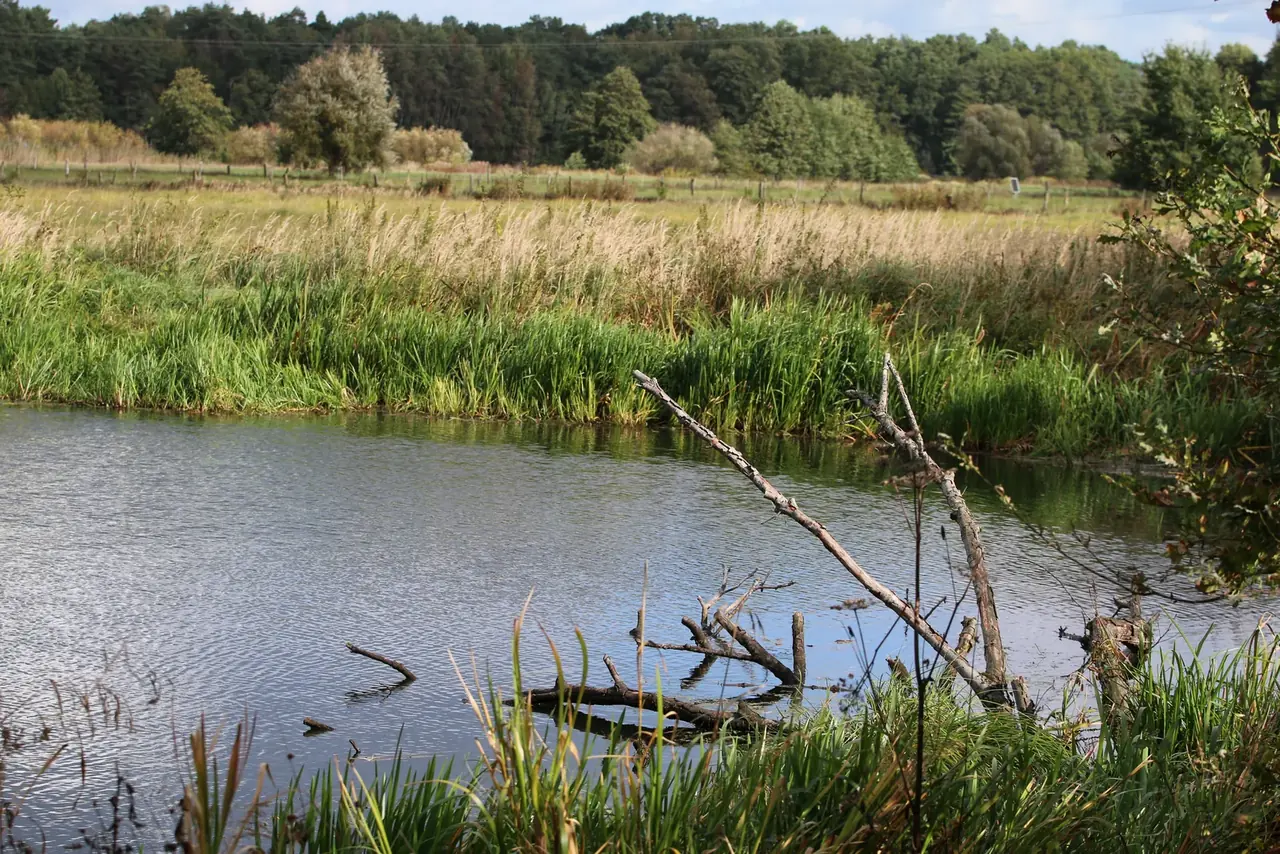
Further in, I take on the wood and the reed edge. I do not cast straight into the branches, as a lure is quickly lost there. The first cast goes to the outside of the wood, the next close along the reed edge, and only then do I move closer. Where the stems do not stand too dense, a cast into the middle of the reeds is also worth it. Wherever pike occur, a pike hooklength goes in front of every lure.
Jetties and small harbours
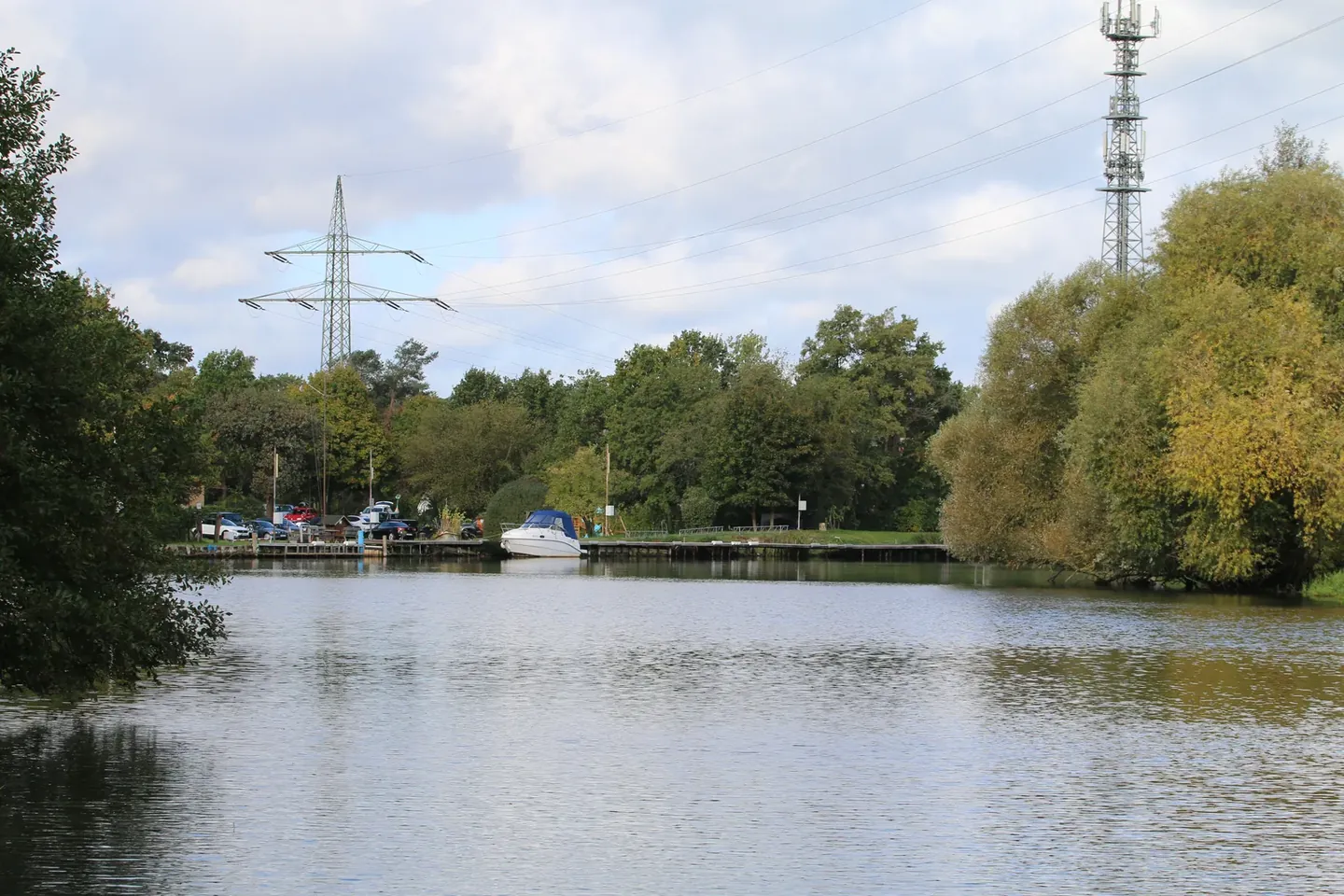
From October I take a closer look at jetties and small harbours. The water is calm, the jetties cast shade, and baitfish are almost always there. For perch such places stay good until spring.
In daytime perch like to sit right under the planks in the shade. So I bring the lure as close as possible past the piles and the jetty edge, not somewhere in front of it. In the harbour I also cast at sheet-piling walls: perch drive small fish against the wall there, where their prey has no way to escape. Whether I may fish from a jetty or in a harbour is stated in the fishing permit (Erlaubnisschein) or at the facility.
Weirs only with clear rules
At a weir I do not simply start casting. What applies at a lock, weir and fish pass is regulated by state law, the authority and the fishing permit. Beforehand I read the water rules and look at the signs on site. Where the rules are written down and what the signs mean, I have put together in the guide Fishing at locks and weirs.
If fishing below is allowed, I am less interested in the foaming water right at the weir than in the edge of the basin below. In the eddies along the bank the bottom is usually scoured out a little deeper, the current only weak to moderate, and pike and zander like to hold there. I let a soft plastic on a jig head hop over the bottom there in small jumps.
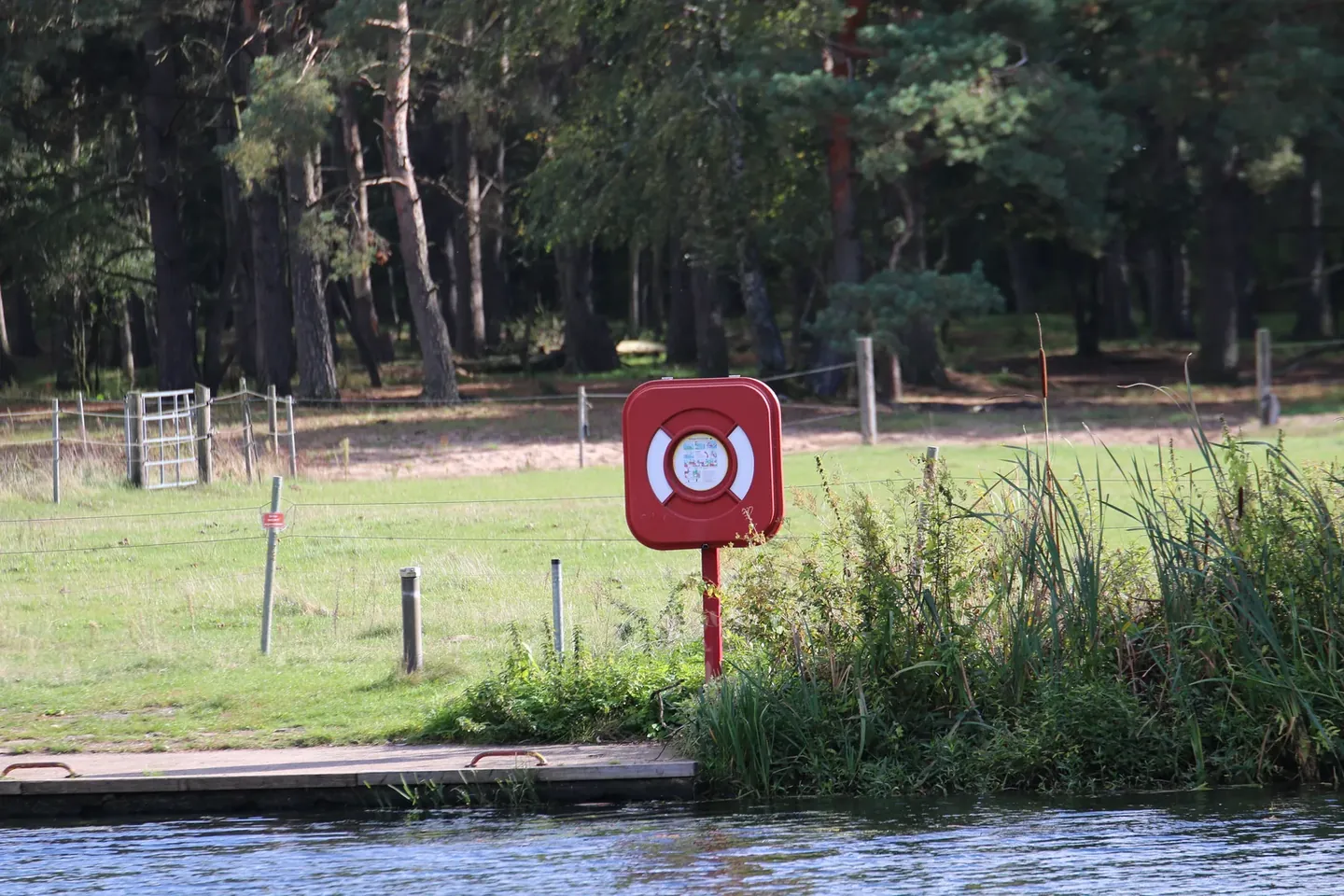
At weirs and vertical bank walls I keep my distance from the edge and, on arriving, check where I would find a ladder or a lifebuoy in an emergency.
To the edge in late autumn
The colder it gets, the less happens in the shallows. The fish pull back into somewhat deeper water and often take up position at structure, above all at the edge where the shallows break off into the deep. In gravel-pit lakes, whose bottom otherwise offers little variety, the pike usually sit at the bank edges anyway. In November they do not yet sit very deep, but with the lure I have to go further out and deeper than in October. How I fish the edge for pike is in the guide Pike in autumn.
How I find the spots on an unfamiliar water
On a water I do not know, I start with what you can see from the bank: reeds, water lilies, wood in the water, jetties and walls. Beforehand I look at the water map of the club or association. It says where fishing is allowed, including at weirs and other structures.
After that I watch the waterbirds. Great crested grebes live on fish and do not dive especially deep. Where they hunt, small fish are not far off, and bigger fish often sit nearby too.
I feel out the depth with the lure: cast a soft plastic, let it sink to the bottom and count the seconds. If from one cast to the next it suddenly takes clearly longer, the drop-off lies in between.
My order in autumn
- In October first shallow at weed and bank edge, and as accurately as possible into the gaps.
- The colder it gets, the more time at the wood, and in late autumn at the drop-off.
- In wind first to the shore the waves run into, and if nothing bites there, to the sheltered side.
- On a river the calm places: mouths of side arms, outside bends, harbours.
- Jetties and harbours until spring, lure just past piles and walls, where fishing is allowed.
- At weirs, rules and safety come before the first cast.
Frequently asked questions
Which spot do I cast at first in autumn?
In October the shallow bank edge with the last of the weed. In wind, add the shore the waves run into, and on a river the mouth of calm side arms.
Is wind good for fishing in autumn?
Often yes. On the shore the waves run into, food is washed free, small fish gather there and the predators follow them. It is not a fixed rule: if nothing bites there, I try the sheltered side.
How do I find the drop-off without a fish finder?
With the soft plastic: after every cast I let it sink to the bottom and count. If it takes noticeably longer than on the previous cast, I have cast over the drop-off.
Related
- Pike: way of life and holding spots, profiled
- European perch: features and way of life, profiled
- Fishing for pike: from the season to ticking it off in nine steps
- Fishing for perch: holding spots, lures and tackle step by step
- Fishing for zander: when, where and with what, step by step
- Pike in autumn: holding spots, lures, weather and time of day
- Perch in autumn: where the shoals move
- Fishing at locks and weirs: rules, signs and dangers
Sources
- Blinker: Hechtangeln im Herbst, Tipps vom Experten (Flachwasser und Kraut im Oktober, lichtes Schilf, Kanten im Spätherbst, Haubentaucher)
- Maday u. a., Projekt BAGGERSEE: Seasonal and diurnal patterns of littoral microhabitat use by fish in gravel pit lakes (Hydrobiologia 2023) (Totholz, wenn die Pflanzen verschwinden)
- Fisch & Fang: Stachelritter-Spots (Raubfische im Fluss im Herbst, Windufer)
- Blinker: Hechtangeln im Fluss, die besten Stellen (Strömung, Eingang zum Altarm)
- Fisch & Fang: Zielfisch Barsch, wo schwimmen sie denn (Häfen und Stege, Köder knapp an den Objekten, Spundwände)
- Fisch & Fang: Verdien dir deine Streifen (Barsche tagsüber im Schatten der Stege)
- Blinker: Angeln am Wehr, Strömungs-Räuber erfolgreich befischen (Kehrströmungen, Gewässerkarte)
- Deutscher Angelfischerverband: Der Hecht, Fisch des Jahres 2016 (Broschüre) (Metallvorfach, Angeldruck)
- Fischereiforschungsstelle Baden-Württemberg, Lucas u. a.: Effects of behavioral strategies on catchability, bait selectivity, and hunting behavior in northern pike (2023) (nicht zu lange an einer Stelle)
Text AI-assisted, drawing AI-generated, photos: Iwan Belokurov. Sources opened and checked in October 2026; no graphic was taken from the sources.
All information is a guide only and given without guarantee. Where fish sit varies with the water and the year. Whether and where you may fish is regulated by state law and your fishing permit.