
Knowledge – Fish
Pike fishing
To fish for pike means to find cover, offer a big bait and work it like a wounded prey fish. Here is the way there in nine steps, each with a link to the detailed page.
 Choose another fish117 fish with guides
 EelOff-peak season
 EelpoutPossible
 IdePossible
 ArapaimaGood
 GraylingPeak season
 Atlantic salmonSpawning time, please spare
 Brown troutSpawning time, please spare
 Brook troutSpawning time, please spare
 BarbelOff-peak season
 BarramundiSpawning season
 Greater amberjackGood
 Topmouth gudgeonOnly as bycatch
 Blue marlinSpawning season
 BonefishSpawning season
 BonitoGood
 BreamOff-peak season
 Dusky grouperOnly as bycatch
 CobiaPossible
 Spiny dogfishOnly as bycatch
 CodPeak season
 ChubPeak season
 MinnowOnly as bycatch
 European sturgeonOnly as bycatch
 FlounderPeak season
 PerchPeak season
 Largemouth bassGood
 Ballan wrasseOnly as bycatch
 Yellowfin tunaSpawning season
 Giant trevallyGood
 Prussian carpPossible
 BrillPossible
 Gilthead breamSpawning time, please spare
 Golden doradoSpawning season
 Golden mahseerOnly as bycatch
 Dolphinfish (mahi-mahi)Good
 Grass carpPossible
 Great barracudaGood
 GudgeonPossible
 White breamPossible
 DaceOff-peak season
- PikePeak season
 HalibutOff-peak season
 HerringPossible
 GarfishOut of season
 Huchen (Danube salmon)Possible
 Crucian carpOnly as bycatch
 CarpOff-peak season
 RuffeOff-peak season
 VendaceOnly as bycatch
 DabPeak season
 GurnardPossible
 Coley (saithe)Peak season
 Chinook salmonHardly any chance
 King mackerelSpawning season
 LingPeak season
 TuskOff-peak season
 MackerelPossible
 Bighead carpOut of season
 WhitefishPossible
 Conger eelOff-peak season
 Sea troutSpawning time, please spare
 Grey mulletPossible
 Murray codSpawning season
 MuskellungeGood
 Common nasePossible
 Nile perchPossible
 PayaraPossible
 Peacock bassPeak season
 PermitGood
 WeeverOnly as bycatch
 PollackOff-peak season
 BurbotOff-peak season
 AspPossible
 Red snapperSpawning season
 Rainbow troutPeak season
 RoosterfishGood
 RoachPeak season
 RedfishOut of season
 Bluefin tunaOnly as bycatch
 RuddPossible
 Russian sturgeonOnly as bycatch
 HaddockOff-peak season
 SnakeheadPossible
 TenchOff-peak season
 SpirlinOnly as bycatch
 PlaiceOff-peak season
 Greenland halibutOnly as bycatch
 Round gobyOnly as bycatch
 SwordfishGood
 Lake troutSpawning time, please spare
 HakeSpawning time, please spare
 Alpine charSpawning time, please spare
 MonkfishPossible
 SoleOff-peak season
 SailfishGood
 Silver carpOut of season
 SnookPeak season
 PumpkinseedOnly as bycatch
 SpratOnly as bycatch
 Atlantic wolffishSpawning time, please spare
 TurbotPeak season
 SterletOnly as bycatch
 SmeltOnly as bycatch
 Horse mackerelPossible
 TaimenGood
 TarponGood
 TigerfishSpawning season
 BleakPossible
 WahooGood
 Wels catfishOff-peak season
 WhitingPeak season
 Sea bassOff-peak season
 ZanderPeak season
 White-eye breamOnly as bycatch
 Blue breamOnly as bycatch
 Brown bullheadPossible
 VimbaOnly as bycatch
Season in October according to the catch calendar, an estimate and not a guarantee of a catch. The fish pictures are reduced natural-history plates and AI-generated.
Best time
From October to December, especially in the morning and evening.
In January: GoodIn February: Possible, spawning seasonIn March: Possible, spawning seasonIn April: Possible, spawning seasonIn May: Possible, spawning seasonIn June: GoodIn July: PossibleIn August: PossibleIn September: GoodIn October: Main seasonIn November: Main seasonIn December: Main season
Good spot
- Lake: reed edge, weed bed and sunken treereed edge, weed bed and sunken treereed edge, weed bed and sunken treereed edge, weed bed and sunken tree
- River: quiet bay and undercut bankquiet bay and undercut bankquiet bay and undercut bankquiet bay and undercut bank
Starter tackle
- Rod: around 2,70 m, casting weight about 20–60 g; for very large soft plastics 80–100 g
- Line: braid, 0,12–0,18 mm, in a clearly visible colour
- Hook: jig head with a matching single hook; for missed bites an extra treble hook size 6–8 in the rear third
- Rod: strong bait-fishing rod that can cast a hand-length baitfish far
- Line: monofilament, 0,30–0,35 mm
- Hook: two treble hooks size 6–8
- Rod: rather stiff rod with enough casting weight for lead and baitfish
- Line: monofilament, about 0,40 mm; braid can freeze to the rings in frost
- Hook: two treble hooks size 6–8 or a single hook
In short
In short: The best time for pike is October to December, especially in the morning and evening. Good spots on a lake: reed edge, weed bed and sunken tree; on a river: quiet bay and undercut bank. Proven baits: lures for spinning or a deadbait.
Quick to recognise
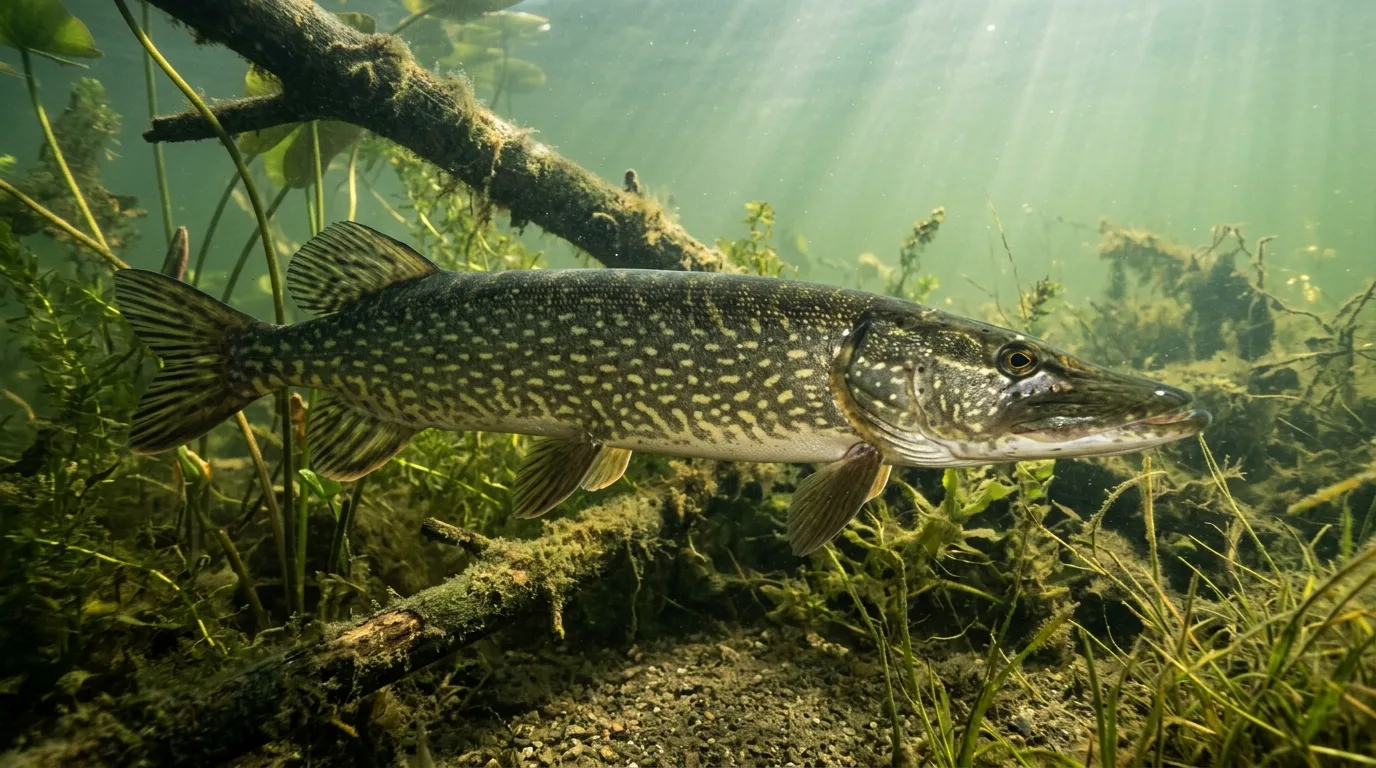
A long, slim predator with a flat duckbill mouth that waits motionless in cover and strikes from close range. Most catches measure between 50 and 80 centimetres.
When
The best months are October to December; January, June and September are good too. In high summer the appetite drops. Depending on the state, pike are protected from 1 January (Berlin), 1 February or 15 February, and the protection ends between the end of March and the end of May (as of October 2026). The values for your state are below under “Rules”.
- JanGood
- FebPossible, spawning season
- MarPossible, spawning season
- AprPossible, spawning season
- MayPossible, spawning season
- JunGood
- JulPossible
- AugPossible
- SepGood
- OctPeak season
- NovMain season
- DecMain season
Peak seasonGoodPossibleHardly any chanceSpawning season
Spring tactics
Whether you may fish for pike during the spawning season is set by your federal state (Bundesland). Afterwards the fish feed heavily; on dull days with a little wind they often sit in shallow water and take soft plastics and crankbaits.
Summer tactics
In warm water the pike bites mostly early in the morning and late in the afternoon; use smaller baits then. From June large pike often sit in open water over 2 to 5 metres of depth; in dense water lilies a rubber frog in the gaps is worth trying. Keep the fight short, because warmth stresses caught fish more.
Autumn tactics
Now is the main season: big soft plastics and deadbaits catch at weed edges that are slowly collapsing. Cool water and a strong wind are good pike weather.
Winter tactics
In cold water pike move deeper and move less. Offer the deadbait on the bottom in deep spots, or work lures very slowly and close above the bottom.
Is it biting today?
In January: Off-peakIn February: Spawning season, please spare themIn March: Spawning season, please spare themIn April: Spawning season, please spare themIn May: Spawning season, please spare themIn June: Off-peakIn July: PossibleIn August: PossibleIn September: Off-peakIn October: Main seasonIn November: Main seasonIn December: Main season
Today’s catch index needs JavaScript. Season and spawning time are in the catch calendar.
From the blog: Fishing in November: which fish bite now and where I look for them · Fishing spots in autumn: where I cast the spinning rod first · Pike follows right to the bank: what to change before your next cast
Where it is now
In the lake
Look for transitions: edges of reeds and weed, sunken trees, jetties and places where the bottom suddenly rises or drops. In dense thickets you catch less than along lighter edges.
How to proceed: Work from the shore outwards: first reed and weed edges, gaps in water-lily beds and trees in the water, then edges to deep water. In large, clear lakes some big pike hunt in open water, which you reach best from a boat.
| All year round | reed edge, weed bed, sunken tree, jetty, underwater hump |
|---|---|
| Summer extra | Open water |
In the river
In a river pike stand where it is calm: in bays with plants and at bank spots with wood in the water. They prefer slow-flowing stretches to fast ones.
How to proceed: Look for calm stretches: bays, mouths of small streams and inflows where prey fish gather. In the current you need much more lead for static fishing, and when spinning you cast at an angle upstream.
| All year round | quiet bay, undercut bank |
|---|
Biting time: mainly in the morning and in the evening. What that looks like at the water is shown by the picture of the holding spots just below.
Waters with rules for pike
Holding spots in the picture
Choose the season and time of day: the picture shows where the species stands then. Spots outlined in red apply only in the chosen season. Tap a fish or a spot in the list to bring it closer. The picture is schematic and AI-generated, every water is different.
Catch chance in springpossibleSpawning season, observe closed seasons
Catch chances in summerpossible
Catch chance in autumnPeak season
Catch chance in wintergood
- J
- F
- M
- A
- M
- J
- J
- A
- S
- O
- N
- D
Spawning season
Active time The chance of a catch is highest at dusk and dawn.
Not a prime time The chance of a catch is highest at dusk and dawn.
Active time The chance of a catch is highest at dusk and dawn.
Not a prime time The chance of a catch is highest at dusk and dawn.
In the lake
reed edge
Pike are found here all year round.
Water lilies and weed bed
Pike are found here all year round.
jetty, sheet piling, harbour
Pike are found here all year round.
Sunken tree
Pike are found here all year round.
Open water
Pike are found here only in summer.
plateau, underwater hump
Pike are found here all year round.
The pike lurks as a loner in cover: at reed edges, among water lilies and water plants, at sunken trees, under jetties and wherever rises or hollows break up the bottom. In some lakes large pike move out into open water.
Spring: catch chance according to the catch calendar possible. This is when the spawning season falls, so observe the closed seasons (Schonzeit). From the end of spawning until mid-June the pike feeds most.
Summer: catch chance according to the catch calendar good in June, possible in July and August. In high summer the hunger fades. From June many large pike leave the cover along the bank and move into open water, mostly at 2 to 5 metres‘ depth. Baits are then offered in mid-water.
Autumn: catch chance according to the catch calendar good in September, main season in October and November. Hunger rises again, with a second peak in October. Baits now run just above the bottom.
Winter: catch chance according to the catch calendar main season in December, good in January, possible in February. The colder the water, the more sluggish the pike.
In the river
Undercut bank, overhanging branches, timber
Pike are found here all year round.
Calm bay with aquatic plants
Pike are found here all year round.
In a river the pike keeps to the bank zones of slow-flowing stretches: quiet bays with water plants and sunken wood at the bank.
Spring: catch chance according to the catch calendar possible. This is when the spawning season falls, observe closed seasons.
Summer: catch chance according to the catch calendar good in June, possible in July and August.
Autumn: catch chance according to the catch calendar good in September, main season in October and November.
Winter: catch chance according to the catch calendar main season in December, good in January, possible in February.
Size comparison: AI-generated drawing, schematic.
How
With a spinning rod you cover many spots in a short time. If you prefer to wait, offer a baitfish under a float or on the bottom with a lead.
Easiest way
To start, a spinning rod of about 2,70 metres, a reel of size 3000 to 4000 and a soft plastic of about 15 centimetres on a jig head are enough. In front goes a steel leader of at least 40 centimetres. Cast it at light weed edges and gaps in the reeds that you can reach from the bank.
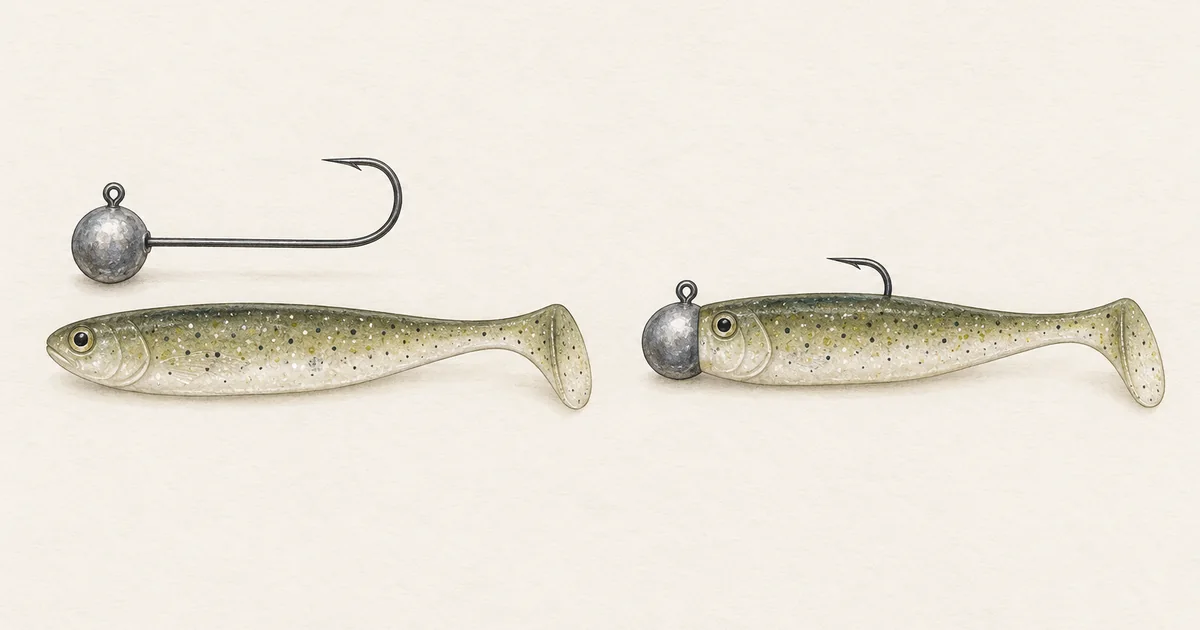
Soft plastic shad on a jig head
The most mobile way of searching for pike: you check many edges in a short time and are especially successful from autumn to winter.
- Choosing edges
Start at transitions with loose growth, at water-lily edges and inflows. From early summer it is also worth trying the open water over 2 to 5 metres‘ depth from a boat.
- Leader and head
Fit a soft plastic of 14 to 25 centimetres to a soft steel leader. The hook point should emerge roughly in the middle of the back; the bait sits straight.
- Cast in a fan
Cast across the spot in a fan, first parallel to the edge, then further out. Let the bait sink on a tight line until the line goes slack.
- Lift and drop
Lift the bait with two turns of the handle or a twitch and let it fall back for two to three seconds. In water below 10 degrees you work it more slowly but add short sprints.
- Jerk or stop
A bite comes as a hard knock or a line that suddenly goes slack on the drop. Then strike at once, short and firm.
- Play it quickly
Keep the fish under tension with the rod bent and bring it in without long pauses. Just before the bank the pike often shakes its head once more; give a little line through the drag then.
- Net it head first
Guide the played-out pike head first into a landing net with rubberised mesh and unhook it in the water if possible.
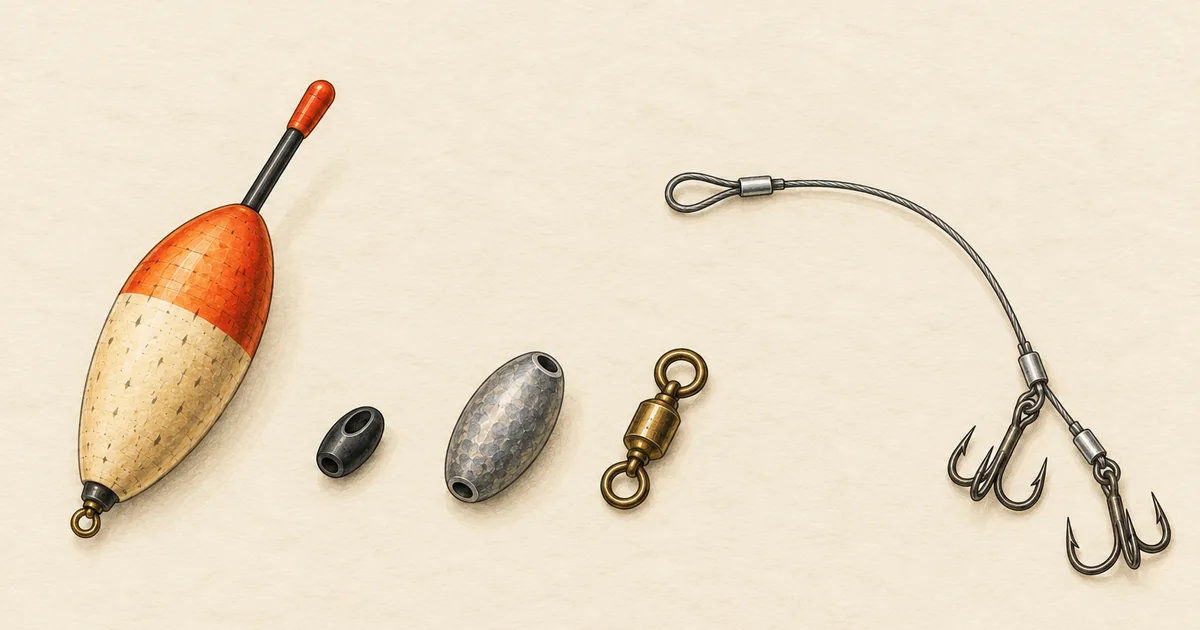
Baitfish under a float
Quiet static fishing with a deadbait, good in little wind at reed and weed edges and on heavily fished waters.
- Pick a quiet edge
Pick a reed edge, a dying weed bed or a drop-off. Splashing small fish often show where a pike is hunting.
- Set the depth
Plumb the spot and set the stopper so that the baitfish hangs in mid-water or just above the bottom.
- Two treble hooks
Attach a rig with two treble hooks to the steel leader and put only one point into each flank. That way the bait holds when you cast and you can strike at once.
- Cast gently
Swing the baitfish out smoothly so that it does not tear off or turn over. Lay the rod down with the free spool open, the tip pointing at the float.
- Strike at once
If the float bobs and then moves off, close the free spool, take up the slack line and strike at once. Waiting long lets the pike swallow the bait deep.
- Short and firm
Play the fish in quickly with a firm drag. The shorter the fight, the sooner a pike you have to return recovers.
- Landing net and pliers
Net it, unhook it with long forceps and, if possible, leave it in the water while you do so.
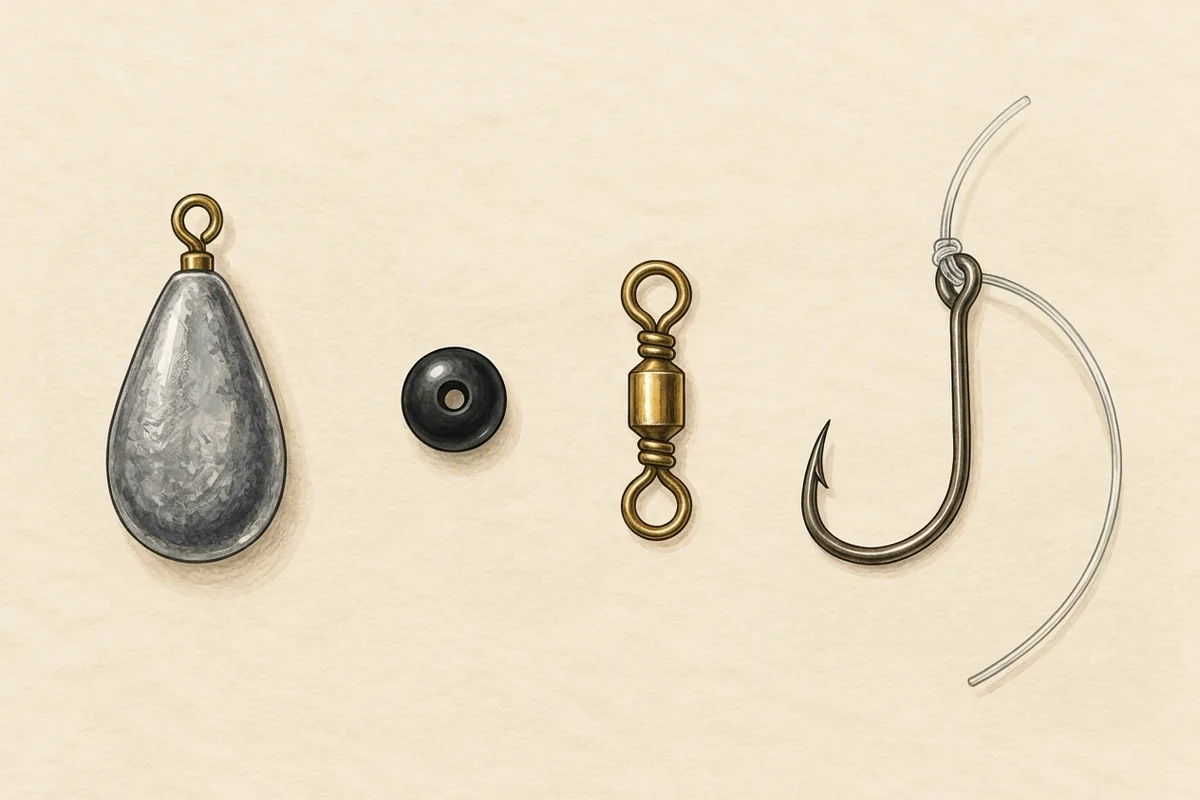
Deadbait on the bottom
The winter method: in cold water the pike takes food from the bottom, so the bait lies in deep, quiet spots.
- Deep quiet zones
Place the baits in quiet, deep areas with hiding places, staggered above and below a drop-off. In winter pike often sit where water lilies grew in summer.
- Running lead and swivel
Thread a running lead onto the main line, behind it a bead as a buffer and a swivel with the steel leader. A little buoyancy in the baitfish makes it hover just above the bottom.
- Choose the bait
Take coarse fish from the water or sea fish such as herring or sardine. In winter the oily sea fish catch better than in summer.
- Lay down and clip
Cast out, tension the line lightly and clip it under a rubber band on the rod with the bail arm open. That way the pike can take line without feeling resistance.
- Line running out
If the line moves off slowly, close the bail arm, make contact and strike. Do not wait for minutes, or the hooks will sit deep.
- Away from the obstacle
Pull the fish away from branches and edges straight after the strike and bring it in without pauses.
- Big landing net
Lay out a large landing net, unhooking mat and forceps beforehand. On steep banks a long net handle helps.
What with
Soft plastics, twisters and crankbaits are a good start, plus the deadbait for static fishing. In cold water the baits may be big and work slowly, in summer rather smaller. Every bait needs a bite-proof leader in front.
- Soft plastic (shad)all year round, especially autumn and winter
In a comparison on a lake in Brandenburg soft plastics caught more pike over time than a metal spoon, and large models are less often lodged deep in the throat.
- Baitfishautumn and winter, on heavily fished lakes
In pond trials summarised by the DAFV, heavily fished pike learned to avoid lures; with the deadbait this effect did not occur.
- Rubber frogsummer, over water lilies and weed
It runs over plants with its hooks lying flat, where any other bait would snag, and so reaches pike in the gaps.
Tackle
A strong spinning rod that also casts heavy baits cleanly, plus a leader of steel or titanium. The pages on the pike rod and spinning rod help with length and casting weight.
Soft plastic shad on a jig head
- Rod
- around 2,70 m, casting weight about 20–60 g; for very large soft plastics 80–100 g
- Reel
- fixed-spool reel size 3000–4000
- Line
- braided, 0,12–0,18 mm, in a clearly visible colour
- Leader
- soft steel or titanium leader, at least 40 cm, breaking strength about 8–10 kg
- Hooks
- jig head with a matching single hook; for missed bites an extra treble hook size 6–8 in the rear third
- Weight, float, lead
- soft plastic 14–25 cm; jig head just light enough for the bait to still reach the bottom reliably
Baitfish under a float
- Rod
- strong bait-fishing rod that can cast a hand-length baitfish far
- Reel
- baitrunner reel
- Line
- monofilament, 0,30–0,35 mm
- Leader
- steel, at least 50 cm, breaking strength about 8–15 kg
- Hooks
- two treble hooks size 6–8
- Weight, float, lead
- deadbait about a hand long
Deadbait on the bottom
- Rod
- rather stiff rod with enough casting weight for lead and baitfish
- Reel
- baitrunner reel or fixed-spool reel with the bail arm open
- Line
- monofilament, about 0,40 mm; braid can freeze to the rings in frost
- Leader
- steel, 70–90 cm
- Hooks
- two treble hooks size 6–8 or a single hook
- Weight, float, lead
- running lead or pear lead; in a flowing river 100–200 g
Common mistakes
- Leader too short: A pike can roll up during the fight, and then the main line ends up against teeth and gills. Use at least 40 centimetres of steel when spinning and at least 50 with a baitfish.
- Waiting too long with a baitfish: The old rule of waiting a long time before the strike leads to deeply swallowed hooks. With two treble hooks in the rig you strike at once and usually hit the front of the mouth.
- Changing bait constantly: Every change costs fishing time. Choose the bait to suit the season and the prey in the water and stay with it for an hour or two unless there is a clear reason not to.
- Searching only along the bank in summer: From June large pike often sit further out over 2 to 5 metres of depth. From a boat you troll or drift there with high-backed crankbaits or large spinners.
- Landing with a fish grip or bare hand: A grip on the jaw can injure the pike as it turns, and a failed hand landing costs time and fish. Use a large landing net with rubberised mesh.
Rules
Each federal state (Bundesland) sets its own closed season (Schonzeit) and minimum size (Mindestmaß). Choose your state; the values come from our state pages.
Baden-Württemberg
- Minimum size
- 50 cm
- Closed season
- 15.2.–15.5.
- Note
- in the Main 1.2.–30.4.
As of October 2026. All rules, exceptions and sources: Fishing in Baden-Württemberg.
Bavaria
- Minimum size
- 50 cm
- Closed season
- 15.2.–30.4.
As of October 2026. All rules, exceptions and sources: Fishing in Bavaria.
Berlin
- Minimum size
- 45 cm
- Closed season
- 1.1.–30.4.
- Note
- closed season applies to hand-held rods
Correct as of October 2026. All rules, exceptions and sources: Fishing in Berlin.
Brandenburg
- Minimum size
- 45 cm
- Closed season
- 1.2.–31.3.
- Note
- closed season applies to hand-held rods
As of October 2026. All rules, exceptions and sources: Fishing in Brandenburg.
Bremen
- Minimum size
- 60 cm
- Closed season
- 1.2.–15.5.
As of October 2026. All rules, exceptions and sources: Fishing in Bremen.
Hamburg
- Minimum size
- 45 cm
- Closed season
- 1.2.–31.5.
- Catch limit
- 2 per day
- Note
- harvest slot 45–75 cm
As of October 2026. All rules, exceptions and sources: Fishing in Hamburg.
Hesse
- Minimum size
- 50 cm
- Closed season
- 1.2.–15.4.
- Note
- harvest slot 50–90 cm
As of October 2026. All rules, exceptions and sources: Fishing in Hesse.
Mecklenburg-Western Pomerania
- Minimum size
- 45 cm
- Closed season
- none
- Note
- Inland: the closed season (Schonzeit) is usually set by the rights holder. Coast: 60 cm, over 90 cm goes back, closed season 1.3.–30.4., 1 per day
As of October 2026. All rules, exceptions and sources: Fishing in Mecklenburg-Western Pomerania.
Lower Saxony
- Minimum size
- 40 cm
- Closed season
- 1.2.–15.4.
- Note
- Coast: 45 cm
As of October 2026. All rules, exceptions and sources: Fishing in Lower Saxony.
North Rhine-Westphalia
- Minimum size
- 45 cm
- Closed season
- 15.2.–30.4.
As of October 2026. All rules, exceptions and sources: Fishing in North Rhine-Westphalia.
Rhineland-Palatinate
- Minimum size
- 50 cm
- Closed season
- 1.2.–31.5.
- Note
- border stretch of the Moselle 1.1.–14.6., 1 per day
As of October 2026. All rules, exceptions and sources: Fishing in Rhineland-Palatinate.
Saarland
- Minimum size
- 50 cm
- Closed season
- 15.2.–31.5.
- Note
- border stretch of the Moselle 1.1.–14.6., 1 per day
As of October 2026. All rules, exceptions and sources: Fishing in Saarland.
Saxony
- Minimum size
- 50 cm
- Closed season
- 1.2.–30.4.
Correct as of October 2026. All rules, exceptions and sources: Fishing in Saxony.
Saxony-Anhalt
- Minimum size
- 50 cm
- Closed season
- 15.2.–30.4.
- Note
- LAV waters: together with other species a maximum of 3 fish per day
As of October 2026. All rules, exceptions and sources: Fishing in Saxony-Anhalt.
Schleswig-Holstein
- Minimum size
- 45 cm
- Closed season
- 15.2.–15.4.
- Note
- coastal waters: closed season until 30.4.
As of October 2026. All rules, exceptions and sources: Fishing in Schleswig-Holstein.
Thuringia
- Minimum size
- 50 cm
- Closed season
- 15.2.–30.4.
As of October 2026. All rules, exceptions and sources: Fishing in Thuringia.
The regulation and your fishing permit (Erlaubnisschein) are what count. Lake Constance, the Rhine and the coast, for example, have their own rules: Fishing waters in Germany.
After the catch
Playing and landing
Strike short and firm and play the pike in quickly; a long fight exhausts it badly. Net it head first in a rubberised mesh; for the gill grip you take only a played-out fish, with four fingers between the gill cover and the first gill arch, never between the arches. If the hook sits deep, cut the leader short instead of tearing the hook out. You may keep only a pike of legal size, which you stun and kill at once; protected or undersized fish you unhook in the water and return.
A landing net with coated mesh spares the fish, and forceps help with unhooking. If you put it back, keep it in the water as far as possible. If you take it, you stun and kill it at once.
Frequently asked questions
How long should a steel leader for pike be?
When spinning at least 40 centimetres, preferably longer, with about 8 to 10 kilos breaking strength. For static fishing with a baitfish you take at least 50 centimetres. Titanium resists kinks but fatigues unnoticed and should be replaced after a few days‘ fishing.
Which line for pike fishing?
For soft plastics a braided line of 0,12 to 0,18 millimetres. For static fishing with a float a monofilament of 0,30 to 0,35 millimetres, in winter on the bottom rather about 0,40 millimetres.
When to strike for pike on a baitfish?
With a rig of two treble hooks at once, as soon as the float goes under or the line runs out. Anyone who waits long risks a deeply swallowed hook that injures the fish badly.
What bait size for pike?
Soft plastics of 14 to 25 centimetres are usual. In studies baits over 15 centimetres caught larger pike on average, and fewer of them had the hook deep in the throat.
How long should you play a pike?
As briefly as possible. Measurements show that a pike is completely exhausted after only about a minute’s fight. A quick fight and unhooking in the water spare fish that have to go back.
Similar species
Anyone who catches pike can fish for these species with similar tackle:
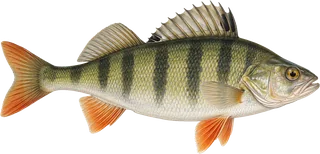 Perch fishingMain season
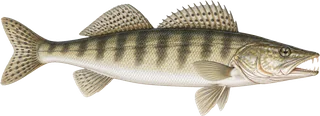 Zander fishingPeak season
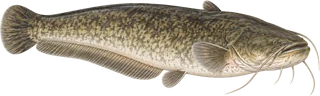 Wels catfish fishingSecondary season
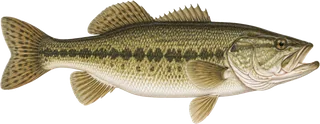 Fishing for largemouth bassGood
Sources
As of October 2026. The practical knowledge comes from 11 sources, summarised in our own words.
See all 11 sources
- Einflussfaktoren auf die anglerische Fangbarkeit von Hechten; Effekte des Zurücksetzens (Broschüre Fisch des Jahres 2016: Der Hecht) · Deutscher Angelfischerverband (DAFV), Beiträge von IGB und Humboldt-Universität zu Berlin
- Wie fange ich einen Hecht? Wichtige Tipps für Einsteiger · BLINKER (Redaktion, V. Oczadly)
- Hechtangeln: Diese 10 Fehler solltest Du vermeiden · BLINKER (Redaktion, M. Wehrle)
- Pro-Tipp: Das richtige Stahlvorfach für Hecht und Co · BLINKER (Redaktion)
- Angeln mit Gummifisch: Anleitung für den maximalen Fangerfolg · BLINKER (Redaktion, H. Aderkaß)
- Deadbaiting: 7 heiße Tipps zum Grundangeln auf Winter-Hechte · BLINKER (Redaktion)
- Hechtangeln mit Köderfisch: Natürlich fängig · BLINKER (Redaktion)
- Zielfisch Hecht: Ansitzen auf Hecht · FISCH & FANG (Redaktion)
- Zielfisch Hecht: Gib Gummi · FISCH & FANG (Redaktion, J. Haese)
- Hecht landen: Risikofrei und ohne Verletzungen zum Fisch · BLINKER (Redaktion)
- Handlandung · BLINKER (Redaktion)
Text AI-assisted, based on the sources named and these pages: Pike (profile), Spin fishing, Pike rod, Catch calendar.