
Knowledge · Lures
Crankbait
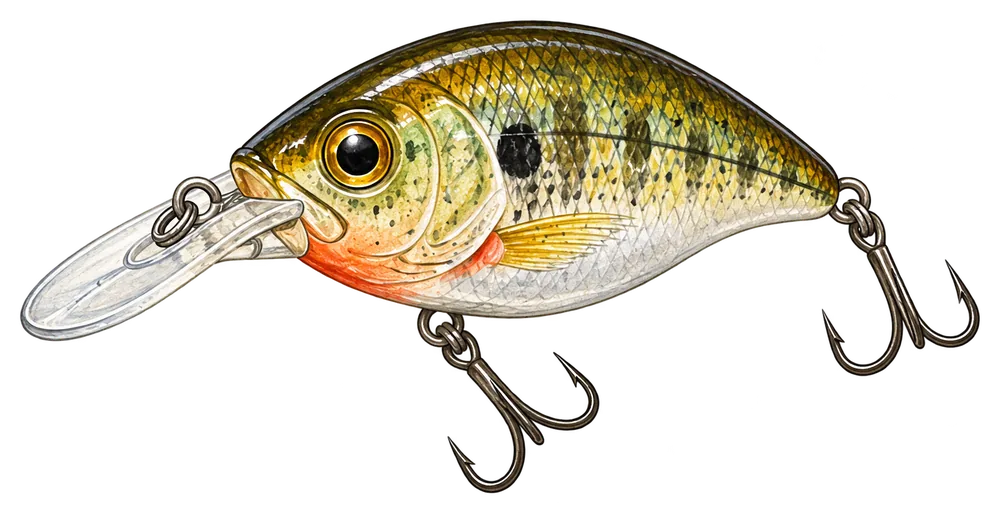
Hardbaits · Spinning
A crankbait is a stocky plug with a large diving lip. You wind it in steadily, it dives by itself and wobbles hard from side to side. This lets you search for perch, zander and pike at a fixed depth without having to work the rod.
- Water depth
- Mid-water, depending on the diving bill
- Retrieve
- Active: retrieve steadily, even briskly
- Fishing method
- Spinning
- Category
- Hardbaits
How a crankbait works
The name comes from the English word for turning a handle. A crankbait needs no rod strokes: the diving lip at the head sets itself at an angle in the water, pushes the lure down and makes it swing quickly from side to side. The body is stocky, often almost round, and displaces a lot of water. According to practitioners‘ experience, perch decide whether to attack before they even see the lure. Sounds and pressure waves then count for more than colour.
How deep the lure runs depends on the size and angle of the lip and on the buoyancy of the body. A large, flat-set lip takes it down quickly; a small, steep one keeps it near the surface. Most crankbaits float and rise as soon as you stop winding. There are also suspending models that stay at their depth, and sinking ones. Rattle balls in the body make noise: sometimes the rattle triggers the bite, sometimes it puts fish off.
The crankbait is a trigger lure, not an exact copy of a prey fish. It is often worked fast to provoke reaction bites: a perch with a vibrating body rushing at it grabs without checking for long. What matters is that the lure runs cleanly even at high speed. If its action collapses with only a little more speed, it is no good for this style of retrieve. Pauses with a stationary lure are hardly possible, on the other hand, because it rises.
How to work the lure
Active: retrieve steadily, even briskly
Schematic illustration, AI-generated.
- Cast
- dives on the retrieve
- keeps running steadily
- Reached the bank
Anatomy
The points on the picture above explain the most important parts – on hover or tap.
- Diving lip: Pushes the lure downwards during the retrieve. Size and angle determine the diving depth: set steeply it runs shallow, set flat it runs deep.
- Eyelet: The snap hangs here. Without a swivel the lure swings more freely.
- Bulbous body: Stocky, with plenty of buoyancy; it displaces a lot of water. Some models carry rattle balls.
- Belly treble: Takes bites from below and is the first to snag on wood and stones when the lure touches the bottom.
- Tail treble: For fish that follow the lure and grab it from behind.
Rig in three steps
- 1. Tie on the hooklengthFluorocarbon is enough for perch and zander as long as there are no pike. Otherwise a steel or titanium leader belongs in front of the lure; for targeted pike fishing the specialist press names breaking strains from about 9 kilograms.
- 2. Attach the snapA snap without a swivel lets the lure swing freely and makes changing quick.
- 3. Into the lure’s eyeletAttach the snap to the front eyelet, never to the split ring of a treble hook.
Drawings: AI-generated, schematic.
When the target fish are in season
Hardly any chancePossibleGoodPeak seasonValues from the catch calendar.
When and where
Crankbaits pay off when the fish are spread out and you want to check a lot of area in a short time: along weed edges, over plateaus, at rock fills and along the bank edge. Warm water makes perch more active and aggressive. In summer and early autumn they readily follow a briskly worked lure, especially when small fish splash at the surface and perch are hunting.
Feel free to search the obstacles with the crankbait. Deep divers that touch the bottom often provoke bites. If you fish specifically for zander, choose the running depth so that the lure has occasional bottom contact, because zander catches depend heavily on a precisely matched depth. When cranking fast, pike often bite too, even if you are really fishing for perch.
How to choose depth, size and colour
- Tie on the leader For perch and zander, fluorocarbon is enough as long as no pike occur. Otherwise tie on steel or titanium.
- Attach the snap Attach a snap without a swivel to the leader. That way the lure swings freely and you can change it quickly.
- Into the front eyelet The snap goes into the front eyelet, never into the split ring of a treble hook.
Start with the depth of the zone you want to search. The figure on the lure is a guide, because line thickness and speed change the action. Bottom contact shows you whether the lure runs deep enough. Small, steep lips work shallow, large, flat-set ones deep.
On size: even perch of ten centimetres chase artificial lures as long as themselves, as the Deutscher Angelfischerverband notes. If you are after big perch, choose a bigger lure and so screen out small fish. Practitioners also report that fat perch are often slower than small ones, so you can slow down your pace.
For colour there is a rough rule of thumb: subdued natural colours in clear water, conspicuous tones in murky water. It does not always hold. According to practitioners, colour decides only late, after the action, sound and pressure waves have already caught the fish’s attention.
How to work it and make the most of bites
Cast the lure, let it reach depth with a few turns and keep an even pace. If you want variety, pull the lure back with the rod and then let the rod drift forward again. This creates a sawtooth pattern in which the lure alternately rises and dives. In open water, changes of pace and short pauses help too.
Perch suck in the lure rather than biting into it. A rod with a through action or a monofilament line cushions jolts, makes it easier for them to take the lure and cuts the number of missed bites. Do not set the drag too hard. With braid, a smooth line with little friction is worth having, because rough lines quickly lose their colour with all the casting and winding.
The crankbait is also comparatively gentle on the fish. In a study on pike, deep hooking in the gills and throat occurred more often with natural baits, soft plastics and spoons than with spinners and plugs. A wet unhooking mat and a long disgorger help with unhooking. Researchers at the Humboldt-Universität zu Berlin and the IGB advise against catching pike for release at water temperatures above 22 degrees.
Which colour?
Starting points to try, not rules. Depth and speed are usually more important than colour.
Crankbait or another lure?
| Baits and lures | Depth | Retrieve | Take this lure if … |
|---|---|---|---|
| Crankbait | Mid-water, depending on the diving bill | Active: retrieve steadily, even briskly | this page |
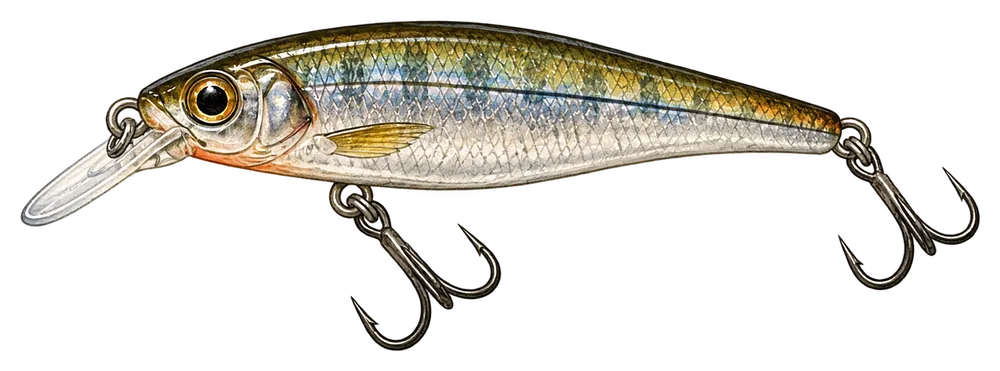 Twitchbait | Near the surface to mid-water | Active: twitch, reel, let it sit | fish follow but do not take, and short pauses make the difference |
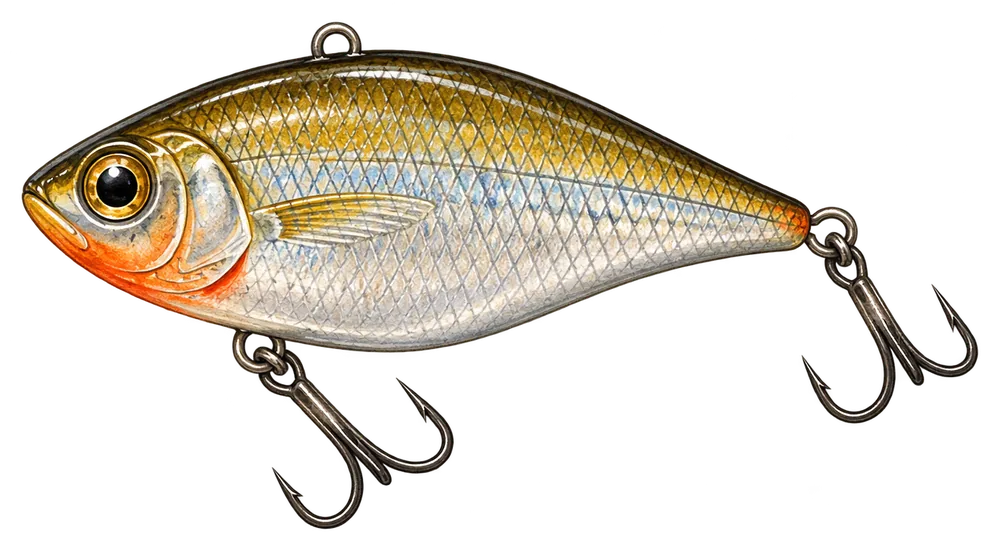 Lipless crankbait | mid-water to bottom | Active: retrieve, tick along the bottom or jig | you want to cast very far and also fish deep |
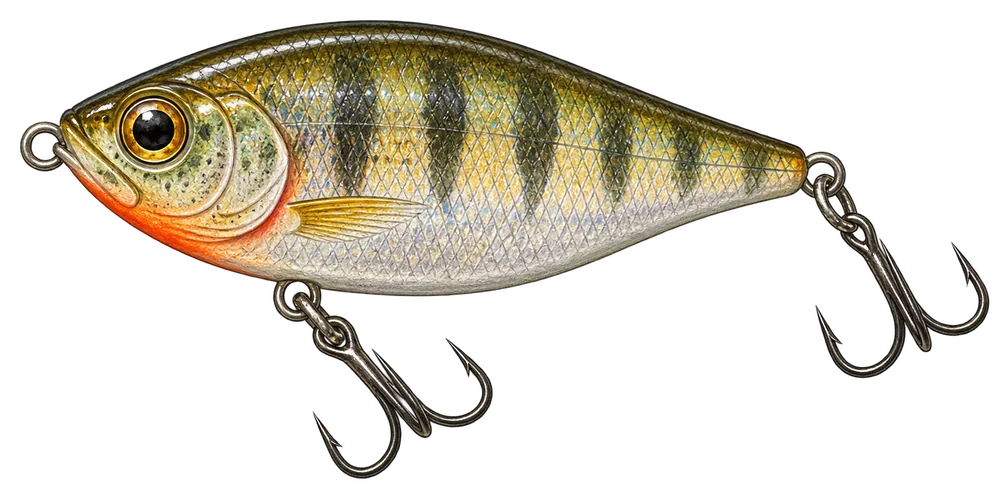 Jerkbait | Near the surface to mid-water | Active: rod strokes, taking up line in between | you want to tempt big pike deliberately with rod strokes |
What you need
- Spinning rodA rod with a through, fairly soft action dampens the vibrations, spares the shoulder and gives perch time to suck the lure in. More on this
- LineMonofilament line stretches and reduces the number of missed bites. Braid works too, but should be smooth and thin. More on this
- Pike leaderReplace steel after a kink, titanium after a few days‘ fishing: it can break without warning. More on this
- Landing net and disgorgerTwo trebles quickly end up in the net or in your hand. A rubber mesh spares the fish, a long disgorger protects your fingers. More on this
More on the method: spin fishing and ultralight fishing.
At a glance
Editorial assessment, not measured values.
If it does not work
Many anglers carefully bend the eyelet in the opposite direction and then check the action in shallow water at the bank.
Take a model with a smaller, steeper-set lip. It runs shallower.
Choose a softer rod or monofilament line and don’t set the drag too tight.
Change the model. For a fast retrieve you need a lure that stays on its track even at speed.
Set the running depth so that the lure keeps brushing the bottom.
As soon as pike are present, steel or titanium belongs in front of the lure. Check the material after every bite.
Frequently asked questions
How deep does a crankbait run?
That depends on the lip, buoyancy, line thickness and speed. The figure on the packaging is a guide; at your spot the first bottom contact shows how deep it really runs.
Crankbait or soft plastic for perch?
Both catch. The crankbait is faster for searching large areas and for active perch in warm water; the soft plastic is better when the fish sit close to the bottom and you have to fish slowly.
Do I need a wire leader?
As soon as pike live in the water, yes. That applies even if you are really fishing for perch. Titanium is a thinner alternative that you should replace regularly.
What is the difference between a crankbait and a twitchbait?
A crankbait is stocky, has a large lip and is simply wound in. A twitchbait is slim and worked with twitches of the rod tip; in the pauses it stays put.
May I fish a crankbait with treble hooks everywhere?
Not everywhere. The number of hooks, treble hooks and barbs are regulated by the state (Bundesland), the water rules (Gewässerordnung) and the fishing permit (Erlaubnisschein). On some waters trebles are banned, so read the fishing permit beforehand.
Before fishing, the current permits, state rules and water rules apply: bait bans, number of hooks, closed seasons, protected species and catch limits can differ. Many federal states expressly ban live baitfish. Take bait remains and packaging away with you. All details are guide values without guarantee and do not replace legal advice.
Sources
- Blinker: Wie angelt man mit Crankbaits auf Barsche?
- Blinker: Was kommt vorneweg? Raubfischvorfächer im Vergleich
- Rute & Rolle: Crankbait, jetzt kommt's dicke
- Rute & Rolle: Barsch-Special, Teil 1: Hardbaits
- Bayerische Landesanstalt für Landwirtschaft: Prüfungsfragen zur Fischerprüfung 2023/2024
- Landesfischereiverband Baden-Württemberg: Gerätekunde, Präsentation 2022
- Carleton University und IGB Berlin: Hooking Mortality in Recreational Angling for Northern Pike
- Humboldt-Universität zu Berlin und IGB: Waidgerechtes Zurücksetzen, Hecht
- Deutscher Angelfischerverband: Der Flussbarsch, Fisch des Jahres 2023
- Blinker: Twitchen auf Dickbarsch, Barschangeln mit Wobbler
- Rute & Rolle: Zanderangeln mit Wobbler
The sources explain terms and basic principles. Retrieve, colour choice and values are editorial starting points and depend on water, weather and lure.
More hardbaits
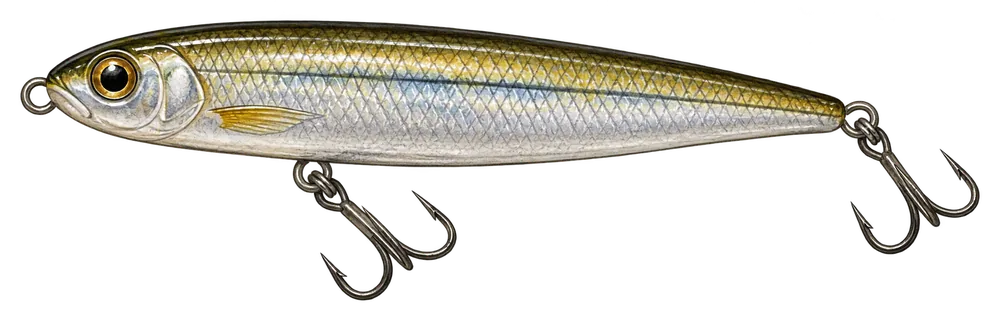 Stickbait
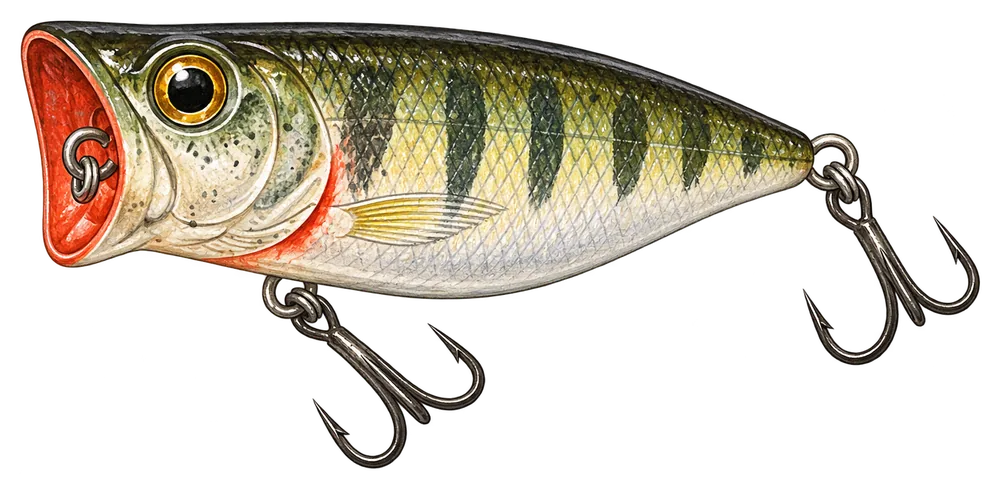 Popper
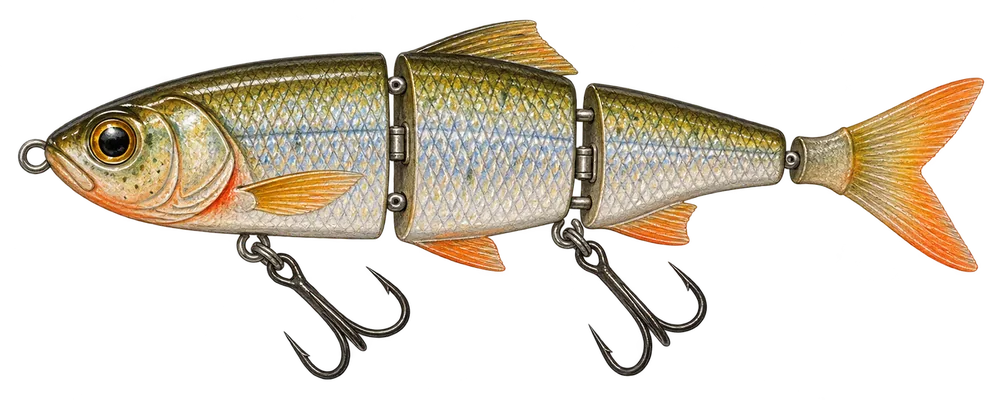 Swimbait
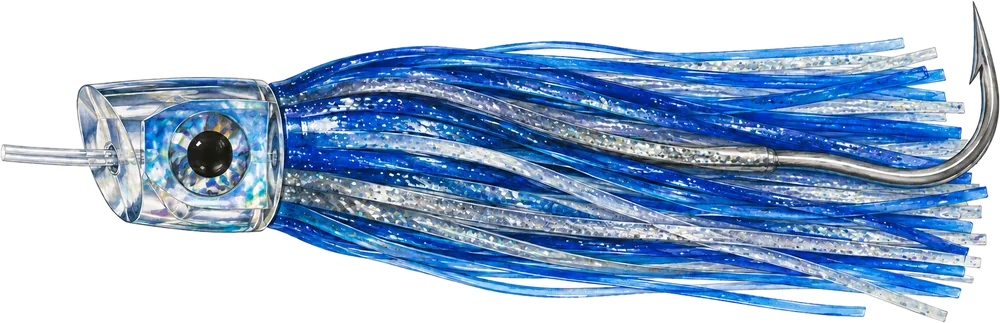 Offshore trolling lures
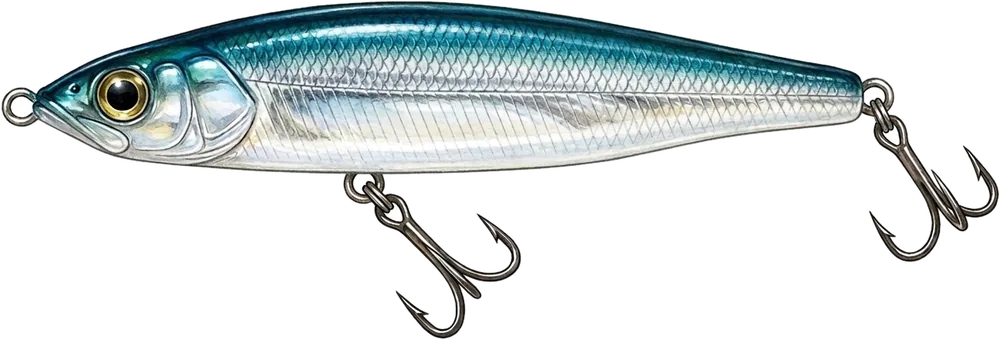 Coastal plug
Created with AI support from the sources listed (AI notice). Last updated: 2 November 2026. Found a mistake? Write to us. Who is behind the site: About me.