
Knowledge · Lures
Swimbait
Hardbaits · Spinning
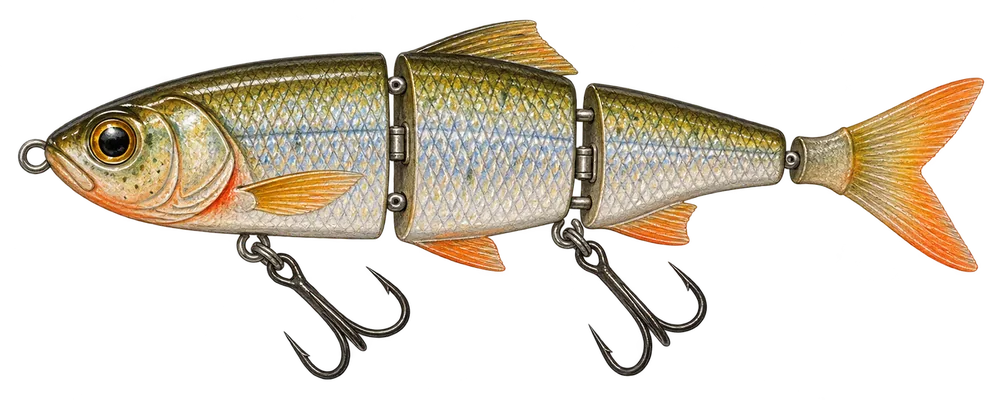
A swimbait is a lifelike lure without a diving lip: its movement comes from body shape, jointing and retrieve alone. Retrieved steadily, it swims in calm snaking lines like a prey fish. It is above all a pike lure for fish that look closely.
- Water depth
- Mid-water
- Retrieve
- Active: retrieve steadily, with changes of pace and short pauses
- Fishing method
- Spinning
- Category
- Hardbaits
How a swimbait works
From the outside, a hard swimbait recalls a crankbait or jerkbait. But it lacks the diving lip, and the body is usually divided into several sections. Its movement follows from shape and retrieve alone. Soft swimbaits resemble soft plastic shads, only without the tail paddle; some carry a lifelike tail fin. There are also hybrids of hard and soft material.
When retrieved steadily, it runs in a snaking pattern that comes close to the swimming of real fish. That matters above all in clear water, where predators spot every detail. The price: without a lip it hardly vibrates, so you do not feel the action in the rod. If you are used to vibrating crankbaits or soft plastic shads, you have to adjust first.
A swimbait usually measures 10 to 20 centimetres, the length of a prey fish for pike; there are smaller ones and ones up to 40 centimetres. Because no lip forces the lure down, its own weight determines how fast it sinks and how deep it runs. Slow-sinking models run about 0,5 to 1 metre below the surface and sometimes push a bow wave, while fast-sinking ones you let drop through; 3 to 4 metres counts as a realistic running depth.
How to work the lure
Active: retrieve steadily, with changes of pace and short pauses
Schematic illustration, AI-generated.
- Cast
- dives on the retrieve
- keeps running steadily
- Reached the bank
Anatomy
The points on the picture above explain the most important parts – on hover or tap.
- Eyelet: Without a diving lip, the eyelet sits right at the nose; this is where you clip in the snap.
- Joint: Connects the body sections and creates the swimming, snake-like movement.
- Second joint: More sections mean a softer, smoother action.
- Tail fin: Gives the movement its final swing and resembles the prey fish.
- Trebles: Matched to the lure; changing to other sizes can alter the action.
Rig in three steps
- 1. Tie on the hooklengthA bite-proof hooklength of steel or thick fluorocarbon; the stiff material stops the lure from flipping over in the cast.
- 2. Attach the snapA sturdy snap allows quick lure changes and leaves the lure free to move.
- 3. Into the lure’s eyeletAttach the snap to the front eyelet, never to the split ring of a treble hook.
Drawings: AI-generated, schematic.
When the target fish are in season
Hardly any chancePossibleGoodPeak seasonValues from the catch calendar.
When and where
Swimbaits shine in clear water, where pike inspect the lure. Good spots are weedy waters and bank zones where pike stand just below the surface. In front of weed beds, you work it calmly along the edge before casting further in: at the edge predators can hunt better, and one practitioner suspects that the bigger pike stand there. Fast-sinking models you take to deeper edges.
On heavily fished waters, experienced pike know many lures. One practitioner relies there on large lures with a natural action and advises against exaggerated movement. Conspicuousness too can do harm in overfished stocks. Also keep an eye on the water temperature: pike react sensitively to warmth, and experts recommend not catching pike for release above 22 degrees.
Hard, soft or mixed: which swimbait for what
Hard, jointed swimbaits run most evenly, soft ones resemble soft plastic shads without a tail paddle, and hybrids combine both materials. A practitioner who fishes specifically for big pike uses only soft plastics from 25 centimetres; crankbaits and jerkbaits had not proved themselves there. His explanation: noises and pressure waves might scare them off. As a rule of thumb he gives that the more naturally the lure runs, the more readily a big pike bites.
Large lures have a further advantage: studies show that large artificial lures reduce the hooking of small pike, and research on gentle release also advises rather larger lures.
How to control depth and bites
The basic retrieve is winding in steadily. With small rod movements or changes of speed you vary the action. If you twitch the lure with short pauses, it darts alternately right and left and stays at roughly its depth during the pause. That makes it look like a dying fish and gives cautious pike time to look it over.
You control depth with sink time, retrieve speed and rod position. A low rod and a slow retrieve keep the lure down, while a fast retrieve and a raised rod make it rise. If weed hangs on the hook, it ran too deep: speed up or change the lure. If it surfaces from four metres after a few turns of the handle, you were too fast. If a pike only follows, change the movement so that it commits.
Keep an unhooking mat and forceps ready and lay the fish down flat, not upright. Actively worked lures reduce deep hooking compared with passive fishing.
How to choose hooklength and hooks
- Bite-proof leader Tie on a bite-proof leader of steel or thick fluorocarbon. The stiff material stops the lure flipping over on the cast.
- Attach the snap A sturdy snap makes changing lures quick and gives the lure freedom of movement.
- Into the eyelet on the nose Hook the snap into the eyelet on the nose, never into the split ring of a treble hook.
Steel is pike-proof if properly made and strong enough, but it kinks easily; check it for damage and replace it straight away if in doubt. Thick fluorocarbon counts as pike-proof from about 80 lbs, hard fluorocarbon from 60 lbs. The stiff material stops a swimbait from flipping over in the cast and tangling in the line.
The treble hooks are matched to the lure. When swapping, choose the same size; the body hides hooks that are too small, and hooks that are too large can disturb the action. One size up can improve the hook-up rate as long as the action stays right. How many hooks and which type are allowed is set by the water rules (Gewässerordnung) and the fishing permit (Erlaubnisschein); artificial lures with single hooks are kinder to fish than those with trebles.
Which colour?
Starting points to try, not rules. Depth and speed are usually more important than colour.
A swimbait or a different lure?
| Baits and lures | Depth | Retrieve | Take this lure if … |
|---|---|---|---|
| Swimbait | Mid-water | Active: retrieve steadily, with changes of pace and short pauses | this page |
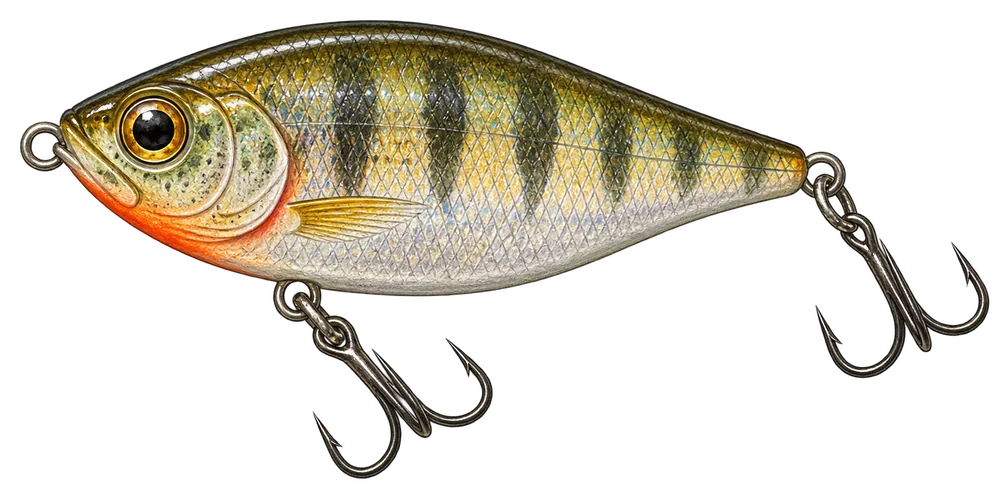 Jerkbait | Near the surface to mid-water | Active: rod strokes, taking up line in between | you want to tempt fish with rod strokes rather than a steady retrieve |
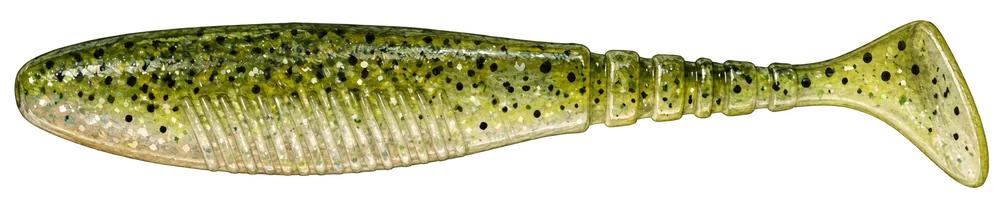 Soft plastic (shad) | Bottom to mid-water | Active: jigging with the rod or lift-and-drop with the reel, bites usually come on the drop | you want to fish deeper and closer to the bottom |
What you need
- Strong spinning rodIt must cast the weight of the lure safely; many anglers use a baitcasting reel with it. More on this
- LineBraided mainline and a bite-proof hooklength of steel or thick fluorocarbon. More on this
- Pike leaderSteel, titanium, hard mono and thick fluorocarbon at a glance: material, strength and limits. More on this
- Unhooking mat and forcepsLand pike gently, hold them flat and release deep hooks safely. More on this
More on the method: Spinning.
At a glance
Editorial assessment, not measured values.
If it does not work
Retrieve more slowly, keep the rod low, or choose a faster-sinking model and let it sink for longer.
The lure is running too deep: speed up or switch to a slower-sinking model.
Swimbaits hardly vibrate. Watch the line and wind steadily; you see the action in the water, not in the rod.
A stiff hooklength stops the bait flipping over in the cast; also slow the bait briefly before it lands.
Choose the same size: hooks that are too small hold badly, and ones that are too large change the action.
Change speed or direction, stop briefly or twitch; that gives the fish a reason to commit.
Frequently asked questions
A swimbait or a soft plastic (shad)?
Soft swimbaits resemble soft plastics (shads) but usually have no paddle tail and swim calmly in an S-shape. The soft plastic vibrates more and is better suited to fishing near the bottom.
How fast should I retrieve?
Rather slowly and steadily; a fast retrieve makes the lure rise. Short rod movements and pauses also make it look like a weakened fish.
What length is right?
For pike, usually 10 to 20 centimetres. Bigger lures tend to catch bigger fish and reduce the hooking of small pike.
Does colour matter?
Studies on pike found no difference between natural and flashy swimbaits. Contrast, action and presentation matter more; pike cannot see blue or UV.
Which trace do I need?
For pike, a bite-proof hooklength: steel if properly made, or thick fluorocarbon. The stiff material also prevents tangles in the cast.
Before fishing, the current permits, state rules and water rules apply: bait bans, number of hooks, closed seasons, protected species and catch limits can differ. Many federal states expressly ban live baitfish. Take bait remains and packaging away with you. All details are guide values without guarantee and do not replace legal advice.
Sources
- Blinker: Swimbaits, die fängigen Hechtköder mit dem eleganten Lauf
- Blinker: Wissenschaftlich untersucht, welche Farben sehen Raubfische
- Blinker: Was kommt vorneweg? Raubfischvorfächer im Vergleich
- Blinker: Drillinge am Kunstköder, die Hakengröße muss stimmen
- Rute & Rolle: Selektiv auf Riesenhechte
- Humboldt-Universität zu Berlin und IGB: Waidgerechtes Zurücksetzen, Hecht
- Carleton University und IGB Berlin: Hooking Mortality in Recreational Angling for Northern Pike
- Fisch & Fang: Zielfisch Hecht, Stahl der Wahl
- Bayerische Landesanstalt für Landwirtschaft: Prüfungsfragen zur Fischerprüfung 2023/2024
The sources explain terms and basic principles. Retrieve, colour choice and values are editorial starting points and depend on water, weather and lure.
More hardbaits
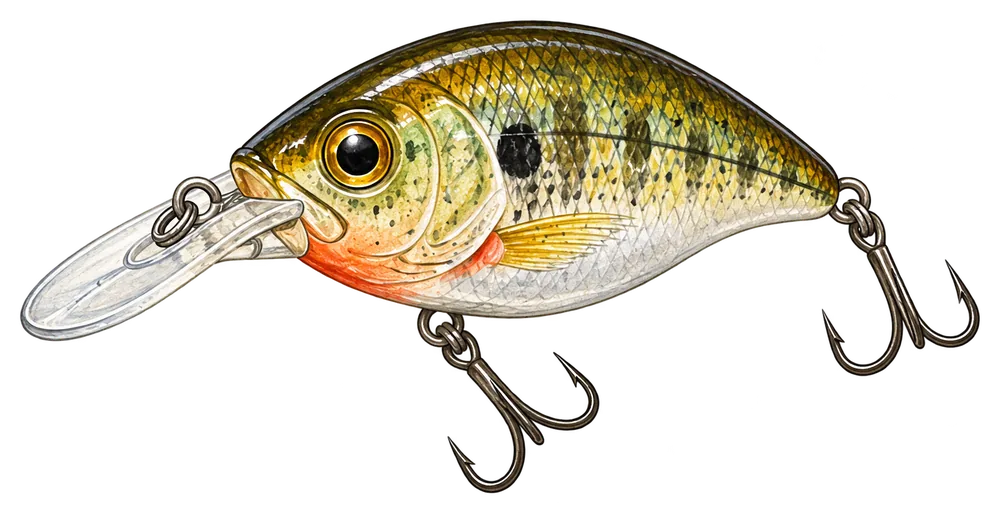 Crankbait
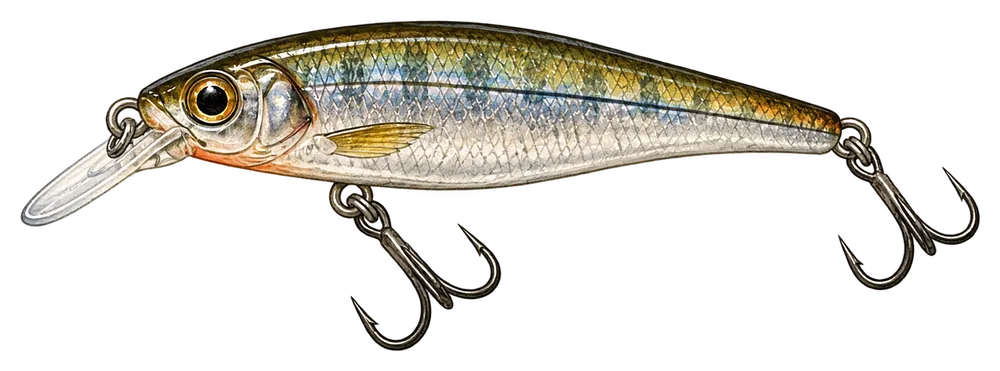 Twitchbait
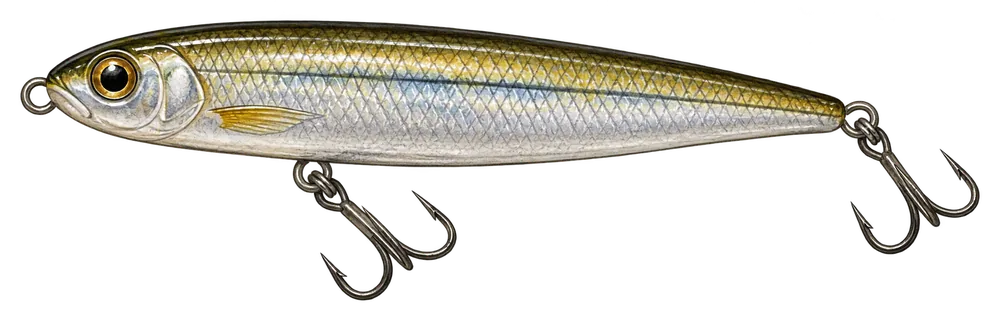 Stickbait
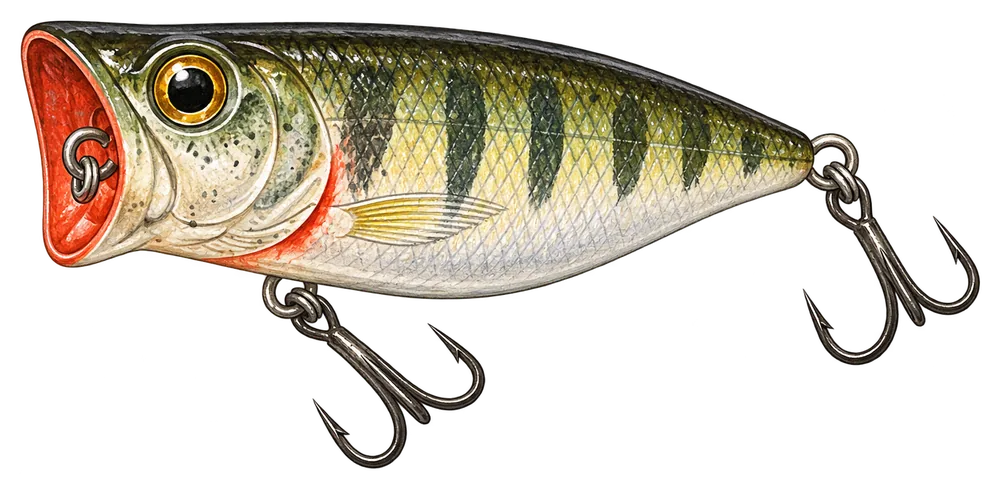 Popper
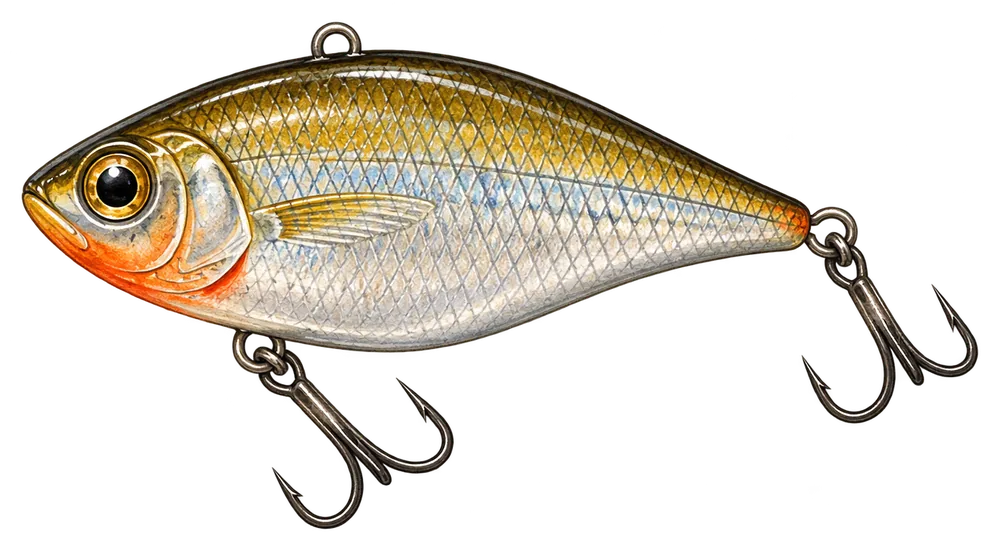 Lipless crankbait
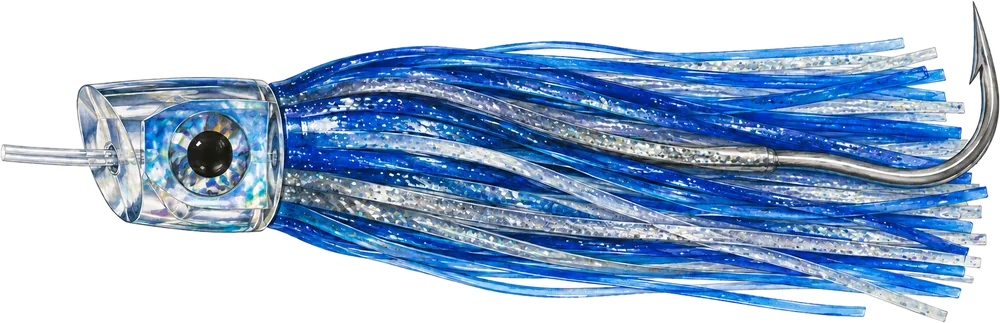 Deep-sea trolling lures
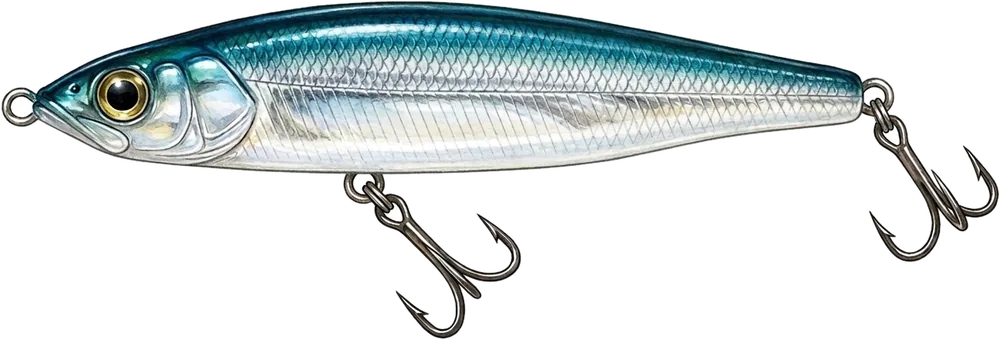 Coastal plugs
Created with AI support from the sources listed (AI notice). Last updated: 31 October 2026. Found a mistake? Write to us. Who is behind the site: About me.