
Knowledge – Fish
Permit fishing
Fishing for permit means: timing the tide, casting to it by sight on the flats or fishing with crabs at wrecks, and bringing plenty of patience. Here is the way there in nine steps, each with a link to the detailed page.
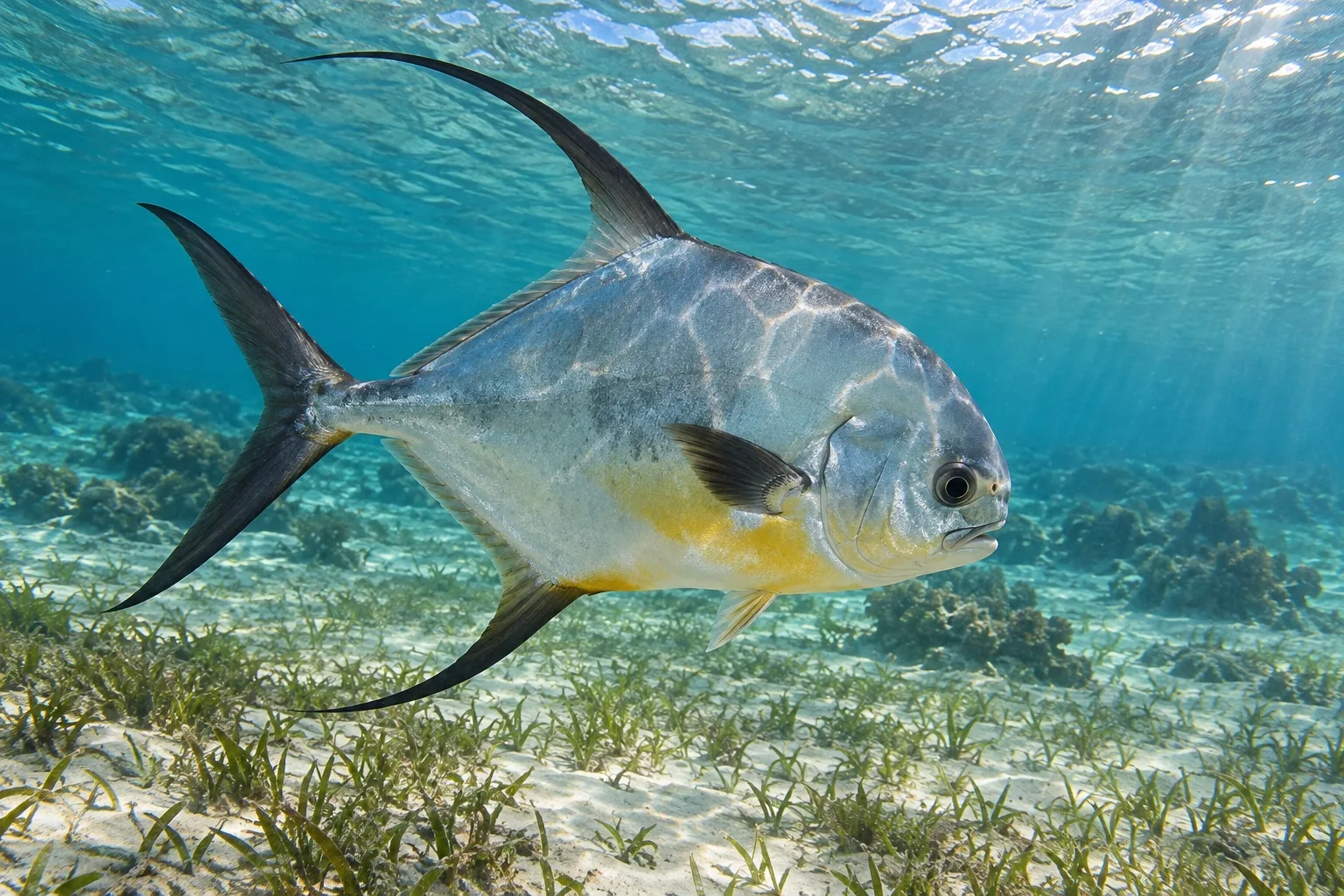
In the Special Permit Zone in the south of Florida, which includes the Florida Keys, permit may only be caught and released from 1 April to 31 July, which is exactly when they gather at reefs and wrecks to spawn. Outside these months you may keep at most one fish per person and two per boat there (as of October 2026).
 Choose another fish117 fish with guides
 EelOff-peak season
 EelpoutPossible
 IdePossible
 ArapaimaGood
 GraylingPeak season
 Atlantic salmonSpawning time, please spare
 Brown troutSpawning time, please spare
 Brook troutSpawning time, please spare
 BarbelOff-peak season
 BarramundiSpawning season
 Greater amberjackGood
 Topmouth gudgeonOnly as bycatch
 Blue marlinSpawning season
 BonefishSpawning season
 BonitoGood
 BreamOff-peak season
 Dusky grouperOnly as bycatch
 CobiaPossible
 Spiny dogfishOnly as bycatch
 CodPeak season
 ChubPeak season
 MinnowOnly as bycatch
 European sturgeonOnly as bycatch
 FlounderPeak season
 PerchPeak season
 Largemouth bassGood
 Ballan wrasseOnly as bycatch
 Yellowfin tunaSpawning season
 Giant trevallyGood
 Prussian carpPossible
 BrillPossible
 Gilthead breamSpawning time, please spare
 Golden doradoSpawning season
 Golden mahseerOnly as bycatch
 Dolphinfish (mahi-mahi)Good
 Grass carpPossible
 Great barracudaGood
 GudgeonPossible
 White breamPossible
 DaceOff-peak season
 PikePeak season
 HalibutOff-peak season
 HerringPossible
 GarfishOut of season
 Huchen (Danube salmon)Possible
 Crucian carpOnly as bycatch
 CarpOff-peak season
 RuffeOff-peak season
 VendaceOnly as bycatch
 DabPeak season
 GurnardPossible
 Coley (saithe)Peak season
 Chinook salmonHardly any chance
 King mackerelSpawning season
 LingPeak season
 TuskOff-peak season
 MackerelPossible
 Bighead carpOut of season
 WhitefishPossible
 Conger eelOff-peak season
 Sea troutSpawning time, please spare
 Grey mulletPossible
 Murray codSpawning season
 MuskellungeGood
 Common nasePossible
 Nile perchPossible
 PayaraPossible
 Peacock bassPeak season
- PermitGood
 WeeverOnly as bycatch
 PollackOff-peak season
 BurbotOff-peak season
 AspPossible
 Red snapperSpawning season
 Rainbow troutPeak season
 RoosterfishGood
 RoachPeak season
 RedfishOut of season
 Bluefin tunaOnly as bycatch
 RuddPossible
 Russian sturgeonOnly as bycatch
 HaddockOff-peak season
 SnakeheadPossible
 TenchOff-peak season
 SpirlinOnly as bycatch
 PlaiceOff-peak season
 Greenland halibutOnly as bycatch
 Round gobyOnly as bycatch
 SwordfishGood
 Lake troutSpawning time, please spare
 HakeSpawning time, please spare
 Alpine charSpawning time, please spare
 MonkfishPossible
 SoleOff-peak season
 SailfishGood
 Silver carpOut of season
 SnookPeak season
 PumpkinseedOnly as bycatch
 SpratOnly as bycatch
 Atlantic wolffishSpawning time, please spare
 TurbotPeak season
 SterletOnly as bycatch
 SmeltOnly as bycatch
 Horse mackerelPossible
 TaimenGood
 TarponGood
 TigerfishSpawning season
 BleakPossible
 WahooGood
 Wels catfishOff-peak season
 WhitingPeak season
 Sea bassOff-peak season
 ZanderPeak season
 White-eye breamOnly as bycatch
 Blue breamOnly as bycatch
 Brown bullheadPossible
 VimbaOnly as bycatch
Season in October according to the catch calendar, an estimate and not a guarantee of a catch. The fish pictures are reduced natural-history plates and AI-generated.
Best time
All year round.
In January: GoodIn February: GoodIn March: GoodIn April: Good, spawningIn May: Good, spawningIn June: Good, spawningIn July: Good, spawningIn August: GoodIn September: GoodIn October: GoodIn November: GoodIn December: Good
Good spot
- Coast: seagrass, sandy bottom and trough in front of the sandbarseagrass, sandy bottom and trough in front of the sandbarseagrass, sandy bottom and trough in front of the sandbarseagrass, sandy bottom and trough in front of the sandbar
Top baits
Starter tackle
- Rod: medium spinning rod
- Line: braid, about 6,8 kg breaking strain
- Hook: octopus hook size 2/0 for live crabs
- Rod: heavy spinning rod
- Line: braid, about 22 kg breaking strain
- Hook: octopus hook size 2/0
In short
In short: According to the catch calendar, the best time is all year. Good spots on the coast: seagrass, sandy bottom and trough in front of the sandbar. Proven baits: small live crabs, crab flies and weighted jigs. In the Special Permit Zone in the south of Florida stricter rules apply, including a closed season during spawning. Young permit are easily mistaken for the smaller Florida pompano.
Quick to recognise
A deep-bodied, strongly flattened jack with long, dark sickle-shaped lobes on the dorsal and anal fins. It reaches at least 122 centimetres and 36 kilograms, and from about 65 centimetres confusion with the smaller pompano is practically ruled out.
When
In southern Florida and the Caribbean the permit bites all year, and the tide matters more than the month. From about April to July it gathers at reefs and wrecks to spawn, with the peak in the Florida Keys in May and June.
- JanGood
- FebGood
- MarGood
- AprGood, spawning
- MayGood, spawning
- JunGood, spawning
- JulGood, spawning
- AugGood
- SepGood
- OctGood
- NovGood
- DecGood
Peak seasonGoodPossibleHardly any chanceSpawning season
Season in the destination
In southern Florida and the Caribbean you catch permit all year. In the Florida Keys, from March to September many fish stand at the reef edge in 15 to 40 metres of water, most of them in April and May, when they spawn there. Just then sharks at individual wrecks and spawning sites take a large share of the hooked fish, and Florida protects the spawning time with its own rules. On the shallow flats the fishing depends on the tide all year.
Season and biting time
In January: GoodIn February: GoodIn March: GoodIn April: SpawningIn May: SpawningIn June: SpawningIn July: SpawningIn August: GoodIn September: GoodIn October: GoodIn November: GoodIn December: Good
Where it is now
On the coast
As the water rises it moves from the troughs onto the flats to feed over sand, mud or seagrass, and it also visits sandy beaches. The water there is often less than 60 centimetres deep, and large fish stay somewhat deeper than bonefish. In up to 30 metres of water it stands in schools at reefs, jetties and wrecks.
How to go about it: On flats less than three metres deep the permit looks for food over sand, mud, marl and seagrass, close to the troughs it comes out of with the flood. Three out of four tagged fish in the Florida Keys moved between such flats and the reef edge, so keep both habitats in mind.
| All year round | seagrass, sandy bottom, trough in front of the sandbar, wreck, reef |
|---|
Holding spots in the picture
Choose a season and time of day: the picture shows where the species sits then. Tap a fish or a spot in the list to bring it closer. The picture is schematic and AI-generated, every water is different.
Chance of a catch in springgoodSpawning, observe the closed seasons
Chance of a catch in summergoodSpawning, observe the closed seasons
Catch chance in autumngood
Catch chance in wintergood
- J
- F
- M
- A
- M
- J
- J
- A
- S
- O
- N
- D
Spawning season
Time of day The tide sets the rhythm: as the water rises, the permit move from the troughs onto the flats.
On the coast
gully in front of the sandbank
Permit are here all year.
Seagrass, gravel and stones in the shallows
Permit are here all year.
Sandy bottom
Permit are here all year.
Wreck, reef
Permit are here all year.
To feed, the permit comes onto shallow flats over sand, mud or seagrass and to sandy beaches. In between it waits in deeper troughs. In deeper water it often stands in schools at reefs, jetties and wrecks.
Spring: chance of a catch good according to the catch calendar. This is when spawning falls, so observe the closed seasons.
Summer: chance of a catch good according to the catch calendar. This is when spawning falls, so observe the closed seasons.
Autumn: chance of a catch good according to the catch calendar.
Winter: good chance of a catch according to the catch calendar.
Depth: On the flats it often stands in less than 60 centimetres of water, at reefs and wrecks down to about 30 metres.
Size comparison: AI-generated drawing, schematic.
How
At wrecks and reefs you fish on the bottom, usually with a live crab and stronger tackle. On the flats, by contrast, you cast to it by sight, and anglers in Florida use fly and spinning rods for this.
Easiest way
As a beginner, take a medium spinning rod with braid of about 6,8 kilos breaking strain, around a metre and a half of fluorocarbon ahead of it and a small live crab on a hook of size 2/0. With this you cast to permit that move onto a shallow flat as the water rises.
Crab or jig on the flat
Sight fishing in shallow water under three metres: you cast deliberately to single fish or small groups with a crab or a weighted jig.
- Flat with a trough
Look for flats of sand, mud, marl or seagrass with deeper troughs and holes beside them. With the flood the fish come up out of these troughs to feed.
- Light leader
Join the braid to about 1,5 metres of fluorocarbon. The lighter gear lets you cast further and is less conspicuous in clear, shallow water.
- Small crab
Hook a live crab with a carapace about 4 to 5 centimetres wide on a small octopus hook. A weighted jig of 14 to 28 grams serves as an alternative.
- Cast accurately
Large permit often travel alone or in pairs, smaller ones in groups of around ten fish. Cast only when you can see the direction they are travelling, and put the bait in their path.
- Keep it short
In a study in the Florida Keys the fights mostly lasted one to twelve minutes. Stay within that range, because an exhausted fish recovers less well.
- With both hands
Unhook in the water if you can. If you have to lift the fish, support it with wet hands under the head and belly, never with one hand only.
Live crab at the wreck
From the boat over reefs and wrecks in 15 to 40 metres of water, where permit stand in schools, especially in spring and summer.
- Approach the structure
Permit gather in schools at natural and artificial reefs, jetties and wrecks. In the Florida Keys tagged fish visited the reef edge most often in spring.
- Rig it strongly
Take heavy tackle with braid of about 22 kilos and a fluorocarbon leader of about 18 kilos. Over structure lighter line breaks too easily on the bottom.
- Bait the crab
A small live crab on a hook of size 2/0 is the standard bait at wrecks. Let it sink down to the fish.
- Watch for sharks
If a hooked permit suddenly pulls frantically and unpredictably, a shark may be behind it. If such cases pile up, move to a different spot.
- Away from the wreck
Pull the fish quickly up and away from the structure. If it stays down for long, the risk rises that the line chafes or a shark strikes.
- Unhook in the water
Unhook it alongside the boat in the water and lift it out for a moment at most. A lip gripper on a thrashing fish can injure the jaw.
What with
Crabs are high on its menu. In a study in the Florida Keys most permit took small live crabs with a carapace about four to five centimetres wide, on small hooks, and also weighted jigs. Expect it to follow the bait and then refuse it.
- Crustaceans & musselsall year, on flats and at wrecks
Adult permit eat mainly crabs, snails, sea urchins and mussels. Researchers in the Florida Keys hooked most fish on small live crabs.
Tackle
At wrecks and reefs you need stronger tackle than on the flats. The pages on the sea rod and on fishing line and the line calculator help with the choice.
Crab or jig on the flat
- Rod
- medium spinning rod
- Reel
- Fixed-spool reel to match the rod
- Line
- Braid, about 6,8 kg breaking strain
- Leader
- Fluorocarbon, about 1,5 m
- Hooks
- Octopus hook size 2/0 for live crabs
- Weight, float, lead
- weighted jig 14–28 g as an alternative to a crab
Live crab at the wreck
- Rod
- heavy spinning rod
- Reel
- strong fixed-spool reel
- Line
- Braid, about 22 kg breaking strain
- Leader
- Fluorocarbon, about 18 kg, around 1,5 m
- Hooks
- Octopus hook size 2/0
Common mistakes
- Carrying on fishing at a shark spot: At individual wrecks and reefs sharks ate a large share of the hooked permit, but none on the flats. The researchers do not consider a short fight and little time in the air sufficient there, so change spot.
- Targeting spawning schools: Large gatherings at the spawning sites are easy targets for sharks and anglers. A protected area was therefore set up around the known spawning site Western Dry Rocks, so look for a flat instead during that time.
- Heavy tackle on the flat: Thick line shortens your casting distance and stands out in shallow, clear water. On the flats the medium class of about 6,8 kilos is enough, and the heavy tackle belongs at wrecks.
- Line that is too light at the wreck: Over reefs and wrecks fish break light line on the structure. There you need braid of about 22 kilos and a thick leader.
- Lifting the fish with one hand: Never hold a permit with one hand or by a lip gripper. Leave it in the water or support it with wet hands under the head and belly.
Rules
For permit, the rules of the country where you fish apply, not German fisheries law. Each country, and often each water, sets its own licence, closed seasons, minimum sizes and rules on keeping fish.
What the profile says: In the Special Permit Zone in the south of Florida stricter rules apply, including a closed season during spawning. Young permit are easily mistaken for the smaller Florida pompano.
The fisheries authority (Fischereibehörde) of the country you travel to is what counts. Ask about the current rules before the trip and read in the profile how threatened the species is.
After the catch
Playing and landing
Fight the permit quickly and leave it in the water to unhook, with wet hands under the head and belly, never by the gill cover or with a lip gripper. If a shark shows up during the fight, sensible anglers prefer to break the line so that the fish can flee freely. If it tips onto its side on release, move it slowly forward until it swims upright again. The country where you fish sets the rules, licence and rules on keeping fish.
Keep the fight short and the fish in the air as little as possible. In a study from the Keys, sharks ate 35 to 90 per cent of the hooked permit at individual reefs and wrecks, but none on the flats. If sharks accompany the fight, change spot.
Frequently asked questions
Which bait for permit?
Small live crabs with a carapace about 4 to 5 centimetres wide on a hook of size 2/0. Weighted jigs of 14 to 28 grams also catch fish.
Which line for permit?
On the flats braid of about 6,8 kilos, at wrecks and reefs about 22 kilos. In front of it always goes around a metre and a half of fluorocarbon.
Can you catch permit on the fly?
Yes, but it is considered one of the most difficult fish for it, and a permit on the fly is a highlight for many anglers. In a survey in Florida most anglers and guides used fly and spinning tackle.
When is the best time for permit in the Florida Keys?
On the flats all year on a rising tide. At the reef edge most fish stand from March to September, with a peak in April and May.
How sensitive is a permit when released?
Fairly robust: in a study permit showed only moderate stress after fights of up to twelve minutes. The greatest danger is sharks at the fishing spot, not the fight itself.
Similar species
If you catch permit, you can also fish for these species with similar tackle:
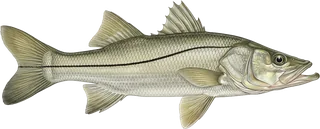 Snook fishingPeak season
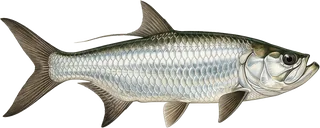 Tarpon fishingGood
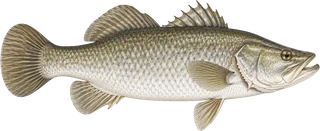 Fishing for barramundiSpawning season
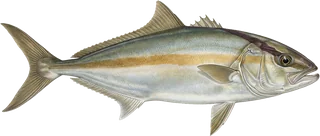 Amberjack fishingGood
Sources
Status: October 2026. The practical knowledge comes from 5 sources, summarised in our own words.
View all 5 sources
- Stress, predators, and survival: Exploring permit (Trachinotus falcatus) catch-and-release fishing mortality in the Florida Keys (J. Exp. Mar. Biol. Ecol. 524, 2020) · Carleton University, Fish Ecology and Conservation Physiology Lab (P. E. Holder u. a., mit BTT und UMass)
- Seasonal occupancy and connectivity amongst nearshore flats and reef habitats by permit Trachinotus falcatus (J. Fish Biol. 96, 2020), Abstract · National Library of Medicine (PubMed); Studie Carleton University, Florida FWC, Bonefish & Tarpon Trust, UMass Amherst
- Permit (Trachinotus falcatus) fishing quality and conservation threats in the Florida Keys: a recreational angler and fishing guide survey (Gulf and Caribbean Research 34, 2023) · Carleton University (M. Piczak u. a., mit Bonefish & Tarpon Trust), Gulf and Caribbean Research, University of Southern Mississippi
- Trachinotus falcatus – Permit (Discover Fishes) · Florida Museum of Natural History, University of Florida
- Catch and Release · Bonefish & Tarpon Trust
Text AI-assisted, based on the sources named and these pages: Permit (profile), Sea fishing, Crustaceans & shellfish, Releasing fish.