
Knowledge · Lures
Crustaceans and mussels
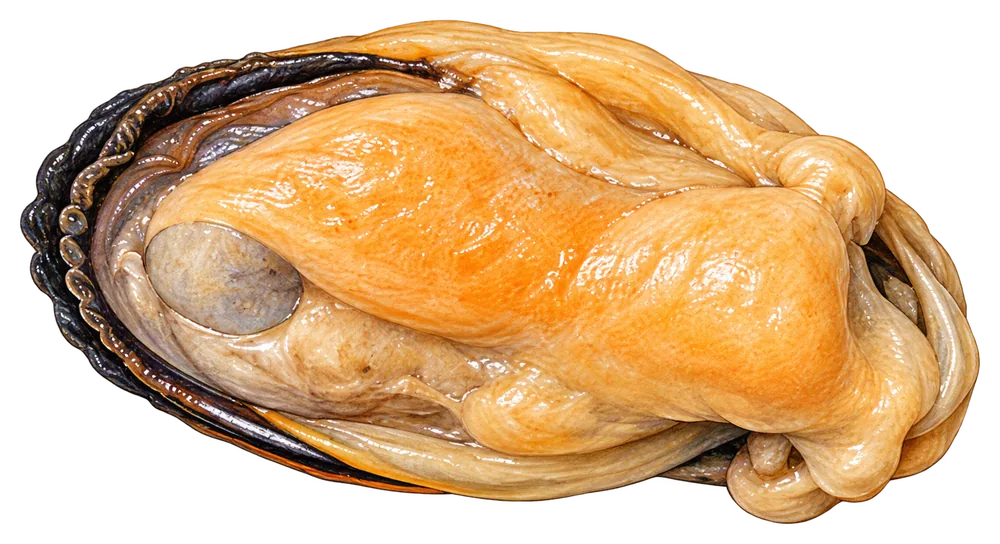
Animal natural baits · Waiting game with a float or on the bottom
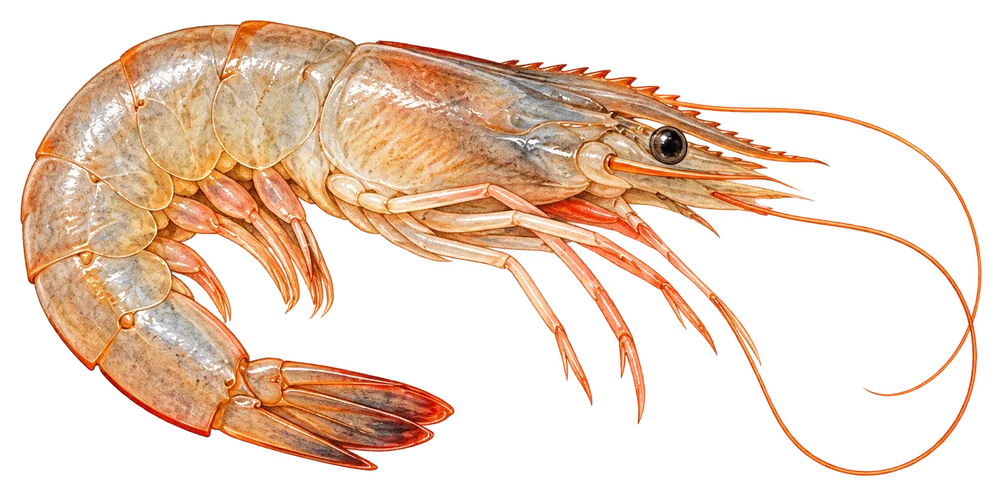
Shrimps, crabs and mussel meat are part of the natural diet of many fish. In fresh water they catch mainly eel, wels catfish and tench, in the sea flatfish, cod and sea trout. The baits are soft, have to be put on carefully and kept cool. Live crayfish are taboo as bait.
- Water depth
- Bottom
- Presentation
- Resting on the bottom, at sea guided slowly across the bottom with the drift
- Fishing method
- Waiting game with a float or on the bottom
- Category
- Animal natural baits
EelWels catfishCarpRoachPerchCodPlaiceSea troutFlounderDabWhiting / merlanAtlantic wolffishGrey mulletGarfishHakeTusk / cuskSoleGurnardSea bass
AI-generated illustrations
How it works
These baits work through smell. Shrimps resemble crayfish meat and so come close to the natural food of eels. Eel and catfish anglers use them in fresh water (in the sea, fishing for eel is currently forbidden), and carp, roach, perch and zander take them too.
Raw shrimps are firmer than cooked ones and are easier to put on. With the baiting needle you pierce at the head, push through to the tail end and draw the shrimp onto the hook tail first. The bend of the hook sits in the horny head part, the point stays free. Small shrimps go on the hook two or three at a time, and a thin rubber band holds them in addition.
Mussel meat is a strongly scented but delicate bait. Frozen blue mussel meat catches in fresh water too: a tench angler reports that it catches when classic baits fail. Once thawed it easily flies off the hook; a rubber band for pellets holds it.
In the sea, the shore crab is also fished whole on a large single hook for cod, haddock, tusk and Atlantic wolffish. Freshly moulted it is easy prey. Wolffish crack mussels, sea urchins and crabs with their powerful jaws.
How to present the bait
Resting on the bottom, at sea guided slowly across the bottom with the drift
Schematic illustration, AI-generated.
- cast out
- lies on the bottom or hangs from the float
- wait for the bite
- re-bait
Anatomy
The points on the picture above explain the most important parts – on hover or tap.
- Shell: For fishing, the meat is removed from the shell.
- Soft flesh: It attracts by smell but tears easily. So cast gently or secure it with a band.
- Firm muscle: Firmer than the rest: here the hook finds a better hold.
Rig in three steps
- 1. A suitable single hookPrawns go whole onto a fine-wire single hook, shore crabs onto a large single hook.
- 2. Bottom rig in fresh waterA running weight on the main line, the bait lies on the bottom. Running-weight rig step by step
- 3. Snoods at seaFrom a boat the bait hangs on short snoods just above the bottom, on a trace with a trailing hook or on a flounder spoon. The surf rig step by step
Drawings: AI-generated, schematic.
When the target fish are in season
Hardly any chancePossibleGoodPeak seasonValues from the catch calendar.
When and where
In fresh water, prawns and mussel meat are basic baits for sitting it out for eel, wels catfish and tench. Zander and perch take pieces of prawn in harbours, canals and rivers on a bottom rig or drop-shot rig. For wels catfish, prawns are offered much like a bunch of worms, just above the bottom.
At sea they lie on the bottom. For flatfish you fish on the drift; a Norwegian angling guide gives 0,2 to 0,5 knots. Where worms are hard to find, deep-sea prawns from the supermarket are an alternative. Flounder and dab take prawns, mussel meat and crab meat, and whiting, sea trout and cod also eat prawns.
Fishing for cod in the Baltic Sea is banned in 2026 (as of October 2026). If one bites on the German coast anyway, put it back at once. Before every trip, check the current fishing rules for your area.
Freshwater crayfish do not belong on the hook. Where crayfish turn up while angling, according to the Sächsische Landesstiftung Natur und Umwelt they are mostly non-native species. The Bayerisches Landesamt für Umwelt calls them disease carriers that pose a serious threat to native crayfish. The foundation advises against using crayfish or parts of them as bait and against moving crayfish. The native noble crayfish has a year-round closed season (Schonzeit) there.
How to choose bait, hook and quantity
- Insert at the head Push the baiting needle into the prawn’s head.
- Thread it through to the tail Pass the needle through the body to the tail end.
- Slide it on tail first Draw the prawn onto the hook tail first.
- Bend in the head, point free The bend of the hook sits in the horny part of the head, the point stays free.
Prawns and shore crabs are fished whole. A fine-wire single hook suits the prawn, a large one the crab. For flatfish such as flounder and dab, long-shank hooks in sizes 1 to 3 are recommended.
Prawns are used fresh and frozen. One tench angler buys North Sea prawns unpeeled and freezes them in portions; just a few are enough as hook bait.
How to get hold of bait and mussels and keep them cool
Prawns and frozen mussel meat are available in the supermarket. Mussel meat without the shell spoils quickly if not kept cool. One tench angler divides it into portion bags and takes it in a thermal bag with an ice pack; at the water he takes out only what he needs. The Bundesinstitut für Risikobewertung advises transporting perishable food in cool boxes in summer on longer journeys.
Collecting your own comes with rules. In the Wadden Sea national parks there are special rules for collecting live mussels. Swan mussels are listed in the annex on protection status of the Bundesartenschutzverordnung and are protected all year round in many places. Do not dig for them.
Keep it fresh and present it
Keeping it fresh: store natural baits cool and in the shade, take only as much as necessary and do not tip leftovers into the water. When baiting up, the hook point must stay free so that the strike takes hold.
Crustaceans & shellfish or another bait after all?
| Baits and lures | Depth | Presentation | Take this lure if … |
|---|---|---|---|
| Crustaceans & shellfish | Bottom | Resting on the bottom, at sea guided slowly across the bottom with the drift | this page |
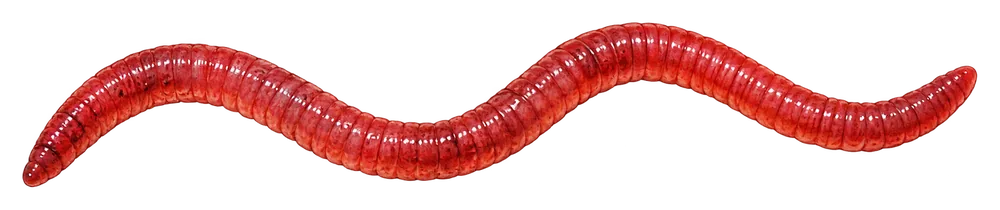 Worms | Bottom to mid-water | Resting under a float or on a bottom rig, and with a sliding float or drop shot also fished actively | you stay in fresh water and want to collect the bait yourself |
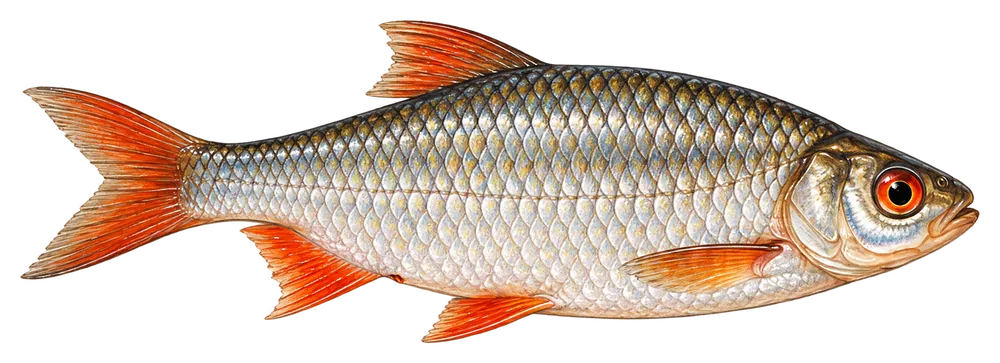 Baitfish | Bottom or mid-water | Stationary on the bottom or under the float, in summer twitched lightly at intervals | you are after bigger predators such as zander and pike |
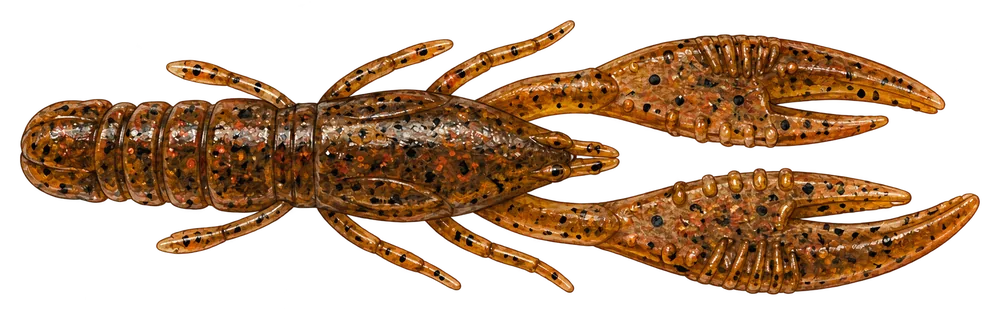 Soft plastic crayfish | Bottom | Active: in short hops over the bottom, with long pauses in between | you want to work a crayfish actively over the bottom |
What you need
- Bottom rod or surf rodIn fresh water a medium bottom rod, in the surf a long rod with a high casting weight. More
- LineAbrasion-resistant, with a breaking strain to suit the target fish. More
- Baiting needleThreads prawns cleanly onto the hook. More
- Cool boxKeeps prawns and mussel meat cool at the water. More
More on the method: Float fishing and Bottom fishing.
At a glance
Editorial assessment, not measured values.
If it does not work
Use raw rather than cooked prawns, thread them on with a baiting needle, add a thin rubber band as well and cast gently.
Do not just pierce it, but secure it on the hook with a pellet rubber band.
Freeze in portions, transport cool and take only small amounts out of the cool box at a time.
Frequently asked questions
Raw or cooked?
Raw. Raw prawns are firmer and easier to bait than cooked ones.
Do frozen prawns work too?
Yes. One tench angler buys North Sea prawns unpeeled and freezes them in portions; just a few are enough for him as hook bait.
May I collect mussels myself?
That is regulated by the federal state, the national park and the water rules. Special rules apply in the Wadden Sea, and swan mussels are protected all year round in many places. Ask beforehand.
Are crayfish suitable as bait?
We advise against it. The Sächsische Landesstiftung advises against using crayfish or parts of them as bait, because non-native crayfish carry crayfish plague.
Which fish take mussel meat?
At sea, flatfish such as flounder and dab; in fresh water, for example, tench and eel. It is a bait for days when the usual ones fail.
Before fishing, the current permits, state rules and water rules apply: bait bans, number of hooks, closed seasons, protected species and catch limits can differ. Many federal states expressly ban live baitfish. Take bait remains and packaging away with you. All details are guide values without guarantee and do not replace legal advice.
Sources
- Blinker: Mit Garnelen angeln
- Blinker: Köder für Aal
- Blinker: Naturköder zum Meeresangeln
- Rute & Rolle: Schleien, fünf Tipps für Fangerfolg
- Rute & Rolle: Platten bei Wind in Norwegen
- Rute & Rolle: Plattfischangeln in Norwegen
- Rute & Rolle: Flunder, Steckbrief
- Rute & Rolle: Kliesche, Steckbrief
- Rute & Rolle: Steinbeißer, so fängst du sie
- Sächsische Landesstiftung Natur und Umwelt: Invasive Krebse, Hinweise für Angler
- Edelkrebsprojekt NRW: Tipps und FAQs
- Bayerisches Landesamt für Umwelt: Krebse
- Bundesinstitut für Risikobewertung: Korrektes Kühlen von Lebensmitteln im Privathaushalt
- Bundesministerium der Justiz: Bundesartenschutzverordnung, Anlage 1
- Nationalparkverwaltungen Wattenmeer: Sport- und Freizeitfischerei
- DAFV: Fangregeln Ostsee 2026
The sources explain terms and basic principles. Presentation and values are editorial starting points and depend on water, weather and bait.
More animal natural baits
 Maggots & grubs
 Insects
 Snails
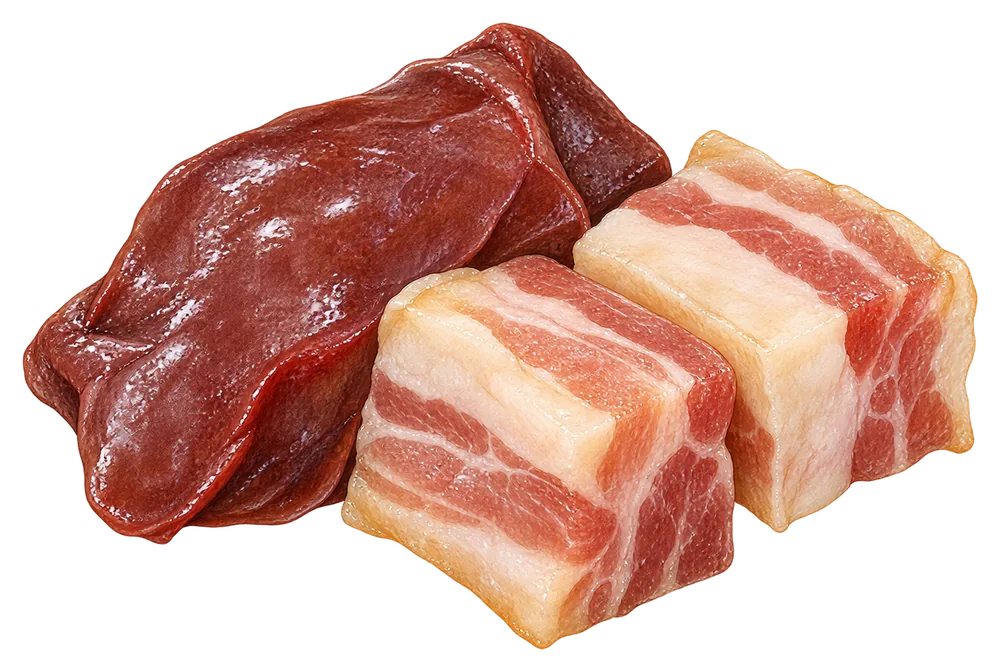 Offal & meat
 Lugworm
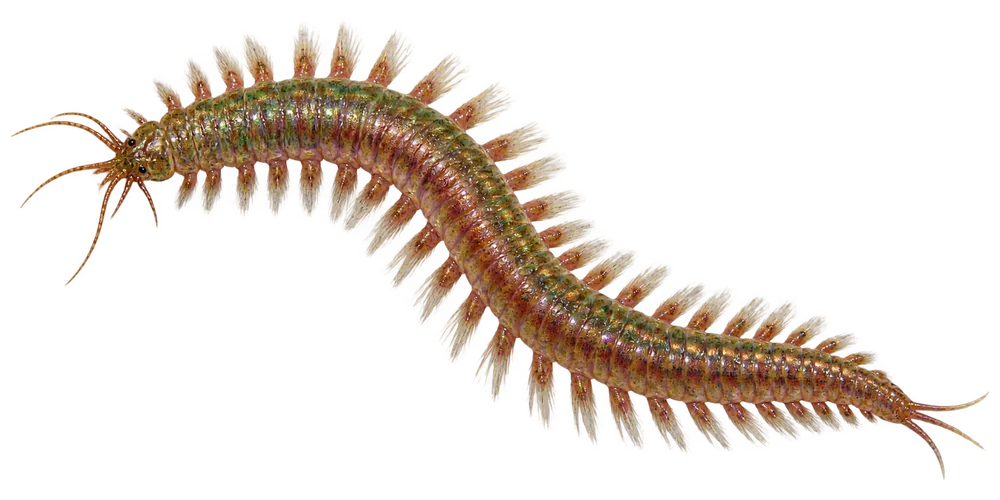 Ragworm
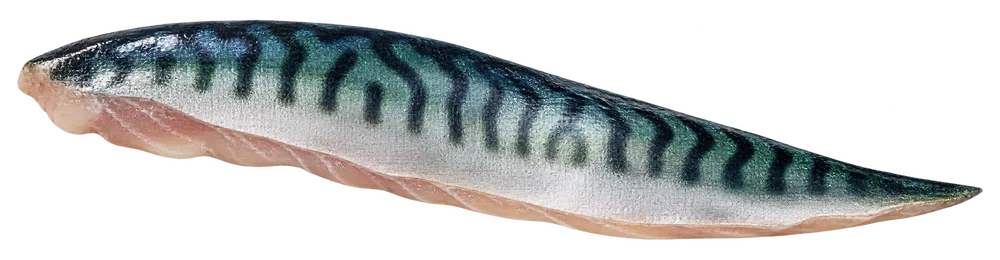 Fish strips
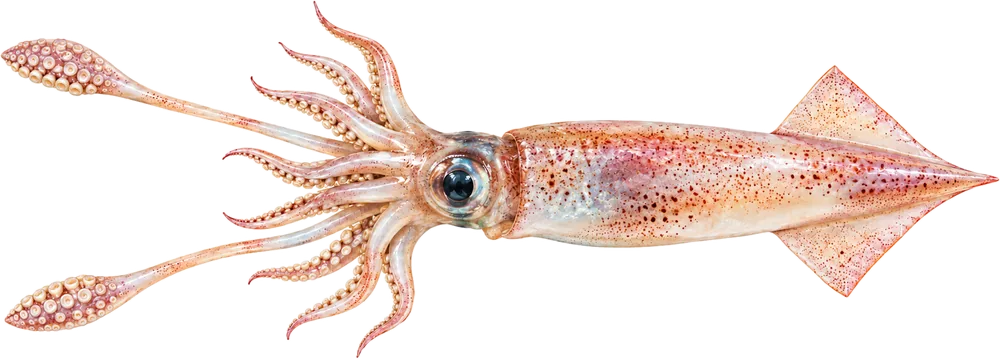 Cuttlefish & squid
Created with AI support from the sources named (AI notice). Last updated: 23 October 2026. Found a mistake? Write to us. Who is behind the site: About me.