
Knowledge · Lures
Worms
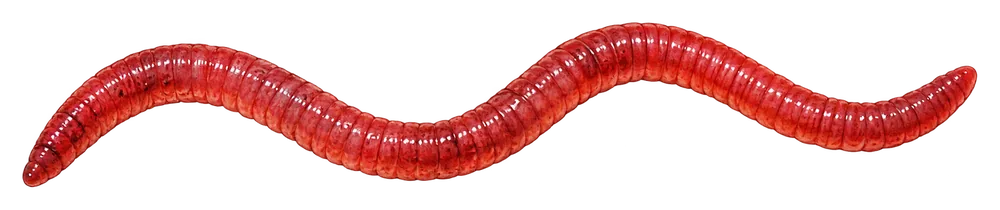
Animal natural baits · Waiting game with a float or on the bottom
Worms are the most versatile natural bait. They move, smell like food and are taken by almost all native fish species. The big lobworm suits eel, perch and tench, while smaller redworms and brandlings suit bream and other coarse fish. On the coast, the lugworm and the ragworm take over this role, and both have their own pages.
- Water depth
- Bottom to mid-water
- Presentation
- Resting under a float or on a bottom rig, and with a sliding float or drop shot also fished actively
- Fishing method
- Waiting game with a float or on the bottom
- Category
- Animal natural baits
EelPerchTenchCarpBreamZanderBarbelSilver breamWels catfishGudgeonSea troutBurbotBrown bullheadRuffePrussian carpBrook troutLake troutWhitefish

AI-generated illustrations
How it works
A worm works through three stimuli. It wriggles, and this movement is noticeable in the water. Juice leaks from cut points and spreads the scent. Fish also know it as food, because after heavy rain worms are washed into streams, ditches and lakes. That is why worms are considered especially effective in cloudy, churned-up water.
The species differ clearly. According to the Bavarian Academy for Nature Conservation and Landscape Management (Bayerische Akademie für Naturschutz und Landschaftspflege), the lobworm grows 9 to 30 cm long, about 21 cm on average. It is dark brown to purple, with a yellowish belly. The brandling worm, also called the compost worm, is smaller at 5 to 12 cm and lives almost only in compost. When baited it gives off a strong-smelling yellow fluid, and in winter and spring it is one of the most effective baits. The giant redworm, sold as dendrobaena, copes well with cold and heat. The grey earthworm holds well on the hook thanks to its tough skin.
The length depends on the fish. You catch bait fish such as gudgeon or small roach with pieces of 1 to 3 cm, bream take 3 to 6 cm, tench and carp 6 to 10 cm, eel and wels catfish 10 to 12 cm. Tiny brandlings imitate midge larvae and suit a small hook in size 20.
The lobworm gives off little scent. In cloudy water you therefore cut it up so that more juice gets into the water.
How to present the bait
Resting under a float or on a bottom rig, and with a sliding float or drop shot also fished actively
Schematic illustration, AI-generated.
- cast out
- lies on the bottom or hangs from the float
- wait for the bite
- re-bait
Anatomy
The points on the picture above explain the most important parts – on hover or tap.
- Head end: Hooked once here, the worm stays lively and lives a long time on the hook.
- Middle of the body: Hooked through the middle, it sits more firmly and both ends move freely.
- Ring muscles: They make the worm wriggle. This movement makes the bait stand out.
- Tail end: Stays free. If the fish only plucks here, the worm was too long or the hook sits too far forward.
Rig in three steps
- 1. Hooklength and hookThin hooklength with a sharp, fine-wired hook. The size depends on the worm and the target fish, the point stays free.
- 2. Set the floatFor perch and tench: set the float so that the worm hangs just above the bottom. Float rig step by step
- 3. Or a bottom weightFor eel and barbel: a running weight on the main line, the worm lies on the bottom. Running-weight rig step by step
Drawings: AI-generated, schematic.
When the target fish are in season
Hardly any chancePossibleGoodPeak seasonValues from the catch calendar.
When and where
Worms catch all year round, in running and still waters alike. They suit the time after rain particularly well, when the water is cloudy and fish expect worms washed in. In winter and spring, small brandlings with their strong smell are in demand. On banks with many deciduous trees the red leaf worm, which lives among damp leaves, is also an option.
The target fish decides the spot and the size. Tench and carp take worms of 6 to 10 cm in spring. Eel, barbel and silver bream are classic targets for earthworm and lobworm. Perch and zander inhale the worm with a sucking movement. For wels catfish a whole bunch is offered. Near obstacles such as sunken trees or rock piles you must strike quickly, otherwise the fish gets snagged.
At sea: lugworm and ragworm
On the North Sea and the Baltic Sea two marine worms take over the role of the lobworm. The lugworm is regarded as the all-round bait at sea, hardly any fish refuses it. It is delicate and is kept in newspaper. The ragworm, also called pincher or Mottwurm in tackle shops, is usually 10 to 12 cm long in both seas, holds quite well on the hook and nips. In the surf it is mainly these two that are used.
Surf anglers often put on a combination bait: first the lugworm is threaded on, then a piece of ragworm as a stop. Baiting and storage differ from the freshwater worm, which is why both have their own pages.
How to choose worm and length for the target fish
Choose the species first, then the length. For eel, wels catfish and tench you reach for the lobworm, for bream, silver bream and roach for dendrobaena or brandling. Where small fish keep plucking at the bait, a bigger worm helps, or a switch to the soft plastic worm, which sits firmly on the hook.
The hook must suit the worm. It should be sharp and fine-wired so that it pierces the skin easily and harms the worm little. For midge imitations you take a tiny hook, for large worms a stronger one.
Worms can be combined: a brandling between two maggots is a well-known bream bait.
How to bait the worm
- Choose a sharp hook Take a sharp, fine-wired hook. It pierces the skin easily and harms the worm little.
- Once through the head Pass the hook through the worm’s head only once.
- Leave the rest hanging free The rest of the worm hangs free. The fewer times you pierce it, the more play it has.
- Leave the point free The hook point must stay free, otherwise the strike does not grip.
For a lively bait you pass the hook through the head only once and leave the rest hanging free. The fewer times you pierce it, the more play the worm has. The drawback: the fish needs longer to get the hook into its mouth, and with small perch there are missed bites. In that case you cut the worm once in the middle.
Hooked through the middle, the worm is offered with both ends. For a strong scent you cut it into pieces of 2 cm at most and slide them onto the hook like a kebab. On mud, a piece of foam stops the worm from disappearing into the bottom. For wels catfish you tie a braid of whole lobworms onto a strong hook rig.
Where obstacles are nearby, you let the hook point show out of the bottom of the worm’s head and strike at once on a bite. Whether hookless methods such as the worm bundle for eel are allowed is regulated by state law and the water rules.
How to collect and store worms
Freshly collected worms smell strongest. Lobworms come to the surface on warm, damp nights, above all on closely mown lawns. With a headlamp with a red light you grab the worm behind the head and hold it with gentle tension until it lets go. According to the magazine Blinker, bought imported stock clearly lagged behind in catches.
Worms are stored cool, damp and dark. In the fridge at 2 to 5 °C they keep up to three weeks in a small tub, and even longer in a bigger box with damp, not wet, newspaper. Heat and sun are what they tolerate worst. In summer they therefore travel to the water in a cool bag, not in the heated-up car.
Leftover worms do not belong in the water or at the edge of the woods. Researchers at the University of Minnesota warn that European earthworms released by anglers endanger North American tree species. Take leftovers home with you.
Keep it fresh and present it
Keeping it fresh: store natural baits cool and in the shade, take only as much as necessary and do not tip leftovers into the water. When baiting up, the hook point must stay free so that the strike takes hold.
Worms or another bait after all?
| Baits and lures | Depth | Presentation | Take this lure if … |
|---|---|---|---|
| Worms | Bottom to mid-water | Resting under a float or on a bottom rig, and with a sliding float or drop shot also fished actively | this page |
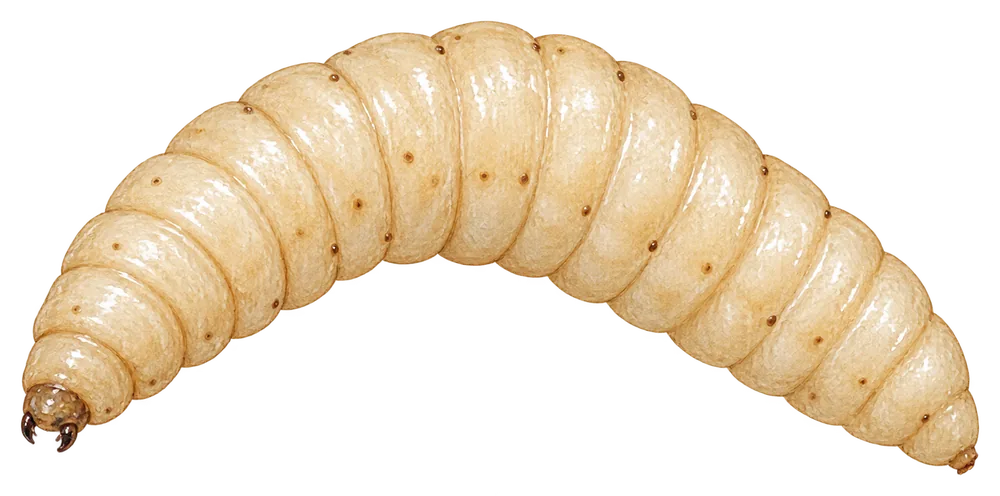 Maggots & larvae | Bottom to mid-water | Stationary on a float or ground rig, in the feed as an attractor | you are fishing for smaller coarse fish such as roach and a fine, small bait is enough |
 Soft plastic worm | Bottom | Active: draw slowly along the bottom, twitch and let it lie | small fish keep plucking at the real worm or you want to search actively with a spinning rod |
 Lugworm | Bottom | Stationary on the bottom, cast far from the beach; wait for bites | you are surf fishing on the North Sea or the Baltic Sea |
What you need
- Float or bottom rodA light to medium rod is enough. For eel, carp and wels catfish it can be stronger. More
- LineMonofilament main line, the hooklength a little thinner. More
- Worm tubBreathable, damp and always in the shade, in summer with a cool bag. More
- HookSharp and fine-wired, size matched to the length of the worm. More
More on the method: Float fishing, Bottom fishing, Feeder fishing and Night fishing.
At a glance
Editorial assessment, not measured values.
If it does not work
Cut the worm in half or use a shorter piece so the hook sits nearer the free end.
Leave the point free, otherwise the strike will not hook.
Store them cool and damp, in summer in a cool bag. They do not survive in a sunny car.
Slide a piece of foam onto the hook so that it floats up slightly.
Cut the worm into small pieces and thread them on like a kebab, so more scent is released.
Take a bigger piece or switch to a soft plastic worm, which sits more firmly.
Frequently asked questions
Lobworm or redworm?
The lobworm is bigger and suits eel, perch, zander, tench and carp. Smaller redworms and brandlings are the better choice for bream, silver bream and other coarse fish. Tiny brandlings imitate midge larvae.
Whole worm or a piece?
For small fish a piece or a short worm is enough. For eel, 10 to 12 cm is the guideline, and for wels catfish a whole bunch is also fished. A worm cut into pieces also gives off more scent.
How do I keep worms fresh?
Cool, dark and damp in a breathable tub, in the fridge at 2 to 5 °C. The newspaper must not be wet. Worms tolerate heat and sun worst.
Which worm for the surf?
Lugworm and ragworm. The lugworm is regarded as an all-round bait, the ragworm is tougher and holds well on the hook. Both are threaded on with a baiting needle.
Before fishing, the current permits, state rules and water rules apply: bait bans, number of hooks, closed seasons, protected species and catch limits can differ. Many federal states expressly ban live baitfish. Take bait remains and packaging away with you. All details are guide values without guarantee and do not replace legal advice.
Sources
- Blinker: Angeln mit Wurm
- Blinker: Würmer suchen und lagern
- Blinker: Naturköder zum Meeresangeln
- Bayerische Fischerjugend im LFV Bayern: Der gute alte Tauwurm (Archivfassung vom 13.04.2026)
- Bayerische Akademie für Naturschutz und Landschaftspflege (ANL): Regenwürmer, Bestimmungsblätter
- Umweltprobenbank des Bundes: Regenwurm (Lumbricus terrestris)
- Hessisches Landwirtschaftsministerium: Fragenkatalog der Fischerprüfung
- Fisch & Fang: Angel-Würmer bedrohen die Wälder Amerikas
The sources explain terms and basic principles. Presentation and values are editorial starting points and depend on water, weather and bait.
More animal natural baits
Maggots & larvae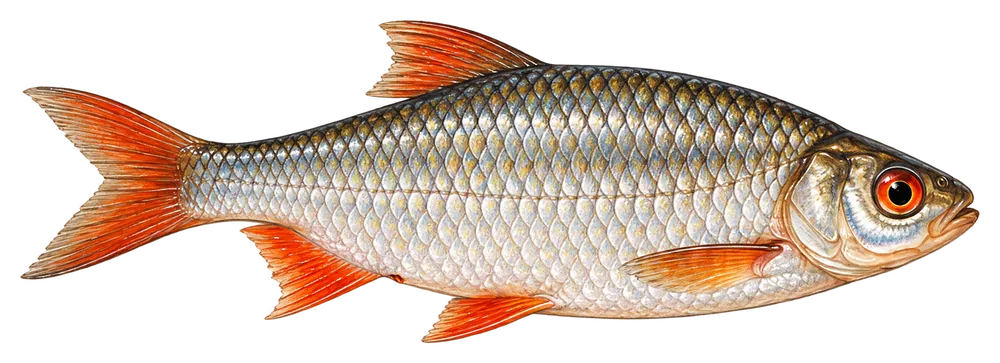 Bait fish
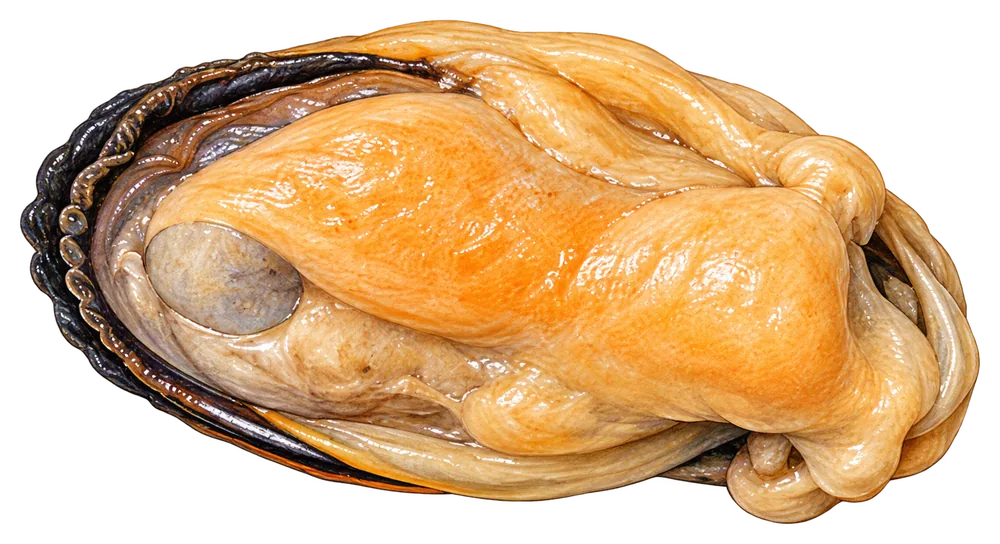 Crustaceans & mussels
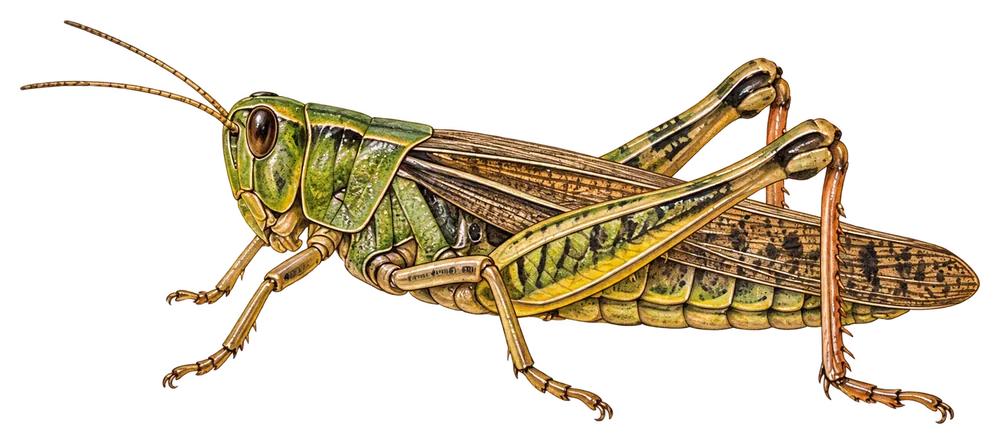 Insects
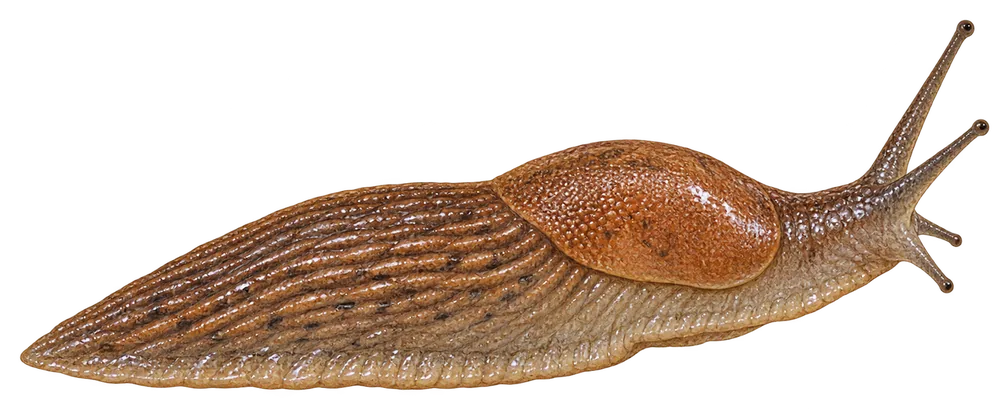 Snails
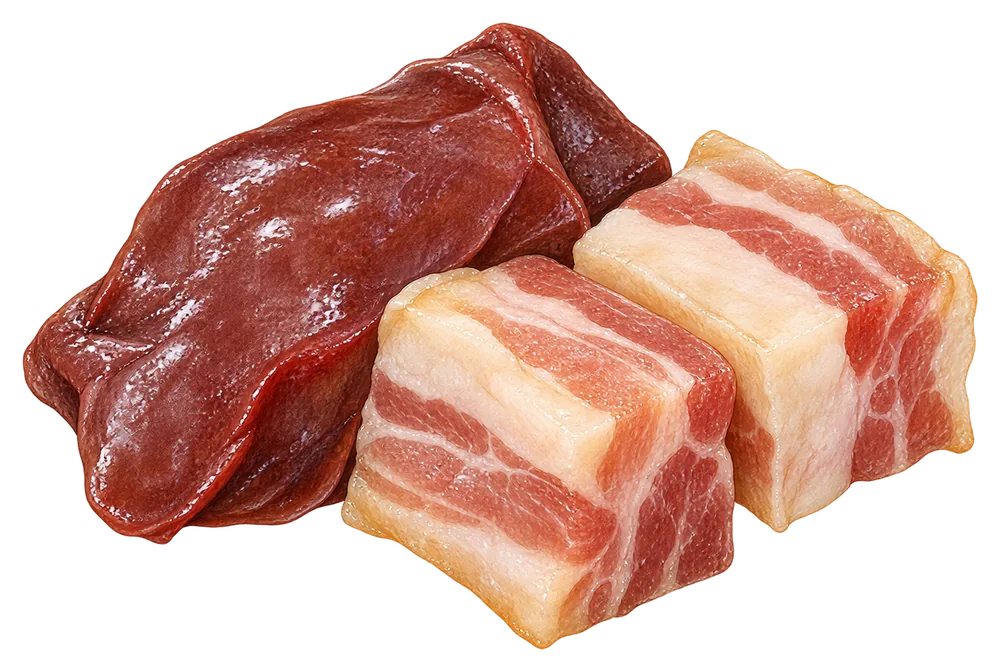 Offal & meatLugworm
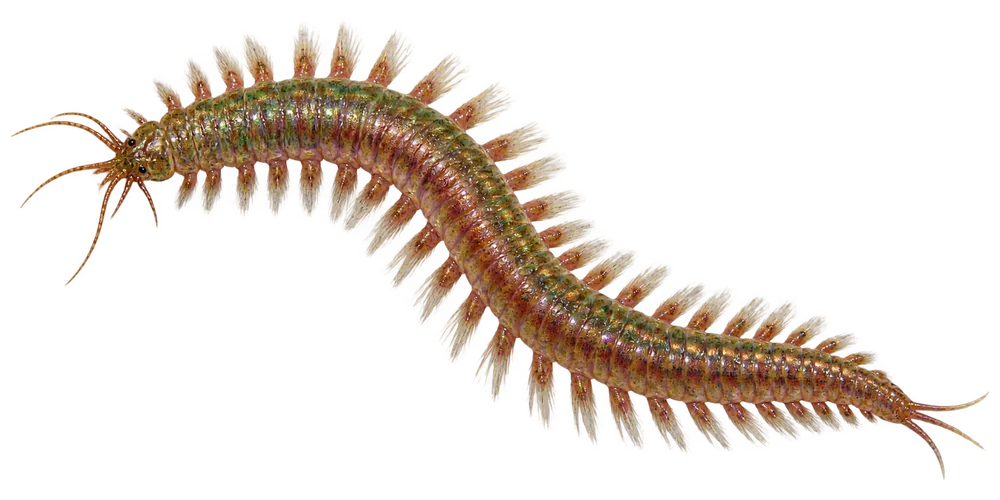 Ragworm
 Fish strips
 Squid & cuttlefish
Created with AI support from the sources named (AI notice). Last updated: 25 October 2026. Found a mistake? Write to us. Who is behind the site: About me.