
Knowledge · Lures
Snails
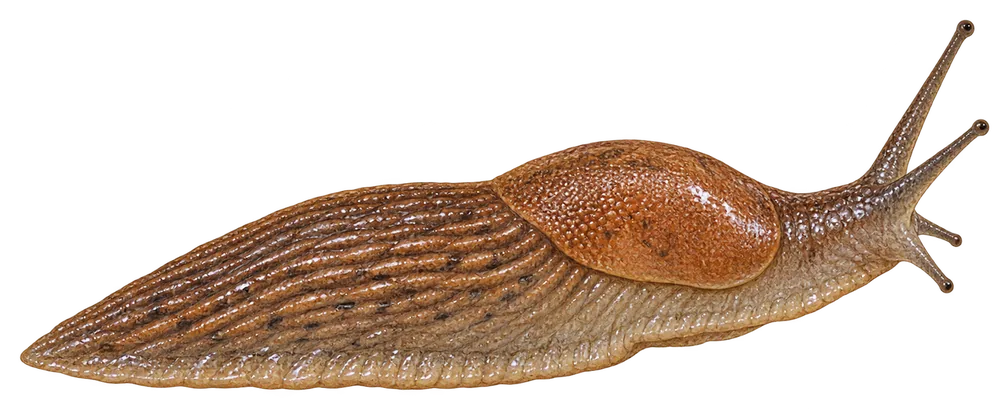
Animal natural baits · Waiting game with a float or on the bottom
The slug from the bank or from the garden is an underrated bait. Its tough skin holds firmly on the hook, and its own weight carries the bait in the cast without any lead at all. Eel, chub and barbel take it, and in still water carp too.
- Water depth
- Bottom
- Presentation
- Resting on the bottom or drifting on a free line
- Fishing method
- Waiting game with a float or on the bottom
- Category
- Animal natural baits
How it works
Snails are part of the natural diet of many fish. They end up in the water on their own, especially in streams, ditches and rivers. In high water or after heavy rain many are swept in, so river and stream fish know them well. Fish also take them without rain or high water.
The tough skin and muscle make the slug a durable bait: once on the hook, it stays there. The magazine Blinker calls it extremely durable, but points out that it does not catch on every water and sometimes brings bycatch. A medium or large, well-fed slug weighs enough that you need no extra lead for casting; the animals also survive long casts and missed bites.
Chub, barbel and eel are mentioned, and in still water also carp and Prussian carp. According to Blinker, slugs also catch large coarse fish, especially tench. Most often you will find the brown slug and the Spanish slug, not all of which are native.
How to present the bait
Resting on the bottom or drifting on a free line
Schematic illustration, AI-generated.
- cast out
- lies on the bottom or hangs from the float
- wait for the bite
- re-bait
Anatomy
The points on the picture above explain the most important parts – on hover or tap.
- Tentacles: They sit at the front of the head and are drawn in when touched.
- Mantle shield: The smooth shield behind the head.
- Foot: The tough muscle used for crawling holds the hook securely.
- Rear end: This is where the slug is hooked as shallowly as possible so that it stays lively.
Rig in three steps
- 1. Hooklength and single hookThe bend of the hook must match the size of the slug, the point stays free.
- 2. Bottom rigFor eel: a running lead on the main line, the slug lies on the bottom. Running-weight rig step by step
- 3. Or a larger floatFor chub the slug drifts with the current under a float with enough buoyancy. Float rig step by step
Drawings: AI-generated, schematic.
When the target fish are in season
Hardly any chancePossibleGoodPeak seasonValues from the catch calendar.
When and where
The free line on a stream or river is regarded as very successful: the slug drifts with the current without lead, which draws chub and barbel to the hook, and eels too. To show bites you can put small foam or cork balls on the line. Classic float fishing works too. Take a larger float that carries the heavy slug if it is meant to drift. For eel it lies on the bottom on the bottom rig.
Slugs occur practically everywhere in Bavaria as long as there is no frost. In wet weather and at night they crawl around everywhere. Even in dry, hot spells you find them at hedges, walls and stones, among nettles and at the compost heap. So the bait is almost always freshly available. Try it on your water, because it does not catch equally well everywhere.
How slug and hook fit together
Choose a medium to large slug, because it brings the weight for the cast. The bend of the hook must match the size of the animal, otherwise it will not take hold. The Bayerische Fischerjugend recommends smaller carp hooks with a short shank, which the fish barely notices.
With a float you use a model with enough buoyancy; on a free line the slug itself is enough. A lead ball on the line is not necessary.
How to put the slug on the hook
- Choose a large slug Take a medium to large slug. It brings the weight for the cast.
- Take a suitable hook The bend of the hook must match the size of the slug, otherwise it will not take hold.
- Shallowly through the rear end Pass the hook as shallowly as possible through the rear end. That way the slug stays lively.
- Point clearly free Let the hook point stick out clearly, because the tough skin would otherwise block the strike.
Hook the slug as shallowly as possible through the rear end, then it can move well. Let the hook point stick out clearly, because the tough skin blocks the strike.
On the free line you let the slug drift and follow it with the rod tip. Foam or cork balls on the line show the bite. Expect missed bites too, because bycatch is not rare with this bait.
How to collect slugs and keep them clean
Gloves, a piece of paper or an old spoon, which you use to push the baits into the tub, help against the slime. After contact with animals or animal waste, and always before eating, wash your hands thoroughly, according to the Bundesinstitut für Öffentliche Gesundheit for 20 to 30 seconds with soap.
In the worm box slugs keep best with some moss, bark or grass. You have to change the grass as soon as it rots; moss lasts longer. Slugs need moisture, and dryness is their greatest enemy. For collecting, boards laid raised from the ground or large leaves help as hiding places, from which you can collect them every day.
Hands off snails with shells: the common and the spotted Roman snail are specially protected in their native populations, and it is forbidden to pursue or catch them.
Keep it fresh and present it
Keeping it fresh: store natural baits cool and in the shade, take only as much as necessary and do not tip leftovers into the water. When baiting up, the hook point must stay free so that the strike takes hold.
Slugs or another bait after all?
| Baits and lures | Depth | Presentation | Take this lure if … |
|---|---|---|---|
| Slugs | Bottom | Resting on the bottom or drifting on a free line | this page |
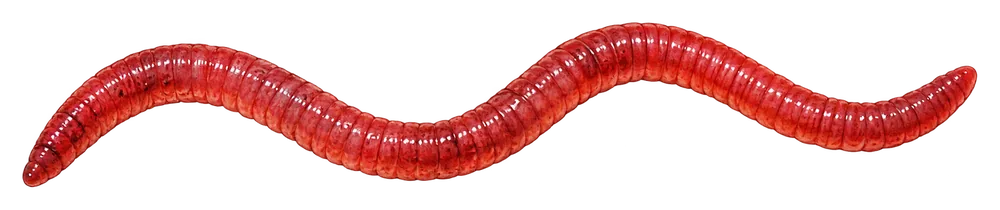 Worms | Bottom to mid-water | Resting under a float or on a bottom rig, and with a sliding float or drop shot also fished actively | you are looking for a bait for almost all fish species |
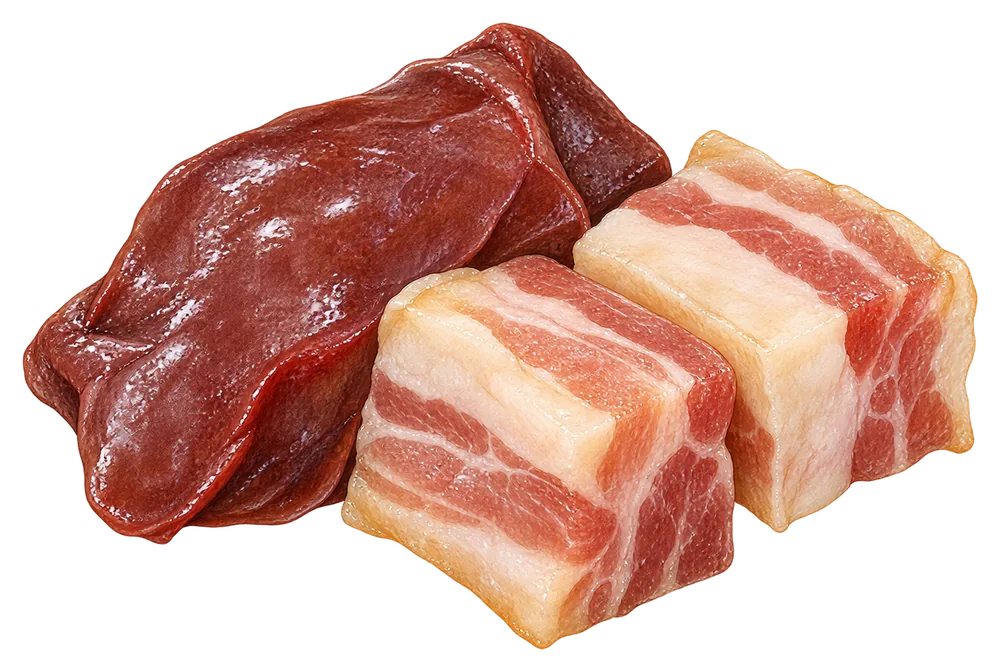 Offal & meat | Bottom | Stationary on the bottom, held at depth in the current with point weighting | you sit for chub in winter |
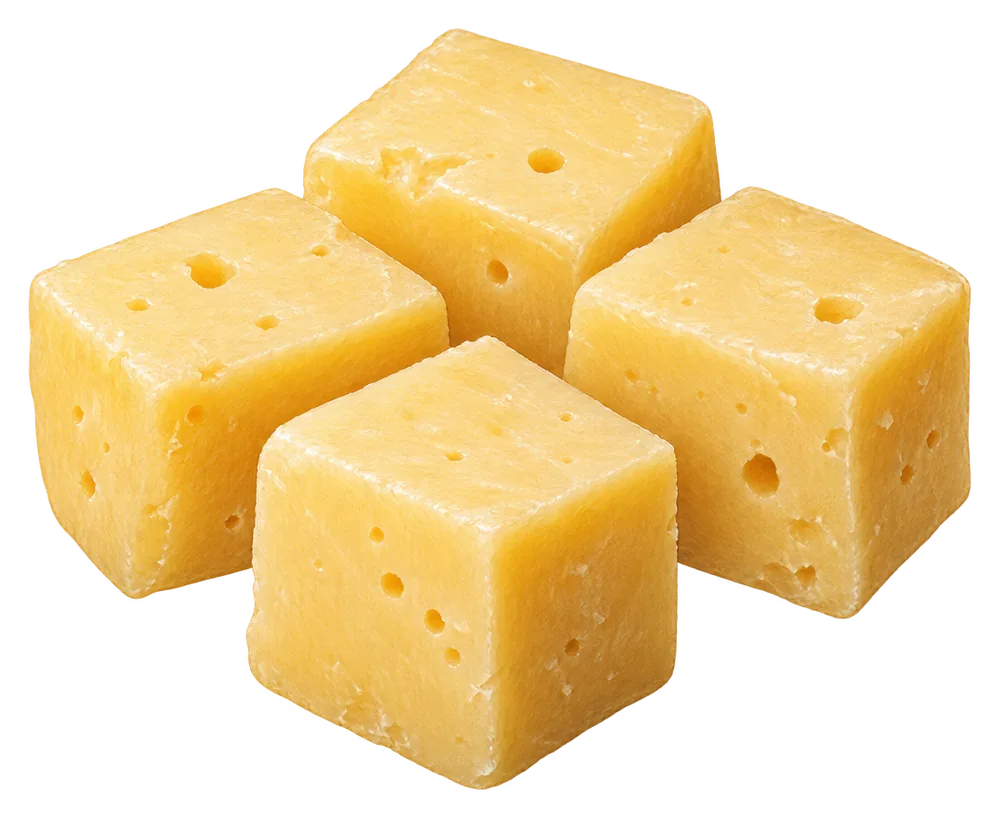 Cheese | Bottom | Stationary on the bottom, paste also drifting | you prefer a chub bait from the fridge |
What you need
- Bottom or float rodMedium rod. On a free line a longer rod helps with guiding. More
- LineMonofilament main line with a breaking strain suited to chub, barbel or eel. More
- Worm boxWith air holes and a little moss or bark. More
- Glove or spoonThe slime is stubborn. Collect with a glove, paper or a spoon.
More on the method: Float fishing and Bottom fishing.
At a glance
Editorial assessment, not measured values.
If it does not work
The tough skin blocks the hook: let the point show clearly.
Choose a hook bend that matches the slug, otherwise it will not take hold.
Look at hedges, walls and damp places, in wet weather or at night, or lay out boards as hiding places.
Put in some moss or bark, keep the box in the shade and replace rotting grass.
Put small foam or cork balls on the line or use a larger float.
Pick them up with a glove, paper or a spoon, and wash your hands with soap afterwards.
Frequently asked questions
Which slugs are suitable?
Slugs without shells, such as the brown slug and the Spanish slug. Better leave snails with shells alone: the Roman snail is specially protected.
Which fish bite on slugs?
Eel, chub and barbel are mentioned, and in still water also carp and Prussian carp. Tench and large coarse fish take them too.
Do I need a weight?
Not on a free line. The slug has enough weight of its own for the cast.
May I use Roman snails as bait?
No. The common and the spotted Roman snail are specially protected, and it is forbidden to pursue or catch them. Use only slugs without shells.
How do I keep slugs fresh?
In a worm box with moss, bark or fresh grass, in the shade and damp. You change the grass as soon as it rots; moss lasts longer.
Before fishing, the current permits, state rules and water rules apply: bait bans, number of hooks, closed seasons, protected species and catch limits can differ. Many federal states expressly ban live baitfish. Take bait remains and packaging away with you. All details are guide values without guarantee and do not replace legal advice.
Sources
- Bayerische Fischerjugend im LFV Bayern: Nacktschnecken als Köder (Archivfassung vom 16.06.2026)
- Blinker: Die 11 besten Aalköder
- Landwirtschaftskammer Schleswig-Holstein: Schnecken im Garten
- Bundesinstitut für Öffentliche Gesundheit: Händewaschen
- Bundesartenschutzverordnung: Anlage 1, Schutzstatus der Arten
- Bundesartenschutzverordnung: § 1, besonders geschützte Arten
- Bundesnaturschutzgesetz: § 44, Vorschriften für besonders geschützte Arten
The sources explain terms and basic principles. Presentation and values are editorial starting points and depend on water, weather and bait.
More animal natural baits
Worms Maggots & larvae
 Baitfish
 Crustaceans & shellfish
 InsectsOffal & meat
 Lugworm
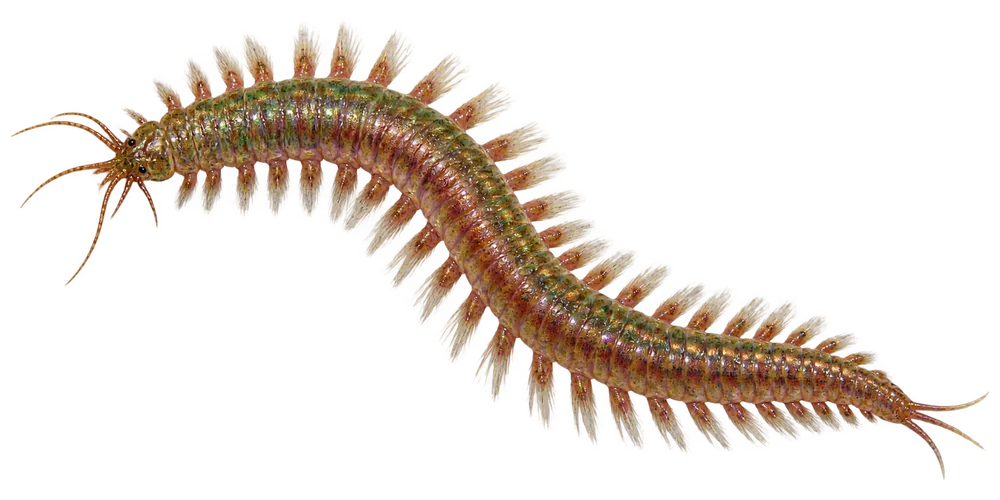 Ragworm
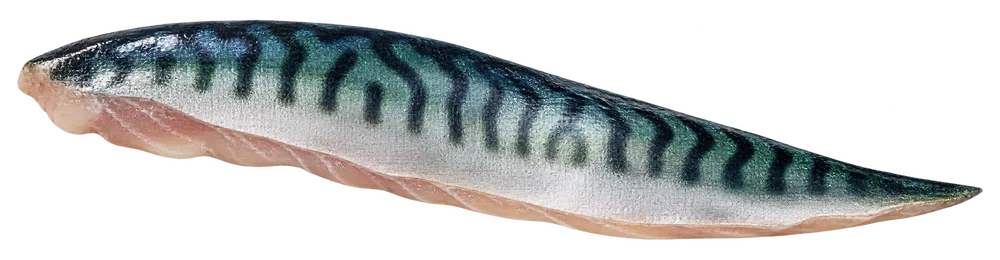 Fish strips
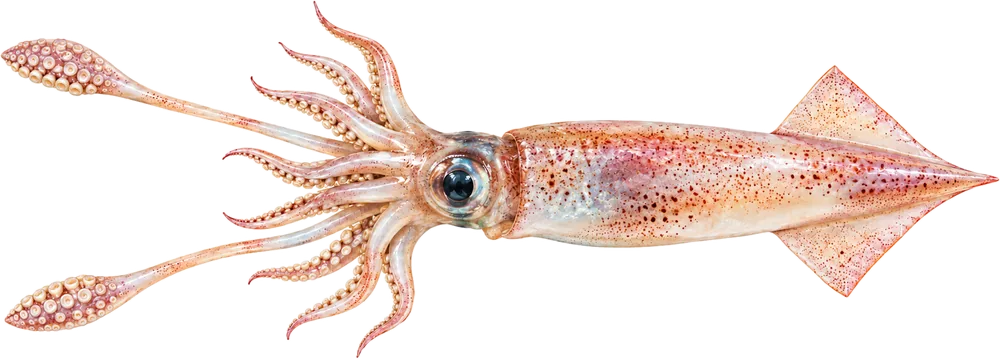 Cuttlefish & squid
Created with AI support from the sources named (AI notice). Last updated: 23 October 2026. Found a mistake? Write to us. Who is behind the site: About me.