
Knowledge · Lures
Offal and meat
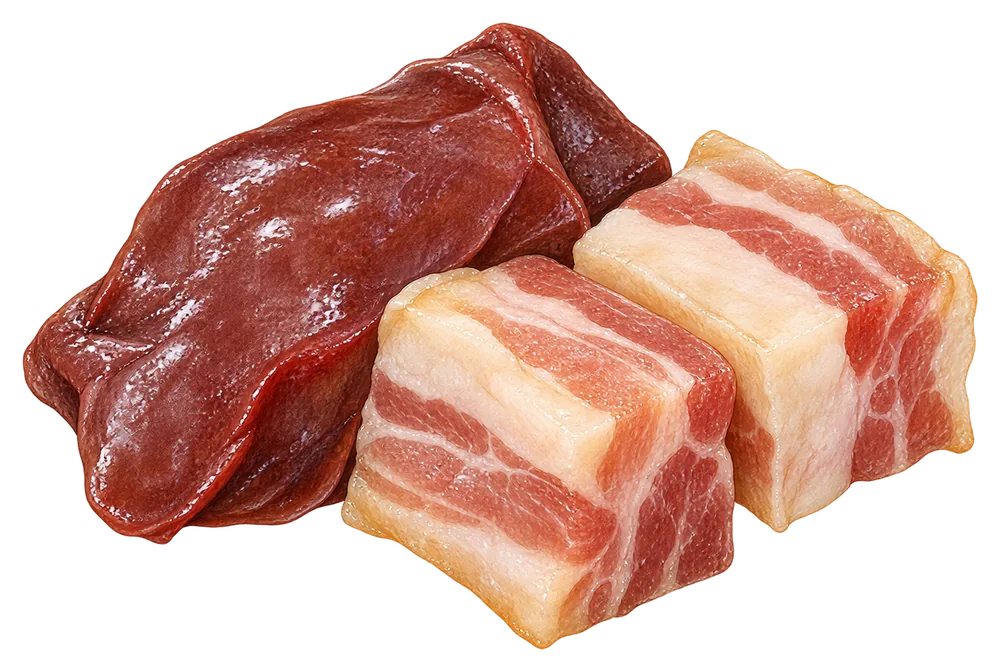
Animal natural baits · Waiting game with a float or on the bottom
Meat on the hook sounds unusual, but it has been catching fish for decades. Liver attracts eel, chub and burbot with its blood, luncheon meat is considered a classic for chub and barbel, and a hard mini salami is fished on the hair for carp. Raw meat requires hygiene in transport and a look at the water rules (Gewässerordnung).
- Water depth
- Bottom
- Presentation
- Stationary on the bottom, held at depth in the current with point weighting
- Fishing method
- Waiting game with a float or on the bottom
- Category
- Animal natural baits
How it works
Meat baits work through smell and taste. With liver it is the blood that appeals to the fish’s sense of smell in the water. Because liver bleeds out underwater, it loses effect and is changed about every half hour.
Liver is regarded as an alternative to the lobworm when fishing for eel; chub, burbot, brown trout and char take it too. For winter chub, chicken liver is offered in small cubes, because small pieces smell more strongly. From the chicken, heart and fatty strips of skin also work for eel.
Luncheon meat and meat sausage come from the supermarket. Luncheon meat became known in England as a bait for chub and barbel and also catches carp; a coarse angler uses it to catch the bigger fish in particular. Sausage is tougher and leaner than luncheon meat. A hard mini salami stays on the hair even in a strong current.
Fatty meat partly floats or sinks unevenly, so the fish stay in the upper water column. A coarse angler therefore pours boiling water over the cubes to wash out the fat. The baits then sink evenly to the bottom.
How to present the bait
Stationary on the bottom, held at depth in the current with point weighting
Schematic illustration, AI-generated.
- cast out
- lies on the bottom or hangs from the float
- wait for the bite
- re-bait
Anatomy
The points on the picture above explain the most important parts – on hover or tap.
- Liver: Soft and bloody: it attracts strongly, but it bleeds out and is changed about every half hour.
- Meat cubes: Firm enough for a hook or hair; fried on one side, it holds better.
- Cube shape: Cubes of about six millimetres sit straight on the hair and do not attract small fish.
Rig in three steps
- 1. Hooklength and hookA sharp hook with a wide bend. The point sticks out of the bait.
- 2. Cube on the hairPull firm cubes or salami onto the hair with the baiting needle and secure them with a stop. Hair rig step by step
- 3. Present on the bottomA light weight that only just lies on the bottom, and a bow in the line so the fish feels little resistance. Running-weight rig step by step
Drawings: AI-generated, schematic.
When the target fish are in season
Hardly any chancePossibleGoodPeak seasonValues from the catch calendar.
When and where
In winter, small fish are sluggish and bother the older, cautious chub less. Good waters are small rivers, canals and polders. When the water is below four degrees, chub hold at cover such as undercut banks, overhanging branches and fallen trees. Above that, they actively search for food in deeper pools, channels and at inflows. Slightly raised, cloudy water makes them less wary, while cold meltwater makes fishing harder.
Meat does not only catch in winter. A coarse angler uses luncheon meat on lakes from spring to late autumn, and on heavily fished waters meat offers the fish something different from the usual baits. Liver is also used on trout lakes. Whether meat is allowed as bait or in groundbait is set by the federal state (Bundesland) and the water rules.
How to choose the type of meat and the cube size
Liver, most often from chicken, suits eel, chub and burbot. Luncheon meat catches chub, barbel, carp and bream. You take sausage and salami when the bait has to sit firmly on the hair, for example in a current.
A coarse angler prefers cubes of six millimetres. Smaller pieces attract small fish, which nibble until the bait falls off. The hook should have a wide bend and be sharp; the point must stick out of the bait, otherwise the strike will not take hold.
How to store meat baits hygienically
According to the Bundesinstitut für Risikobewertung, raw poultry is one of the main sources of Campylobacter infection, especially when poor kitchen hygiene leads to cross-contamination. For chicken liver that means: store it apart from food, in closed containers and chilled, so that no meat juice gets onto other things.
On a session the liver goes into the cool box. After handling raw meat, anglers wash their hands, as recommended by the Bundesinstitut für Öffentliche Gesundheit. You take leftovers home with you.
How to bait up and fish in winter
- Cut cubes Cut the meat into cubes; a coarse angler prefers six millimetres.
- Fry on one side Fried on one side, the meat cube holds better.
- Onto the hair with the baiting needle Pull firm cubes or salami onto the hair with the baiting needle.
- Secure with a stop Secure the bait on the hair with a stop.
Luncheon meat sits better on the hook if you fry it crisp on one side. Firm cubes or salami hold on the hair; a chain of meat, cheese and sweetcorn, pulled on with the baiting needle, moves nicely in the current.
For chub in winter a light weight is enough, just heavy enough to lie on the bottom. A bow in the line reduces resistance, and in a current a shorter hooklength helps. If there is no bite after about twenty minutes, a chub angler moves to another spot and keeps his distance.
Keep it fresh and present it
Keeping it fresh: store natural baits cool and in the shade, take only as much as necessary and do not tip leftovers into the water. When baiting up, the hook point must stay free so that the strike takes hold.
Offal & meat or another bait after all?
| Baits and lures | Depth | Presentation | Take this lure if … |
|---|---|---|---|
| Offal & meat | Bottom | Stationary on the bottom, held at depth in the current with point weighting | this page |
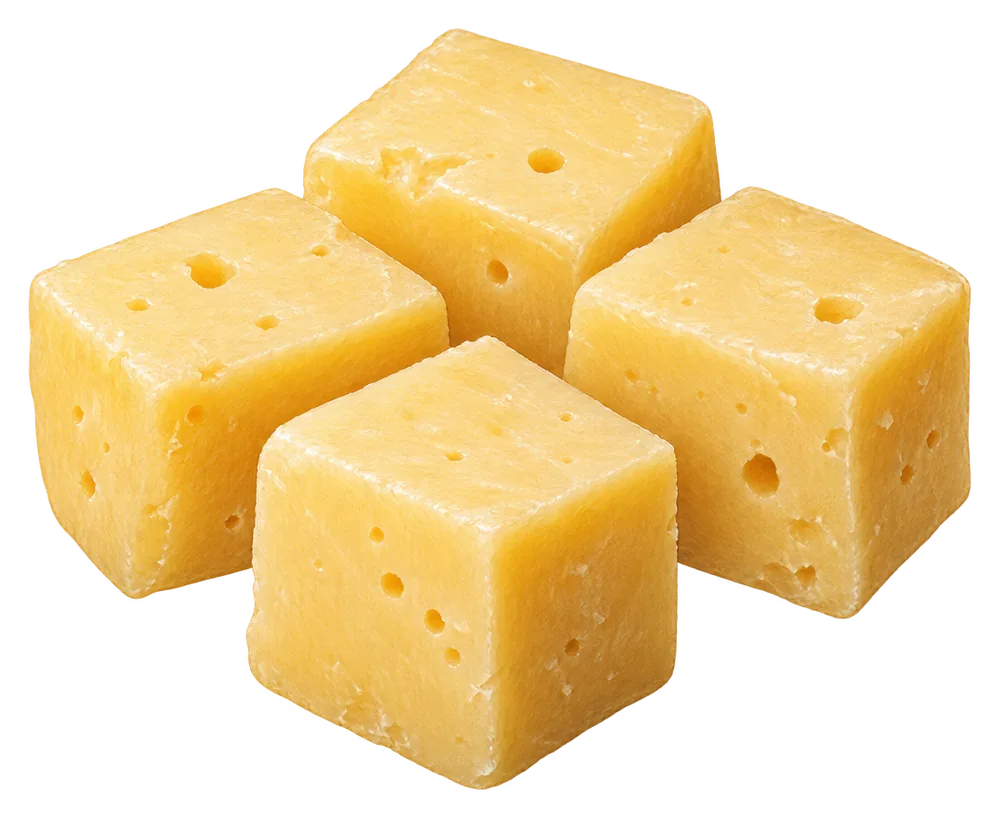 Cheese | Bottom | Stationary on the bottom, paste also drifting | you want a chub bait without blood |
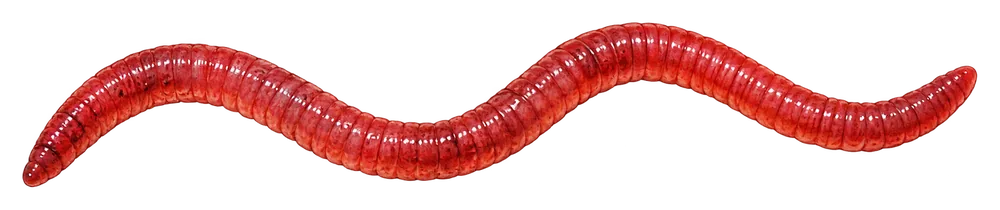 Worms | Bottom to mid-water | Resting under a float or on a bottom rig, and with a sliding float or drop shot also fished actively | you want to fish for almost all species all year round |
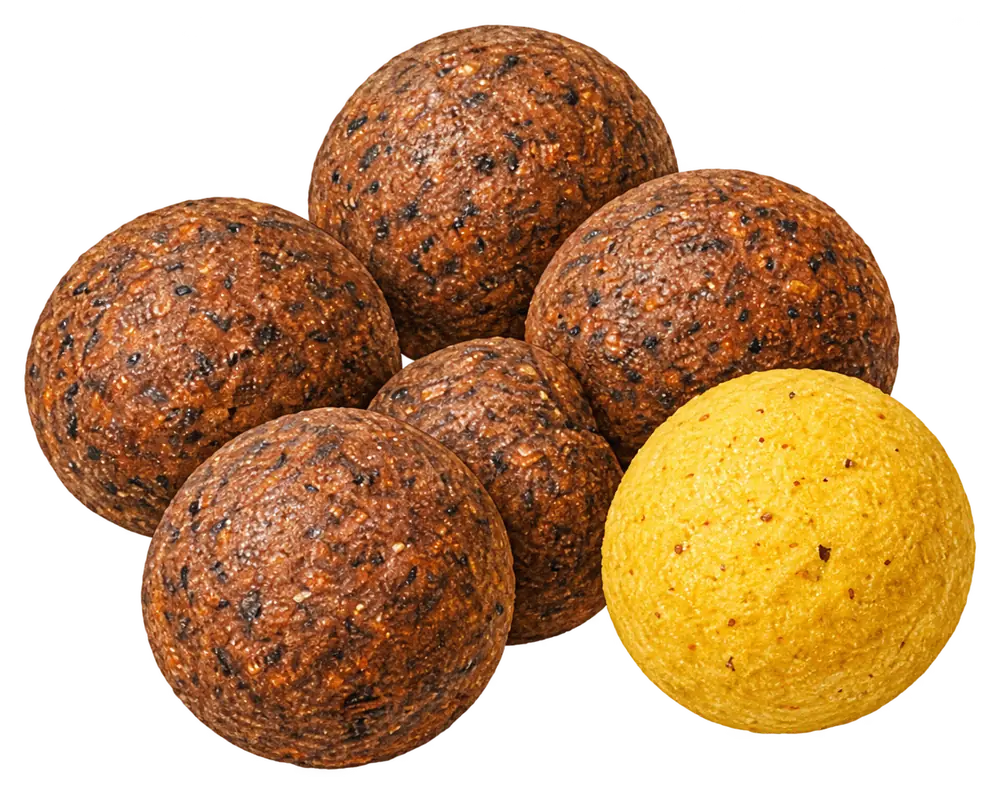 Boilies | Bottom, pop-ups just above it | Resting on the bottom, on the hair beside the hook | you sit for a long time and target carp specifically |
What you need
- Bottom rodMedium bottom rod with a fine tip that also shows timid winter bites. More
- LineMonofilament main line with a breaking strain suited to chub, barbel or carp. More
- Baiting needle and stopPulls cubes onto the hair and secures them. More
- Cool boxKeeps liver and meat cool at the waterside and apart from other things. More
More on the method: Float fishing and Bottom fishing.
At a glance
Editorial assessment, not measured values.
If it does not work
Use smaller cubes and cast gently. If you have to cast far, use sausage or salami on a hair.
The liver has bled out. Re-bait with fresh liver about every half hour; with chub, move swim after about twenty minutes.
Fry on one side or present on the hair. Do not cut the cubes too small, or small fish will nibble them.
Frequently asked questions
Which liver should I use?
Mainly raw chicken liver is mentioned, for example for chub in winter and for eel. Chicken heart is also used for eel.
Which fish is meat worth using for?
Mainly for chub, barbel, eel and carp. Luncheon meat also catches bream, and liver is used on trout lakes and for burbot.
How big should the meat cubes be?
A coarse angler prefers around six millimetres. Smaller cubes attract small fish, which nibble them until the bait falls off.
How do I store meat baits?
Chilled, in closed containers and apart from food, because raw poultry can carry pathogens. Wash your hands after handling raw meat.
Is meat allowed as bait?
Usually yes, but some water rules restrict bait or groundbait. Check beforehand and, if in doubt, ask the club.
Before fishing, the current permits, state rules and water rules apply: bait bans, number of hooks, closed seasons, protected species and catch limits can differ. Many federal states expressly ban live baitfish. Take bait remains and packaging away with you. All details are guide values without guarantee and do not replace legal advice.
Sources
- Bundesinstitut für Risikobewertung: Campylobacter
- Bundesinstitut für Risikobewertung: Korrektes Kühlen von Lebensmitteln im Privathaushalt
- Bundesinstitut für Öffentliche Gesundheit: Händewaschen
- Rute & Rolle: Fleisch fängt Friedfische
- Rute & Rolle: Döbel eiskalt erwischt
- Fisch & Fang: 50 Barben-Tipps
- Fisch & Fang: Aal, Platzwahl und Köder
- Blinker: Fleisch als Angelköder
- Blinker: Winter-Taktik für dicke Döbel
The sources explain terms and basic principles. Presentation and values are editorial starting points and depend on water, weather and bait.
More animal natural baits
Worms Maggots & larvae
 Baitfish
 Crustaceans & shellfish
 Insects
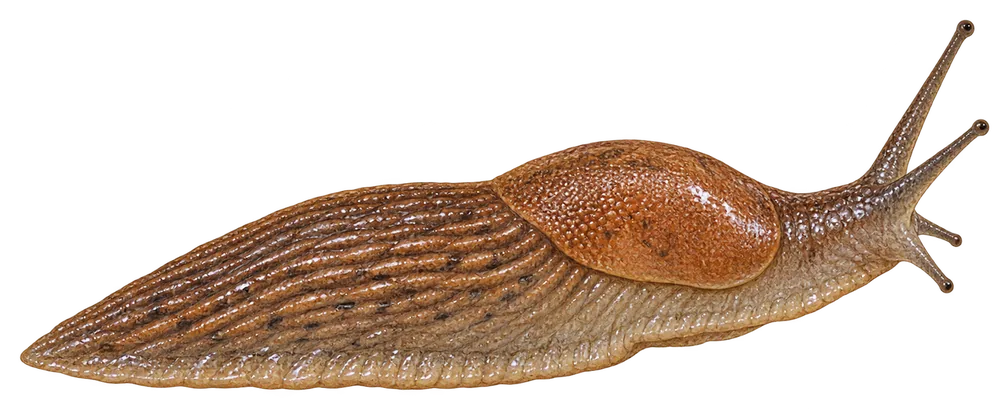 Snails
 Lugworm
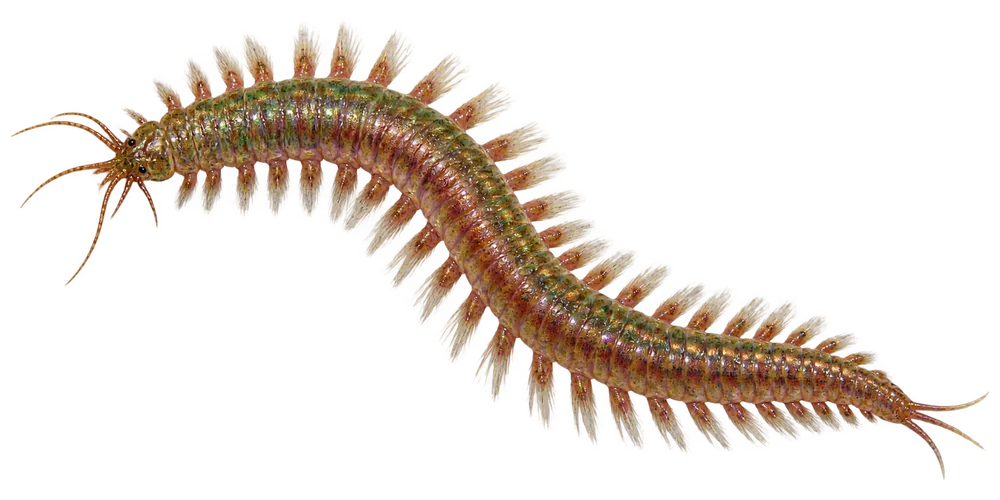 Ragworm
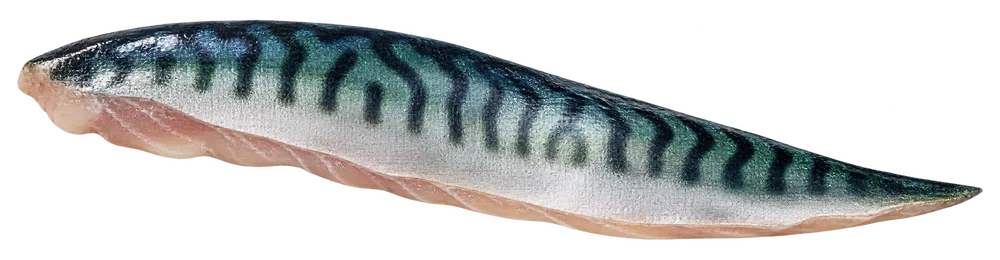 Fish strips
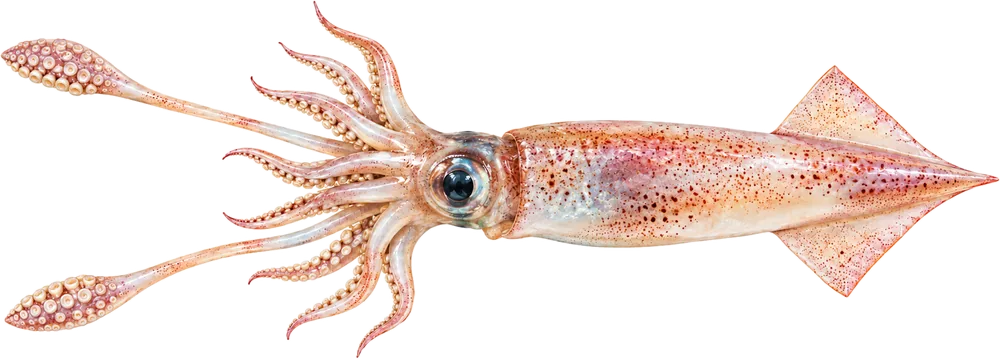 Cuttlefish & squid
Created with AI support from the sources named (AI notice). Last updated: 23 October 2026. Found a mistake? Write to us. Who is behind the site: About me.