
Knowledge · Lures
Ragworm
Animal natural baits · Waiting game with a float or on the bottom
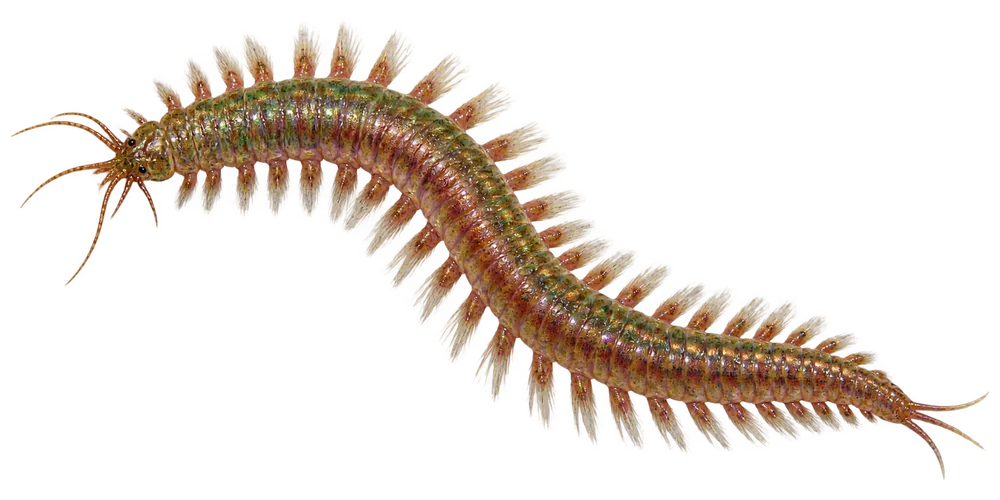
Next to the lugworm, the ragworm is the second big worm bait on the North Sea and Baltic. It is less delicate, mobile and sits more firmly on the hook. Anglers use it for flatfish, cod, whiting and garfish; take care when baiting, because it has jaws and nips.
- Water depth
- Bottom
- Presentation
- Resting on the bottom, for garfish also under a float
- Fishing method
- Waiting game with a float or on the bottom
- Category
- Animal natural baits
How it works
Ragworms belong to the Nereididae, bristle worms with many segments. Several species stand behind the name, among them the green, the brown and the iridescent ragworm. In the North Sea and Baltic the animals usually grow ten to twelve centimetres long, and the iridescent ragworm 6 to 12 centimetres according to the British marine network MarLIN. They are coloured yellow-green to red-brown, with a slight blue tinge in the spawning season.
The hallmark is an eversible pharynx with a pair of jaws. That is why the worm is also called a nipper in the tackle shop, and it is a little bitey. If you take it behind the head, you avoid that. Side processes with bristles serve the worm for crawling and swimming; as bait it is therefore agile.
As bait it works through movement and smell. Flatfish search the bottom for worms, mussels and prawns, and anglers report that they take ragworm even more readily than lugworm. The ragworm is not as delicate as the lugworm and holds quite well on the hook. It is baited on whole or simply pierced; for garfish and cautious fish a small piece will also do.
How to present the bait
Resting on the bottom, for garfish also under a float
Schematic illustration, AI-generated.
- cast out
- lies on the bottom or hangs from the float
- wait for the bite
- re-bait
Anatomy
The points on the picture above explain the most important parts – on hover or tap.
- Head with jaws: The pharynx can be everted and carries a pair of jaws; that is why the worm nips.
- Side processes: Paired processes with bristles help the worm crawl and swim.
- Body: This is where the worm is pierced or threaded on whole. The colour ranges from yellow-green to red-brown.
- Tail end: The rear end is narrower; a cut-off piece serves as a stopper behind the lugworm.
Rig in three steps
- 1. Threading on or piercingThe worm is threaded on whole or simply pierced. The hook point stays free so the strike takes hold.
- 2. Hook snoods on the surf rigIn the surf the baited hooks hang on snoods above the grip lead, with beads in front of them as an attractor. The surf rig step by step
- 3. Float for garfishUnder a mackerel float or water bubble the bait sits no more than a metre below the surface; the hooklength stays shorter than a metre. Float rig step by step
Drawings: AI-generated, schematic.
When the target fish are in season
Hardly any chancePossibleGoodPeak seasonValues from the catch calendar.
When and where
In the surf the ragworm is the main bait alongside the lugworm. Flounder are also caught with it in seaports, off piers and in river mouths. From a boat, a flatfish drift off Langeland shows how much exact depth matters: at seven metres only weed hung on the hooks and no fish, and only over sandy ground and later at ten to twelve metres did plaice and dab bite.
For garfish the ragworm counts as a good bait under a float. In May the fish move in shoals into shallow water to spawn; sunny days with an offshore wind or no wind count as the best conditions. Garfish mostly swim very shallow, so the hooklength stays under a metre. On a bottom rig with a surf rod, buoyant beads in front of the hook make sure the bait hangs no more than a metre deep.
Pollack also bite on ragworm and lugworm, but catch better on strips of herring, mackerel or garfish. If you dig your own: at low tide you can dig ragworm and lugworm in muddy shore zones. In the Wadden Sea national parks (Wattenmeer) there are separate rules depending on state and zone; ask the national park authority before digging.
Fishing for cod in the Baltic Sea is banned in 2026 (as of October 2026). If one bites on the German coast anyway, put it back at once. Before every trip, check the current fishing rules for your area.
How to choose piece length and hook
- Take it behind the head The worm can nip. Take it behind the head and nothing will happen to you.
- Take off a piece The ragworm does not have to go on the hook whole; for flatfish from a boat half a worm to a whole one is enough.
- Thread on or pierce Thread the worm onto the hook or simply pierce it.
- Leave the point free The hook point stays free so the strike takes hold.
The ragworm does not have to go on the hook whole. When fishing for flatfish from a boat, half a worm to a whole one per hook with a few beads in front is enough. For garfish thin pieces will do, and in a harbour in the Netherlands even a piece barely two centimetres long was enough, moved with short twitches.
For flatfish the practical figures give long-shank hooks of size 1 to 3, and for worm baits on plaice also 1 to 1/0. For garfish a long-shank hook of around size 2 suits, and for pollack size 1 to 2/0.
How to keep ragworms fresh
Ragworms are less delicate than lugworms, but should also be stored in newspaper. Sort out dead and soft animals, because the fresher the bait, the better it catches. On warm days a small cool box at the fishing spot helps.
The worm is bought at a tackle shop on the coast, and animals you dig yourself should come from permitted areas.
How to present the worm
In the surf the combination applies: the lugworm goes on the hook first, then a piece of ragworm as a stopper. From a harbour or pier you inch the bait slowly across the bottom and add pauses so flounder can inspect it in peace.
Under a float, elastic thread around the hook holds a thin piece in place. Before casting, check in the shallows whether the bead still carries the piece of bait high enough. When fishing flatfish from a boat you do not strike at the first tug but wait; the fish suck the bait in.
Keep it fresh and present it
Keeping it fresh: store natural baits cool and in the shade, take only as much as necessary and do not tip leftovers into the water. When baiting up, the hook point must stay free so that the strike takes hold.
Ragworm or a different bait after all?
| Baits and lures | Depth | Presentation | Take this lure if … |
|---|---|---|---|
| Ragworm | Bottom | Resting on the bottom, for garfish also under a float | this page |
 Lugworm | Bottom | Stationary on the bottom, cast far from the beach; wait for bites | you rely on the strong aroma and want to thread on a soft worm carefully |
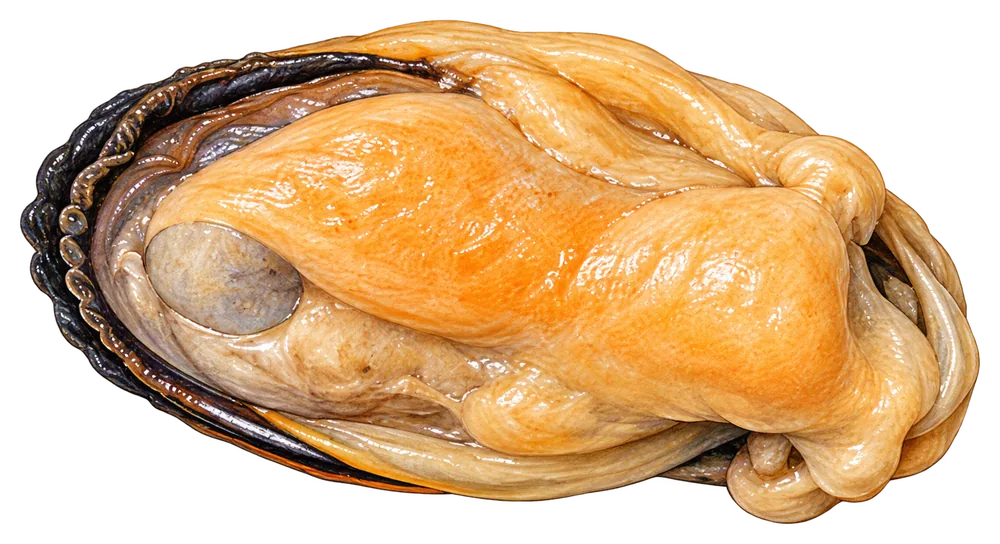 Crustaceans and mussels | Bottom | Resting on the bottom, at sea guided slowly across the bottom with the drift | you want to offer prawn or mussel meat |
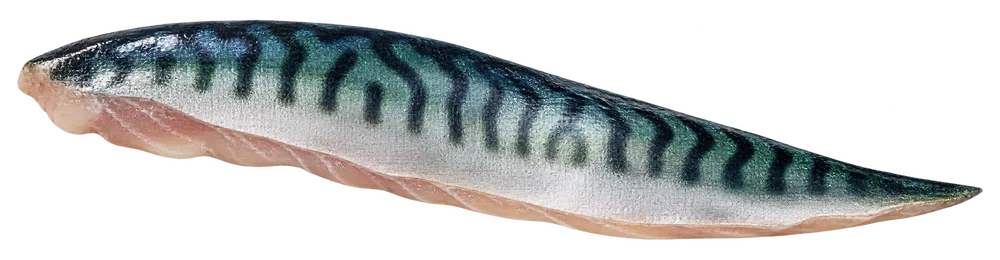 Cut bait | Bottom to mid-water | Stationary on the bottom or under the float, guided slowly from a boat with the drift | you are fishing for garfish or pollack with a narrow strip |
What you need
- Surf rod3,50 to 4,20 metres long; for bottom fishing for garfish a light surf rod will also do. More
- LineFor garfish a clear mono hooklength of about 0,30 mm, no longer than a metre. More
- FloatA slim mackerel float or a water bubble keeps the bait shallow. More
- Cool boxKeeps the worms fresh on warm days. More
More on the method: Float fishing, Bottom fishing and Surf fishing.
At a glance
Editorial assessment, not measured values.
If it does not work
Take the worm behind the head and the jaws cannot reach you.
Leave the point free, otherwise the strike will not take hold.
Store in newspaper somewhere cool, sort out dead and soft animals, and take a cool box on warm days.
Put larger buoyant beads in front of the hook and check in the shallows that they carry the piece of bait.
Use thin pieces and fix them with thin elastic thread around the hook.
Shift the drift and start again deeper over sandy ground instead of carrying on fishing over weed.
Frequently asked questions
Does the ragworm bite?
It can nip. Its eversible pharynx carries a pair of jaws, which is why it is also called a nipper in the tackle shop. Take it behind the head and nothing will happen to you.
Ragworm or lugworm?
The lugworm lures with a strong aroma but is more delicate. The ragworm is tougher and holds better on the hook. A popular combination is the lugworm first, then a piece of ragworm as a stopper.
How do I store ragworms?
Wrapped in newspaper and kept cool. They are not as delicate as lugworms, but sort out dead or soft animals.
How much worm belongs on the hook?
It depends on the target fish. For flatfish from a boat half a worm to a whole one is enough, for garfish a thin piece.
Why use ragworms for garfish?
They are light and mobile, so the bait stays close to the surface. With a bead or float it sits no more than a metre deep, where the garfish swim.
Before fishing, the current permits, state rules and water rules apply: bait bans, number of hooks, closed seasons, protected species and catch limits can differ. Many federal states expressly ban live baitfish. Take bait remains and packaging away with you. All details are guide values without guarantee and do not replace legal advice.
Sources
- MarLIN: Ragworm (Hediste diversicolor)
- Blinker: Naturköder zum Meeresangeln
- Blinker: Tipps zum Hornhechtangeln
- Fisch & Fang: Flundern für Landratten
- Fisch & Fang: Volle Ladung in die Brandung
- Rute & Rolle: Langeland, ein echtes Traumrevier
- Rute & Rolle: Artenvielfalt im Hafen von Scheveningen
- Rute & Rolle: Kliesche (Limanda limanda)
- Rute & Rolle: Fünf Köder für Pollack
- Nationalpark Wattenmeer: Sport- und Freizeitfischerei
- DAFV: Fangregeln Ostsee 2026
- WoRMS: Alitta virens (Grüner Seeringelwurm)
- WoRMS: Nereis pelagica (Brauner Seeringelwurm)
- WoRMS: Hediste diversicolor (Schillernder Seeringelwurm)
The sources explain terms and basic principles. Presentation and values are editorial starting points and depend on water, weather and bait.
More animal natural baits
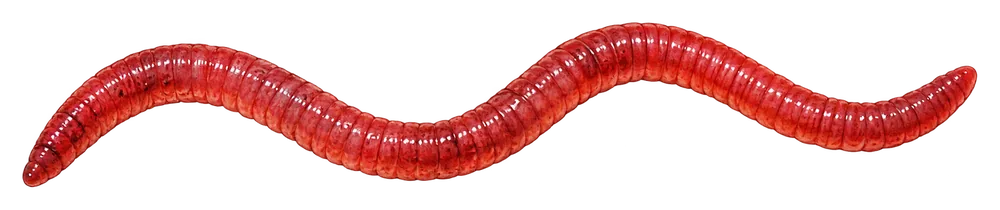 Worms
 Maggots & larvae
 BaitfishCrustaceans & mussels
 Insects
 Snails
 Offal & meatLugwormFish strips
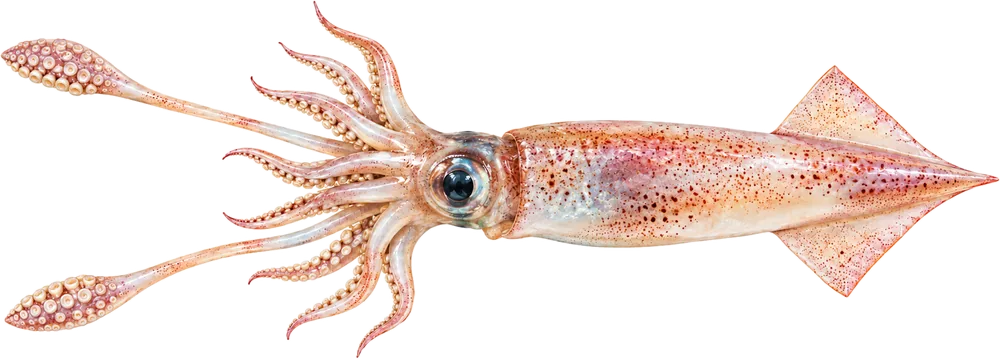 Cuttlefish & squid
Created with AI support from the sources listed (AI notice). Last updated: 2 November 2026. Found a mistake? Write to us. Who is behind the site: About me.