
Knowledge · Lures
Lugworm

Animal natural baits · Waiting game with a float or on the bottom
The lugworm is the classic bait for surf fishing on the North Sea and Baltic. Anglers use it for flatfish, cod and whiting; fishing for eel at sea is currently banned. It lures with a strong smell but is soft and spoils easily, so it goes onto the hook with a baiting needle.
- Water depth
- Bottom
- Presentation
- Stationary on the bottom, cast far from the beach; wait for bites
- Fishing method
- Waiting game with a float or on the bottom
- Category
- Animal natural baits
How it works
The lugworm lives in a U- or J-shaped burrow lying 20 to 40 centimetres deep in the sand. At one end is a small depression, at the other the little heap of expelled sand by which you recognise the spot on the beach. According to the British marine network MarLIN, adult animals grow 12 to 20 centimetres long; the colour ranges from pink through red and green to dark brown and black.
As bait the worm works through its strong aroma and as familiar prey. Flatfish feed on small animals of the sandy bottom such as lugworms and ragworms, mussels and prawns, and MarLIN expressly names them as predators of the lugworm. Soft as it is, the worm leaks when the hook point pierces it several times.
That is why it is threaded on. The worm goes onto a long baiting needle thick end first. Then you guide the hook point into the opening at the end of the needle and pull the hooklength taut downwards so the hook does not slip out. Finally you carefully slide the worm from the needle onto the hook without piercing it with the point.
How to present the bait
Stationary on the bottom, cast far from the beach; wait for bites
Schematic illustration, AI-generated.
- cast out
- lies on the bottom or hangs from the float
- wait for the bite
- re-bait
Anatomy
The points on the picture above explain the most important parts – on hover or tap.
- Head end: Small and blunt, without feelers and eyes. The worm goes onto the baiting needle thick end first.
- Front body: Firm, cylindrical part with 19 bristled segments; the colour ranges from pink to dark brown.
- Gill tufts: Bushy gills on the rear segments of the front body; they are how you recognise the lugworm.
- Tail end: The narrow rear body has neither bristles nor gills.
Rig in three steps
- 1. Threading it on with the baiting needleWorm onto the needle thick end first, guide the hook point into the needle end, keep the hooklength taut and slide the worm onto the hook.
- 2. Two hooks on the surf traceTwo snoods with hooks on the trace, a grip lead at the end. The page on the surf rig shows the set-up. The surf rig step by step
- 3. Attractor beads in front of the hookBuoyant, glowing beads with a rubber stop in front of the hook; with enough current, a small spinner blade also attracts fish.
Drawings: AI-generated, schematic.
When the target fish are in season
Hardly any chancePossibleGoodPeak seasonValues from the catch calendar.
When and where
The lugworm is the classic bait for surf fishing from the beach. The best time for flatfish is summer and early autumn: plaice bite best from May to September, flounder from July to October, dab in September and October. In autumn the fish are well fed but often stay rather small. In spring they are bigger, but usually thin after spawning. They like to bite from sunset onwards, sometimes all night, and in autumn also on overcast days with an onshore wind.
A good flatfish beach has gently sloping sandy ground with beds of seagrass and mussels nearby, because that is where their prey lives. Groyne fields bring in food with their return currents. If the current is too strong, flatfish bury themselves in the sand. When cod move over the sand, the flatfish hide; then all you can do is cast shorter.
In seaports, on piers and in river mouths you can catch flounder with lugworm even without surf tackle. As long as a river is tidal, the flounder move upstream with the flood, and the rising water gives you the best chances there. Whiting can be found in the Wadden Sea all year round, smaller in spring, bigger in autumn.
If you want to dig your own: in the Wadden Sea national parks, each state and zone has its own rules. In the Lower Saxony national park, digging lugworms by hand is freely allowed in the intermediate zone and the recreation zone, but in the protection zone only on a few approved areas. For Schleswig-Holstein and Hamburg, ask the national park authority before you dig.
Fishing for cod in the Baltic Sea is banned in 2026 (as of October 2026). If one bites on the German coast anyway, put it back at once. Before every trip, check the current fishing rules for your area.
How to choose hook, hooklength and beads
For flatfish you use long-shank hooks, usually in sizes 4 to 1. You do not need to go smaller: in a study by the Thünen Institute, size 2/0 hooks caught no fewer flatfish than size 2 and were swallowed deep less often. If you plan to release fish, you are better off with the larger hook and striking quickly on a bite.
The hooklength can be long. At least a metre gives the worm room to move and the fish time to suck it right in. In front of the hook sit attractor beads with a rubber stop, which you slide up when baiting, depending on the length of the worm. Because flatfish often lie close together on the bottom, a flatfish rig carries two hooks; the snoods are usually made of 0,35 to 0,40 mm monofilament.
How to get and store lugworms
Almost all shop-bought lugworms come from the North Sea, mostly from Denmark. On the Baltic Sea, anglers flush the worms out in shallow water with a plate on a handle, ten to 20 thrusts per spot, and scoop them up with a landing net. On the North Sea you dig at low tide with a fork; a spade cuts many worms in two.
Sort them on the beach: damaged and soft worms go in a separate bucket and go on the hook first. Wipe off the mud gently, rinse the worms in fresh sea water and keep them cool. Level the digging spots again: in British studies, levelled spots were recolonised within a month, while heaped-up spoil took longer.
For longer storage the worms go into a tub with no more than a third sea water, in a cool, dark place; for the first two days you change the water daily. With good care they last three to four weeks in the cold season, one to two in warm weather. For the fishing day you pack only firm worms in folded newspaper; there they last about three days if you pick out dead ones daily.
How to fish the lugworm in the surf
- Worm onto the needle Slide the worm, thick end first, onto a long baiting needle.
- Hook point into the needle end Guide the hook point into the opening at the end of the needle and pull the hooklength taut so the hook does not slip out.
- Worm onto the hook Carefully slide the worm from the needle onto the hook without piercing it with the point.
- Add a stop A piece of ragworm behind the lugworm holds it on the hook as a stop.
Bait the hooks before the cast and hang them in the clips of the rig, so the worm stays intact and on the hook during a long cast. Only cast when nobody is standing nearby: a 180-gram weight is dangerous. A piece of ragworm behind the lugworm acts as a stop and keeps it on the hook.
Flatfish often bite timidly: the rod tip twitches once or twice, then there is a pause. Do not strike straight away, but give the fish time to suck in the worm. A disgorger and a priest belong in your bag in case a hook sits deep.
Keep it fresh and present it
Keeping it fresh: store natural baits cool and in the shade, take only as much as necessary and do not tip leftovers into the water. When baiting up, the hook point must stay free so that the strike takes hold.
Lugworm or another bait after all?
| Baits and lures | Depth | Presentation | Take this lure if … |
|---|---|---|---|
| Lugworm | Bottom | Stationary on the bottom, cast far from the beach; wait for bites | this page |
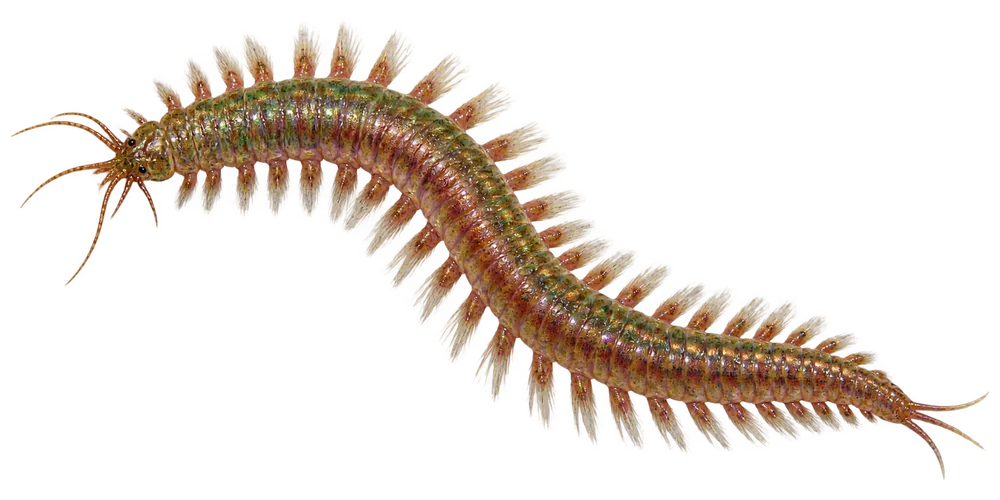 Ragworm | Bottom | Resting on the bottom, for garfish also under a float | you want a tougher worm that holds better on the hook, or you need a stop |
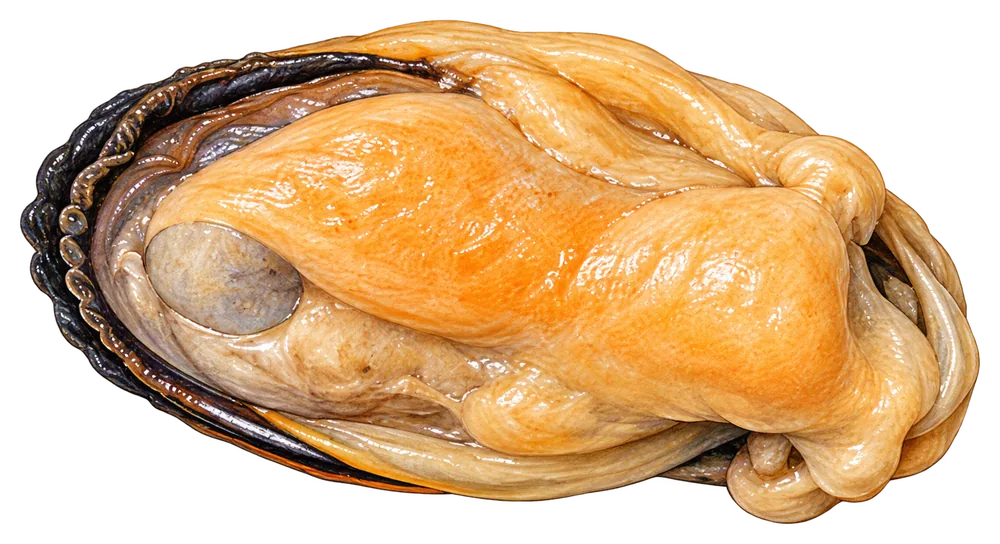 Crustaceans and mussels | Bottom | Resting on the bottom, at sea guided slowly across the bottom with the drift | you want to offer prawn or mussel meat |
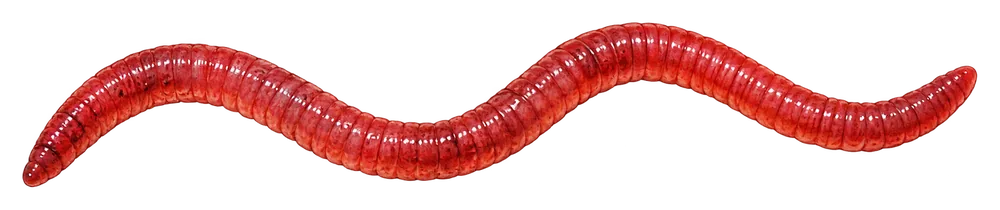 Worms | Bottom to mid-water | Resting under a float or on a bottom rig, and with a sliding float or drop shot also fished actively | you fish in fresh water |
What you need
- Surf rod3,50 to 4,20 metres long. An actual casting weight of around 200 grams is regarded as suitable, because manufacturers‘ figures are often too high. More
- LineTapered line from 0,58 down to 0,33 mm, or a 0,30 mainline with a 0,60 to 0,70 mm shock leader. More
- Baiting needleLong enough for the whole worm and with a hollow end for the hook point.
- Grip lead125 to 200 grams; the grips hold the rig in place in heavy surf. More
More on the method: Float fishing, Bottom fishing and Surf fishing.
At a glance
Editorial assessment, not measured values.
If it does not work
Thread it on with the baiting needle and do not pierce it several times with the hook point.
Hang the baited hooks in the clips of the rig, swing back smoothly and add a piece of ragworm as a stop.
Pick out soft and damaged worms, store the firm ones cool in newspaper and remove dead worms daily.
After the first twitch, wait until the tip shakes steadily. With a timid bite, go down to a smaller hook size.
Cast shorter and fish the spot close to the shore, where the flatfish still lie.
Dig with a fork instead of a spade and level the digging spots afterwards.
Frequently asked questions
How long do lugworms last?
Wrapped in newspaper they last about three days if you pick out dead ones daily. In a cool tub with sea water and regular water changes they last three to four weeks in cold weather.
May I dig lugworms myself?
That depends on the place. In Lower Saxony, digging lugworms by hand is freely allowed outside the protection zone, and in the protection zone only on a few areas. Ask the national park authority beforehand.
Lugworm or ragworm?
The lugworm attracts with its strong scent, the ragworm holds better on the hook. A popular combination is the lugworm first, then a piece of ragworm as a stop.
When do flatfish bite best in the surf?
Plaice from May to September, flounder from July to October, dab in September and October. They bite mainly from sunset onwards, sometimes all night. In spring the fish are bigger, but often thin after spawning.
Before fishing, the current permits, state rules and water rules apply: bait bans, number of hooks, closed seasons, protected species and catch limits can differ. Many federal states expressly ban live baitfish. Take bait remains and packaging away with you. All details are guide values without guarantee and do not replace legal advice.
Sources
- Nationalpark Wattenmeer: Sport- und Freizeitfischerei
- Nationalpark Wattenmeer: Wittling (Artensteckbrief)
- MarLIN: Blow lug (Arenicola marina)
- Blinker: Wattwurm selber beschaffen und richtig hältern
- Blinker: Brandungsangeln
- Blinker: Naturköder zum Meeresangeln
- Fisch & Fang: Flundern für Landratten
- Fisch & Fang: Volle Ladung in die Brandung
- Rute & Rolle: Flunder (Platichthys flesus)
- DAFV: Fangregeln Ostsee 2026
- Thünen-Institut: Working Paper 262, Selektivität und Überlebensraten nach dem Zurücksetzen in der Angelfischerei auf Plattfische
The sources explain terms and basic principles. Presentation and values are editorial starting points and depend on water, weather and bait.
More animal natural baits
Worms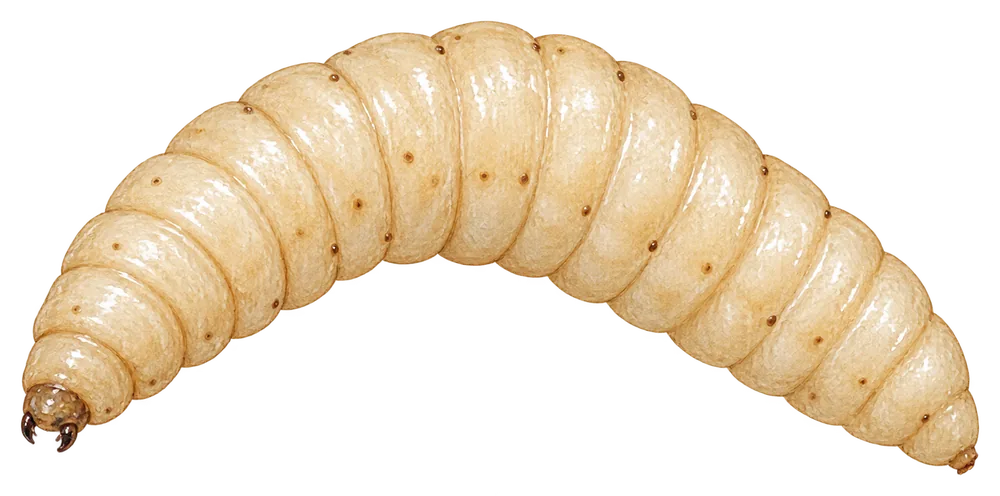 Maggots & larvae
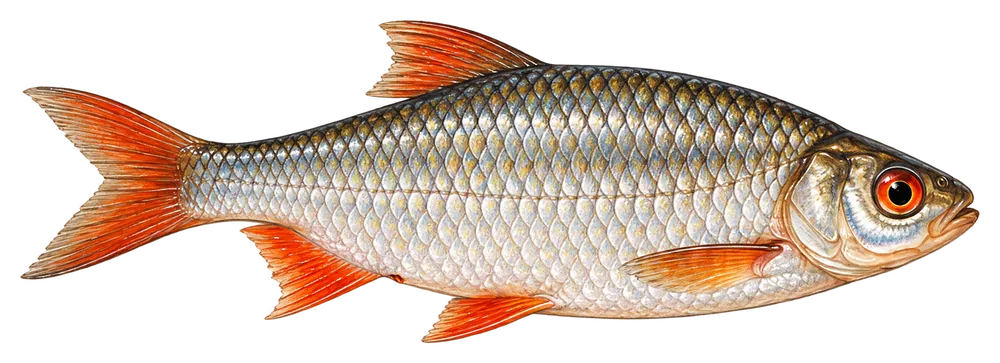 BaitfishCrustaceans & shellfish
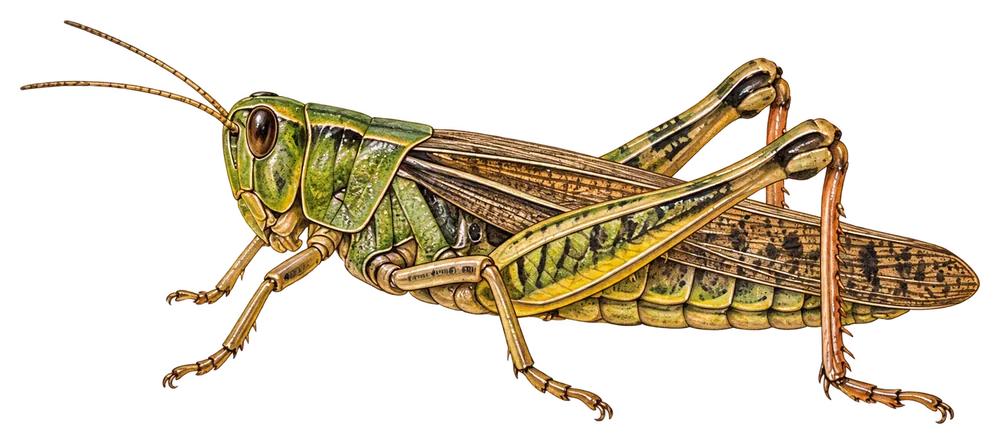 Insects
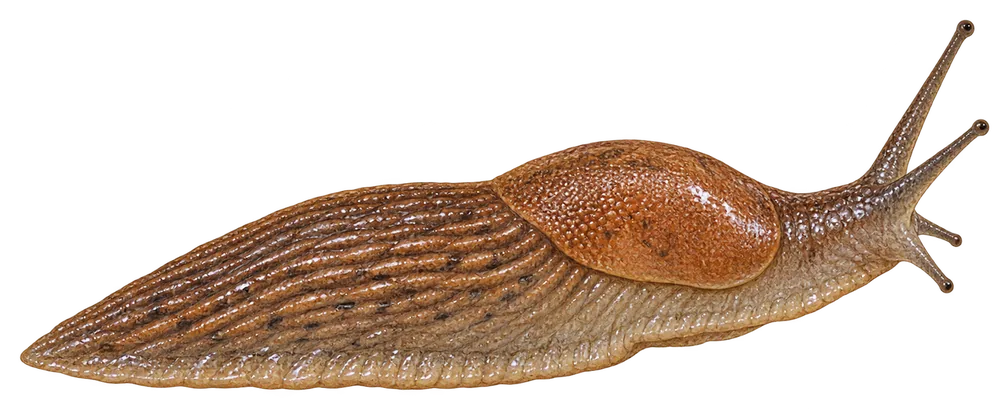 Snails
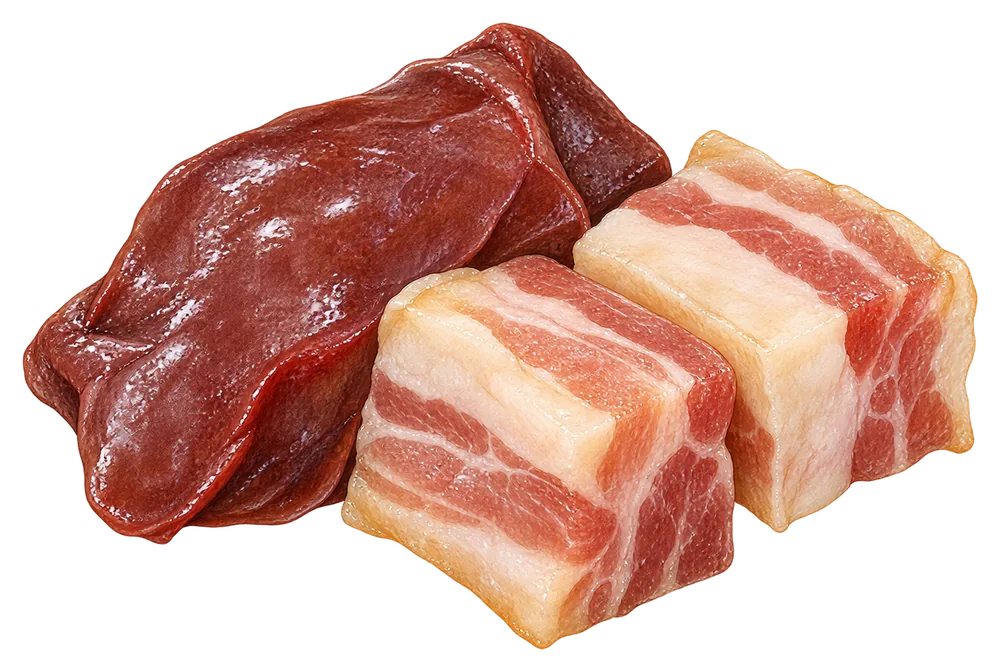 Offal & meatRagworm
 Cut bait
 Cuttlefish & squid
Created with AI support from the sources named (AI notice). Last updated: 25 October 2026. Found a mistake? Write to us. Who is behind the site: About me.