
Knowledge – Fish
Cod: Features, stock and fishing rules
Outside the Baltic Sea the cod (Gadus morhua) is usually called Atlantic cod. It lives near the bottom in the North Atlantic, the North Sea and the Baltic Sea. Many of its stocks are overfished, and in the Baltic Sea fishing for cod is banned in 2026.
In short: The best time to catch cod is October to December, especially in the evening and at night. Good spots on the coast: stony mixed ground, wrecks, reefs and drop-offs. Proven baits: pilkers and soft plastics from a boat; lugworm or ragworm in the surf. In the whole of the Baltic Sea fishing for cod is banned in 2026 (as of October 2026). On the German coast you release even an accidental catch immediately; only in the eastern Baltic from subdivision 27 onwards may a bycatch be kept. Step by step: Cod fishing.
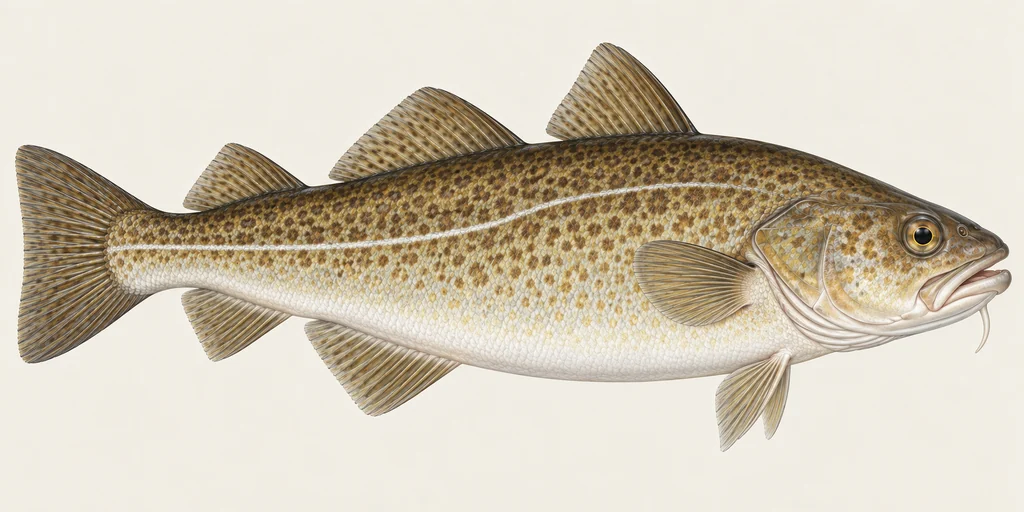
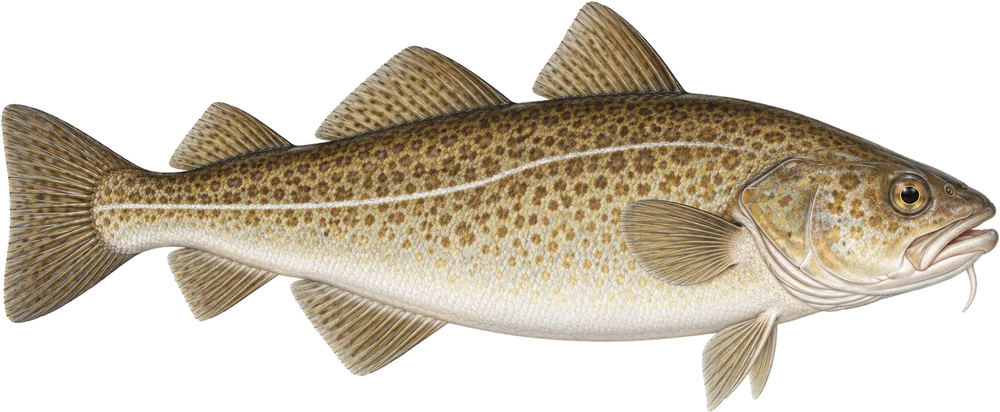
- A single strong barbel in the middle of the lower jaw
- Three separate dorsal fins and two anal fins without spiny rays
- Pale lateral line that arches over the pectoral fin, on marbled flanks
Catch chances through the year
- Hardly any chance
- Possible
- Good
- Peak season
- Spawning (observe the closed season)
Editorial assessment for waters in Germany, not a measured value and no guarantee. Spawning time is not the same as the legal closed season.
Species profile and sources in the catch calendarAll species compared month by monthThe rules of your federal state
How to recognise it
The body is elongated and almost round in cross-section. The upper jaw projects, and there is a strong chin barbel. Like all cods it has three dorsal fins and two anal fins.
The lateral line stands out as a pale stripe and runs in an arch over the pectoral fin at the front. Body lengths of 1 to 1,5 metres are given, with a maximum age of 20 to 25 years.
Coley and pollack have a projecting lower jaw and no chin barbel or only a tiny one. In the coley the pale lateral line runs straight, in the pollack it is dark.
Side by side
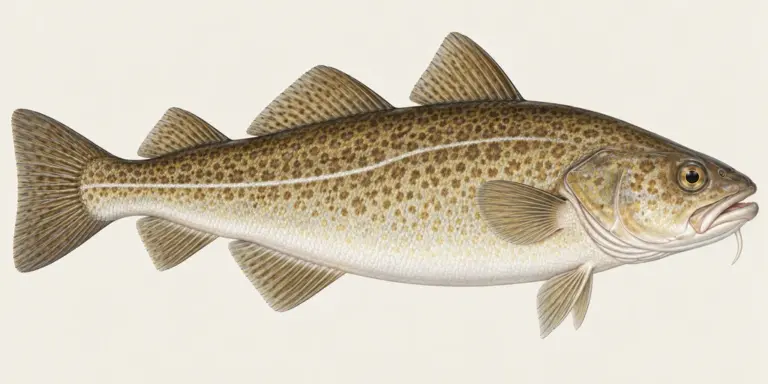
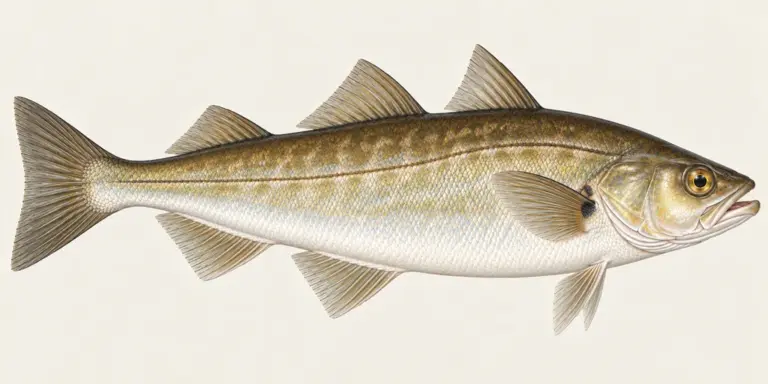
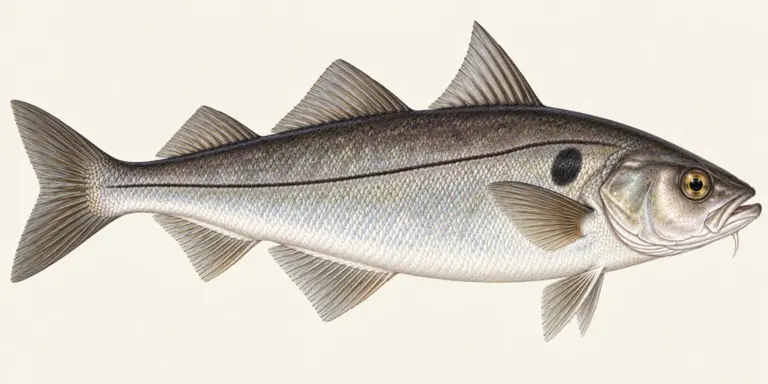
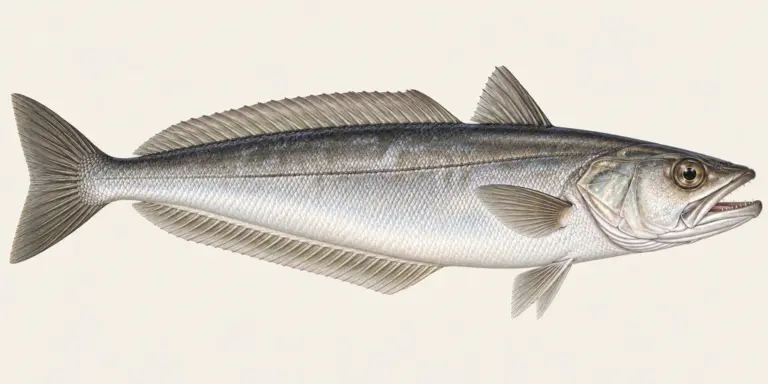
AI-generated illustrations.
Where it holds
The cod lives in the North Atlantic from the Bay of Biscay to the Barents Sea, and also in the North Sea and the Baltic Sea. It tolerates 0 to 20 °C and slightly salty brackish water. It usually stays near the bottom, generally down to a depth of about 200 metres.
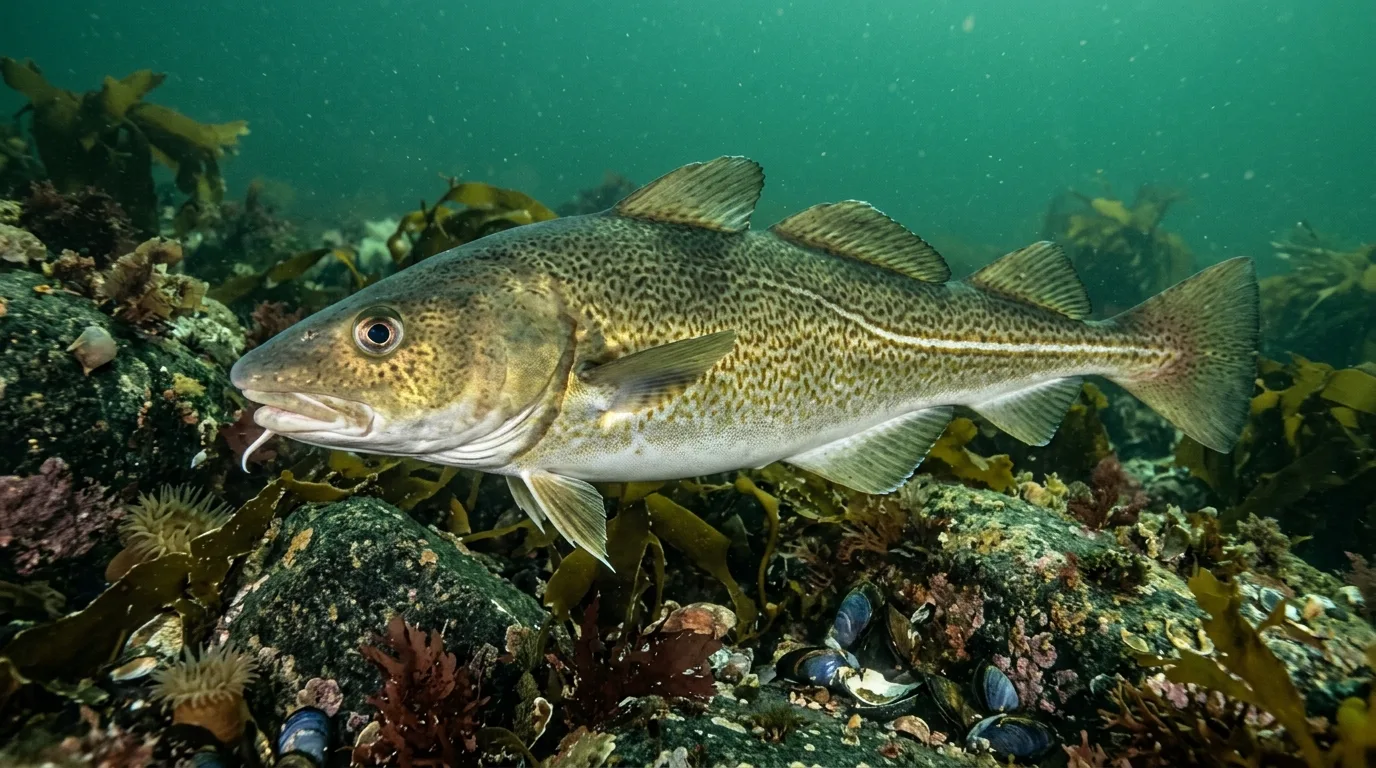
Young fish stand shallow, at 10 to 30 metres over eelgrass, gravel and stones. Large fish prefer deeper, colder water. Anglers find cod over stony mixed ground, at wrecks, reefs and drop-offs.
Holding spots in the picture
Choose the season and time of day: the picture shows where the species stands then. Spots outlined in red apply only in the chosen season. Tap a fish or a spot in the list to bring it closer. The picture is schematic and AI-generated, every water is different.
Chance of a catch in springgoodSpawning, observe the closed seasons
Catch chances in summerpossible
Catch chance in autumnPeak season
Chance of a catch in wintergoodSpawning, observe the closed seasons
- J
- F
- M
- A
- M
- J
- J
- A
- S
- O
- N
- D
Spawning season
Not the main time When surf fishing, the bite is best after dusk has fallen.
Not the main time When surf fishing, the bite is best after dusk has fallen.
Active time When surf fishing, the bite is best after dusk has fallen.
Active time When surf fishing, the bite is best after dusk has fallen.
On the coast
Surf close to the shore
Cod are present here only in winter.
gully in front of the sandbank
Cod are present here only in winter.
Seagrass, gravel and stones in the shallows
Cod are present here all year round.
Stony mixed ground
Cod are present here all year round.
Drop-off
Cod are present here all year round.
Wreck, reef
Cod are present here all year round.
Deep, colder water
Cod are present here only in autumn.
Cod hold on the bottom: over stony mixed ground, at wrecks, reefs and drop-offs. Young fish stay shallower over eelgrass, gravel and stones.
Spring: chance of a catch according to the catch calendar good. The spawning season falls in this period, observe the closed seasons. Spring and autumn are considered the most active times.
Summer: chance of a catch according to the catch calendar possible. Big cod prefer deeper, colder water.
Autumn: chance of a catch according to the catch calendar good in September, peak season in October and November. In autumn the fish migrate back into deeper water.
Winter: chance of a catch according to the catch calendar peak season in December, good in January and February. The spawning season falls in this period, observe the closed seasons. In winter the big spawning cod come near the coast and move into the shallows. In the surf, after a storm, they look for food in the churned-up bottom.
Depth: Cod usually stay on the bottom, normally down to about 200 metres of depth. Young fish hold shallower, at 10 to 30 metres.
Size comparison: AI-generated drawing, schematic.
How it hunts and spawns
Young cod feed mainly on crustaceans. As they grow, fish are added, such as herring, sand eel and smaller members of their own species. By day the fish often stand in shoals; at dusk and at night they spread out to look for food.
Spawning takes place over the shelf at 0 to 10 °C. Off Norway the spawning season falls in February to April, in the North Sea in December to May. For the western Baltic the sources give January to April or February to May. The eggs float freely in the water. In the Baltic Sea they need salty deep water, otherwise they sink and die.
When it bites
Spring and autumn are regarded as the most active times. The large spawning cod come close inshore in winter.
When surf fishing, they bite best after dusk, often after a storm, when the fish look for food in the churned-up bottom. In the Baltic Sea fishing for cod is banned in 2026, so these times apply to the North Sea and the North Atlantic, for example off Norway.
Today’s catch index needs JavaScript. Season and spawning time are in the catch calendar.
You will find the monthly overview of all species and the water temperature check in the catch calendar.
From the blog: Fishing in November: which fish bite now and where I look for them · Catch advice, catch quotas, angling bans: how to read fisheries news correctly · Norway 2027: fish export allowance for anglers drops to 10 kilograms
What you catch it with
Step by step: Cod fishing: tips on bait, rigs and tackle – season, spots, baits, tackle and rules on one page.
From a boat, pilking is the usual method. The pilker is lowered to the bottom and worked just above it with short jerks, and it may touch down now and then. Droppers above the pilker bring additional bites.
From the shore you fish in the surf with a paternoster and lugworm. From a boat, lugworms, prawns or strips of herring on a trailing rig just above the bottom also work.
Keep the bait near the bottom: Cod are caught just above the bottom. A pilker that tumbles in midwater usually gets no bite.
Pump with feel: Big cod bore hard downwards at the start of the fight. With a hard drag and low-stretch line the hook easily pulls out.
Suitable lures
Pilkers and soft plastics from a boat; lugworm or ragworm in the surf.
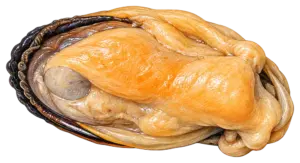
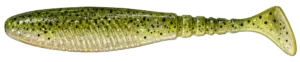

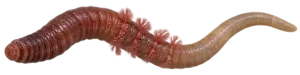
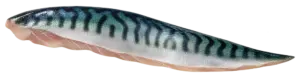
AI-generated illustrations. A click opens the lure’s page.
Rigs for these baits: surf rig, jig-head rig, natural-bait rig for the sea.
What the cod has to offer in the kitchen
The cod counts among the lean round fish with good eating quality. Its flesh is white and firm and falls apart into individual flakes after cooking. You can prepare it in many ways: fried, grilled, smoked or as an addition to a fish soup. Larger fish are suited to steaming or poaching, especially if they have lain lightly salted for a day beforehand. Preparing it is explained in Gutting fish and Filleting fish; for the smoke there is Smoking fish.
Roundworm larvae can sit in the flesh, and in official inspections they were also found in cod fillets. Heat and freezing kill the larvae. Thoroughly cooked cod is therefore harmless for healthy people. Fish you have caught yourself that were not frozen through thoroughly are best not eaten raw or only briefly cooked.
What you need to observe
Closed seasons, minimum sizes and harvest slots are set by the federal states (Bundesländer) and by the fisheries authorities of the neighbouring countries on the coast (Denmark, Norway, Poland). They vary by type of water, stretch of coast and time of year. We only give figures together with the date and source; the fisheries regulation of your federal state and your fishing permit (Erlaubnisschein) are always what is binding. You will find a list of links to the official sources in the catch calendar.
A fish of legal size that you want to keep you stun and kill at once, in line with animal welfare rules. Protected, undersized fish or fish too large under a harvest slot you unhook, if possible still in the water and with wet hands, and release gently. What exactly applies is regulated by state law and your fishing permit (Erlaubnisschein).
In the whole of the Baltic Sea fishing for cod is banned in 2026 (Verordnung (EU) 2025/2454, Article 10, as of October 2026). If a cod bites on the German coast while you are fishing for other species, you release it immediately. Only in the eastern Baltic from subdivision 27 onwards, that is around Gotland and further north and east, may you keep such a bycatch. According to the Thünen-Institut the stock of the western Baltic is far below the limit value, and there is no recovery in sight. The catch limits are decided anew every year. In Norway a minimum size (Mindestmaß) applies to cod: north of 62° N 44 cm, within 4 nautical miles of the baseline even 55 cm, south of 62° N 40 cm. In the Oslofjord it is protected all year, and in the designated spawning areas between Lindesnes and the Swedish border all fishing is suspended from 1 January to 30 April (Fiskeridirektoratet, as of October 2026).
What closed season, minimum size and harvest slot mean and where to find them is explained on the page Closed season and minimum size explained.
What state law sets for the closed season (Schonzeit) and minimum size (Mindestmaß) of this species is in the “At a glance” box on the state pages for Mecklenburg-Western Pomerania and Schleswig-Holstein. For the other states our overview does not list this species; there the state fisheries regulation (Landesfischereiverordnung) is decisive.
Frequently asked questions (FAQ)
What is the difference between Dorsch and Kabeljau?
None. Both names mean Gadus morhua. Baltic fish and young fish are mostly called Dorsch, fish from other seas and fish ready to spawn Kabeljau.
May I take a cod home from the Baltic Sea?
Not in 2026: fishing for cod is banned in the whole of the Baltic Sea. On the German coast you release immediately even a cod that bites while you are fishing for other species. Only in the eastern Baltic (subdivisions 27 to 32) may such a bycatch be kept. As of October 2026; the rules are decided anew every year.
How can I be sure I have a cod?
By the strong barbel, the projecting upper jaw and the pale lateral line, curved at the front.
Sources
The rating of catch chances is an editorial assessment. The facts come from these sources, and the text is worded in our own words. The illustration is an original design by Angel Momente in the style of a natural history plate (AI-generated, see the AI notice).
- Wikipedia: Atlantischer Kabeljau
- FishBase: Gadus morhua
- Blinker: Steckbrief Dorsch
- Thünen-Institut, Fischbestände online: Kabeljau / Dorsch
- Thünen-Institut, Fischbestände online: Dorsch westliche Ostsee (Bestandszustand)
- DAFV: Fangregeln für Angler in der Ostsee 2026 (Lachs, Dorsch)
- Fiskeridirektoratet: Sea angling in Norway, regulations (geschonte Arten, Ausfuhrquote)
- Verordnung (EU) 2025/2454 des Rates: Fangmöglichkeiten in der Ostsee 2026, Artikel 10 (Freizeitfischerei auf Dorsch in den Unterdivisionen 22 bis 32)
- Fiskeridirektoratet: Minstemål i fritidsfiske (kein Mindestmaß für Sei und Lyr, Lange nicht aufgeführt)
- Lex.dk (Den Store Danske): torsk (Abschnitt Gastronomi)
- LAVES Niedersachsen: Parasiten in Fischen und Fischereierzeugnissen, ein Problem?
Created with AI support from the sources listed. Figures only appear in the text if a source gives them. Last updated: 20 November 2026. Found a mistake? Write to us. Who is behind this site: About me.
More in the lexicon
- All fish species at a glance
- Catch calendar – month, water temperature and profile for 93 species
- Line calculator – breaking strain after the knot, drag guideline, backing
- Angling methods