
Knowledge – Fish
Cod fishing
Cod fishing means keeping the bait on the bottom, where stones, wrecks or drop-offs offer food. Here is the way there in nine steps, each with a link to the detailed page.
For cod, an angling ban applies in the whole Baltic Sea in 2026 (Regulation (EU) 2025/2454, as of October 2026). On the German coast even an accidentally caught cod goes straight back. The only exception is the eastern Baltic from subdivision 27: if a cod happens to bite there while you are fishing for other species, you may keep it. The steps below describe fishing where it is allowed; what applies on the North Sea or abroad is governed by the respective rules. More on this: Baltic Sea and North Sea.
 Choose another fish117 fish with guides
 EelOff-peak season
 EelpoutPossible
 IdePossible
 ArapaimaGood
 GraylingPeak season
 Atlantic salmonSpawning time, please spare
 Brown troutSpawning time, please spare
 Brook troutSpawning time, please spare
 BarbelOff-peak season
 BarramundiSpawning season
 Greater amberjackGood
 Topmouth gudgeonOnly as bycatch
 Blue marlinSpawning season
 BonefishSpawning season
 BonitoGood
 BreamOff-peak season
 Dusky grouperOnly as bycatch
 CobiaPossible
 Spiny dogfishOnly as bycatch
- CodPeak season
 ChubPeak season
 MinnowOnly as bycatch
 European sturgeonOnly as bycatch
 FlounderPeak season
 PerchPeak season
 Largemouth bassGood
 Ballan wrasseOnly as bycatch
 Yellowfin tunaSpawning season
 Giant trevallyGood
 Prussian carpPossible
 BrillPossible
 Gilthead breamSpawning time, please spare
 Golden doradoSpawning season
 Golden mahseerOnly as bycatch
 Dolphinfish (mahi-mahi)Good
 Grass carpPossible
 Great barracudaGood
 GudgeonPossible
 White breamPossible
 DaceOff-peak season
 PikePeak season
 HalibutOff-peak season
 HerringPossible
 GarfishOut of season
 Huchen (Danube salmon)Possible
 Crucian carpOnly as bycatch
 CarpOff-peak season
 RuffeOff-peak season
 VendaceOnly as bycatch
 DabPeak season
 GurnardPossible
 Coley (saithe)Peak season
 Chinook salmonHardly any chance
 King mackerelSpawning season
 LingPeak season
 TuskOff-peak season
 MackerelPossible
 Bighead carpOut of season
 WhitefishPossible
 Conger eelOff-peak season
 Sea troutSpawning time, please spare
 Grey mulletPossible
 Murray codSpawning season
 MuskellungeGood
 Common nasePossible
 Nile perchPossible
 PayaraPossible
 Peacock bassPeak season
 PermitGood
 WeeverOnly as bycatch
 PollackOff-peak season
 BurbotOff-peak season
 AspPossible
 Red snapperSpawning season
 Rainbow troutPeak season
 RoosterfishGood
 RoachPeak season
 RedfishOut of season
 Bluefin tunaOnly as bycatch
 RuddPossible
 Russian sturgeonOnly as bycatch
 HaddockOff-peak season
 SnakeheadPossible
 TenchOff-peak season
 SpirlinOnly as bycatch
 PlaiceOff-peak season
 Greenland halibutOnly as bycatch
 Round gobyOnly as bycatch
 SwordfishGood
 Lake troutSpawning time, please spare
 HakeSpawning time, please spare
 Alpine charSpawning time, please spare
 MonkfishPossible
 SoleOff-peak season
 SailfishGood
 Silver carpOut of season
 SnookPeak season
 PumpkinseedOnly as bycatch
 SpratOnly as bycatch
 Atlantic wolffishSpawning time, please spare
 TurbotPeak season
 SterletOnly as bycatch
 SmeltOnly as bycatch
 Horse mackerelPossible
 TaimenGood
 TarponGood
 TigerfishSpawning season
 BleakPossible
 WahooGood
 Wels catfishOff-peak season
 WhitingPeak season
 Sea bassOff-peak season
 ZanderPeak season
 White-eye breamOnly as bycatch
 Blue breamOnly as bycatch
 Brown bullheadPossible
 VimbaOnly as bycatch
Season in October according to the catch calendar, an estimate and not a guarantee of a catch. The fish pictures are reduced natural-history plates and AI-generated.
Best time
From October to December, especially in the evening and at night.
In January: Good, spawning seasonIn February: Good, spawning seasonIn March: Good, spawning seasonIn April: Good, spawning seasonIn May: GoodIn June: PossibleIn July: PossibleIn August: PossibleIn September: GoodIn October: Peak seasonIn November: Peak seasonIn December: Peak season
Good spot
- Coast: stony mixed ground, wreck, reef and drop-offstony mixed ground, wreck, reef and drop-offstony mixed ground, wreck, reef and drop-offstony mixed ground, wreck, reef and drop-off
Top baits
Starter tackle
- Rod: 2,40–3,00 m with tip action; casting weight matched to the pilker, in a calm sea about 80 g is enough, in deep water 100–500 g
- Line: braid 0,12–0,18 mm, preferably coloured
- Hook: sharp treble on the heavy end of the pilker, size 1 to 3/0; dropper with a single hook around 2/0
- Rod: surf rod 3,60–4,20 m, actual casting weight 150–200 g
- Line: for beginners monofilament 0,35 mm, otherwise braid 0,14–0,20 mm; in front of it about 6 m of shock leader 0,60 mm
- Hook: long-shank worm hooks, for cod rather bigger than for flatfish (from about 1/0)
In short
In short: You catch cod best from October to December, especially in the evening and at night. Good spots on the coast: stony mixed ground, wreck, reef and drop-off. Proven baits: pilkers and soft plastic shads from a boat; lugworm or ragworm in the surf. Fishing for cod is banned in the whole Baltic Sea in 2026 (as of October 2026). On the German coast you put even a chance catch back at once, and only in the eastern Baltic from subdivision 27 may a bycatch be kept.
Quick to recognise
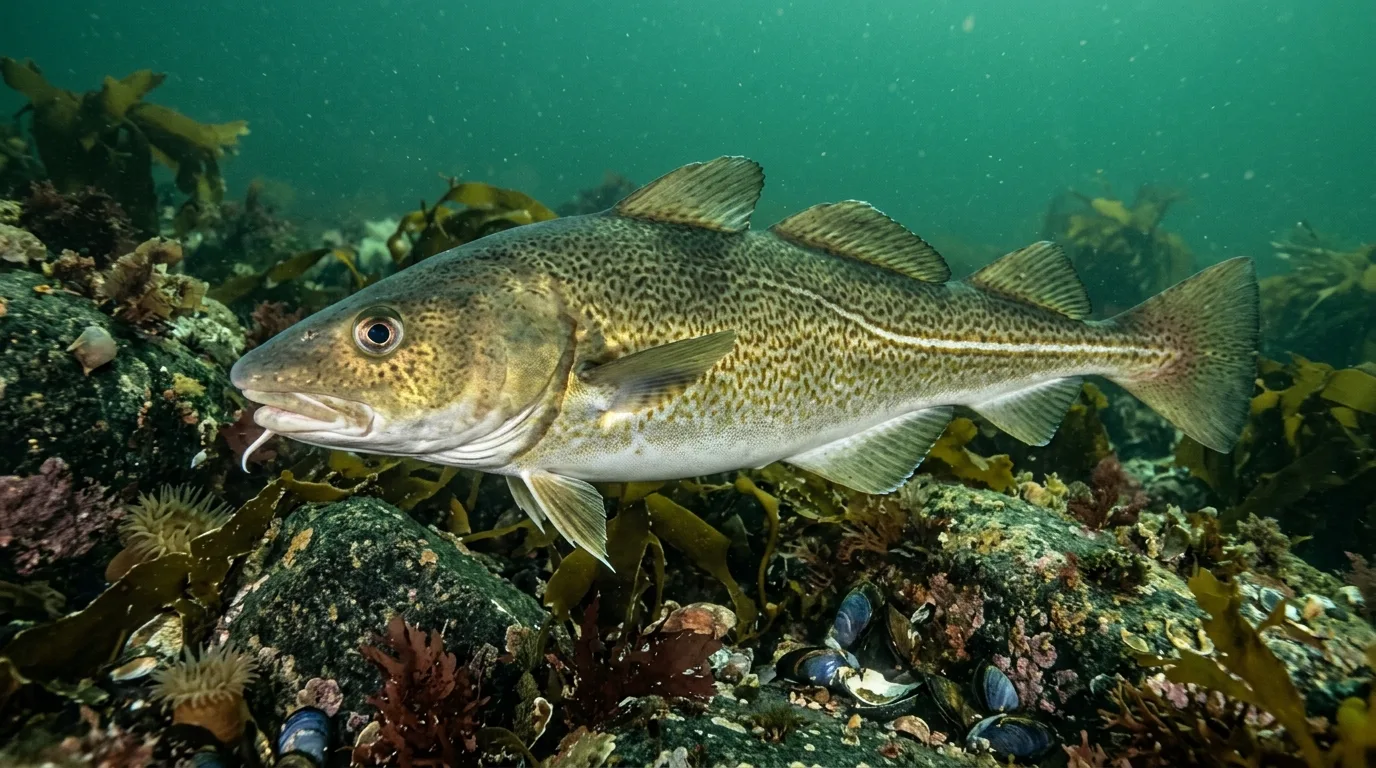
A powerful bottom fish with a barbel on the chin and three dorsal fins, usually called Kabeljau outside the Baltic. Lengths of one to one and a half metres are quoted.
When
It goes best from October to December, January to May and September are also good. In winter the big spawning fish move to the coast.
- JanGood, spawning
- FebGood, spawning
- MarGood, spawning
- AprGood, spawning
- MayGood
- JunPossible
- JulPossible
- AugPossible
- SepGood
- OctPeak season
- NovMain season
- DecMain season
Peak seasonGoodPossibleHardly any chanceSpawning season
Spring tactics
For surf anglers one of the two main times, because the shallow water is then neither too cold nor too warm. Fish that have just spawned are often big but lean. On the German Baltic coast an angling ban for cod applies in 2026 (as of October 2026), and a cod caught in the surf goes straight back there.
Summer tactics
When the water rises above about 14 degrees, the cod move on to deeper, oxygen-rich water further out. Then you catch them almost only from a boat, from the shore at best at night.
Autumn tactics
Autumn storms wash food in close to the shore, and from dusk the cod come in close to land. Now the surf season begins, rough weather with swell often brings the better days.
Winter tactics
When the water is colder than about 14 degrees, cod bite from the shore by day and by night. Pack warm, windproof clothing, because good catches often come in unpleasant weather.
Is it biting today?
In January: Spawning season, please spare themIn February: Spawning season, please spare themIn March: Spawning season, please spare themIn April: Spawning season, please spare themIn May: Off-peakIn June: PossibleIn July: PossibleIn August: PossibleIn September: Off-peakIn October: Peak seasonIn November: Peak seasonIn December: Peak season
Today’s catch index needs JavaScript. Season and spawning time are in the catch calendar.
From the blog: Fishing in November: which fish bite now and where I look for them · Catch advice, catch quotas, angling bans: how to read fisheries news correctly · Norway 2027: fish export allowance for anglers drops to 10 kilograms
Where it is now
On the coast
Cod stay close to the bottom: over stones and mixed ground, at wrecks, reefs and drop-offs. You find smaller fish shallower over eelgrass and gravel, big ones rather in deep, cool water.
How to go about it: From a boat you search the bottom and the first metres above it at drop-offs, stone fields and wrecks. From the beach you fish in gullies between the sandbars and in weedy gullies, which often lie only 30 m from the shore. In a calm sea light tackle usually catches better than heavy.
| All year round | stony mixed ground, wreck, reef, drop-off, eelgrass |
|---|---|
| Autumn extra | deep water |
| Winter extra | surf, gully in front of the sandbank |
Biting time: mainly in the evening and at night. What that looks like in the water is shown by the picture of the holding spots just below.
Waters with rules for cod
Holding spots in the picture
Choose the season and time of day: the picture shows where the species stands then. Spots outlined in red apply only in the chosen season. Tap a fish or a spot in the list to bring it closer. The picture is schematic and AI-generated, every water is different.
Chance of a catch in springgoodSpawning, observe the closed seasons
Catch chances in summerpossible
Catch chance in autumnPeak season
Chance of a catch in wintergoodSpawning, observe the closed seasons
- J
- F
- M
- A
- M
- J
- J
- A
- S
- O
- N
- D
Spawning season
Not the main time When surf fishing, the bite is best after dusk has fallen.
Not the main time When surf fishing, the bite is best after dusk has fallen.
Active time When surf fishing, the bite is best after dusk has fallen.
Active time When surf fishing, the bite is best after dusk has fallen.
On the coast
Surf close to the shore
Cod are present here only in winter.
gully in front of the sandbank
Cod are present here only in winter.
Seagrass, gravel and stones in the shallows
Cod are present here all year round.
Stony mixed ground
Cod are present here all year round.
Drop-off
Cod are present here all year round.
Wreck, reef
Cod are present here all year round.
Deep, colder water
Cod are present here only in autumn.
Cod hold on the bottom: over stony mixed ground, at wrecks, reefs and drop-offs. Young fish stay shallower over eelgrass, gravel and stones.
Spring: chance of a catch according to the catch calendar good. The spawning season falls in this period, observe the closed seasons. Spring and autumn are considered the most active times.
Summer: chance of a catch according to the catch calendar possible. Big cod prefer deeper, colder water.
Autumn: chance of a catch according to the catch calendar good in September, peak season in October and November. In autumn the fish migrate back into deeper water.
Winter: chance of a catch according to the catch calendar peak season in December, good in January and February. The spawning season falls in this period, observe the closed seasons. In winter the big spawning cod come near the coast and move into the shallows. In the surf, after a storm, they look for food in the churned-up bottom.
Depth: Cod usually stay on the bottom, normally down to about 200 metres of depth. Young fish hold shallower, at 10 to 30 metres.
Size comparison: AI-generated drawing, schematic.
How
From a boat the usual way is pilking, from the beach surf fishing with natural baits. In both cases what counts is that the bait stays just above the bottom.
Easiest way
For a start, pilking from a boat is the easiest way: a pilker of 50 to 125 g on a short, saltwater-proof boat rod is enough in grounds down to about 30 m of depth. In 2026 you may not fish for cod deliberately in the Baltic (as of October 2026). You can pilk for it in the North Sea or in Norway, so check the minimum size (Mindestmaß) and protected areas there before setting out.
Pilker and dropper from a boat
The usual method from a charter boat or small boat, with which you search the zone directly above the bottom over stone fields, drop-offs and wrecks.
- Approach the structure
Look for drop-offs, stone fields and wrecks. An echo sounder shows you the depth and often also shoals of baitfish, near which the cod hunt.
- Hooklength with a dropper lure
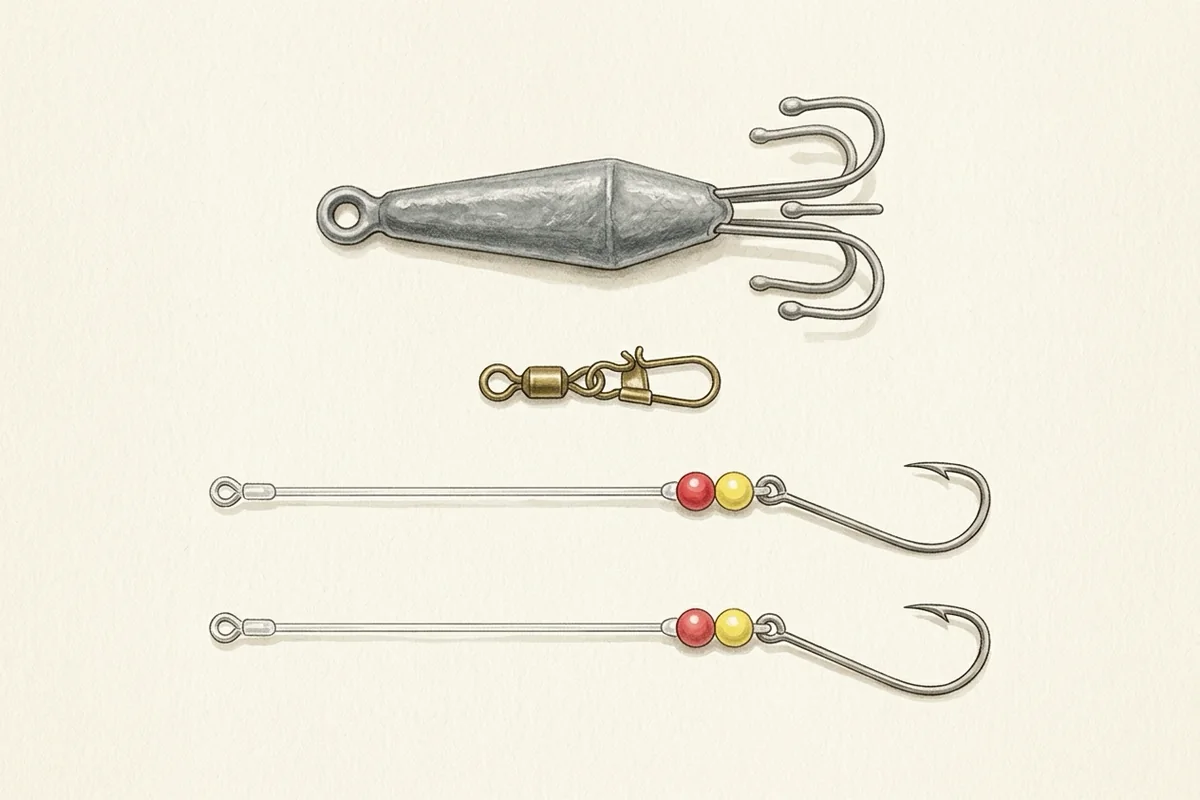
Tie about a metre of soft monofilament in front of the pilker and clip it into a swivel with a bead. About half a metre above, on a short snood, sits a twister or a cod fly.
- Work with the drift
When the boat drifts towards your line, cast the pilker far ahead and keep the line taut. When it drifts away from you, it is enough to let the rig sink vertically down.
- Just above the bottom
Usually only the zone from the bottom to two or three metres above it pays off. Lift the pilker with the rod, let it fall back fluttering and now and then tap the bottom briefly.
- On the drop
Many cod grab it while the pilker is falling. A coloured braid then reveals the bite, because it suddenly stops or twitches. Strike at once.
- Pump steadily
A bigger cod first pulls hard towards the bottom. Set the drag so that it then gives line, and bring it up with calm pumping movements.
- Landing net ready
Guide the fish along the side of the boat into the landing net. If you may not keep it, unhook it straight away at the surface and let it glide back.
Lugworm in the surf
The way from the beach in autumn, winter and spring, especially from dusk and after stormy days.
- Reading the gullies
Look at the beach beforehand from a raised spot. Dark stripes in the water are deep gullies between the sandbars, pale patches show shallow sand. The first gully often lies about 40 m out, the second about 80 m.
- Two snoods
The surf trace of thick monofilament carries two snoods of 30 to 70 cm, with the weight hanging at the bottom. The more wind there is, the shorter you tie the snoods. If you are just starting, cast lighter at first with only one hook.
- Plenty of scent on the hook
Thread two to three lugworms onto the long-shank hook with a baiting needle. A piece of ragworm on top holds the bunch together during the cast.
- Cast far, then search
First cast as far as possible and every few minutes draw the rig in a few metres. When a bite comes, remember the distance and then cast deliberately to that spot again.
- Watch the tip
Set the rod steeply in the tripod so that the line lies above the drifting seaweed. A glow stick on the tip shows you in the dark the strong tugging with which a cod takes the worm.
- Bring it in quickly
Usually the cod hooks itself, a hard strike is unnecessary. Reel it in briskly, so that it rises and glides over the sandbars instead of digging in on the bottom.
- Check on the beach
Draw the fish onto the wet sand with a wave. Check at once whether you may keep it, and if not, put it back without delay.
What with
From a boat a pilker or a soft plastic shad on a jig head, preferably with a dropper above it. From the shore lugworm, mussel meat or fish pieces on a surf rig.
- Pilkerfrom a boat, all year round in deeper water
It sinks quickly to the bottom and can be worked fluttering with short tugs exactly where the cod feed.
- Lugwormsurf in autumn, winter and spring, from dusk
Experienced surf anglers regard it as the most productive bait, because it gives off a strong scent in the churned-up shore zone.
- Soft plastic (shad)calm sea and shallow waters
On a light jig head of 40 to 80 g it can be worked sensitively and snags between stones less often than a heavy pilker.
Tackle
A strong pilking rod for the boat, a long surf rod for the beach. The sea rod page shows which rod is meant for what.
Pilker and dropper from a boat
- Rod
- 2,40–3,00 m with tip action; casting weight matched to the pilker, in a calm sea about 80 g is enough, in deep water 100–500 g
- Reel
- saltwater-proof mid-range fixed-spool reel (up to size 5000) or small multiplier reel
- Line
- Braid 0,12–0,18 mm, preferably coloured
- Leader
- about 1 m of monofilament 0,40–0,45 mm as a buffer; snood for the dropper 0,50–0,65 mm
- Hooks
- sharp treble hook on the heavy end of the pilker, size 1 to 3/0; dropper with a single hook around 2/0
- Weight, float, lead
- Pilker in grounds down to 30 m of depth 50–125 g, in drift and depth 180–250 g; in a calm sea also soft plastic shad or pilker 40–80 g
Lugworm in the surf
- Rod
- Surf rod 3,60–4,20 m, actual casting weight 150–200 g
- Reel
- large fixed-spool reel with a long-cast spool, gear ratio from about 1:5
- Line
- for beginners monofilament 0,35 mm, otherwise braid 0,14–0,20 mm; in front of it about 6 m of shock leader 0,60 mm
- Leader
- main trace of monofilament from 0,70 mm, snoods 0,35–0,40 mm and 30–70 cm long
- Hooks
- long-shank worm hooks, for cod rather bigger than for flatfish (from about 1/0)
- Weight, float, lead
- Grip lead 125–200 g, in little wind also plain pear-shaped leads of about 100–170 g
Common mistakes
- Rig lies on the sandbar: If you cast far and just wait, you often fish in knee-deep water far from the gully. Draw the bait in step by step until you have found the distance by the bites.
- Tackle too heavy in a calm sea: In little wind and drift, light pilkers or soft plastic shads of 40 to 80 g on a rod of around 80 g casting weight bring more bites and fewer snags.
- Always just the bare pilker: When cod feed on crabs and worms on the bottom, droppers often catch more than the pilker itself. With the first fish, see what it has in its stomach and adapt to that.
- In high summer by day from the shore: In warm water the cod hold far out in the deep. Then go out by boat or try from the shore only at night.
- Snoods tangle in the cast: In wind, long snoods quickly wrap round the main trace. Shorten them and at first cast with only one hook.
Rules
Each federal state (Bundesland) sets its own closed season (Schonzeit) and minimum size (Mindestmaß). Choose your state; the values come from our state pages.
Baden-Württemberg
Our overview for Baden-Württemberg does not list the cod. What applies there is given on the page Fishing in Baden-Württemberg with places in the state.
Bavaria
Our overview for Bavaria does not list the cod. What applies there is given on the page Fishing in Bavaria with places in the state.
Berlin
Our overview for Berlin does not list the cod. What applies there is given on the page Fishing in Berlin with places in the state.
Brandenburg
Our overview for Brandenburg does not list the cod. What applies there is given on the page Fishing in Brandenburg with places in the state.
Bremen
Our overview for Bremen does not list the cod. What applies there is given on the page Fishing in Bremen with places in the state.
Hamburg
Our overview for Hamburg does not list the cod. What applies there is given on the page Fishing in Hamburg with places in the state.
Hesse
Our overview for Hesse does not list the cod. What applies there is given on the page Fishing in Hesse with places in the state.
Mecklenburg-Western Pomerania
- Minimum size
- –
- Closed season
- Fishing ban 2026
- Note
- Baltic Sea, EU law
As of October 2026. All rules, exceptions and sources: Fishing in Mecklenburg-Western Pomerania.
Lower Saxony
Our overview for Lower Saxony does not list the cod. What applies there is given on the page Fishing in Lower Saxony with places in the state.
North Rhine-Westphalia
Our overview for North Rhine-Westphalia does not list cod. The page Angling in North Rhine-Westphalia explains what applies there, with the state’s waters.
Rhineland-Palatinate
Our overview for Rhineland-Palatinate does not list cod. The page Angling in Rhineland-Palatinate explains what applies there, with the state’s waters.
Saarland
Our overview for Saarland does not list cod. The page Angling in Saarland explains what applies there, with the state’s waters.
Saxony
Our overview for Saxony does not list cod. The page Angling in Saxony explains what applies there, with the state’s waters.
Saxony-Anhalt
Our overview for Saxony-Anhalt does not list cod. The page Angling in Saxony-Anhalt explains what applies there, with the state’s waters.
Schleswig-Holstein
- Minimum size
- 35 cm
- Closed season
- Fishing ban 2026
- Note
- The ban applies in the Baltic Sea including the firths; the size limit applies to the North Sea
As of October 2026. All rules, exceptions and sources: Fishing in Schleswig-Holstein.
Thuringia
Our overview for Thuringia does not list cod. The page Angling in Thuringia explains what applies there, with the state’s waters.
The regulation and your fishing permit (Erlaubnisschein) are what count. Lake Constance, the Rhine and the coast, for example, have their own rules: Fishing waters in Germany.
After the catch
Playing and landing
From a boat you strike at once; in the surf the cod usually hooks itself. Pump it up with a drag that gives line on the first dive; the mono hooklength cushions the lunges. A fish you may not keep you unhook quickly with wet hands and return at once; one you may keep you stun and kill straight away.
A cod from the German Baltic goes straight back; in the Baltic you may keep only a bycatch from subdivision 27 onwards. Where you may take one, you stun and kill a fish of legal size straight after the catch.
Frequently asked questions
May you fish for cod in the Baltic Sea?
No. In 2026 a fishing ban on cod applies across the whole Baltic Sea (as of October 2026, Regulation (EU) 2025/2454). If a cod takes your bait on the German coast while you are fishing for flatfish or herring, it goes straight back into the water. You may keep such a bycatch only in the eastern part of the Baltic, from subdivision 27. The catch limits are set anew every year.
What pilker weight for cod?
In waters down to about 30 m, 50 to 125 g is enough. In a strong drift and in deep water you need 180 to 250 g, off Norway up to 500 g.
Which rod for surf fishing for cod?
A surf rod of 3,60 to 4,20 m that really casts 150 to 200 g. If you are not especially tall, a rod of about 3,50 m usually suits you better.
When does cod bite best in the surf?
In autumn and spring from dusk onwards, especially after a storm. Then it hunts for worms and crabs in the churned-up shallows.
Which line for jigging for cod with pilkers?
Braid of 0,12 to 0,18 mm shows bites clearly on the drop. In front of it belongs about a metre of mono of 0,40 to 0,45 mm, which chafes less on rough ground and cushions the lunges.
Is cod caught more from the shore or from a boat?
According to surveys by the Thünen Institute, boat and charter-cutter anglers caught the larger share of cod in the western Baltic. From the shore it works mainly in cool water at dusk.
Similar species
Anyone who catches cod can fish for these species with similar tackle:
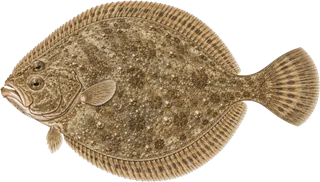 Turbot fishingMain season
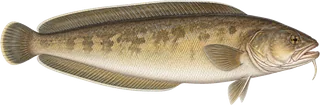 Tusk fishingShoulder season
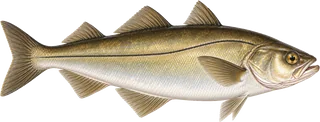 Pollack fishingSecondary season
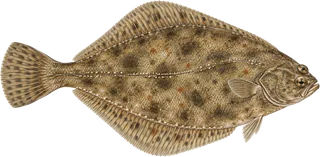 Flounder fishingMain season
Sources
Correct as of October 2026. The practical knowledge comes from 7 sources, summarised in our own words.
View all 7 sources
- Pilker: Richtig montieren und präsentieren · BLINKER / Kutter & Küste (Matze Wendt)
- Dorschangeln: 12 Tipps für Deinen Fangerfolg (Seiten 2 und 3) · BLINKER (Redaktion)
- Steckbrief Dorsch: Fakten rund um den Meeresfisch · BLINKER (Redaktion)
- Zielfisch Dorsch: Spitzenkieker · FISCH & FANG (Georg Baumann)
- Brandungsangeln: Alles, was man über diese Angelmethode wissen muss · BLINKER (Redaktion, mit Rainer Korn)
- Der Dorsch hängt an der Angel. Einfluss und Bedeutung der Freizeitfischerei · Thünen-Institut für Ostseefischerei (Wissenschaft erleben 2012/2)
- Verordnung (EU) 2025/2454 des Rates, Artikel 10 (Freizeitfischerei auf Dorsch in den Unterdivisionen 22 bis 32) · Rat der Europäischen Union
Text AI-assisted, based on the sources named and these pages: Cod (profile), Pilker fishing, Surf fishing, Angling in Germany: Baltic Sea and North Sea.