
Knowledge – Fish
Bighead carp fishing
Bighead carp fishing means: going to warm waters with old stocking with low expectations, because as a plankton feeder it hardly takes anglers‘ baits. Here is the way there in nine steps, each with a link to the detailed page.
 Choose another fish117 fish with guides
 EelOff-peak season
 EelpoutPossible
 IdePossible
 ArapaimaGood
 GraylingPeak season
 Atlantic salmonSpawning time, please spare
 Brown troutSpawning time, please spare
 Brook troutSpawning time, please spare
 BarbelOff-peak season
 BarramundiSpawning season
 Greater amberjackGood
 Topmouth gudgeonOnly as bycatch
 Blue marlinSpawning season
 BonefishSpawning season
 BonitoGood
 BreamOff-peak season
 Dusky grouperOnly as bycatch
 CobiaPossible
 Spiny dogfishOnly as bycatch
 CodPeak season
 ChubPeak season
 MinnowOnly as bycatch
 European sturgeonOnly as bycatch
 FlounderPeak season
 PerchPeak season
 Largemouth bassGood
 Ballan wrasseOnly as bycatch
 Yellowfin tunaSpawning season
 Giant trevallyGood
 Prussian carpPossible
 BrillPossible
 Gilthead breamSpawning time, please spare
 Golden doradoSpawning season
 Golden mahseerOnly as bycatch
 Dolphinfish (mahi-mahi)Good
 Grass carpPossible
 Great barracudaGood
 GudgeonPossible
 White breamPossible
 DaceOff-peak season
 PikePeak season
 HalibutOff-peak season
 HerringPossible
 GarfishOut of season
 Huchen (Danube salmon)Possible
 Crucian carpOnly as bycatch
 CarpOff-peak season
 RuffeOff-peak season
 VendaceOnly as bycatch
 DabPeak season
 GurnardPossible
 Coley (saithe)Peak season
 Chinook salmonHardly any chance
 King mackerelSpawning season
 LingPeak season
 TuskOff-peak season
 MackerelPossible
- Bighead carpOut of season
 WhitefishPossible
 Conger eelOff-peak season
 Sea troutSpawning time, please spare
 Grey mulletPossible
 Murray codSpawning season
 MuskellungeGood
 Common nasePossible
 Nile perchPossible
 PayaraPossible
 Peacock bassPeak season
 PermitGood
 WeeverOnly as bycatch
 PollackOff-peak season
 BurbotOff-peak season
 AspPossible
 Red snapperSpawning season
 Rainbow troutPeak season
 RoosterfishGood
 RoachPeak season
 RedfishOut of season
 Bluefin tunaOnly as bycatch
 RuddPossible
 Russian sturgeonOnly as bycatch
 HaddockOff-peak season
 SnakeheadPossible
 TenchOff-peak season
 SpirlinOnly as bycatch
 PlaiceOff-peak season
 Greenland halibutOnly as bycatch
 Round gobyOnly as bycatch
 SwordfishGood
 Lake troutSpawning time, please spare
 HakeSpawning time, please spare
 Alpine charSpawning time, please spare
 MonkfishPossible
 SoleOff-peak season
 SailfishGood
 Silver carpOut of season
 SnookPeak season
 PumpkinseedOnly as bycatch
 SpratOnly as bycatch
 Atlantic wolffishSpawning time, please spare
 TurbotPeak season
 SterletOnly as bycatch
 SmeltOnly as bycatch
 Horse mackerelPossible
 TaimenGood
 TarponGood
 TigerfishSpawning season
 BleakPossible
 WahooGood
 Wels catfishOff-peak season
 WhitingPeak season
 Sea bassOff-peak season
 ZanderPeak season
 White-eye breamOnly as bycatch
 Blue breamOnly as bycatch
 Brown bullheadPossible
 VimbaOnly as bycatch
Season in October according to the catch calendar, an estimate and not a guarantee of a catch. The fish pictures are reduced natural-history plates and AI-generated.
Best time
From June to September, in the morning, during the day and in the evening.
In January: Slim chancesIn February: Slim chancesIn March: Slim chancesIn April: Slim chancesIn May: Slim chancesIn June: PossibleIn July: PossibleIn August: PossibleIn September: PossibleIn October: Slim chancesIn November: Slim chancesIn December: Slim chances
Good spot
- Lake: open water, surface and weed bedopen water, surface and weed bedopen water, surface and weed bedopen water, surface and weed bed
- River: quiet bay and groyne pocketquiet bay and groyne pocketquiet bay, groyne pocket and deep pooldeep pool
Top baits
Starter tackle
- Rod: carp rod, one step stronger than for grass carp
- Line: strong monofilament with plenty in reserve
- Rod: strong rod that safely carries the float and the feed balls thrown in succession
- Line: strong monofilament with plenty in reserve on the spool
In short
In brief: The bighead carp is most likely to take a hook from June to September, usually as by-catch. Good spots on a lake: open water, surface and weed bed; on a river: quiet bay and groyne pocket. Plankton feeder: the bighead carp takes anglers‘ baits only by chance and can hardly be caught on purpose. Non-native species; stocking and returning are governed by state law.
Quick to recognise
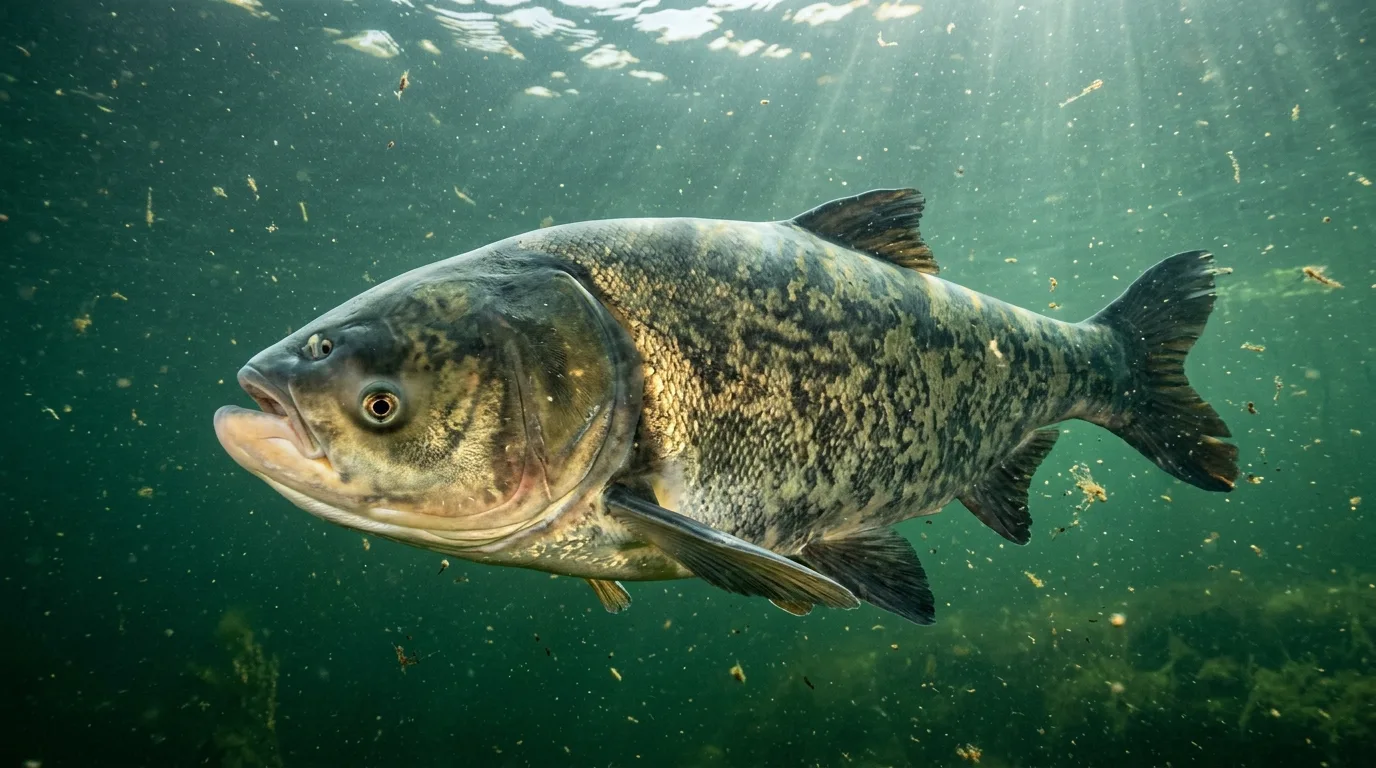
A massive open-water fish from China with deep-set eyes and dark, irregular blotches; if the ventral keel reaches only as far as the pelvic fins and the flanks are blotched, it is a bighead carp. It reaches up to about 146 centimetres, around 60 being common. In Europe it is non-native; on the Handlungsliste of the Bundesamt für Naturschutz it is listed as unestablished and potentially invasive, and it is not on the EU Union list.
When
Catches are possible from June to September, that is in the warm season; in the other months you have hardly any chance. In the cold it stands deep and hardly feeds, and according to anglers‘ reports catches are spread very irregularly over the day. There is no natural reproduction in central Europe; every fish goes back to stocking.
- JanHardly any chance
- FebHardly any chance
- MarHardly any chance
- AprHardly any chance
- MayHardly any chance
- JunPossible
- JulPossible
- AugPossible
- SepPossible
- OctHardly any chance
- NovHardly any chance
- DecHardly any chance
Peak seasonGoodPossibleHardly any chanceSpawning season
Spring tactics
Before summer catches are rare. Only once shallow, cloudy bays warm up clearly do the prospects improve, and even then mostly as by-catch.
Summer tactics
The best time for the feed cloud at the float and for by-catches on carp sessions with a pop-up. Bites come at no fixed hour; perseverance and constant topping up of feed are what count.
Autumn tactics
In September there are still by-catches on carp sessions. After that the prospect of a fish cleanly hooked in the mouth drops markedly; reports from the cool season mostly concern fish on artificial lures.
Winter tactics
Targeting them is not worthwhile in winter. When plankton gets scarce, bighead carp also eat small fish, according to Fisch & Fang, and predator anglers then occasionally report catches on artificial lures; whether the fish bit or was hooked on the outside is often unclear.
Is it biting today?
In January: Out of seasonIn February: Out of seasonIn March: Out of seasonIn April: Out of seasonIn May: Out of seasonIn June: PossibleIn July: PossibleIn August: PossibleIn September: PossibleIn October: Out of seasonIn November: Out of seasonIn December: Out of season
Today’s catch index needs JavaScript. Season and spawning time are in the catch calendar.
Where it is now
In the lake
It moves in small shoals through open water, often just under the surface and preferably in cloudy water rich in plants. To feed it looks for shallow areas above 24 degrees with little current; in the cold season it stands deep.
How to go about it: In lakes, reservoirs and gravel pits with old stocking they stand in open water. A very large fish took the bait while pike fishing in a bay after strong wind had clouded the water unusually.
| All year round | Open water, surface, weed bed |
|---|
In the river
In rivers bighead carp stand saving energy in groyne fields and oxbows and feed in warm, shallow backwaters and on flooded areas. When the water falls to about 10 degrees they move downstream in large shoals to deep spots in the main channel and overwinter there.
How to go about it: In rivers, stretches with warm water are promising, for example below power-station outflows, where capital bighead carp grew on the Rhine. Against the current and the great weight only strong tackle with plenty of line helps.
| Spring | quiet bay, groyne pocket |
|---|---|
| Summer | quiet bay, groyne pocket |
| Autumn | quiet bay, groyne pocket, deep pool |
| Winter | Pools |
Biting time: in the morning, during the day and in the evening. What that looks like on the water is shown by the picture of the swims just below.
Holding spots in the picture
Choose the season and time of day: the picture shows where the species stands then. Spots outlined in red apply only in the chosen season. Tap a fish or a spot in the list to bring it closer. The picture is schematic and AI-generated, every water is different.
Chance of a catch in springslim
Catch chances in summerpossible
Catch chance in autumnhardly any
Catch chance in winterhardly any
- J
- F
- M
- A
- M
- J
- J
- A
- S
- O
- N
- D
Active time Bighead carp are caught very irregularly spread over the day.
Active time Bighead carp are caught very irregularly spread over the day.
Active time Bighead carp are caught very irregularly spread over the day.
No main time Bighead carp are caught very irregularly spread over the day.
In the lake
Water lilies and weed bed
Bighead carp are found here all year round.
Open water
Bighead carp are found here all year round.
Just below the surface
Bighead carp are found here all year round.
The bighead carp is a sociable open-water fish, usually moving in small shoals. It often circles just under the surface and likes to stay in cloudy water rich in plants. There it filters zooplankton out of the water.
Spring: chance of a catch according to the catch calendar slim.
Summer: catch chances according to the catch calendar are possible. To feed it seeks out shallow areas above 24 °C with little current.
Autumn: catch chances according to the catch calendar are possible in September, slim in October and November. When the water temperature falls below about 13 °C it takes only the bare minimum.
Winter: catch chance according to the catch calendar hardly any.
In the river
Pools, deep spot
Bighead carp are found here only in autumn and winter.
Groyne scour hole
Bighead carp are found here only in spring, summer and autumn.
Calm bay with aquatic plants
Bighead carp are found here only in spring, summer and autumn.
In rivers the bighead carp prefers energy-saving spots in groyne fields and oxbows. It feeds in shallow, warm backwaters and on flooded areas with little current.
Spring: chance of a catch according to the catch calendar slim.
Summer: catch chances according to the catch calendar are possible.
Autumn: catch chances according to the catch calendar are possible in September, slim in October and November. When the temperature falls to about 10 °C, the fish move downstream in large shoals to deeper spots in the main channel.
Winter: catch chances according to the catch calendar are slim. It overwinters in deep spots in the middle and lower river stretches.
Depth: According to FishBase it feeds in shallow water 0.5 to 1.5 metres deep.
Size comparison: AI-generated drawing, schematic.
How
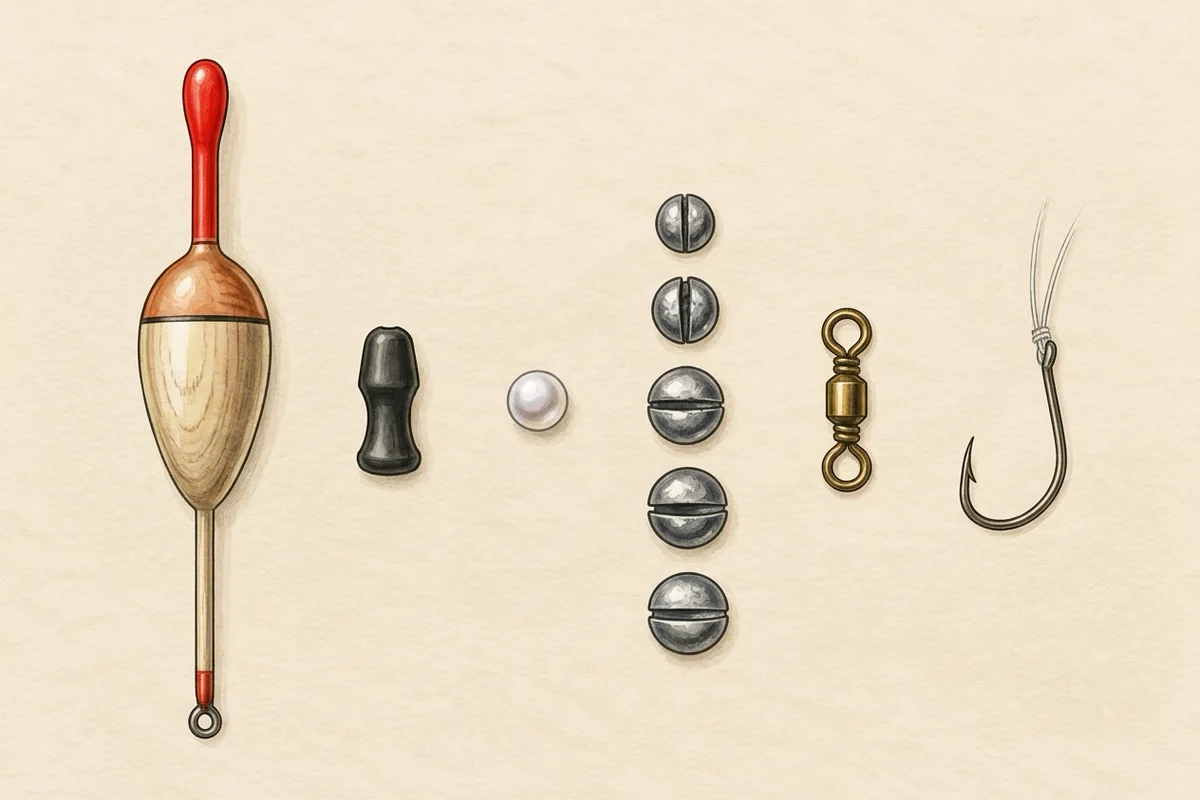
With usual baits you will hardly catch it on purpose; expect instead that it bites along once while you are carp fishing. More recent reports describe a small porcupine or waggler float in mid-water, onto which you throw balls of feed one after another until the bait hovers amid fine feed particles. The fish swim through with their mouths open and eventually suck it in.
Easiest way
To start with, all that remains is a carp session with a hovering boilie on a warm water with old stocking, with tackle one step stronger than for grass carp. Whether a bighead carp takes is down to luck. You should bring an oversized landing net anyway.
Pop-up on a carp session
The usual way to a cleanly hooked bighead carp on natural bait: as a rare by-catch on a session for carp.
- Old stocking, warm water
Chances exist only where fish from old stocking still live, in Saxony for example in reservoirs, rivers and opencast mine lakes. Especially large fish grew on the Rhine where a power station discharged warm water.
- Bait hovers
Bighead carp caught when boilie fishing usually take a pop-up, that is a buoyant boilie instead of a ball lying on the bottom.
- Bring plenty of time
There is no fixed feeding time as with carp; bites come scattered through the day. Plan long sessions and leave the rods out at midday too.
- Enormous strength
After the strike a big fish pulls off with enormous force; those who have caught one describe the feeling as if the whole river were running off with the line. Let the clutch give line instead of holding against it.
- Oversized landing net
A normal carp landing net is hardly enough for fish over 40 kg. Keep a very large landing net ready and get help with lifting.
Float in the feed cloud
The attempt to hook bighead carp in the mouth in summer by having a small bait hover in a cloud of fine feed in mid-water.
- Warm and murky
Look for warm, naturally cloudy water with many plants, where the fish roam in open water. Cold, clear areas offer little prospect.
- Bait at mid-depth
A small porcupine or waggler float carries the bait at mid-depth. That is where the plankton feeders look for their food; on the bottom the bait has little chance.
- Groundbait balls on the float
Throw one ball of feed after another directly onto the float. Fine, light feed in white or yellow forms a cloud, and vanilla is regarded as a popular scent.
- Small and light
Popcorn or a flake of bread suit, and other small coarse-fishing baits work too. Large baits stand out in the cloud and are hardly sucked in.
- Without a break
The cloud must not break off, otherwise the fish move on. Expect to use a lot of feed and short intervals between casts.
- Taken in passing
The fish swim through the particles with their mouths open and eventually pick up the bait more by chance. When the float clearly moves away, you strike.
- Land it with two people
Play the fish out until it calms down and guide it into an oversized landing net. Heavy specimens are lifted onto a wet mat by two people.
What with
When carp fishing it usually takes pop-ups, that is hovering boilies. On the float the bait must be quite small, for example popcorn or a flake of bread.
- Boilieson a carp session from June to September, as a hovering pop-up
Bighead carp caught when boilie fishing have usually taken a buoyant boilie.
- Breadon the float in the feed cloud, as a small flake
A small, light flake hovers between the feed particles and is sucked in as the fish swim through.
- Bait pasteas a substitute for the bread flake in the cloud, only very small
No best natural bait is known; besides popcorn and bread, according to Blinker other small coarse-fishing baits also catch in the cloud.
Tackle
The carp rod can be one size stronger than for grass carp. For landing keep a large, deep landing net and a soft unhooking mat ready; as the mouth is toothless, a disgorger is enough to remove the hook.
Pop-up on a carp session
- Rod
- Carp rod, one step stronger than for grass carp
- Reel
- large, robust fixed-spool reel with plenty of line capacity
- Line
- strong monofilament with plenty in reserve
Float in the feed cloud
- Rod
- strong rod that safely carries the float and the feed balls thrown in succession
- Line
- strong monofilament with plenty in reserve on the spool
- Weight, float, lead
- small porcupine or waggler float, bait in mid-water
Common mistakes
- Fished at the surface: Big fish just under the surface can be bighead carp, and a surface bait has rather little chance with them. Identify the fish precisely beforehand.
- Bait lies on the bottom: With the float method the bait belongs in mid-water, where the fish filter their plankton. Set the float shallower.
- Feed cloud breaks off: Without constant replenishment the cloud dissolves. Throw new balls onto the float at short intervals.
- Landing net too small: Bighead carp can weigh well over 40 kg. Bring an oversized landing net, even if you are actually fishing for carp or pike.
- Heavy fish lifted alone: An angler could not lift a fish estimated at over 50 kg into the boat alone. Plan to land it with two people and a wet mat.
Rules
In our state overview there are no figures for minimum size (Mindestmaß) or closed season (Schonzeit) for the bighead carp. That does not mean there are no rules: individual states and water rules protect the species or set their own limits.
What applies in your country is on the country pages under Fishing waters in Germany.
The regulation and your fishing permit (Erlaubnisschein) are what count. Lake Constance, the Rhine and the coast, for example, have their own rules: Fishing waters in Germany.
After the catch
Playing and landing
Strike only on a clear run or when the float clearly moves away, and let the clutch give line on the runs; from a boat you may have to follow a big fish. Land it with an oversized landing net, lift heavy fish with two people and lay them on a wet mat. If the hook sits on the outside of the body, you release it at once, and you may keep only what state law and the water rules (Gewässerordnung) allow.
A fish hooked on the outside is not a regular catch; you release it at once and gently. What applies to stocking and returning this non-native fish is set by state law and the water rules (Gewässerordnung); in Saxony, for example, the fisheries authority (Fischereibehörde) must approve the stocking of open waters. If you may keep a fish, you stun and kill it at once; protected or undersized fish you put back in the water with wet hands.
Frequently asked questions
What do you catch bighead carp on?
No best natural bait is known. On a carp session they mostly take pop-ups; on the float a small piece of popcorn or a flake of bread in the middle of a feed cloud. It takes a lot of luck.
Do bighead carp bite on artificial lures?
According to Blinker, around 95 per cent of the reported fish went to artificial lures such as soft plastics, spoons or spinners. Many of them are hooked on the outside of the body, though, and such a fish does not count as regularly caught.
Can you target bighead carp?
Only to a very limited extent, because it filters plankton and usually takes a hook only by chance. The best attempt is a small bait in a feed cloud at the float.
How heavy is the biggest bighead carp caught on rod and line?
Blinker names 53,425 kg at 148 cm as the biggest specimen caught on rod and line. In Germany fish of around 46 kg and 101 pounds have been reported.
How do you tell bighead carp and silver carp apart?
Look at the colouring and fins: the bighead carp has dark blotches on its flanks, and its eyes sit even lower on the head. Its pectoral fins are large; on the silver carp the folded pectoral fins do not reach the base of the pelvic fins.
Similar species
If you catch bighead carp, you can fish for these species with similar tackle:
 Silver carp fishingOut of season
 Fishing for tenchShoulder season
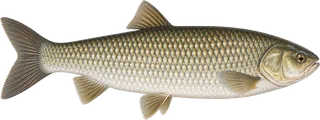 Grass carp fishingPossible
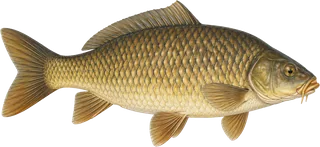 Carp fishingSecondary season
Sources
As of October 2026. The practical knowledge comes from 8 sources, summarised in our own words.
View all 8 sources
- Steckbrief Grasfische: Angeln auf Graskarpfen und Co. (Abschnitt Silber- und Marmorkarpfen) · BLINKER (Joshua Zettelmeier)
- Womit fängt man Marmorkarpfen wirklich? · BLINKER (Corinna Leppin)
- Gigantischer Marmorkarpfen am Vatertag · BLINKER (Redaktion)
- Deutscher Rekord-Marmorkarpfen · FISCH & FANG (Redaktion)
- Fast 50 Kilo: Angler fängt zufällig Weltrekord-Marmorkarpfen · BLINKER (Andre Pawlitzki)
- Karpfenangeln an der Oberfläche: Markus Pelzer verrät seine Taktik · BLINKER (Markus Pelzer)
- A busák horgászatának népszerűsödése mögött álló okok feltárása (Abschlussarbeit, Abschnitt 2.4) · Ungarische Universität für Agrar- und Lebenswissenschaften (MATE), Georgikon Campus Keszthely, betreut vom Fischereiforschungszentrum
- Leitlinie Silberkarpfen und Marmorkarpfen in Aquakultur und Fischerei · Fischereibehörde Sachsen (LfULG)
Text AI-assisted, based on the sources named and these pages: Bighead carp (profile), Carp fishing, Float rig, Boilies, Bread, Carp rod.