
Knowledge – Fish
Fishing for Nile perch
To fish for Nile perch means: from a boat, troll a big deep-diving plug along rocky edges and islands, and then cast precisely at the groups of fish you have found. Here is the way there in nine steps, each with a link to the detailed page.
 Choose another fish117 fish with guides
 EelOff-peak season
 EelpoutPossible
 IdePossible
 ArapaimaGood
 GraylingPeak season
 Atlantic salmonSpawning time, please spare
 Brown troutSpawning time, please spare
 Brook troutSpawning time, please spare
 BarbelOff-peak season
 BarramundiSpawning season
 Greater amberjackGood
 Topmouth gudgeonOnly as bycatch
 Blue marlinSpawning season
 BonefishSpawning season
 BonitoGood
 BreamOff-peak season
 Dusky grouperOnly as bycatch
 CobiaPossible
 Spiny dogfishOnly as bycatch
 CodPeak season
 ChubPeak season
 MinnowOnly as bycatch
 European sturgeonOnly as bycatch
 FlounderPeak season
 PerchPeak season
 Largemouth bassGood
 Ballan wrasseOnly as bycatch
 Yellowfin tunaSpawning season
 Giant trevallyGood
 Prussian carpPossible
 BrillPossible
 Gilthead breamSpawning time, please spare
 Golden doradoSpawning season
 Golden mahseerOnly as bycatch
 Dolphinfish (mahi-mahi)Good
 Grass carpPossible
 Great barracudaGood
 GudgeonPossible
 White breamPossible
 DaceOff-peak season
 PikePeak season
 HalibutOff-peak season
 HerringPossible
 GarfishOut of season
 Huchen (Danube salmon)Possible
 Crucian carpOnly as bycatch
 CarpOff-peak season
 RuffeOff-peak season
 VendaceOnly as bycatch
 DabPeak season
 GurnardPossible
 Coley (saithe)Peak season
 Chinook salmonHardly any chance
 King mackerelSpawning season
 LingPeak season
 TuskOff-peak season
 MackerelPossible
 Bighead carpOut of season
 WhitefishPossible
 Conger eelOff-peak season
 Sea troutSpawning time, please spare
 Grey mulletPossible
 Murray codSpawning season
 MuskellungeGood
 Common nasePossible
- Nile perchPossible
 PayaraPossible
 Peacock bassPeak season
 PermitGood
 WeeverOnly as bycatch
 PollackOff-peak season
 BurbotOff-peak season
 AspPossible
 Red snapperSpawning season
 Rainbow troutPeak season
 RoosterfishGood
 RoachPeak season
 RedfishOut of season
 Bluefin tunaOnly as bycatch
 RuddPossible
 Russian sturgeonOnly as bycatch
 HaddockOff-peak season
 SnakeheadPossible
 TenchOff-peak season
 SpirlinOnly as bycatch
 PlaiceOff-peak season
 Greenland halibutOnly as bycatch
 Round gobyOnly as bycatch
 SwordfishGood
 Lake troutSpawning time, please spare
 HakeSpawning time, please spare
 Alpine charSpawning time, please spare
 MonkfishPossible
 SoleOff-peak season
 SailfishGood
 Silver carpOut of season
 SnookPeak season
 PumpkinseedOnly as bycatch
 SpratOnly as bycatch
 Atlantic wolffishSpawning time, please spare
 TurbotPeak season
 SterletOnly as bycatch
 SmeltOnly as bycatch
 Horse mackerelPossible
 TaimenGood
 TarponGood
 TigerfishSpawning season
 BleakPossible
 WahooGood
 Wels catfishOff-peak season
 WhitingPeak season
 Sea bassOff-peak season
 ZanderPeak season
 White-eye breamOnly as bycatch
 Blue breamOnly as bycatch
 Brown bullheadPossible
 VimbaOnly as bycatch
Season in October according to the catch calendar, an estimate and not a guarantee of a catch. The fish pictures are reduced natural-history plates and AI-generated.
Best time
All year round.
In January: PossibleIn February: PossibleIn March: PossibleIn April: PossibleIn May: PossibleIn June: PossibleIn July: PossibleIn August: PossibleIn September: PossibleIn October: PossibleIn November: PossibleIn December: Possible
Good spot
- Lake: deep bottomdeep bottomdeep bottomdeep bottom
- River: deep poolsdeep poolsdeep poolsdeep pools
Starter tackle
- Rod: sturdy boat rod for big, deep-diving plugs
- Line: strong, rated for fish of 50 kilos and more
- Hook: reinforced trebles and split rings instead of the stock parts
- Rod: sturdy rod that can carry a baitfish of a good kilo
- Line: strong, rated for fish of 50 kilos and more
- Rod: fly rod, 10 to 12 weight
- Line: sinking line, about 400 grain
- Hook: streamer size 1/0, circle hook or J-hook
In short
In short: According to the catch calendar the best time is all year. Good spots on the lake: deep bottom; on the river: deep pools. Proven baits: big deep-diving plugs when trolling, soft plastics and baitfish, and in spring streamers from the shore too. Native to the Nile, Chad, Niger and Volta basins, introduced to Lake Victoria in the 1950s. There its mass occurrence coincided with the disappearance of hundreds of cichlid species.
Quick to recognise
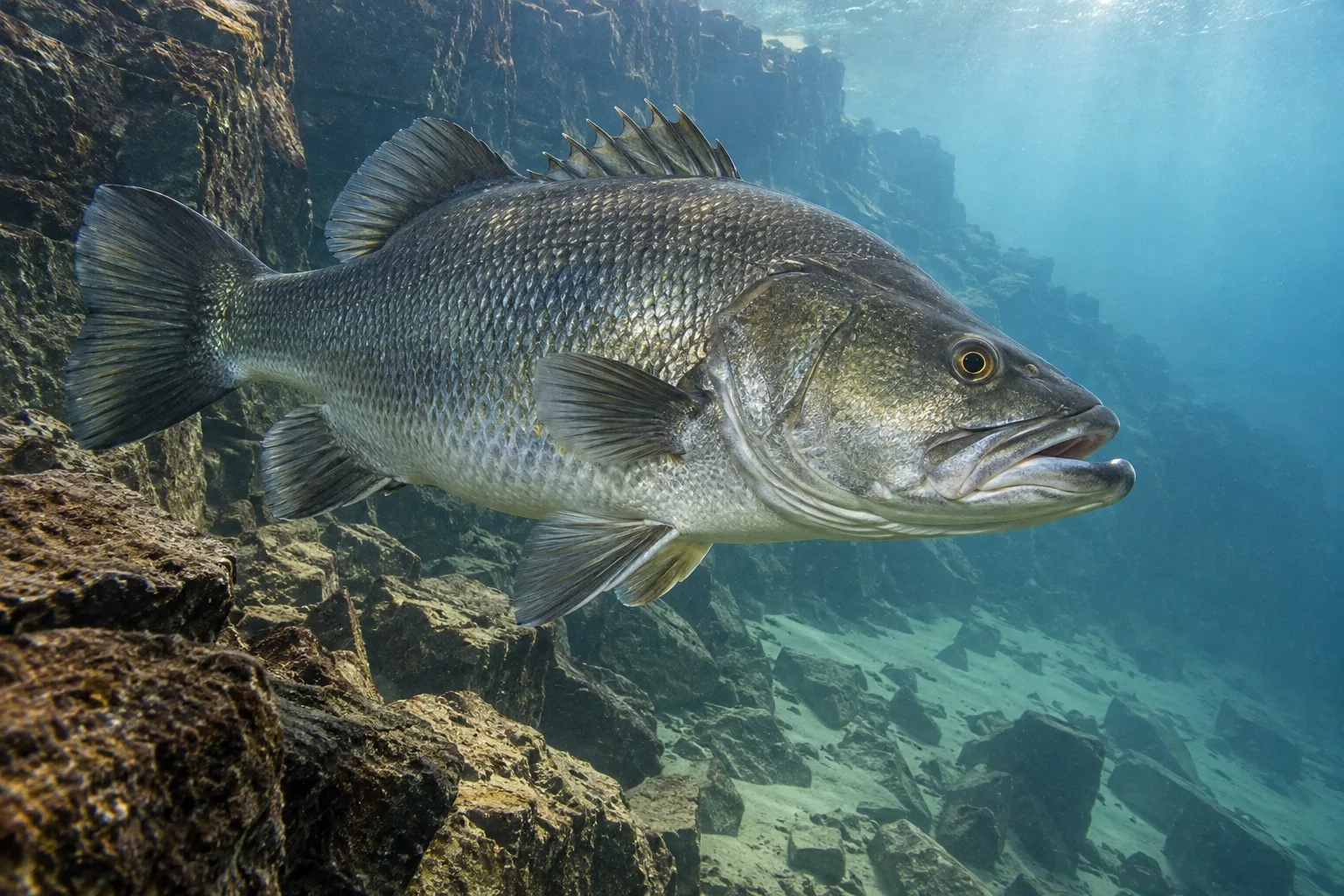
A large African predator with a laterally flattened body, a big mouth and a striking yellow eye, related to the barramundi. Fish of around 100 centimetres are typical, and it can grow up to 200 centimetres long.
When
There is no fixed season, every month offers chances. There are no reliable spawning months; the Nile perch spawns freely into the water and does not tend its brood. When choosing when to travel, weather, water level and the rules in the destination country matter more.
- JanPossible
- FebPossible
- MarPossible
- AprPossible
- MayPossible
- JunPossible
- JulPossible
- AugPossible
- SepPossible
- OctPossible
- NovPossible
- DecPossible
Peak seasonGoodPossibleHardly any chanceSpawning season
Season in the destination
There is no fixed peak season, fish are caught all year. On Lake Nasser in spring tilapia move into the shallows to spawn, and big Nile perch follow them for a few months into shore zones less than 3 metres deep; then fishing from the shore and with the fly pays off too. When the water is above 24 degrees again after winter, they also hunt near the surface. The water level of the reservoir varies from year to year, and is usually lowest in July or August.
Season and biting time
In January: PossibleIn February: PossibleIn March: PossibleIn April: PossibleIn May: PossibleIn June: PossibleIn July: PossibleIn August: PossibleIn September: PossibleIn October: PossibleIn November: PossibleIn December: Possible
Where it is now
In the lake
In large lakes such as Victoria, Albert or Nasser, adult fish usually stand deep, FishBase gives 10 to 60 metres; on Lake Nasser, however, anglers also located groups at 6 to 8 metres. Juveniles grow up in the shallow shore zone.
How to go about it: On Lake Nasser you look at the same structures as for perch: rocky edges, drop-offs, underwater hills, islands and points. The khors, the long side arms of the reservoir, are shallow and serve many fish for spawning and feeding; on their banks Nile perch like to hide under overhangs and in caves.
| All year round | deep bottom |
|---|
In the river
In the large rivers of the Sahel it lives in side arms and irrigation canals. There you look for the big fish in the deep spots.
How to go about it: In the Nile below Murchison Falls the water is murky, and fishing there is done mainly with a large live baitfish under a balloon. In Lake Nasser, by contrast, the water is strikingly clear.
| All year round | Pools |
|---|
Holding spots in the picture
Choose a season and time of day: the picture shows where the species sits then. Tap a fish or a spot in the list to bring it closer. The picture is schematic and AI-generated, every water is different.
Catch chances in springpossible
Catch chances in summerpossible
Catch chance in autumnpossible
Catch chance in winterpossible
- J
- F
- M
- A
- M
- J
- J
- A
- S
- O
- N
- D
In the lake
Deep bottom
Nile perch are found here all year.
In large lakes such as Victoria, Albert or Nasser, adult Nile perch stay in deep water. The juveniles, on the other hand, grow up in shallow shore zones.
Spring: catch chance according to the catch calendar is possible.
Summer: catch chances according to the catch calendar are possible.
Autumn: catch chance according to the catch calendar is possible.
Winter: catch chance according to the catch calendar possible.
In the river
Pools, deep spot
Nile perch are found here all year.
In the rivers of the Sahel it lives in river arms and irrigation canals. You will find big fish there in the deep spots.
Spring: catch chance according to the catch calendar is possible.
Summer: catch chances according to the catch calendar are possible.
Autumn: catch chance according to the catch calendar is possible.
Winter: catch chance according to the catch calendar possible.
Depth: For adult fish FishBase gives a depth of 10 to 60 metres. Juveniles stay in shallow water.
Size comparison: AI-generated drawing, schematic.
How
On Lake Nasser, trolling with large deep-diving plugs counts as the most successful method. Once the echo sounder or a bite has revealed a group, you mark the spot and cast at it with soft plastics or baitfish. In the murky Nile below Murchison Falls, large live baitfish are offered under a balloon, and in spring on Lake Nasser the fly works from the shore too.
Easiest way
On Lake Nasser, trolling from a boat counts as the most successful method, and it is also the easiest way in. A large, sturdy deep-diving plug is pulled slowly along rocky edges, points and around islands. Its diving lip should keep making contact with the bottom.
Trolling and casting from a boat
The usual way on Lakes Nasser and Victoria: trolling finds you the groups, and at the marked spots you then cast at them precisely.
- Work the structure
Work along rocky edges, drop-offs, underwater hills and islands. The echo sounder shows you whether a group of Nile perch is holding there and at what depth.
- Strengthen the lure
Fit big deep-diving plugs with strong split rings and strong trebles. A big Nile perch simply bends weak rings open during the fight.
- Troll at low revs
Let the plug run a good way behind the boat and travel at idle speed only. Choose it so that the lip rumbles over the bottom at the depth of the fish; trolling is often done at 9 metres and deeper.
- Mark the spot, cast at it
If trolling has revealed a gathering, mark the spot with GPS or a buoy. Then cast at it with large soft plastics or a baitfish rig, instead of driving the boat over it again and again.
- A jolt instead of rumbling
A bite suddenly bends the rod into a hoop and is clearly different from the steady rumbling of the lip on the bottom.
- Follow the fish with the boat
Big fish make long circles in the depths, and a fight of more than 20 minutes happens. Follow the fish with the boat and keep steady pressure instead of forcing it up.
- Careful at the last jump
Many Nile perch only jump just before landing and shake their heads as they do. Keep your face and hands away from the fish and the plug until it lies quietly beside the boat.
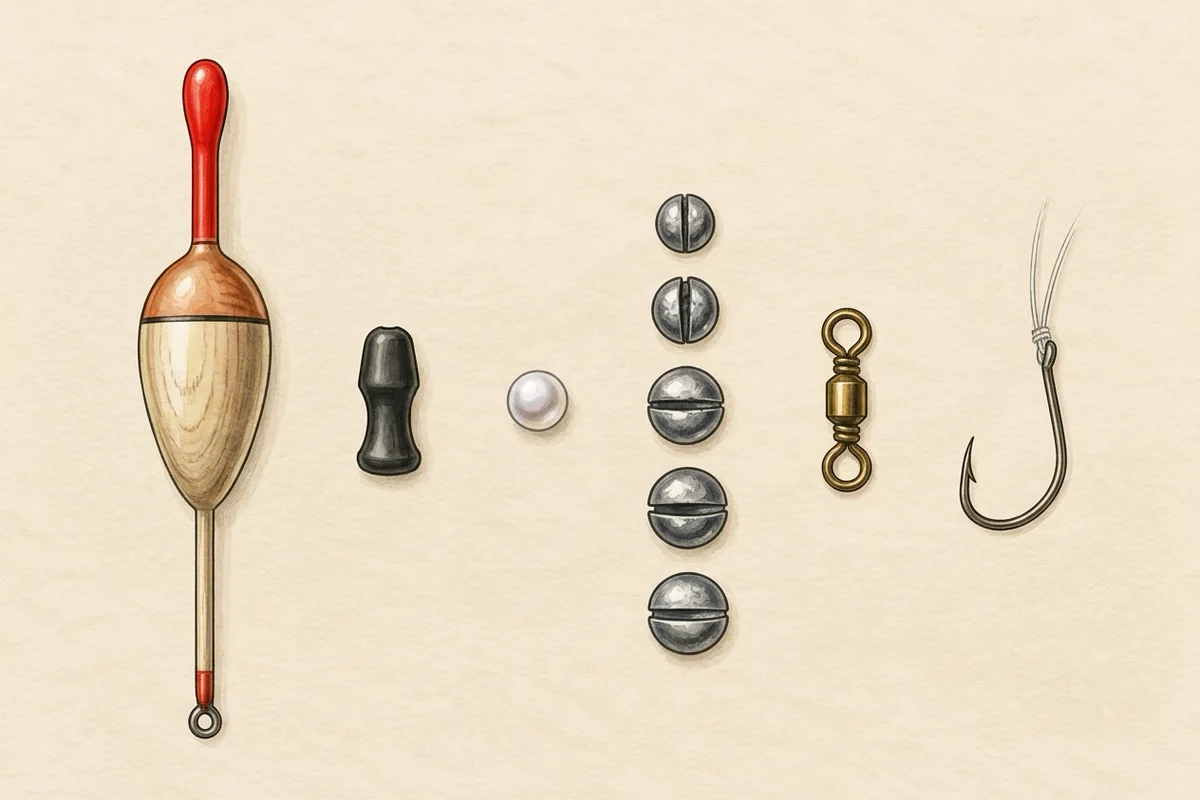
Live baitfish under a balloon
In the murky water of the Victoria Nile below Murchison Falls you offer a large live baitfish under a balloon.
- Murky river water
This method is intended for the murky stretches of the Nile, for example below Murchison Falls in Uganda.
- Large baitfish
Live baitfish of up to about 1,1 kilos are offered. Use only species that live in this river and are allowed there as bait.
- Balloon as a float
A brightly coloured balloon carries the heavy bait and holds it in mid-water.
- The balloon moves off
If the balloon goes under or moves off, take up the slack line and strike.
- Keep the tension
Keep the fish under constant pressure. When it jumps it shakes its head hard, and with slack line the hook easily falls out.
- Unhook in the water
Take hold of a played-out fish by the lower lip and, if it is to go back, leave it in the water for unhooking and measuring.
Streamer from the shore
In spring, when big Nile perch hunt right at the shore on Lake Nasser, you can cast to them deliberately with the fly.
- Walk the bank
Walk along the rocky banks and look for cruising fish or for overhangs and caves between the stones. It is easier with two: one spots from above, the other casts.
- Strong leader
Tie a leader of about 27 kilos breaking strain and a fish-shaped streamer in size 1/0 onto the sinking line.
- Short and quiet
Often two to three rod lengths of line are enough. Place the fly so that it sinks across the mouth of the cave and the fly line does not drag over the fish.
- Twitch and sink
Twitch the streamer twice briefly and then let it drop back into the depths.
- With the line hand
The bite usually comes right before your eyes. Strike with a hard pull of the line hand.
- Away from the rocks
If the fish wraps the line around a rock underwater, it chafes through quickly. Point the rod tip along its line of escape to free it.
- Lip grip
When the fish is played out, grip it firmly by the lower lip and leave it in the water for unhooking.
What with
When trolling, a big, sturdy deep-diving plug whose lip touches the bottom at the depth of the fish; for casting, large soft plastics. A fish from the same water suits as natural bait, on Lake Nasser it feeds mainly on tilapia; in Napoleon Gulf in Uganda, commercial fishermen took small cichlids, catfish and Nile pike. Use only species that occur in that water and are allowed.
- Crankbaitwhen trolling along edges, drop-offs and islands, all year
A big deep-diving plug whose lip rumbles over the bottom at the depth of the fish is the bait of the most successful method on Lake Nasser; you swap the split rings and trebles for stronger ones.
- Baitfishall year, in murky rivers and at marked spots on the lake
On Lake Nasser tilapia are the main prey, so a baitfish from that water offers exactly what the Nile perch hunts there anyway.
- Streamerin spring from the rocky shore of Lake Nasser, when big Nile perch hunt in the shallows
A fish-shaped streamer in size 1/0 sinks on the sinking line across the front of caves and overhangs where the fish are holding. Twitch it twice briefly and let it fall again.
Tackle
A sturdy boat rod with a large multiplier reel and line for fish of 50 kilos and more. Swap the split rings and trebles of the plugs for stronger parts. The pages on the spinning rod and line help with the choice.
Trolling and casting from a boat
- Rod
- sturdy boat rod for big, deep-diving plugs
- Reel
- large multiplier reel
- Line
- strong, rated for fish of 50 kilos and more
- Hooks
- reinforced trebles and split rings instead of the stock parts
- Weight, float, lead
- big deep-diving plug, matched to a fish depth of about 6 to over 9 metres
Live baitfish under a balloon
Streamer from the shore
- Rod
- fly rod, 10 to 12 weight
- Reel
- fly reel with a strong drag
- Line
- sinking line, about 400 grain
- Leader
- about 60 lb, roughly 27 kg breaking strain
- Hooks
- streamer size 1/0, circle or J-hook
More on tackle
Common mistakes
- Stock split rings and trebles: A big Nile perch bends them open like a paper clip. Swap them for much stronger parts before first use.
- Driving the boat over the fish again and again: The boat scares the group off. Mark the spot after the first contact and cast at it from a distance.
- Staying put when only followers are coming: Nile perch are curious and follow a hooked fellow fish right up to the boat, but then hardly bite. After a few fish it is worth moving on to the next structure.
- A fly that is too big and heavy: Big patterns do bring bigger fish, but they tear a hole in the mouth during the fight, and at the jump the fish is lost. A smaller streamer around size 1/0 holds better.
- The plug runs above the fish: Choose a deep diver whose lip touches the bottom again and again at the depth of the fish. Nile perch like to take exactly this rumbling.
Rules
For the Nile perch, the rules of the country where you fish apply, not the German fisheries laws. Licence, closed seasons, minimum sizes and the taking of fish are set by each country, often by each water separately.
What the profile says: Native to the Nile, Chad, Niger and Volta basins, introduced to Lake Victoria in the 1950s. There its mass occurrence coincided with the disappearance of hundreds of cichlid species.
The fisheries authority (Fischereibehörde) of the country you travel to is what counts. Ask about the current rules before the trip and read in the profile how threatened the species is.
After the catch
Playing and landing
Expect jumps and violent head-shaking, above all shortly before landing, and then keep even tension and a distance from the bait and trebles. The gill cover carries a strong spine and the edge in front of it is serrated; so do not reach under the gills, but take hold of the played-out fish by the lower lip. A fish that is to go back you measure and photograph in the water and let swim off from there. Rules, licence and the taking of fish are determined by the country where you fish.
Never move a Nile perch to another water; Lake Victoria shows what an introduction can do. How to land, release or handle it gently is shown on the linked fish welfare pages.
Frequently asked questions
How do you fish for Nile perch on Lake Nasser?
Mostly you troll from a boat with big deep-diving plugs, or cast from a drifting boat around islands. If you have found a gathering, you mark it and then cast at it with soft plastics or baitfish.
At what depth does the Nile perch hold?
It varies a lot. On Lake Nasser groups were located at 6 to 8 metres off a peninsula, and trolling is often done from 9 metres. In spring big fish also stand in less than 3 metres at the shore for a few months.
Can you catch Nile perch on the fly?
Yes, especially in spring from the shore of Lake Nasser. Rods of 10 to 12 weight with a sinking line and a strong leader with a fish imitation are usual.
Which baitfish for Nile perch?
On Lake Nasser tilapia is the most important prey, and below Murchison Falls large live baitfish of up to a good kilo are offered under a balloon. Use only species that live in the water and are allowed as bait.
Does the Nile perch jump during the fight?
Yes, often only in the last part of the fight and right at the boat. It shakes its head violently as it does so, and many fish come free that way.
Similar species
If you catch Nile perch, you can fish for these species with similar tackle too:
 Fishing for largemouth bassGood
 Fishing for golden doradoSpawning season
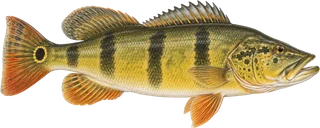 Fishing for peacock bassPeak season
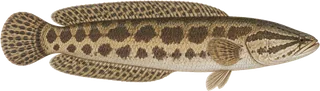 Snakehead fishingPossible
Sources
As of October 2026. The practical knowledge comes from 4 sources, summarised in our own words.
See all 4 sources
- Die Monsterbarsche vom Nil: Angeln am Nassersee · BLINKER (Redaktion, O. Portrat)
- Fishing for monster Nile perch · The Field (Redaktion, Future Publishing)
- Lates niloticus (Linnaeus, 1758), Nile perch – Species Summary · FishBase
- Lake Nasser fisheries: Literature review and situation analysis (Program Report 2015-42) · WorldFish (Halls, Habib, Nasr-Allah, Dickson)
Text written with AI assistance, based on the sources named and these pages: Nile perch (profile), Spin fishing, Baitfish, Crankbait.