
Knowledge – Fish
Fishing for peacock bass
To fish for peacock bass means: in the dry season, search lagoons and river banks with lures, and release the fish quickly after catching it. Here is the way there in nine steps, each with a link to the detailed page.
 Choose another fish117 fish with guides
 EelOff-peak season
 EelpoutPossible
 IdePossible
 ArapaimaGood
 GraylingPeak season
 Atlantic salmonSpawning time, please spare
 Brown troutSpawning time, please spare
 Brook troutSpawning time, please spare
 BarbelOff-peak season
 BarramundiSpawning season
 Greater amberjackGood
 Topmouth gudgeonOnly as bycatch
 Blue marlinSpawning season
 BonefishSpawning season
 BonitoGood
 BreamOff-peak season
 Dusky grouperOnly as bycatch
 CobiaPossible
 Spiny dogfishOnly as bycatch
 CodPeak season
 ChubPeak season
 MinnowOnly as bycatch
 European sturgeonOnly as bycatch
 FlounderPeak season
 PerchPeak season
 Largemouth bassGood
 Ballan wrasseOnly as bycatch
 Yellowfin tunaSpawning season
 Giant trevallyGood
 Prussian carpPossible
 BrillPossible
 Gilthead breamSpawning time, please spare
 Golden doradoSpawning season
 Golden mahseerOnly as bycatch
 Dolphinfish (mahi-mahi)Good
 Grass carpPossible
 Great barracudaGood
 GudgeonPossible
 White breamPossible
 DaceOff-peak season
 PikePeak season
 HalibutOff-peak season
 HerringPossible
 GarfishOut of season
 Huchen (Danube salmon)Possible
 Crucian carpOnly as bycatch
 CarpOff-peak season
 RuffeOff-peak season
 VendaceOnly as bycatch
 DabPeak season
 GurnardPossible
 Coley (saithe)Peak season
 Chinook salmonHardly any chance
 King mackerelSpawning season
 LingPeak season
 TuskOff-peak season
 MackerelPossible
 Bighead carpOut of season
 WhitefishPossible
 Conger eelOff-peak season
 Sea troutSpawning time, please spare
 Grey mulletPossible
 Murray codSpawning season
 MuskellungeGood
 Common nasePossible
 Nile perchPossible
 PayaraPossible
- Peacock bassPeak season
 PermitGood
 WeeverOnly as bycatch
 PollackOff-peak season
 BurbotOff-peak season
 AspPossible
 Red snapperSpawning season
 Rainbow troutPeak season
 RoosterfishGood
 RoachPeak season
 RedfishOut of season
 Bluefin tunaOnly as bycatch
 RuddPossible
 Russian sturgeonOnly as bycatch
 HaddockOff-peak season
 SnakeheadPossible
 TenchOff-peak season
 SpirlinOnly as bycatch
 PlaiceOff-peak season
 Greenland halibutOnly as bycatch
 Round gobyOnly as bycatch
 SwordfishGood
 Lake troutSpawning time, please spare
 HakeSpawning time, please spare
 Alpine charSpawning time, please spare
 MonkfishPossible
 SoleOff-peak season
 SailfishGood
 Silver carpOut of season
 SnookPeak season
 PumpkinseedOnly as bycatch
 SpratOnly as bycatch
 Atlantic wolffishSpawning time, please spare
 TurbotPeak season
 SterletOnly as bycatch
 SmeltOnly as bycatch
 Horse mackerelPossible
 TaimenGood
 TarponGood
 TigerfishSpawning season
 BleakPossible
 WahooGood
 Wels catfishOff-peak season
 WhitingPeak season
 Sea bassOff-peak season
 ZanderPeak season
 White-eye breamOnly as bycatch
 Blue breamOnly as bycatch
 Brown bullheadPossible
 VimbaOnly as bycatch
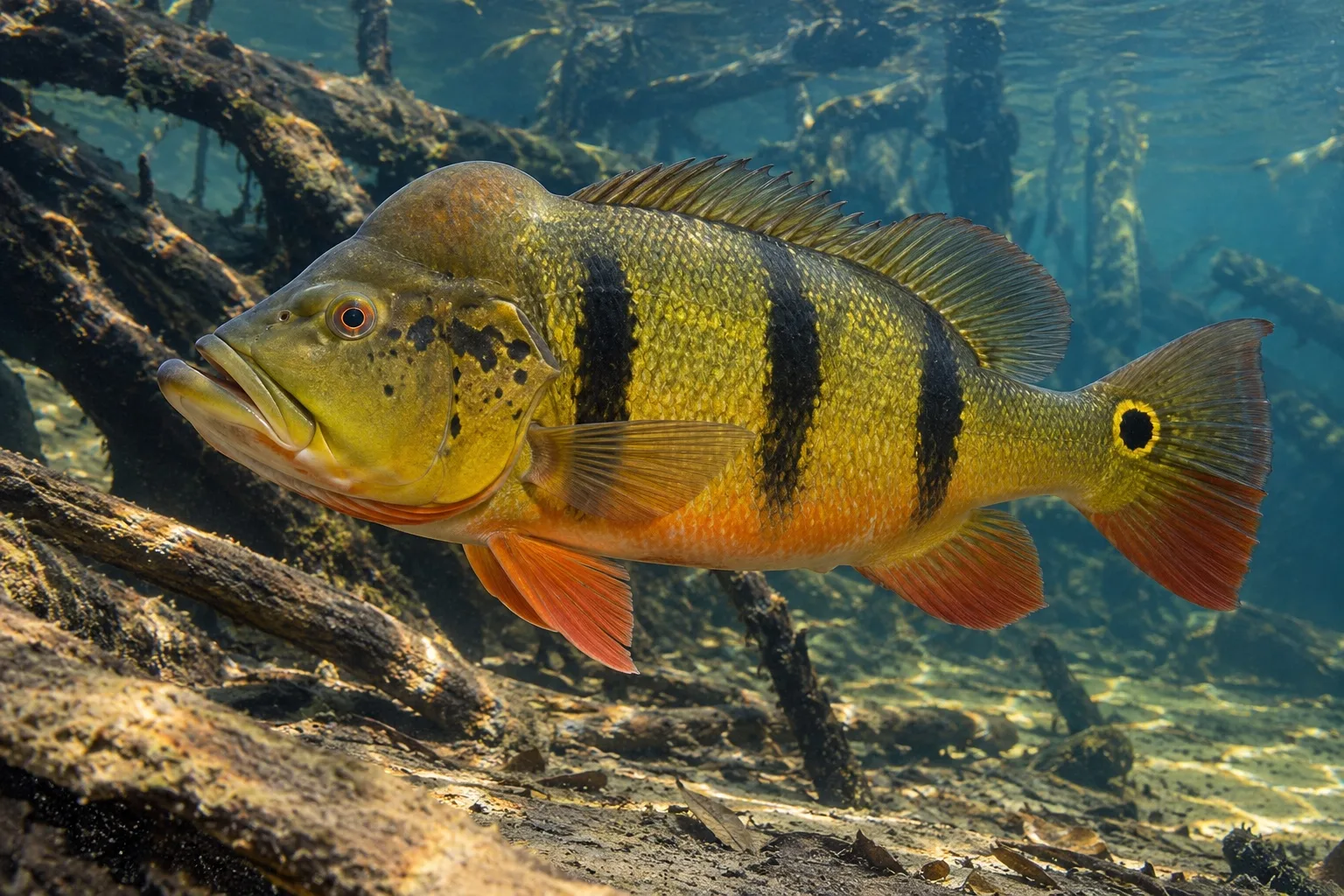
Season in October according to the catch calendar, an estimate and not a guarantee of a catch. The fish pictures are reduced natural-history plates and AI-generated.
Best time
From September to October.
In January: Good, spawning seasonIn February: Good, spawning seasonIn March: Possible, spawning seasonIn April: Hardly any chanceIn May: Hardly any chanceIn June: Hardly any chanceIn July: PossibleIn August: PossibleIn September: Peak seasonIn October: Peak seasonIn November: Good, spawning seasonIn December: Good, spawning season
Good spot
- Lake: shelf edge and sunken treeshelf edge and sunken treeshelf edge and sunken treeshelf edge and sunken tree
- River: undercut bank and rip-rapundercut bank and rip-rapundercut bank and rip-rapundercut bank and rip-rap
Starter tackle
- Rod: baitcasting rod (as in the research trial on the Rio Negro)
- Line: braided, 36 kg breaking strain
- Hook: hair jig with a single hook; mid-water plug with two trebles, surface lures with three trebles
- Rod: light spinning rod
- Line: monofilament, 6–8 lb breaking strain (about 2,7–3,6 kg)
In short
In short: According to the catch calendar the best time is from September to October. Good spots on the lake: shelf edge and sunken tree; on the river: undercut bank and rip-rap. Proven baits: hair jigs, diving crankbaits and large surface lures. Peacock bass is a collective name for the cichlid genus Cichla with 16 species. On the middle Rio Negro the species is mostly caught and released; the rules of the local authority are binding.
Quick to recognise
Not a single fish, but a genus of South American cichlids, called tucunaré in Brazil. Typical features are dark crossbars and a black spot ringed with gold at the base of the tail. The largest species, the speckled peacock, grows up to 99 centimetres long.
When
On the middle Rio Negro, September and October are the peak season and November to February remain good. The season there lasts six months on average, usually from September to February or March. The popoca spawns at the start of the high water, in the Amazon roughly from November to March.
- JanGood, spawning
- FebGood, spawning
- MarPossible, spawning season
- AprHardly any chance
- MayHardly any chance
- JunHardly any chance
- JulPossible
- AugPossible
- SepPeak season
- OctPeak season
- NovGood, spawning
- DecGood, spawning
Peak seasonGoodPossibleHardly any chanceSpawning season
Season in the destination
On the middle Rio Negro the sport fishing season usually runs from September into February or March, so about half a year. Fishing is done on falling and low water, when the waters shrink and the fish gather in a small space. The water temperature hardly changes there over the year, the level is what counts. When the water rises again, catching gets harder and the season ends.
Season and biting time
In January: Spawning seasonIn February: Spawning seasonIn March: Spawning seasonIn April: Hardly any chanceIn May: Hardly any chanceIn June: Hardly any chanceIn July: PossibleIn August: PossibleIn September: Peak seasonIn October: Peak seasonIn November: Spawning seasonIn December: Spawning season
Where it is now
In the lake
You find big speckled peacocks in lagoons where the bank drops away more deeply. The popoca likes still, clear water and stays among fallen trees and branches.
How to go about it: In the lagoons (lagos) on the Rio Negro the fish concentrate at low water, and that is where the fish of the telemetry study were followed. In Florida butterfly peacocks also live in lakes, ponds and deep rock pits and often feed in the shallows along banks with overhanging plants.
| All year round | Shelf edge, sunken tree |
|---|
In the river
In the main rivers you search the sandy and rocky banks, where adult speckled peacocks stay.
How to go about it: On the Rio Negro the boats fish the shallow margins of the main current and tributaries such as the Aracá, Demeni and Cuiuni; little-fished, remote rivers can produce bigger fish. In the canals of southern Florida, junctions, dead ends, bends and the shade under bridges are the best spots.
| All year round | undercut bank, rip-rap |
|---|
Holding spots in the picture
Choose a season and time of day: the picture shows where the species sits then. Tap a fish or a spot in the list to bring it closer. The picture is schematic and AI-generated, every water is different.
Chance of a catch in springslim
Catch chances in summerpossible
Catch chance in autumnPeak season
Chance of a catch in wintergoodSpawning, observe the closed seasons
- J
- F
- M
- A
- M
- J
- J
- A
- S
- O
- N
- D
Spawning season
In the lake
Shelf edge
Peacock bass (tucunaré) are found here all year.
Sunken tree
Peacock bass (tucunaré) are found here all year.
In lagoons big speckled peacocks stand in the deeper shore zones. The popoca looks for still, clear water and hides among fallen trees and branches. To spawn, the pairs build nests near solid ground or on beaches, in the Amazon usually at the start of the high water.
Spring: catch chance according to the catch calendar is possible in March, hardly any in April and May.
Summer: catch chance according to the catch calendar is hardly any in June, possible in July and August.
Autumn: catch chance according to the catch calendar is peak season in September and October, good in November.
Winter: chance of a catch good according to the catch calendar. This is when spawning falls, so observe the closed seasons.
In the river
Undercut bank, overhanging branches, timber
Peacock bass (tucunaré) are found here all year.
riprap, sheet piling, harbour
Peacock bass (tucunaré) are found here all year.
In the main rivers adult speckled peacocks stay along sandy and rocky banks. The best-known fishing grounds are on the middle Rio Negro, where the season usually runs from September to February or March.
Spring: catch chance according to the catch calendar is possible in March, hardly any in April and May.
Summer: catch chance according to the catch calendar is hardly any in June, possible in July and August.
Autumn: catch chance according to the catch calendar is peak season in September and October, good in November.
Winter: chance of a catch good according to the catch calendar. This is when spawning falls, so observe the closed seasons.
Size comparison: AI-generated drawing, schematic.
How
On the Rio Negro fishing is done with lures; researchers used baitcasting rods and braided line there. In Brazil sport fishing is mostly practised as catch and release.
Easiest way
On the Rio Negro you start with the hair jig on a baitcasting rod: in a study on the Rio Negro it produced the most bites, and in a trial on the Rio Unini none of the fish caught on it died. In the canals of southern Florida, light spinning tackle with small, fish-like crankbaits that you cast into the shade under bridges is enough.
Jig and crankbait from a boat
The usual method of sport fishing in the Amazon region: from a boat with lures on lagoons and river margins, after which the fish is released.
- Use the low water
In season, work the lagoons and the shallow margins of the main current and tributaries. At low water there is less water, the fish stand more densely and are easier to reach.
- Jig or diving crankbait
Attach to the braided main line either a hair jig with a single hook that sinks to the bottom, or a mid-water plug with two trebles.
- Cast to the edges
Cast from the boat to the shallow margins and into the lagoons where the fish stand densely at low water. In Florida anglers cast surface lures, jigs and crankbaits as well as live shiners.
- Depth to suit the bait
You let the hair jig sink to the bottom, the crankbait works in mid-water, and the floating lure stays on top. According to the Florida authority, butterfly peacocks take their prey at great speed.
- Short and strong
Bring the fish to the boat quickly with strong tackle. In the trial on the Rio Negro it usually took under a minute from hooking to lifting the fish out, so the time in the air stayed short.
- Grip by the lower jaw
Grip the fish by the lower jaw as you would a largemouth bass, or use lip grips. The fine teeth scrape the skin of your thumb; tape or a leather thumb guard prevents that.
Live shiner under a float
The easiest way to catch a butterfly peacock in the canals of southern Florida, where live baitfish are allowed.
- Look for shade
Look for bridges, culverts and plants that cast shade, plus canal junctions, bends, dead ends and fallen trees. The fish gather there.
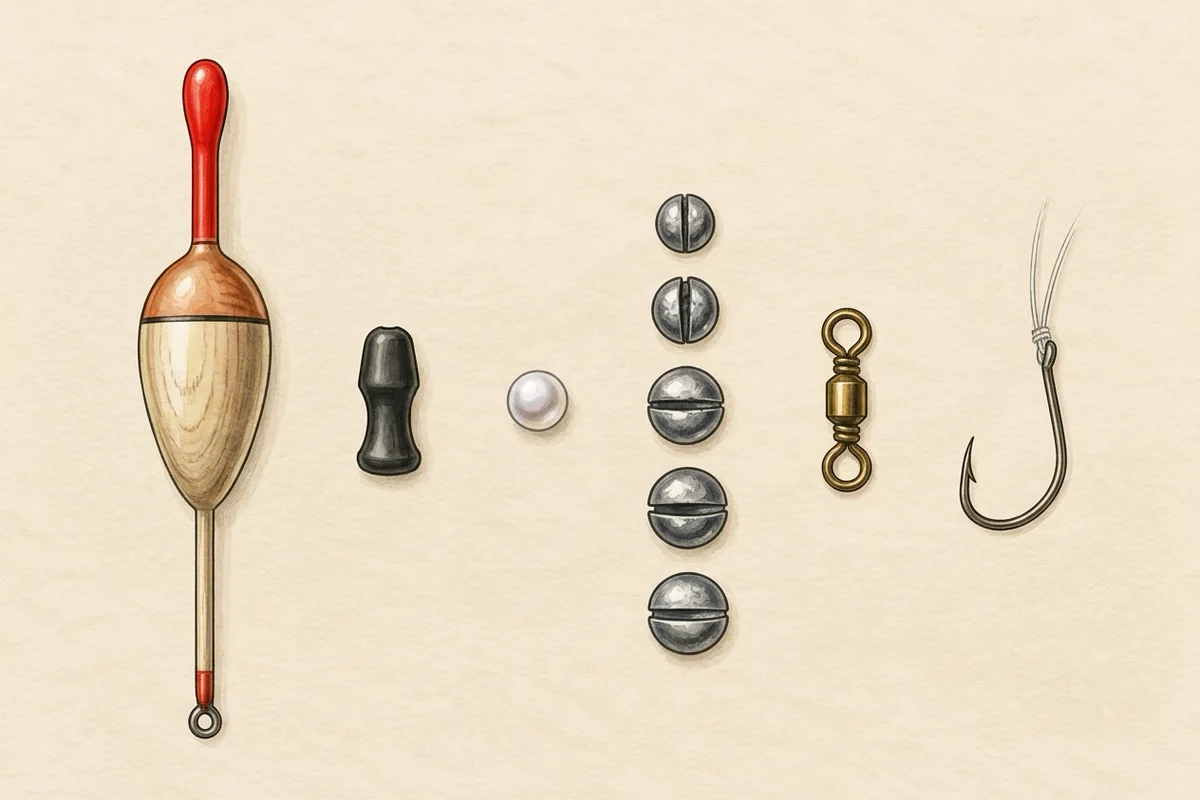
- Float and split shot
Fit a small float and, if needed, a single split shot so the baitfish swims at the right depth. Without a float you can also let it swim freely on the line.
- Small golden shiner
Locally the bait is called a peacock shiner: a golden shiner of about 7,5 centimetres. The peacock hardly touches the soft plastic worms that catch largemouth bass.
- Cast or troll
Cast the bait to the structure, or draw it slowly along the canal edge with the electric motor. Fish are caught almost only in daylight.
- Stay light
Butterfly peacocks fight in open water in the canals, so you do not need thick line. According to the authority, thinner lines bring more bites.
- Back quickly
Unhook the fish quickly. In the livewell on board and out of the water it copes much worse than a largemouth bass.
What with
These include diving crankbaits of 15 to 20 centimetres, shallow-running crankbaits, surface lures of about 20 centimetres and a hair jig on a single hook. In the study on the Rio Negro the jig produced 59 per cent of the bites and the surface lure 8 per cent.
- Crankbaitall day, especially when you are after bigger fish
In a trial on the Rio Unini, shallow-running crankbaits caught clearly heavier and longer peacock bass than the hair jig.
- Baitfishin the canals of southern Florida, where live baitfish are allowed, in daylight
A live golden shiner of about 7,5 centimetres under a float is the easiest way to catch a butterfly peacock there. It hardly touches soft plastic worms.
Tackle
A strong baitcasting or spinning rod with braided line, rated at 36 kilograms in the study. The pages on spinning rods and line help with the choice.
Jig and crankbait from a boat
- Rod
- Baitcasting rod (as used in the research trial on the Rio Negro)
- Reel
- Baitcasting reel
- Line
- braided, 36 kg breaking strain
- Hooks
- Hair jig on a single hook; mid-water crankbait with two, surface lure with three treble hooks
- Weight, float, lead
- Crankbaits for mid-water 15–20 cm, floating surface lures about 20 cm
Live shiner under a float
- Rod
- light spinning rod
- Reel
- small fixed-spool reel
- Line
- monofilament, 6–8 lb breaking strain (about 2,7–3,6 kg)
- Weight, float, lead
- small split shot as needed; baitfish about 7,5 cm
More on tackle
Common mistakes
- Fishing at night: In Florida the butterfly peacock feeds only by day, according to the authority. So fish during the bright hours.
- Using a soft plastic worm as for largemouth bass: The butterfly peacock only rarely takes soft plastic worms. Offer live fish or lures that imitate a small fish.
- Lures too big in Florida: Lures up to about 12,5 centimetres now and then tempt a big one, but lures under 7,5 centimetres catch more steadily. Big fish take small lures too.
- Keeping the fish in a livewell or showing it off for long: Peacocks cope with holding and with air worse than largemouth bass. Remove the hook quickly and release the fish straight away.
- Rough unhooking of small fish: In the Rio Negro study only fish under 42 centimetres standard length died, almost always after being hooked in the gills or throat. Take particular care with small fish.
Rules
For the peacock bass the rules of the country where you fish apply, not the German fisheries laws. Each country, often each water, sets its own licence, closed seasons, minimum sizes and rules on keeping fish.
What the profile says: Peacock bass is a collective name for the cichlid genus Cichla with 16 species. In the middle Rio Negro the species is mostly caught and released; the rules of the local authority are binding.
The fisheries authority (Fischereibehörde) of the country you travel to is what counts. Ask about the current rules before the trip and read in the profile how threatened the species is.
After the catch
Playing and landing
Play the fish quickly and keep it out of the water only briefly, because in the studies the fatal cases were mainly hooks in the gills and throat, and out of the water the peacock copes worse than a largemouth bass. Grip it by the lower jaw or with lip grips, do not touch the gills, and do not leave it in the livewell. On the middle Rio Negro, sport fishing for peacock bass is almost always catch and release, and Florida recommends it too; rules, licence and keeping fish are set by the country where you fish.
Unhook the fish quickly and keep it out of the water only briefly. The risk is greatest with small fish and with hooks in the gills; in the Rio Negro study no fish died on the surface lure.
Frequently asked questions
When is the best time to travel for peacock bass on the Rio Negro?
Usually from September to February or March. The water level is then low and the fish are concentrated; the season ends with the high water.
Which lures for peacock bass?
In a study on the Rio Negro, 59 per cent of the fish took the hair jig, 33 per cent diving crankbaits and 8 per cent surface lures. In Florida, live shiners, small crankbaits, surface lures and jigs are usual.
Which line for peacock bass?
For the big speckled peacocks on the Rio Negro, researchers used braided line rated at 36 kilograms on baitcasting tackle. In the Florida canals, monofilament of 6 to 8 pounds on a light spinning rod is enough.
Does the peacock bass bite at night?
Hardly in Florida: according to the local fisheries authority the butterfly peacock feeds only by day, and almost all catches come in daylight.
How many peacock bass die after release?
Few: in holding trials on the Rio Negro 2,3 to 5,2 per cent died, depending on the species, and none of the fish caught on a jig on the Rio Unini. Fish tracked swimming free showed higher losses there, though, partly due to predators.
Where can you fish for peacock bass in Florida?
In more than 480 kilometres of urban canals in Miami-Dade and Broward. The species does not survive further north because it cannot survive water below about 15,5 degrees.
Similar species
Anyone who catches the peacock bass can fish for these species with similar tackle too:
 Fishing for largemouth bassGood
 Fishing for Murray codSpawning
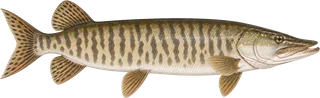 Fishing for muskellungeGood
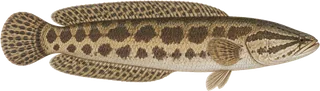 Snakehead fishingPossible
Sources
Status: October 2026. The practical knowledge comes from 6 sources, summarised in our own words.
View all 6 sources
- Peacock bass mortality associated with catch-and-release sport fishing in the Negro River, Amazonas State, Brazil (Acta Amazonica 44(4), 2014) · Instituto Nacional de Pesquisas da Amazônia (INPA), Acta Amazonica; Thomé-Souza, Maceina, Forsberg u. a.
- Estimation of peacock bass (Cichla spp.) mortality rate during catch-release fishing employing different post-capture procedures (Brazilian Journal of Biology 78(2), 2018) · Universidade Federal do Amazonas (UFAM), Brazilian Journal of Biology; Barroco, Freitas, Lima
- Freshwater sport fishing: characterization of operations in the middle Negro River, Amazonas, Brazil (Boletim do Instituto de Pesca 49, 2023) · Instituto de Pesca São Paulo, Boletim do Instituto de Pesca; Lubich, Siqueira-Souza, Freitas (UFAM)
- Butterfly Peacock Bass Fishing Tips · Florida Fish and Wildlife Conservation Commission (FWC)
- Butterfly Peacock Bass: Sport-fishing Techniques (Broschüre) · Florida Fish and Wildlife Conservation Commission (FWC)
- Butterfly Peacock (Artprofil) · Florida Fish and Wildlife Conservation Commission (FWC)
Text AI-assisted, based on the sources named and these pages: Peacock bass (profile), Spinning, Crankbait, Releasing a fish.