
Knowledge – Fish
Fishing for largemouth bass
Fishing for largemouth bass means finding cover in shallow, clear water and working an artificial lure close past it. Here is the way there in nine steps, each with a link to the detailed page.
 Choose another fish117 fish with guides
 EelOff-peak season
 EelpoutPossible
 IdePossible
 ArapaimaGood
 GraylingPeak season
 Atlantic salmonSpawning time, please spare
 Brown troutSpawning time, please spare
 Brook troutSpawning time, please spare
 BarbelOff-peak season
 BarramundiSpawning season
 Greater amberjackGood
 Topmouth gudgeonOnly as bycatch
 Blue marlinSpawning season
 BonefishSpawning season
 BonitoGood
 BreamOff-peak season
 Dusky grouperOnly as bycatch
 CobiaPossible
 Spiny dogfishOnly as bycatch
 CodPeak season
 ChubPeak season
 MinnowOnly as bycatch
 European sturgeonOnly as bycatch
 FlounderPeak season
 PerchPeak season
- Largemouth bassGood
 Ballan wrasseOnly as bycatch
 Yellowfin tunaSpawning season
 Giant trevallyGood
 Prussian carpPossible
 BrillPossible
 Gilthead breamSpawning time, please spare
 Golden doradoSpawning season
 Golden mahseerOnly as bycatch
 Dolphinfish (mahi-mahi)Good
 Grass carpPossible
 Great barracudaGood
 GudgeonPossible
 White breamPossible
 DaceOff-peak season
 PikePeak season
 HalibutOff-peak season
 HerringPossible
 GarfishOut of season
 Huchen (Danube salmon)Possible
 Crucian carpOnly as bycatch
 CarpOff-peak season
 RuffeOff-peak season
 VendaceOnly as bycatch
 DabPeak season
 GurnardPossible
 Coley (saithe)Peak season
 Chinook salmonHardly any chance
 King mackerelSpawning season
 LingPeak season
 TuskOff-peak season
 MackerelPossible
 Bighead carpOut of season
 WhitefishPossible
 Conger eelOff-peak season
 Sea troutSpawning time, please spare
 Grey mulletPossible
 Murray codSpawning season
 MuskellungeGood
 Common nasePossible
 Nile perchPossible
 PayaraPossible
 Peacock bassPeak season
 PermitGood
 WeeverOnly as bycatch
 PollackOff-peak season
 BurbotOff-peak season
 AspPossible
 Red snapperSpawning season
 Rainbow troutPeak season
 RoosterfishGood
 RoachPeak season
 RedfishOut of season
 Bluefin tunaOnly as bycatch
 RuddPossible
 Russian sturgeonOnly as bycatch
 HaddockOff-peak season
 SnakeheadPossible
 TenchOff-peak season
 SpirlinOnly as bycatch
 PlaiceOff-peak season
 Greenland halibutOnly as bycatch
 Round gobyOnly as bycatch
 SwordfishGood
 Lake troutSpawning time, please spare
 HakeSpawning time, please spare
 Alpine charSpawning time, please spare
 MonkfishPossible
 SoleOff-peak season
 SailfishGood
 Silver carpOut of season
 SnookPeak season
 PumpkinseedOnly as bycatch
 SpratOnly as bycatch
 Atlantic wolffishSpawning time, please spare
 TurbotPeak season
 SterletOnly as bycatch
 SmeltOnly as bycatch
 Horse mackerelPossible
 TaimenGood
 TarponGood
 TigerfishSpawning season
 BleakPossible
 WahooGood
 Wels catfishOff-peak season
 WhitingPeak season
 Sea bassOff-peak season
 ZanderPeak season
 White-eye breamOnly as bycatch
 Blue breamOnly as bycatch
 Brown bullheadPossible
 VimbaOnly as bycatch
Season in October according to the catch calendar, an estimate and not a guarantee of a catch. The fish pictures are reduced natural-history plates and AI-generated.
Best time
From February to June and from September to November, above all in the morning and evening.
In January: PossibleIn February: Good, spawning seasonIn March: Good, spawning seasonIn April: Good, spawning seasonIn May: Good, spawning seasonIn June: GoodIn July: PossibleIn August: PossibleIn September: GoodIn October: GoodIn November: GoodIn December: Possible
Good spot
- Lake: weed bed, sunken tree and jettyweed bed, sunken tree and jettyweed bed, sunken tree and jettyweed bed, sunken tree and jetty
- River: quiet bay, undercut bank and rock riprapquiet bay, undercut bank and rock riprapquiet bay, undercut bank and rock riprapquiet bay, undercut bank and rock riprap
Top baits
Starter tackle
- Rod: 1,80–2,00 m, for 8–14 lb line, action light-medium to medium heavy; medium heavy in heavily weeded lakes
- Line: 8–12 lb (about 3,6–5,4 kg) in open water; in dense weed and timber 14–20 lb (about 6,4–9,1 kg)
- Hooks: round-bend worm hook, size 1/0–5/0
- Rod: action medium to medium heavy; in weedy lakes medium heavy, so that you can pull the fish out of the plants
- Line: 14–20 lb (about 6,4–9,1 kg), above all by weed and timber
- Rod: action medium to medium heavy
- Line: 14–20 lb (about 6,4–9,1 kg), especially in dense weed
- Hooks: single hook 2/0–5/0
In short
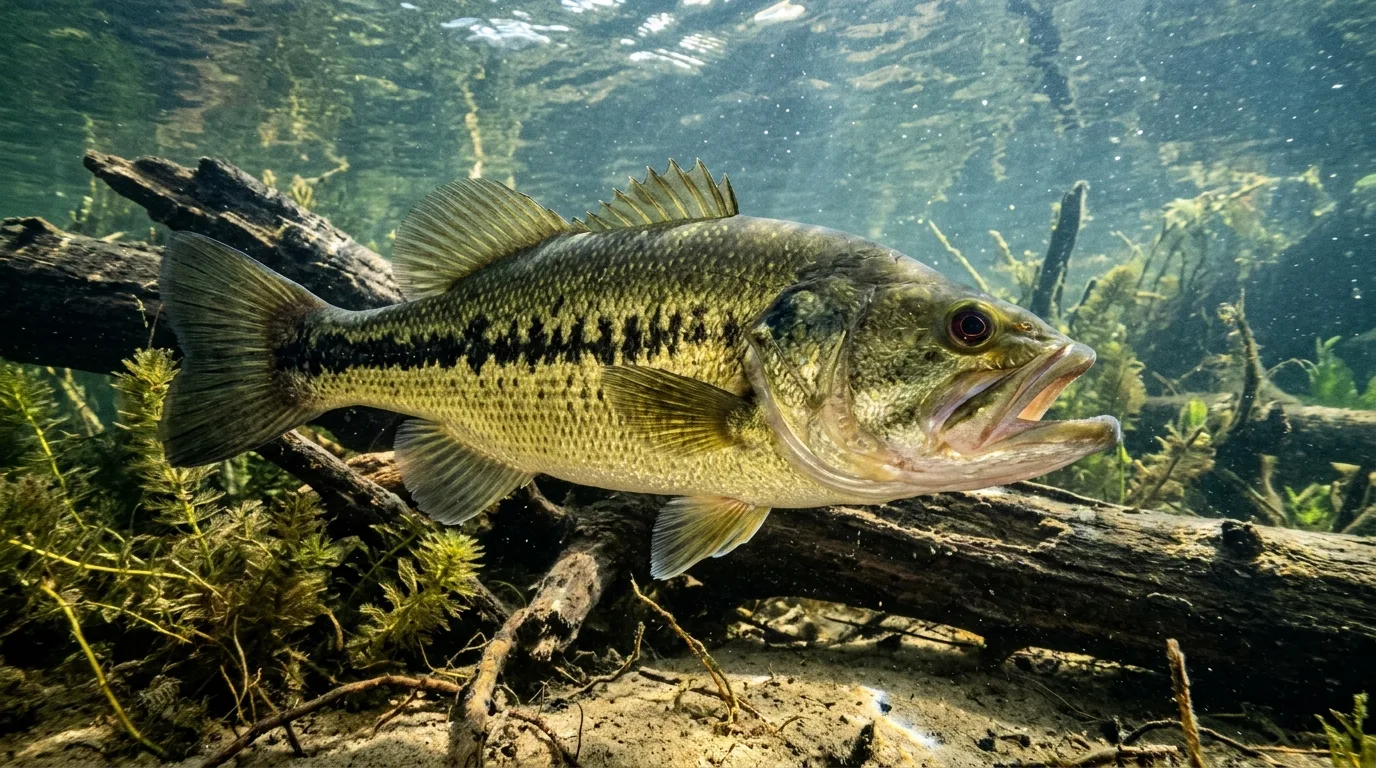
In short: According to the catch calendar, the best time is from February to June and from September to November. Good spots in a lake: weed bed, sunken tree and jetty; in a river: quiet bay, undercut bank and rock riprap. Proven lures: rubber worms, twisters, jigs, plugs, poppers and spinnerbaits, plus big baitfish and crayfish. The upper jaw reaches well behind the eye; in the similar smallmouth bass it ends in front of it. In Europe the species is introduced and non-native.
Quick to recognise
A greenish member of the sunfish family with a dark lateral band on the flank, called largemouth bass in North America. In adult fish its upper jaw reaches back past the eye. Fish of about 40 centimetres are usual.
When
In the south of the USA, February to June and September to November are good months; the calendar shows no clear main season. In a Texas analysis, big fish were caught mostly in March, then in February and April. Spawning starts at about 15 degrees, in Texas from February to May, further north from April to June.
- JanPossible
- FebGood, spawning
- MarGood, spawning
- AprGood, spawning
- MayGood, spawning
- JunGood
- JulPossible
- AugPossible
- SepGood
- OctGood
- NovGood
- DecPossible
Peak seasonGoodPossibleHardly any chanceSpawning season
Season in the destination
In the southern states of the USA you catch well from February to June and again from September to November; in high summer and midwinter it is tougher. On Lake Brazos in Texas the authority names March and April as the best time, when the fish spawn in areas sheltered from the north wind. In cooler water the bass stay active longer in the day and sit shallow; in hot weather they bite mainly early, late in the evening and at night.
Season and biting time
In January: PossibleIn February: Spawning seasonIn March: Spawning seasonIn April: Spawning seasonIn May: Spawning seasonIn June: GoodIn July: PossibleIn August: PossibleIn September: GoodIn October: GoodIn November: GoodIn December: Possible
Where it is now
In the lake
In a lake it waits by cover in the shallow margins: by weed banks, sunken trees, jetties and rocky edges. Clear, weedy bays are better than murky water, because it hunts by sight.
How to go about it: Work weed edges, points, jetties and the channels of streams flowing in, and in reservoirs standing timber too. As the sun climbs, many bass pull back under jetties or to deeper edges, and there you fish slowly with a worm or jig.
| All year round | weed bed, sunken tree, jetty, shelf edge |
|---|
In the river
In a river you look for quiet stretches without strong current. Good places are the edges of weed beds, trees fallen into the water, roots and rock riprap on the bank.
How to go about it: It avoids current: look for quiet backwaters of big rivers and permanent pools in smaller rivers. In impounded stretches of river, fallen trees near the main channel and rock riprap on the bank are worth fishing.
| All year round | quiet bay, undercut bank, rock riprap |
|---|
Biting time: mainly in the morning and in the evening. What that looks like at the water is shown by the picture of the holding spots just below.
Holding spots in the picture
Choose a season and time of day: the picture shows where the species sits then. Tap a fish or a spot in the list to bring it closer. The picture is schematic and AI-generated, every water is different.
Chance of a catch in springgoodSpawning, observe the closed seasons
Catch chances in summerpossible
Catch chance in autumngood
Catch chance in winterpossible
- J
- F
- M
- A
- M
- J
- J
- A
- S
- O
- N
- D
Spawning season
Active time According to data from Missouri it is most active at dawn and dusk. In summer early morning and early evening are best, in spring and autumn the daytime hours too.
Not the main time According to data from Missouri it is most active at dawn and dusk. In summer early morning and early evening are best, in spring and autumn the daytime hours too.
In the lake
Water lilies and weed bed
Largemouth bass is found here all year round.
jetty, sheet piling, harbour
Largemouth bass is found here all year round.
Shelf edge
Largemouth bass is found here all year round.
Sunken tree
Largemouth bass is found here all year round.
In a lake the largemouth bass lurks on its own by cover in the shallow margins: in weed banks, by sunken trees, under jetties and on rocky edges. Warm, weedy waters with clear water suit it best, because it hunts by sight. In spring the male builds its nest on firm bottom in calm shallow water.
Spring: chance of a catch good according to the catch calendar. This is when spawning falls, so observe the closed seasons.
Summer: catch chance according to the catch calendar good in June, possible in July and August.
Autumn: chance of a catch good according to the catch calendar.
Winter: according to the catch calendar, catch chances are possible in December and January, good in February.
In the river
Undercut bank, overhanging branches, timber
Largemouth bass is found here all year round.
riprap, sheet piling, harbour
Largemouth bass is found here all year round.
Calm bay with aquatic plants
Largemouth bass is found here all year round.
In a river you find it in quiet stretches without strong current. It sits there by weed edges, fallen trees, roots and rock riprap on the bank.
Spring: chance of a catch good according to the catch calendar. This is when spawning falls, so observe the closed seasons.
Summer: catch chance according to the catch calendar good in June, possible in July and August.
Autumn: chance of a catch good according to the catch calendar.
Winter: according to the catch calendar, catch chances are possible in December and January, good in February.
Depth: It mostly stays in shallow water close to the bank.
Size comparison: AI-generated drawing, schematic.
How
Mostly you fish with a spinning rod, from the bank or a boat, and the lure lands close to the cover. If you prefer to wait, you put out a big baitfish or a crayfish on a bottom weight or under a float.
Easiest way
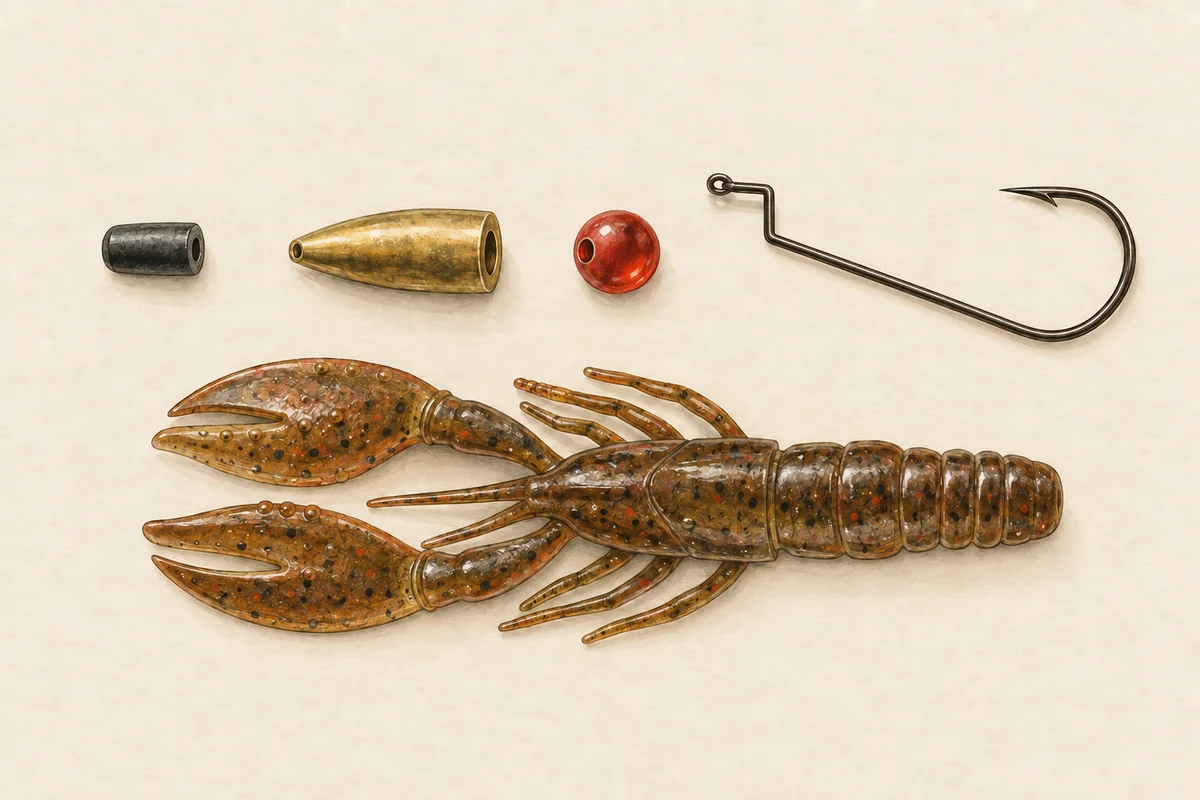
The most reliable artificial lure to start with is a rubber worm on a Texas rig, that is, with a bullet weight and the hook point buried in the worm. A rod of 1,80 to 2,00 metres with line of about 8 to 12 lb is enough. Cast it to weed edges, jetties and points that you can reach from the bank.
Rubber worm on a Texas rig
The basic technique for any kind of cover: the worm crawls through weed and timber with few snags and catches even when the fish sit deeper at midday.
- Aim for cover
Begin at weed edges, points, jetties and the channels of streams flowing in. In bright sun many bass sit under jetties or on the deeper edges of these channels.
- Weedless worm
Thread a bullet weight onto the main line and tie a round-bend worm hook behind it. Thread on the worm and push the point back into the rubber body, and then it glides over plants.
- Cast past the target
Cast a little beyond the spot where you suspect the fish and let the worm sink to the bottom.
- Slowly along the bottom
Wind in at a leisurely pace and now and then lift the rod tip with a short jerk. The worm should keep contact with the bottom.
- Line goes slack
If the line suddenly goes slack, the worm is often already in a bass’s mouth. Wind in the slack line and sweep the rod tip firmly back.
- Always keep tension
The fish jumps and makes runs, and slack line lets the hook fall out. If it is hanging in the weed, pull it out of the plants briskly with the stiffer rod.
- Grip by the lower jaw
Wet your hands and take the played bass by the lower jaw, without bending the jaw downwards.
Spinnerbait, crankbait and popper
For active fish in cooler water and for dusk in summer, when you want to cover a lot of bank in a short time.
- Weed and wood
Look for weed edges, points and trees fallen into the water. In some reservoirs bass hunt in schools, in East Texas for example near the dam.
- Bait to match the light
In dull light early in the morning and in the evening, a surface lure such as a popper or propeller bait goes on the end. If the fish are active during the day, take a spinnerbait or crankbait.
- Cast along the edges
Cast parallel to the weed edge and close to timber. For hunting schools you cast small surface lures or crankbaits right into the middle.
- Over the weed
Work spinnerbait and crankbait over the weed and along its edge. You use surface lures mainly at dusk over shallow spots.
- Strike hard
If you feel a tug or see a swirl at the lure, strike hard with the line tight.
- Pull it out of cover
Right after the strike, get the fish away from branches and weed. Set the drag beforehand so that line comes off only with a firm pull.
- Unhook quickly
Take the fish by the lower jaw, never under the gill cover or by the eyes, and remove the hooks briskly.
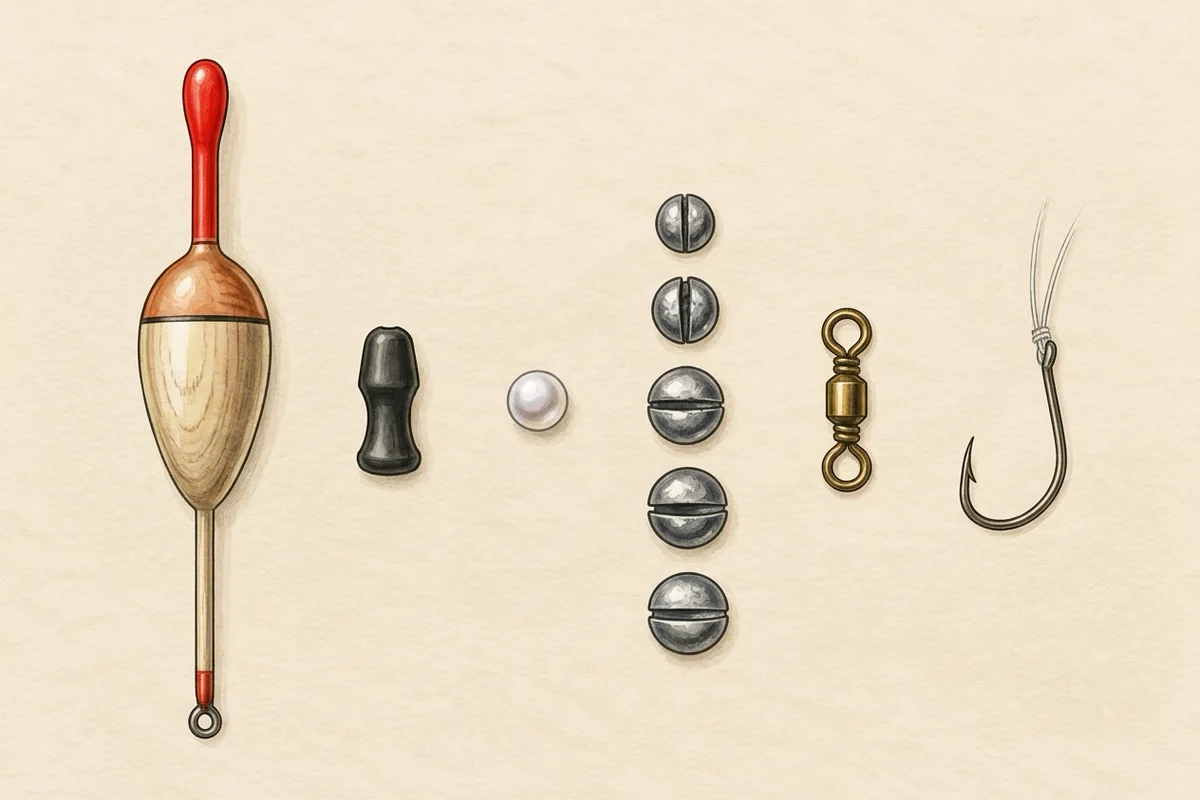
Live baitfish under a float
In Florida the classic with natural bait: a live shiner under a float or drifting freely, aimed at weed banks and underwater structure.
- Weed as the target
Choose areas along plants or over structure under water, where bass lie in wait for prey.
- Large single hook
Rig a float and, below it, a single hook of size 2/0 to 5/0. Alternatively, leave the float off and let the bait swim freely.
- Lip or back
Hook the baitfish through the lips or through the back so that it swims lively. In Florida a golden-coloured shiner, the golden shiner, is the usual bait.
- Lay it down softly
Swing the bait gently to the edge so that it stays on the hook and let it work there.
- Float dives under
If the float goes under or line runs out, take up the slack line and set the hook with a firm pull back.
- Out of the weed
Keep the line tight and lead the fish briskly out of the plants. A short fight spares it if it is to go back into the water.
- Wet and brief
Leave the fish in the water if possible. If you have to take it out, lay it on a wet, smooth surface, not on a hot boat deck.
What with
In a Texas analysis of big fish, soft plastics such as worm and twister clearly led, followed by jigs and spinnerbaits. Crankbait and popper complete the selection; you work the popper with short jerks and pauses, the worm slowly over the bottom. Black, brown, purple and green are recommended as colours.
- Soft wormall year, especially at midday and in dense weed
The fisheries authority of Florida (Fischereibehörde) calls the rubber worm the most reliable artificial lure for largemouth bass; on a Texas or Carolina rig it runs through plants without snagging.
- Spinnerbaitspring and the cooler months, when the fish are active
In Texas the authority recommends it for active fish and over weed beds, in the spawning season in March and April just as in summer by fallen trees.
- Baitfishall year, especially for big fish in Florida
A live shiner under a float or drifting freely is regarded there as the best natural bait.
Tackle
A spinning rod for artificial lures, a bottom rod for baitfish. The pages on spinning rods, bottom rods and line help with the choice.
Rubber worm on a Texas rig
- Rod
- 1,80–2,00 m, for 8–14 lb line, action light-medium to medium heavy; medium heavy in heavily weeded lakes
- Reel
- Fixed-spool, spincast or baitcasting reel
- Line
- 8–12 lb (about 3,6–5,4 kg) in open water; in dense weed and timber 14–20 lb (about 6,4–9,1 kg)
- Hooks
- round-bend worm hook, size 1/0–5/0
- Weight, float, lead
- bullet weight 1/8–1 oz (about 3,5–28 g)
Spinnerbait, crankbait and popper
- Rod
- action medium to medium heavy; in weedy lakes medium heavy, so that you can pull the fish out of the plants
- Line
- 14–20 lb (about 6,4–9,1 kg), above all by weed and timber
Live baitfish under a float
- Rod
- action medium to medium heavy
- Line
- 14–20 lb (about 6,4–9,1 kg), especially in dense weed
- Hooks
- single hook 2/0–5/0
- Weight, float, lead
- Float to suit the live baitfish, or no float and drifting freely
More on tackle
Common mistakes
- Searching shallow at midday in high summer: In the heat, feeding shifts to early morning, late evening and night. During the day you fish with a worm or jig by jetties and on deep edges.
- Tackle too light in dense weed: A soft rod with thin line will not pull the bass out of the plants. Take a medium-heavy rod and line of about 14 to 20 lb, and that also shortens the fight.
- Drag too tight or too loose: Check it before the first cast: line should come off with a firm pull. If it goes too easily, tighten it; if it goes too hard, loosen it.
- Long photo pauses on land: A bass that lies in the air for about ten minutes needs markedly longer to regain its balance than one after three minutes. Hold it out of the water only as long as you can hold your own breath.
- Overstretching the jaw: Take the fish by the lower jaw without bending it downwards, and never under the gill cover or into the eye sockets.
Rules
For largemouth bass, the rules of the country where you fish apply, not German fisheries law. Licence, closed seasons, minimum sizes and keeping fish are set by each country, often by each water separately.
What the profile says: The upper jaw reaches well past the eye; in the similar smallmouth bass it ends before it. In Europe the species is introduced and non-native.
The fisheries authority (Fischereibehörde) of the country you travel to is what counts. Ask about the current rules before the trip and read in the profile how threatened the species is.
After the catch
Playing and landing
Set the hook with a tight line and a firm pull back, and keep constant pressure on the fish during the fight, because it often jumps. Remove the hook quickly, ideally in the water; to lift the fish out, grip the lower jaw with wet hands without overstretching it, and never under the gill cover. Catch and release puts bass under strain in water above about 21 degrees and under heavy strain above 27 degrees, and the same goes for fish from more than 9 metres of depth and from spawning nests; the Florida fisheries authority asks anglers to release large bass after a photo and measuring. The rules, licence and keeping of fish are set by the country where you fish.
At spawning time the male guards the nest and brood in calm, shallow water; anyone who fishes there deliberately disturbs him. How to land a fish gently and release or keep it is shown on the linked fish welfare pages.
Frequently asked questions
Which line for largemouth bass?
In open water, 8 to 12 lb is enough, which is about 3,6 to 5,4 kilograms of breaking strain. In dense weed and around wood, the Florida fisheries authority recommends 14 to 20 lb, about 6,4 to 9,1 kilograms.
Which hook size for largemouth bass?
On a Texas rig you use a worm hook in size 1/0 to 5/0. For a live baitfish Florida gives 2/0 to 5/0, and for small natural baits such as worms size 1 to 6 is enough.
Which weight for a Texas rig for bass?
A bullet weight between 1/8 and 1 ounce, so about 3,5 to 28 grams.
When does largemouth bass bite best?
It is most active at dawn and dusk. In hot summer most bites come early, late in the evening and at night, and in cooler water also during the day.
How do you hold a largemouth bass properly?
With wet hands by the lower jaw, without overstretching it. Never grip under the gill cover or by the eyes, and if necessary lay the fish only on a wet, smooth surface.
How long can a bass stay out of the water?
As briefly as possible; as a rule of thumb, no longer than you can hold your breath. In a study in Canada, fish recovered much faster after about three minutes in the air than after ten minutes.
Similar species
Anyone who catches largemouth bass can also fish for these species with similar tackle:
 Fishing for Murray codSpawning
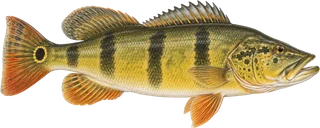 Fishing for peacock bassPeak season
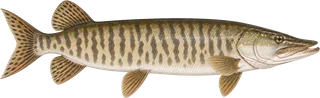 Fishing for muskellungeGood
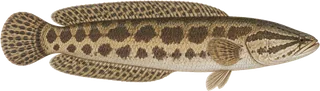 Snakehead fishingPossible
Sources
As of October 2026. The practical knowledge comes from 8 sources, summarised in our own words.
View all 8 sources
- Largemouth Bass (Fishing Bookmark) · Florida Fish and Wildlife Conservation Commission (Florida Youth Conservation Centers Network)
- Fishing Basics: Black Bass · New York Sea Grant, Programm I FISH NY (Stony Brook University)
- Nacogdoches Lake: Tips & Tactics · Texas Parks and Wildlife Department
- Lake Pinkston: Tips & Tactics · Texas Parks and Wildlife Department
- Lake Brazos: Cover/Structure, Tips & Tactics · Texas Parks and Wildlife Department
- Catch and Release Guidelines to Reduce Mortality in Black Basses and Other Fishes · Texas Parks and Wildlife Department
- Largemouth Bass (Field Guide) · Missouri Department of Conservation
- Physiology, behavior, and survival of angled and air-exposed largemouth bass (Thompson et al. 2008) · Queen's University Biological Station; Studie Carleton University, North American Journal of Fisheries Management
Text produced with AI support, based on the sources named and these pages: Largemouth bass (profile), Spinning, Bottom fishing, Soft worm, Crankbait.