
Knowledge – Fish
Fishing for eelpout
Eelpout fishing means fishing with light tackle and small pieces of worm close to the bottom along harbour walls, piers and rock armour. Here is the way there in nine steps, each with a link to the detailed page.
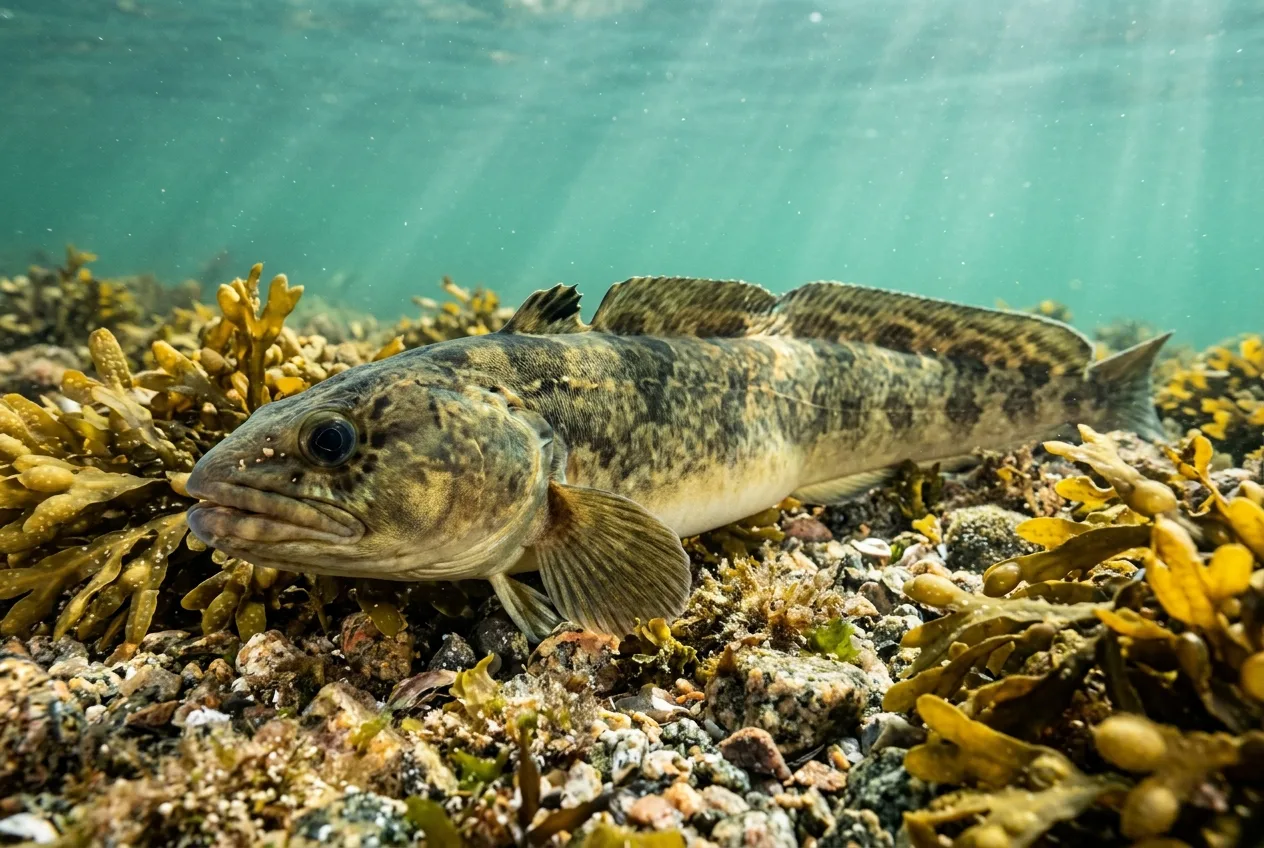
 Choose another fish117 fish with guides
 EelOff-peak season
- EelpoutPossible
 IdePossible
 ArapaimaGood
 GraylingPeak season
 Atlantic salmonSpawning time, please spare
 Brown troutSpawning time, please spare
 Brook troutSpawning time, please spare
 BarbelOff-peak season
 BarramundiSpawning season
 Greater amberjackGood
 Topmouth gudgeonOnly as bycatch
 Blue marlinSpawning season
 BonefishSpawning season
 BonitoGood
 BreamOff-peak season
 Dusky grouperOnly as bycatch
 CobiaPossible
 Spiny dogfishOnly as bycatch
 CodPeak season
 ChubPeak season
 MinnowOnly as bycatch
 European sturgeonOnly as bycatch
 FlounderPeak season
 PerchPeak season
 Largemouth bassGood
 Ballan wrasseOnly as bycatch
 Yellowfin tunaSpawning season
 Giant trevallyGood
 Prussian carpPossible
 BrillPossible
 Gilthead breamSpawning time, please spare
 Golden doradoSpawning season
 Golden mahseerOnly as bycatch
 Dolphinfish (mahi-mahi)Good
 Grass carpPossible
 Great barracudaGood
 GudgeonPossible
 White breamPossible
 DaceOff-peak season
 PikePeak season
 HalibutOff-peak season
 HerringPossible
 GarfishOut of season
 Huchen (Danube salmon)Possible
 Crucian carpOnly as bycatch
 CarpOff-peak season
 RuffeOff-peak season
 VendaceOnly as bycatch
 DabPeak season
 GurnardPossible
 Coley (saithe)Peak season
 Chinook salmonHardly any chance
 King mackerelSpawning season
 LingPeak season
 TuskOff-peak season
 MackerelPossible
 Bighead carpOut of season
 WhitefishPossible
 Conger eelOff-peak season
 Sea troutSpawning time, please spare
 Grey mulletPossible
 Murray codSpawning season
 MuskellungeGood
 Common nasePossible
 Nile perchPossible
 PayaraPossible
 Peacock bassPeak season
 PermitGood
 WeeverOnly as bycatch
 PollackOff-peak season
 BurbotOff-peak season
 AspPossible
 Red snapperSpawning season
 Rainbow troutPeak season
 RoosterfishGood
 RoachPeak season
 RedfishOut of season
 Bluefin tunaOnly as bycatch
 RuddPossible
 Russian sturgeonOnly as bycatch
 HaddockOff-peak season
 SnakeheadPossible
 TenchOff-peak season
 SpirlinOnly as bycatch
 PlaiceOff-peak season
 Greenland halibutOnly as bycatch
 Round gobyOnly as bycatch
 SwordfishGood
 Lake troutSpawning time, please spare
 HakeSpawning time, please spare
 Alpine charSpawning time, please spare
 MonkfishPossible
 SoleOff-peak season
 SailfishGood
 Silver carpOut of season
 SnookPeak season
 PumpkinseedOnly as bycatch
 SpratOnly as bycatch
 Atlantic wolffishSpawning time, please spare
 TurbotPeak season
 SterletOnly as bycatch
 SmeltOnly as bycatch
 Horse mackerelPossible
 TaimenGood
 TarponGood
 TigerfishSpawning season
 BleakPossible
 WahooGood
 Wels catfishOff-peak season
 WhitingPeak season
 Sea bassOff-peak season
 ZanderPeak season
 White-eye breamOnly as bycatch
 Blue breamOnly as bycatch
 Brown bullheadPossible
 VimbaOnly as bycatch
Season in October according to the catch calendar, an estimate and not a guarantee of a catch. The fish pictures are reduced natural-history plates and AI-generated.
Best time
From March to September, mostly in the evening and at night.
In January: PossibleIn February: PossibleIn March: GoodIn April: GoodIn May: GoodIn June: GoodIn July: GoodIn August: Good, spawningIn September: Good, spawningIn October: PossibleIn November: PossibleIn December: Possible
Good spot
- Coast: Seagrass, stony mixed ground and sandy bottomSeagrass, stony mixed ground and sandy bottomSeagrass, stony mixed ground and sandy bottomSeagrass, stony mixed ground and sandy bottom
Starter tackle
- Rod: light rod; from a boat further out, one size heavier
- Line: light mono
- Hook: small hooks for pieces of worm
- Rod: light rod
- Line: light mono
- Hook: small hook for pieces of worm
- Rod: beachcaster, bottom rod or heavy feeder rod 3,90–4,20 m, casting weight 100–150 g
- Line: mono 0,30–0,45 mm or braid 0,12–0,17 mm
In short
In short: The best time to catch eelpout is from March to September, mostly in the evening and at night. Good spots on the coast: seagrass, stony mixed ground and sandy bottom. Proven baits: lugworm and ragworm, also pieces of worm on small hooks, under a sliding float or on a light paternoster. One of the few live-bearing bony fish on our coasts; from October to January the females carry young in the belly. In Schleswig-Holstein the minimum size (Mindestmaß) is 23 cm and the closed season (Schonzeit) runs from 15.9. to 31.1. (as of October 2026).
Quick to recognise
A slender bottom fish of the North Sea and Baltic coasts, one of the few native coastal fish that give birth to live young. Typically around 30 centimetres, a fish of 35 already counts as good; FishBase gives up to 52 centimetres.
When
Eelpout bite all year round; the chances are good from March to September, and from October to February a catch is possible. Schleswig-Holstein, however, protects them from 15 September to 31 January and sets a minimum size (Mindestmaß) of 23 centimetres (as of October 2026). Dusk and overcast days work best; at night the fish often come right into very shallow water. Mating falls in August and September; from October to January the females are pregnant, and in winter the young are born live.
- JanPossible
- FebPossible
- MarGood
- AprGood
- MayGood
- JunGood
- JulGood
- AugGood, spawning
- SepGood, spawning season
- OctPossible
- NovPossible
- DecPossible
Peak seasonGoodPossibleHardly any chanceSpawning season
Spring tactics
On the Baltic the season starts in March. The young have usually been born by then, and the fish stay in harbours and bays in shallow water.
Summer tactics
The eelpout tolerates warmth better than its relatives, but it cannot stand very warm water above 21 to 24 degrees for long. On hot days fish in the evening and at night, when it searches for food outside its hiding places.
Autumn tactics
After mating in late summer many females carry young. Release pregnant females even where no rule requires it. Whether a closed season then applies is regulated by your federal state (Bundesland).
Winter tactics
Eelpout also bite in winter. They then lie over sand and silt more often than in summer, so search the soft bottom in front of piers and jetties too.
Are they biting today?
In January: PossibleIn February: PossibleIn March: Off-peakIn April: Off-peakIn May: Off-peakIn June: Off-peakIn July: Off-peakIn August: Spawning, please spare the fishIn September: Spawning, please spare the fishIn October: PossibleIn November: PossibleIn December: Possible
Today’s catch index needs JavaScript. Season and spawning time are in the catch calendar.
Where it sits now
On the coast
Look for harbours, jetties, groynes, piers and rock armour: there it lurks on the bottom in kelp, seagrass and among stones, especially along overgrown harbour walls. You will also find it over sand or silt with some growth, typically in about four metres of water. In spring and summer it stays shallow, in winter somewhat deeper, but mostly in less than ten metres.
How to go about it: On the Baltic almost every harbour is worth a try, especially the small, quiet harbours of the Danish islands and the long piers in Mecklenburg-Western Pomerania. In Denmark eelpout often end up on the hook while flatfish angling from harbour piers. On the North Sea look for sheltered basins away from the open sea, and in the Wadden Sea also near mussel beds.
| All year round | Seagrass, stony mixed ground, sandy bottom |
|---|
Biting time: mainly in the evening and at night. What that looks like in the water is shown by the picture of the holding spots just below.
Holding spots in the picture
Choose a season and time of day: the picture shows where the species sits then. Tap a fish or a spot in the list to bring it closer. The picture is schematic and AI-generated, every water is different.
Chance of a catch in springgood
Catch chance in summergood
Catch chance in autumnpossible
Catch chance in winterpossible
- J
- F
- M
- A
- M
- J
- J
- A
- S
- O
- N
- D
Spawning season
Not the main time Bites come mainly at dusk and on overcast days. At night the eelpout ventures right into very shallow water.
Not the main time Bites come mainly at dusk and on overcast days. At night the eelpout ventures right into very shallow water.
Active time Bites come mainly at dusk and on overcast days. At night the eelpout ventures right into very shallow water.
Active time Bites come mainly at dusk and on overcast days. At night the eelpout ventures right into very shallow water.
On the coast
Seagrass, gravel and stones in the shallows
Eelpout are found here all year round.
Sandy bottom
Eelpout are found here all year round.
Stony mixed ground
Eelpout are found here all year round.
The eelpout lurks on the bottom among stones, kelp and seagrass, preferably along overgrown harbour walls, piers and rock armour. It also feels at home over sand and silt with light growth, typically in about four metres of water.
Spring: catch chances according to the catch calendar are good.
Summer: chances according to the catch calendar are good. In spring and summer it stays in the shallow water of harbours and bays.
Autumn: according to the catch calendar, the chance of a catch is good in September and possible in October and November.
Winter: chances according to the catch calendar are possible. In winter it moves somewhat deeper but mostly stays in less than ten metres.
Depth: Eelpout live from the tidal zone down to about 40 metres, mostly between 2 and 20 metres.
Size comparison: AI-generated drawing, schematic.
How
You fish for them on purpose from a pier, jetty or rock armour. In a calm harbour basin you set a sliding float so that the worm lies on the bottom or hangs just above it; otherwise you use a light paternoster as for flounder. Many eelpout also bite on the side during night surf fishing.
Easiest way
The easiest way is in a calm Baltic harbour with three to four metres of water. A light paternoster with a 20 to 30 g running lead and a piece of lugworm or ragworm on a small hook are enough. Put the bait next to an overgrown harbour wall and start as dusk falls.
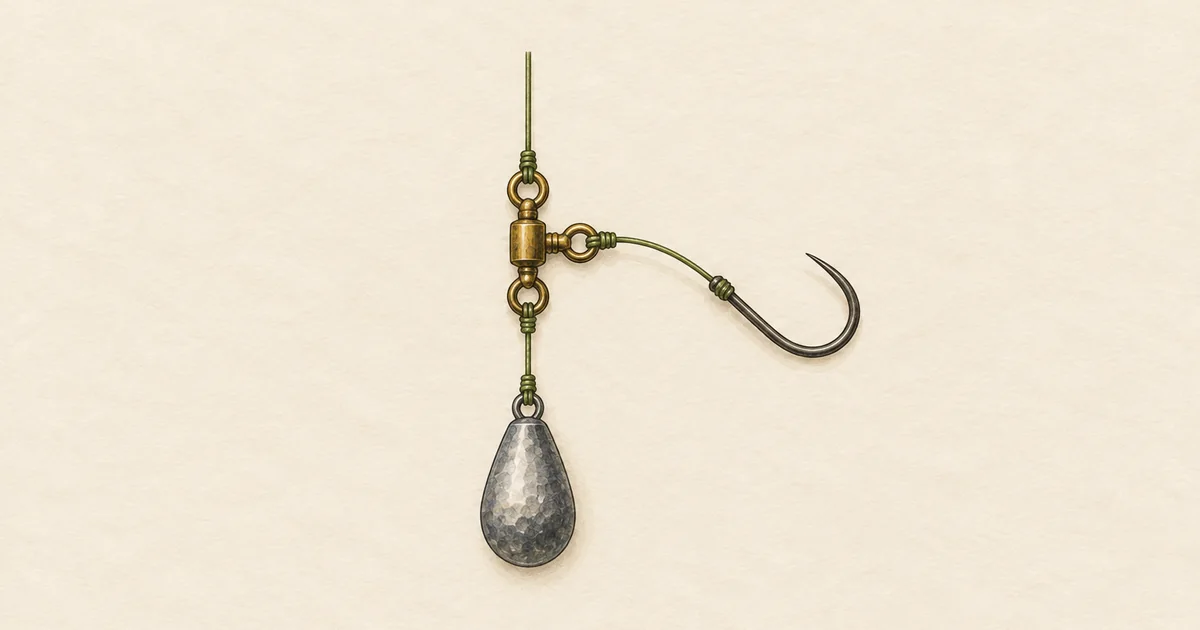
Light paternoster in the harbour
The targeted method for harbours, jetties and rock armour when you want to see the timid bites directly in the rod tip.
- Look for weed
Find a spot with stones, kelp, seagrass or mussel beds nearby. The eelpout hardly leaves such hiding places, and on bare sand without cover you usually wait in vain.
- One or two side arms
Build a simple paternoster as for flounder. Whether you use one or two side arms makes no difference; what matters is a running lead just heavy enough to hold the bottom.
- Just a piece of worm
Put a piece of lugworm or ragworm on a small hook. A whole worm is unnecessary; the eelpout eats it only in small portions anyway.
- Right up to the wall
Put the rig close to the harbour wall, rock armour or jetty. In such places the eelpout finds worms, amphipods and small molluscs.
- Tip tremor
The bites are cautious, a fine tremble at the tip or a slight twitch of the line between your fingers. So keep the line taut and the rod in your hand.
- Lift straight up
Most eelpout weigh less than a pound, and you can lift them over the edge on a taut line. Then take hold of the slimy fish with a wet hand so that it does not slip away.
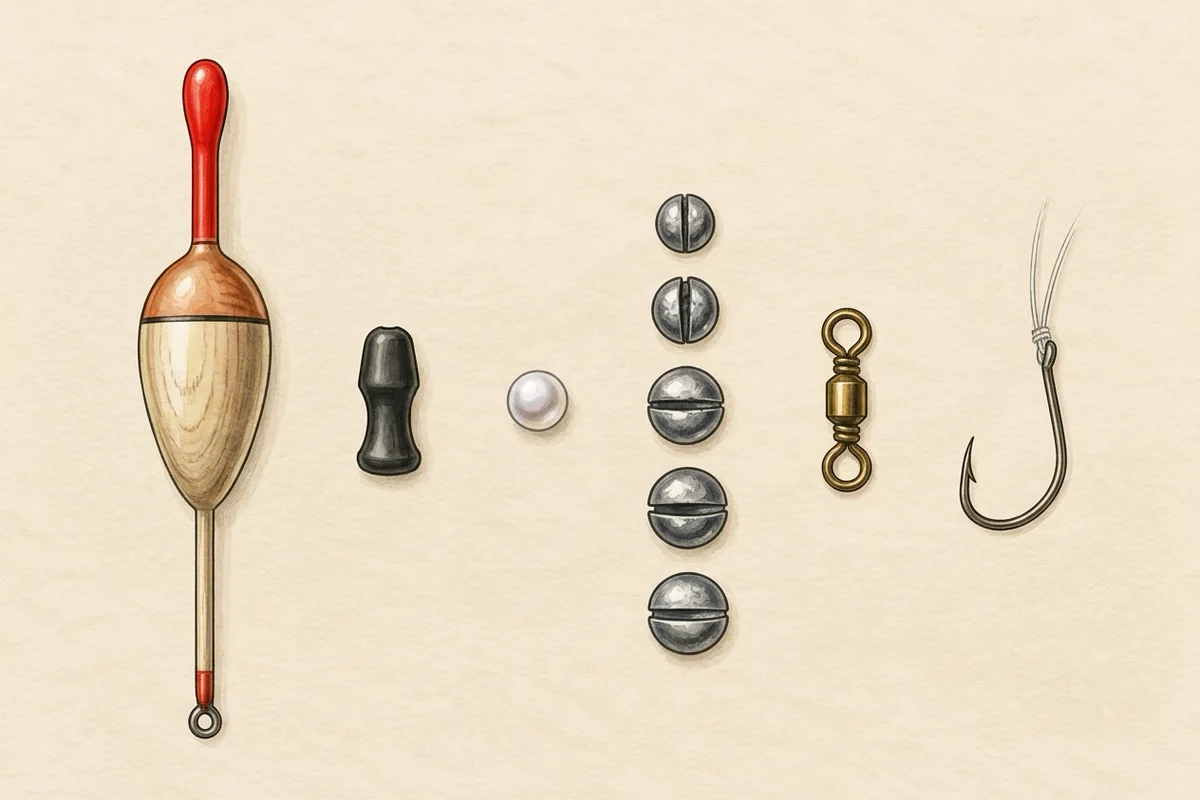
Sliding float in the harbour basin
For still water in harbour basins and sheltered bays, where the float shows the cautious bites cleanly.
- Calm basin
Choose a harbour basin sheltered from the wind or a quiet bay. In waves or current the delicate bites on the float get lost, and then the paternoster is the better choice.
- Set the depth
Plumb the depth of the water and move the stop so that the worm lies on the bottom or hangs just above it.
- Small piece of worm
A short piece of ragworm or lugworm on a small hook is enough. Too much bait only invites the eelpout to nibble.
- Next to cover
Put the float right in front of overgrown walls or stones, because that is where the fish lurks. Bites come most often in the evening and on overcast days.
- A short nibble
The float trembles or dips only briefly because the fish takes the bait in small bites. Do not wait for a long dive; with this species it rarely happens.
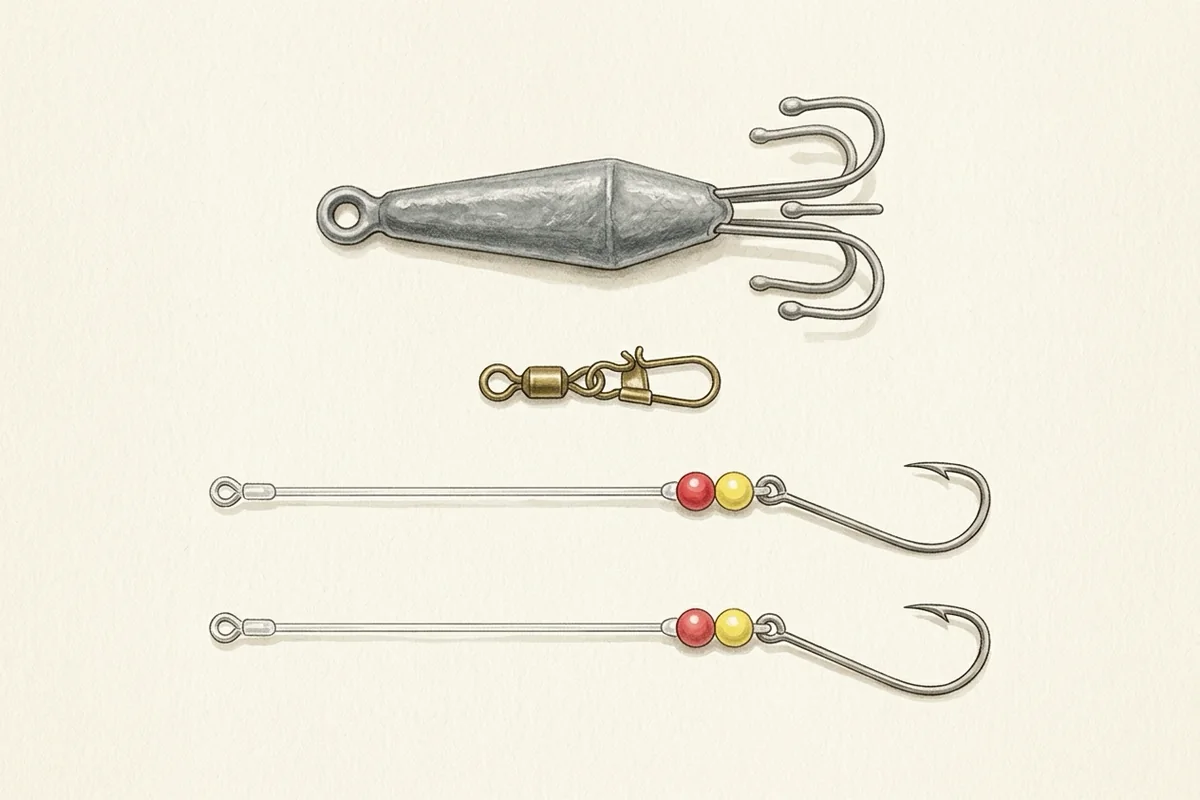
Bycatch in the surf
At night from the beach, pier or jetty, usually while fishing for cod or flatfish, when the eelpout moves into shallow water.
- Weed and kelp
Fish where kelp or weed stands in shallow water. On Fehmarn surf anglers hook eelpout on the side while actually fishing for cod.
- Surf hooklength
A paternoster or a surf rig with a bottom weight is enough, just as you rig it for flounder and plaice. Small hooks improve the chance of an eelpout.
- Worm as for flatfish
Lugworm and ragworm work best here too. For eelpout, pieces of worm are enough; keep a whole worm for cod and flatfish.
- Cast short too
At night eelpout come right into the shallows. So put one rod close to the bank instead of only casting for distance.
- Fine bites
With a heavy weight you will barely see the timid bites. Watch for a slight tremor in the rod tip, and check the bait more often if it comes back nibbled.
What with
Lugworm and ragworm work best; small hooks with pieces of worm are enough. Because the eelpout nibbles the bait in small bites, you strike straight away as soon as the rod tip vibrates or the line twitches slightly. Once you have had one, re-bait quickly and stay put, as there are usually more nearby.
- Lugwormall year round, at the breakwater and on the beach
Worms are part of its natural diet, and a short piece on a small hook suits its timid feeding.
- Ragwormalong harbour walls, under a sliding float and on the paternoster
Together with lugworm it is regarded as the most effective bait, and a short piece is enough under a float too.
- Spoononly occasionally, mostly when spinning for other species
The Baltic issue of an angling magazine mentions isolated bites on spoons, but for targeted fishing worm remains the better choice.
Tackle
Light tackle is enough; for the paternoster rig an angling magazine gives 20 to 30 grams of running lead. If you cast far out from the beach, the page on the surf rod shows what matters.
Light paternoster in the harbour
- Rod
- light rod; from a boat further out, one size stronger
- Line
- light monofilament
- Leader
- Paternoster rig with one or two side arms
- Hooks
- small hooks for pieces of worm
- Weight, float, lead
- Running lead 20–30 g
Sliding float in the harbour basin
- Rod
- light rod
- Line
- light monofilament
- Leader
- Sliding float rig with a stopper
- Hooks
- small hook for pieces of worm
Bycatch in the surf
- Rod
- Surf, bottom or heavy feeder rod 3,90–4,20 m, casting weight 100–150 g
- Reel
- medium-sized fixed-spool reel
- Line
- Monofilament 0,30–0,45 mm or braid 0,12–0,17 mm
- Leader
- Paternoster or surf rig hooklength
- Weight, float, lead
- Bottom weight; often around 180 g when night fishing for cod
Common mistakes
- Fishing in bright sun: On bright days eelpout bite poorly. Plan your session for dusk or an overcast day.
- Whole worm on a big hook: The eelpout only plucks at the ends. Use a short piece of worm on a small hook and it will hook up sooner.
- Float in a swell: In choppy water the cautious bites get lost in the up and down. Fish with a float only in a calm harbour basin, otherwise use the paternoster.
- Tackle too heavy in the harbour: With a surf rod and a heavy weight you will hardly feel the fine bites. In a calm harbour with three metres of depth, very light tackle is enough.
- Bait on bare sand: The eelpout stays close to stones, kelp and eelgrass. Put the bait next to cover rather than in the middle of open sand.
Rules
Each federal state (Bundesland) sets its own closed season (Schonzeit) and minimum size (Mindestmaß). Choose your state; the values come from our state pages.
Baden-Württemberg
Our overview for Baden-Württemberg does not list the eelpout. What applies there is covered on the page Fishing in Baden-Württemberg, with the spots in that state.
Bavaria
Our overview for Bavaria does not list the eelpout. What applies there is covered on the page Fishing in Bavaria, with the spots in that state.
Berlin
Our overview for Berlin does not list the eelpout. What applies there is covered on the page Fishing in Berlin, with the spots in that state.
Brandenburg
Our overview for Brandenburg does not list the eelpout. What applies there is covered on the page Fishing in Brandenburg, with the spots in that state.
Bremen
Our overview for Bremen does not list the eelpout. What applies there is covered on the page Fishing in Bremen, with the spots in that state.
Hamburg
Our overview for Hamburg does not list the eelpout. What applies there is covered on the page Fishing in Hamburg, with the spots in that state.
Hesse
Our overview for Hesse does not list the eelpout. What applies there is covered on the page Fishing in Hesse, with the spots in that state.
Mecklenburg-Western Pomerania
Our overview for Mecklenburg-Western Pomerania does not list the eelpout. What applies there is covered on the page Fishing in Mecklenburg-Western Pomerania, with the spots in that state.
Lower Saxony
Our overview for Lower Saxony does not list the eelpout. What applies there is covered on the page Fishing in Lower Saxony, with the spots in that state.
North Rhine-Westphalia
Our overview for North Rhine-Westphalia does not list the eelpout. What applies there is covered on the page Fishing in North Rhine-Westphalia, with the spots in that state.
Rhineland-Palatinate
Our overview for Rhineland-Palatinate does not list the eelpout. What applies there is covered on the page Fishing in Rhineland-Palatinate, with the spots in that state.
Saarland
Our overview for Saarland does not list the eelpout. What applies there is covered on the page Fishing in Saarland, with the spots in that state.
Saxony
Our overview for Saxony does not list the eelpout. What applies there is covered on the page Fishing in Saxony, with the spots in that state.
Saxony-Anhalt
Our overview for Saxony-Anhalt does not list the eelpout. What applies there is covered on the page Fishing in Saxony-Anhalt, with the spots in that state.
Schleswig-Holstein
- Minimum size
- 23 cm
- Closed season
- 15.9.–31.1.
- Note
- coastal waters only, North Sea and Baltic Sea
As of October 2026. All rules, exceptions and sources: Fishing in Schleswig-Holstein.
Thuringia
Our overview for Thuringia does not list the eelpout. What applies there is covered on the page Fishing in Thuringia, with the spots in that state.
The regulation and your fishing permit (Erlaubnisschein) are what count. Lake Constance, the Rhine and the coast, for example, have their own rules: Fishing waters in Germany.
After the catch
Playing and landing
Strike at the first fine tremor and lift the fish off the bottom with a steady pull. The fight is short; most eelpout weigh less than a pound. If the fish is of legal size and you may keep it, stun and kill it straight away; pregnant females, undersized fish and protected fish you unhook with wet hands and return to the water.
In Schleswig-Holstein you return every eelpout from 15 September to 31 January, as the closed season (Schonzeit) applies there. Elsewhere an angling magazine advises returning the females from October to January because they are carrying young. A fish of legal size that you may take, you stun and kill straight away; protected or undersized fish you unhook with wet hands in the water and return. Green bones after cooking are due to stored vivianite; the same magazine nevertheless counts the eelpout among the very good food fish.
Frequently asked questions
When do eelpout bite best?
At dusk and on overcast days. It is active during the day too, but it looks for food mainly at night, then also in very shallow water.
Which bait for eelpout?
Lugworm and ragworm, each as a short piece on a small hook. It rarely bites on spoons.
Where do you catch eelpout?
In harbours, at landing stages, piers, breakwaters and rock armour. Good spots often have around four metres of water and sand or silt with some growth.
Which weight for eelpout fishing?
In a harbour a running lead of 20 to 30 g is usually enough on the paternoster. From the beach with surf tackle much heavier weights are usual, but then the bites are easier to miss.
Do eelpout bite in winter too?
Yes, they bite in every season. In winter, however, many females are carrying their young; you return those.
Similar species
If you catch eelpout, you can fish for these species with similar tackle too:
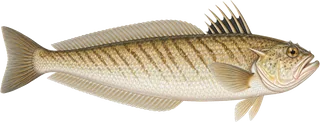 Weever fishingOnly as bycatch
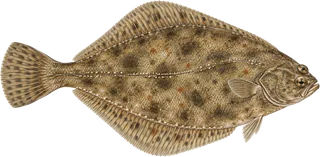 Flounder fishingMain season
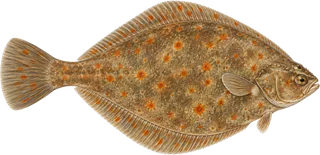 Plaice fishingOff-peak
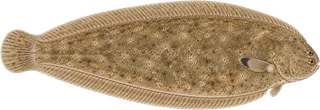 Fishing for soleShoulder season
Sources
As of October 2026. The practical knowledge comes from 3 sources, summarised in our own words.
View all 3 sources
- Steckbrief Aalmutter · BLINKER (Redaktion)
- Die Fische der Ostsee und wie man sie beangelt (Beilage zum Blinker 04/2007) · BLINKER (Redaktion)
- Atlas over danske saltvandsfisk: Ålekvabbe · Statens Naturhistoriske Museum, Universität Kopenhagen (Henrik Carl, Peter Rask Møller)
Text AI-assisted, based on the sources listed and these pages: Eelpout (profile), Surf fishing, Lugworm, Ragworm.