
Knowledge – Fish
Mackerel fishing
Fishing for mackerel means finding the shoals in open water in summer and offering the bait at their depth, from a charter boat or from breakwaters with deep water. Here is the way there in nine steps, each with a link to the detailed page.
 Choose another fish117 fish with guides
 EelOff-peak season
 EelpoutPossible
 IdePossible
 ArapaimaGood
 GraylingPeak season
 Atlantic salmonSpawning time, please spare
 Brown troutSpawning time, please spare
 Brook troutSpawning time, please spare
 BarbelOff-peak season
 BarramundiSpawning season
 Greater amberjackGood
 Topmouth gudgeonOnly as bycatch
 Blue marlinSpawning season
 BonefishSpawning season
 BonitoGood
 BreamOff-peak season
 Dusky grouperOnly as bycatch
 CobiaPossible
 Spiny dogfishOnly as bycatch
 CodPeak season
 ChubPeak season
 MinnowOnly as bycatch
 European sturgeonOnly as bycatch
 FlounderPeak season
 PerchPeak season
 Largemouth bassGood
 Ballan wrasseOnly as bycatch
 Yellowfin tunaSpawning season
 Giant trevallyGood
 Prussian carpPossible
 BrillPossible
 Gilthead breamSpawning time, please spare
 Golden doradoSpawning season
 Golden mahseerOnly as bycatch
 Dolphinfish (mahi-mahi)Good
 Grass carpPossible
 Great barracudaGood
 GudgeonPossible
 White breamPossible
 DaceOff-peak season
 PikePeak season
 HalibutOff-peak season
 HerringPossible
 GarfishOut of season
 Huchen (Danube salmon)Possible
 Crucian carpOnly as bycatch
 CarpOff-peak season
 RuffeOff-peak season
 VendaceOnly as bycatch
 DabPeak season
 GurnardPossible
 Coley (saithe)Peak season
 Chinook salmonHardly any chance
 King mackerelSpawning season
 LingPeak season
 TuskOff-peak season
- MackerelPossible
 Bighead carpOut of season
 WhitefishPossible
 Conger eelOff-peak season
 Sea troutSpawning time, please spare
 Grey mulletPossible
 Murray codSpawning season
 MuskellungeGood
 Common nasePossible
 Nile perchPossible
 PayaraPossible
 Peacock bassPeak season
 PermitGood
 WeeverOnly as bycatch
 PollackOff-peak season
 BurbotOff-peak season
 AspPossible
 Red snapperSpawning season
 Rainbow troutPeak season
 RoosterfishGood
 RoachPeak season
 RedfishOut of season
 Bluefin tunaOnly as bycatch
 RuddPossible
 Russian sturgeonOnly as bycatch
 HaddockOff-peak season
 SnakeheadPossible
 TenchOff-peak season
 SpirlinOnly as bycatch
 PlaiceOff-peak season
 Greenland halibutOnly as bycatch
 Round gobyOnly as bycatch
 SwordfishGood
 Lake troutSpawning time, please spare
 HakeSpawning time, please spare
 Alpine charSpawning time, please spare
 MonkfishPossible
 SoleOff-peak season
 SailfishGood
 Silver carpOut of season
 SnookPeak season
 PumpkinseedOnly as bycatch
 SpratOnly as bycatch
 Atlantic wolffishSpawning time, please spare
 TurbotPeak season
 SterletOnly as bycatch
 SmeltOnly as bycatch
 Horse mackerelPossible
 TaimenGood
 TarponGood
 TigerfishSpawning season
 BleakPossible
 WahooGood
 Wels catfishOff-peak season
 WhitingPeak season
 Sea bassOff-peak season
 ZanderPeak season
 White-eye breamOnly as bycatch
 Blue breamOnly as bycatch
 Brown bullheadPossible
 VimbaOnly as bycatch
Season in October according to the catch calendar, an estimate and not a guarantee of a catch. The fish pictures are reduced natural-history plates and AI-generated.
Best time
In August, mainly during the day.
In January: Slim chancesIn February: Slim chancesIn March: Slim chancesIn April: Slim chancesIn May: Possible, spawning seasonIn June: Good, spawning seasonIn July: Good, spawning seasonIn August: Peak seasonIn September: GoodIn October: PossibleIn November: Slim chancesIn December: Slim chances
Good spot
- Coast: open water just below the surfaceopen water just below the surfaceopen water just below the surfacehardly ever found
Top baits
Starter tackle
- Rod: boat rod 2,40–3,00 m, strong, casting weight 150–300 g
- Line: monofilament 0,40–0,50 mm, not braid
- Hook: size 4–6, with feathers, glitter fibres or small soft plastic squid
- Rod: light spinning rod up to 40 g casting weight for the spoon alone; for long casts with a paternoster 60–80 g
- Line: braid of around 0,10 mm for long casting distances
- Hook: the small hooks of the herring paternoster or the single hook on the spoon
In short
In short: The best time to catch mackerel is August, mostly during the day. Good spots on the coast: open water just below the surface. Proven baits: mackerel paternoster with a pirk, or small spoons.
Quick to recognise
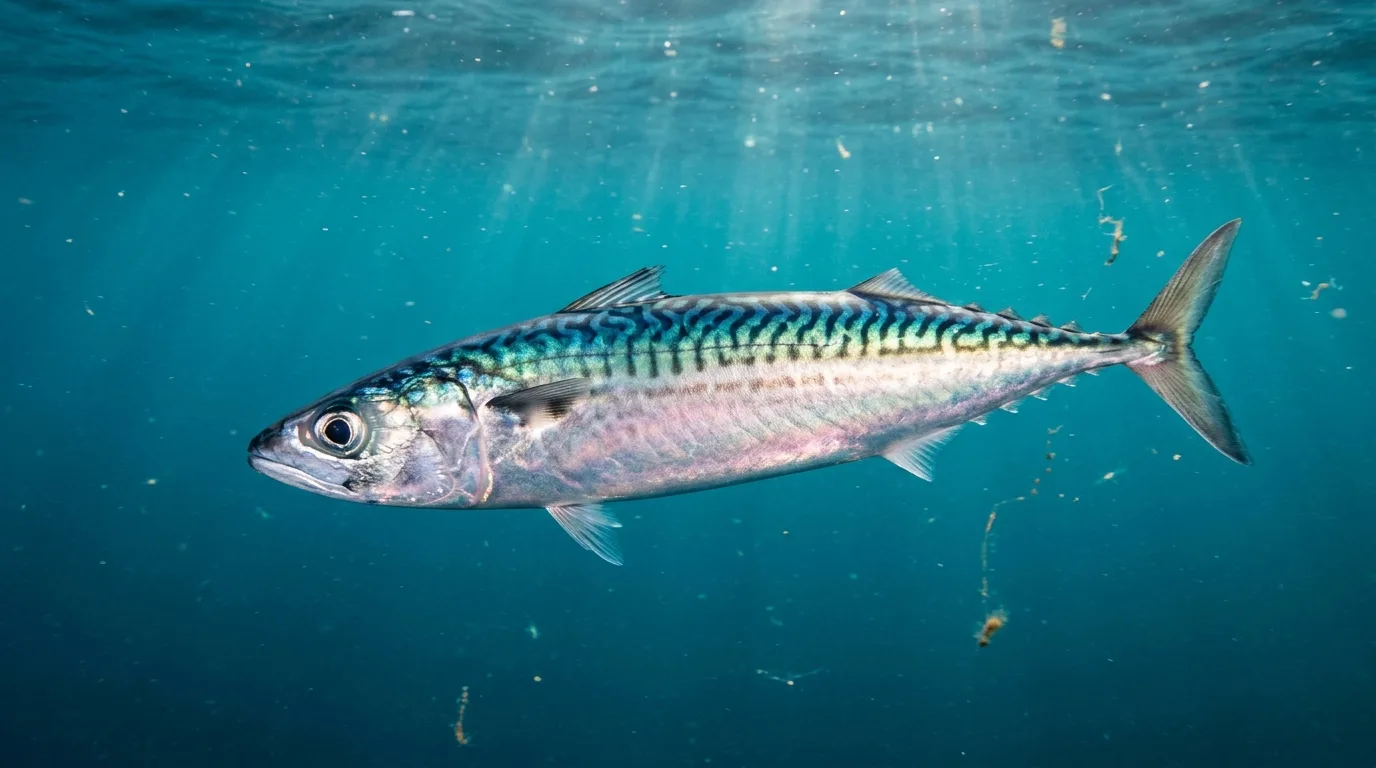
A fast shoaling fish with a green-blue, cross-banded back and pearly flanks, which has no swim bladder. It usually measures around 30 centimetres, 60 at most.
When
The main season is July and August, June and September are good, and in May and October a catch is possible. Spawning in the North Sea and Skagerrak falls between May and July. As soon as the water cools in September, the shoals return to the edge of the shelf.
- JanHardly any chance
- FebHardly any chance
- MarHardly any chance
- AprHardly any chance
- MayPossible, spawning season
- JunGood, spawning
- JulGood, spawning
- AugPeak season
- SepGood
- OctPossible
- NovHardly any chance
- DecHardly any chance
Peak seasonGoodPossibleHardly any chanceSpawning season
Spring tactics
The first mackerel show up on the coast in late spring; it usually gets reliable only from June. After spawning the fish are hungry and take baits greedily.
Summer tactics
From June to August is the best time on the North Sea, often with very many fish per trip. Sunny high-pressure weather is considered favourable. A storm can scatter the shoals for a few days.
Autumn tactics
In early autumn you still catch well, often bigger fish too. As the water cools during September, catches fall off quickly.
Winter tactics
Fishing for them on purpose is not worthwhile now. The shoals stay far off the coast in the depths and hardly feed.
Are they biting today?
In January: Out of seasonIn February: Out of seasonIn March: Out of seasonIn April: Out of seasonIn May: Spawning season, please spare the fishIn June: Spawning season, please spare the fishIn July: Spawning season, please spare the fishIn August: Peak seasonIn September: Off-peakIn October: PossibleIn November: Out of seasonIn December: Out of season
Today’s catch index needs JavaScript. Season and spawning time are in the catch calendar.
Where it sits now
On the coast
Mackerel hunt in open water, mostly near the surface, and come to the shore only where deep water reaches close in, for instance at breakwaters, piers and landing stages. With an offshore wind they often stand closer to land, with an onshore wind further out. They avoid shallow water, which is why on the North Sea you mostly fish from a charter boat; in the western Baltic they show up mainly in July and August, for instance in the Little Belt, around Fehmarn and in Flensburger Förde and Kieler Förde.
How to go about it: On the North Sea you almost always fish from a charter boat because the fish need deep water. From land only breakwaters and rocky shores with deep water right in front are worth it, there in the daytime also with a float and a narrow strip of fish. Strong wind clouds the water, and then the fish bite worse.
| Spring | open water, just below the surface |
|---|---|
| Summer | open water, just below the surface |
| Autumn | open water, just below the surface |
| Winter | rarely found |
Biting time: mainly during the day. How this looks in the water is shown by the picture of the holding spots just below.
Waters with rules for mackerel
Holding spots in the picture
Choose the season and time of day: the picture shows where the species stands then. Spots outlined in red apply only in the chosen season. Tap a fish or a spot in the list to bring it closer. The picture is schematic and AI-generated, every water is different.
Chance of a catch in springslim
Chance of a catch in summergoodSpawning, observe the closed seasons
Catch chance in autumnpossible
Catch chance in winterhardly any
- J
- F
- M
- A
- M
- J
- J
- A
- S
- O
- N
- D
Spawning season
No main time Mackerel are mostly active during the day.
Active time Mackerel are mostly active during the day.
No main time Mackerel are mostly active during the day.
No main time Mackerel are mostly active during the day.
On the coast
Open water, mid-water
Mackerel are found here only in spring, summer and autumn.
Just below the surface
Mackerel are found here only in spring, summer and autumn.
Mackerel live as shoaling fish in open water and usually stay near the surface. From the shore they are found only where deep water reaches close in: off breakwaters, piers and landing stages. With an offshore wind they are often closer to the shore, with an onshore wind further out.
Spring: according to the catch calendar, chances are slim in March and April and possible in May. In spring, at water temperatures of 11 to 14 °C, the shoals approach the coast.
Summer: according to the catch calendar, chances are good in June and July, and August is the peak season. Spawning falls in this period, so observe closed seasons. After spawning the mackerel feed very actively and roam in small groups. The season runs from May to September.
Autumn: according to the catch calendar, chances are good in September, possible in October and slim in November. When the water cools in September, the shoals move back to the edge of the shelf.
Winter: chances according to the catch calendar are slim. Mackerel spend the winter in deeper water far from the coast. In this resting period they do not feed.
Depth: Mackerel stay near the surface but want about ten metres of water below them. Flat beaches are therefore ruled out.
Size comparison: AI-generated drawing, schematic.
How
From a charter boat you let a mackerel paternoster down to the bottom and wind it up in jerks until you hit the shoal. Spinning with light tackle is more sporting, for example at fjords in Norway or from breakwaters where the water is deep. A flock of hunting gulls often gives away small fish at the surface that mackerel are harrying.
Easiest way
The easiest way to catch mackerel is on a charter-boat trip on the North Sea in summer. You need a short, strong boat rod, thick monofilament line and a mackerel paternoster with a weight of 100 to 200 g. The skipper usually looks for the shoal.
Feather paternoster from a charter boat
The standard method on the North Sea from June into September, with which you can catch several fish at once.
- Find the shoal
Mackerel never stay long in one place. Watch for gulls circling above hunting fish and for areas with a strong current where small fry gather.
- Trim the feathers
If the feathers stick out far beyond the bend of the hook, you get many missed bites. Trim them back with scissors. A large bead in front of the swivel protects the tip ring.
- Lower to the bottom
Let the rig sink vertically and let the line slip loosely through your fingers. That way you feel a fish grab on the way down.
- Jerking upwards
Wind the rig up from the bottom slowly, in small jerks. Mackerel stand at every depth, so remember the height at which the first bite came.
- Hold the rig
After the first bite hold the rig at that height for a moment and only twitch it gently. Often two or three more fish hook on to the free hooks.
- Steady pull
Bring the fish up with a gentle but even pull. The stretch of the monofilament absorbs their fast runs so they do not shake off the hook.
- Unhook in pairs
Lift the fish quickly over the rail before they tangle in your neighbours‘ lines. It is easiest with two: one keeps the leader taut, the other unhooks the fish.
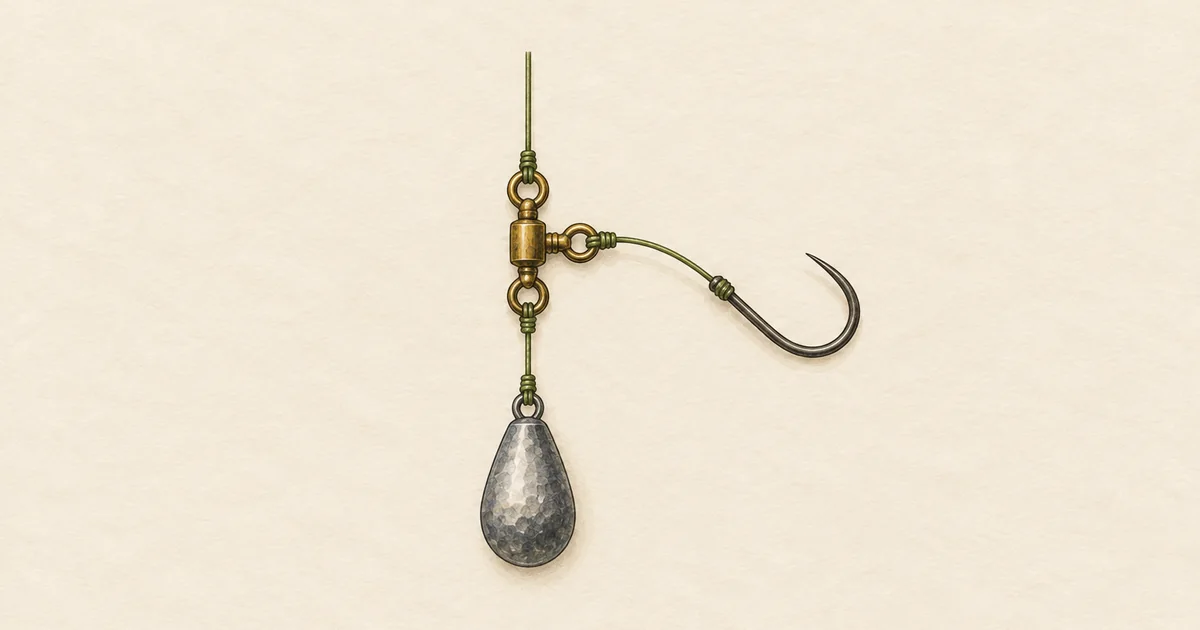
Spoon and paternoster from the breakwater
For breakwaters, quays and rocky shores where deep water reaches right up to the stones, in high summer and early autumn.
- Choose a deep breakwater
From land it works only where salt water at least about 10 m deep reaches close in, for example at long breakwaters or rocky coasts. Mackerel like clear water, and several days with a light wind are ideal.
- Light or far
With light tackle you take a slim coastal spoon of around 20 g. If the fish stand far out, you hang a slim herring paternoster above a spoon of about 50 g, which serves as the casting weight.
- Far out
At times the shoals stand more than 80 m off the breakwater. A herring paternoster flies noticeably further than a coarse mackerel paternoster.
- Search the depth
In the morning and evening the fish often stand so shallow that they bite right after the splash. If that does not happen, let the bait sink longer before retrieving and try different layers.
- Hard strike
Mackerel attack the bait at full speed, and the bite comes as a clear tug. Keep winding steadily.
- Plan for power
On light tackle even a 40 cm mackerel fights doggedly. Let the drag work and keep the line taut.
- Landing net at the quay
From high quay walls and jetties you land fish most safely with a landing net that you keep to hand. Rubber gloves help when unhooking the thrashing fish.
What with
The paternoster carries several feathered hooks on short arms, with the weight hanging at the bottom. For spinning you take slim spoons and small artificial lures, and with a fly rod and sinking line streamers too.
- Sea paternosterfrom a charter boat all summer, from a breakwater for long casts
Several small, glittering hooks in different colours quickly show which colour and which depth is catching right now.
- Spoonspinning from breakwaters and rocky shores, morning and evening
A slim spoon casts far and imitates the small fish that mackerel hunt in summer.
- Cut baitwith a float from breakwaters and jetties, during the day
Mackerel also take strips from their own kind, which helps when they are reluctant to take artificial lures.
Tackle
Light tackle is enough for spinning, and the page on the spinning rod helps with length, casting weight and action. If you fish with a fly, you need a sinking line.
Feather paternoster from a charter boat
- Rod
- Boat rod 2,40–3,00 m, strong, casting weight 150–300 g
- Reel
- large, robust fixed-spool reel with a high gear ratio, holding at least 100 m of 0,45 line
- Line
- Monofilament 0,40–0,50 mm, not braid
- Leader
- Mackerel paternoster of about 0,50 mm monofilament, around 2 m long, usually with up to five side arms
- Hooks
- Size 4–6, with feathers, glitter fibres or small soft plastic squid
- Weight, float, lead
- Pear or bottom weight 100–200 g
Spoon and paternoster from the breakwater
- Rod
- light spinning rod up to 40 g casting weight for the spoon alone; for long casts with a paternoster 60–80 g
- Reel
- Fixed-spool reel size 3000
- Line
- Braid of around 0,10 mm for long casting distances
- Leader
- slim herring paternoster of monofilament
- Hooks
- the small hooks of the herring paternoster or the single hook on the spoon
- Weight, float, lead
- Coastal spoon of around 20 g, as casting weight below the paternoster about 50 g
Common mistakes
- Feathers too long on the paternoster: Brand-new feathers often hang far beyond the hooks and cause missed bites. Shorten them before the first drop.
- Long, soft rod on the charter boat: With a soft rod you can hardly control full paternosters, and they tangle in the neighbours‘ lines. Take a rod up to about 2,40 m with a strong backbone.
- Braid as main line on the charter boat: Without stretch many mackerel shake off while you wind up. Thick monofilament cushions the runs and is easier to untangle.
- Herring rig when fishing from a charter boat: Thin herring paternosters can break when all the hooks are occupied. For charter-boat fishing the hooklength should be tied from about 0,50 mm monofilament.
- Always fishing at the same depth: The hunting depth changes from day to day. Start at the bottom, work upwards and see at what height your neighbours are catching.
Rules
In our overview of countries there are no figures for the minimum size (Mindestmaß) or closed season (Schonzeit) for mackerel. That does not mean there are no rules: individual countries and water regulations protect the species or set their own limits.
On the coast the rules of the coastal states apply, partly with their own catch restrictions: North Sea coast, Baltic coast of Schleswig-Holstein and Baltic coast of Mecklenburg-Western Pomerania.
The regulation and your fishing permit (Erlaubnisschein) are what count. Lake Constance, the Rhine and the coast, for example, have their own rules: Fishing waters in Germany.
After the catch
Playing and landing
You hardly need a hard strike; the mackerel usually hooks itself when it grabs quickly. Bring it in evenly and without pumping so that the hook does not tear out of the mouth, and use a landing net at high quay walls. A mackerel that you may keep you stun and kill at once and put straight on ice.
The flesh contains about 12 per cent fat, so deal with the catch at once and keep it cool. A mackerel of legal size that you may take you stun and kill at once. Protected or undersized fish you free with wet hands in the water and put back.
Frequently asked questions
When is the best time to fish for mackerel?
On the North Sea from June to August, in good years into September. A catch is possible from May, depending on the weather.
Which hook size for mackerel?
On a charter-boat paternoster hooks of size 4 to 6 have proved themselves. Smaller hooks often sit more securely in the mouth, so fewer fish are lost.
Which colour catches mackerel?
White often catches, red on days when the fish are eating small crustaceans. In cloudy water bright greens and yellows help. Start with a paternoster that carries several colours.
How heavy must the weight on a mackerel paternoster be?
From a charter boat 100 to 200 g is usual, so that the rig goes straight down even in a drift. The stronger the current, the heavier.
Can you catch mackerel from the shore?
Yes, but only where deep water reaches close to land, for example at long breakwaters on Helgoland or in North Jutland, at fjords and rocky coasts. On the flat sandy beach of the North Sea the shoals usually stay out.
Monofilament or braided line for mackerel?
From a charter boat monofilament of 0,40 to 0,50 mm, because its stretch keeps the fish on the hook. You use braid of around 0,10 mm only for spinning from a breakwater, when casting distance matters.
Similar species
Anyone who catches mackerel can also fish for these species with similar tackle:
 Fishing for garfishOut of season
 Fishing for scadPossible
 Sea bass fishingShoulder season
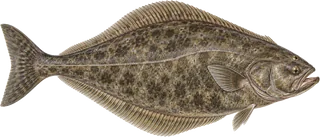 Halibut fishingOff-peak
Sources
Correct as of October 2026. The practical knowledge comes from 7 sources, summarised in our own words.
View all 7 sources
- Makrelenangeln: 6 Tipps zum Erfolg · BLINKER (Redaktion)
- Makrelen im Visier · FISCH & FANG (Christian Hoch)
- Steckbrief Makrele: Wann hält sich dieser Fisch wo auf? · BLINKER (Redaktion)
- Makrelen angeln: Warum die Makrele der perfekte Fisch ist · BLINKER (Rainer Korn)
- Angeln auf Makrele in Hvide Sande an der Nordsee in Dänemark · BLINKER (Redaktion)
- Von Aal bis Meerforelle: Holt sie von der Mole · BLINKER (Thomas Pruß)
- Angeln in der Ostsee: Das solltest Du wissen · BLINKER (Redaktion)
Text AI-assisted, based on the sources named and these pages: Mackerel (profile), Spinning, Spoon, Sea paternoster, Pirk.