
Knowledge – Fish
Dab fishing
Dab fishing means: fishing in deeper, salty water over sand, offering small baits and recognising hesitant bites with a running lead. Here is the way to it in nine steps, each with a link to the detailed page.
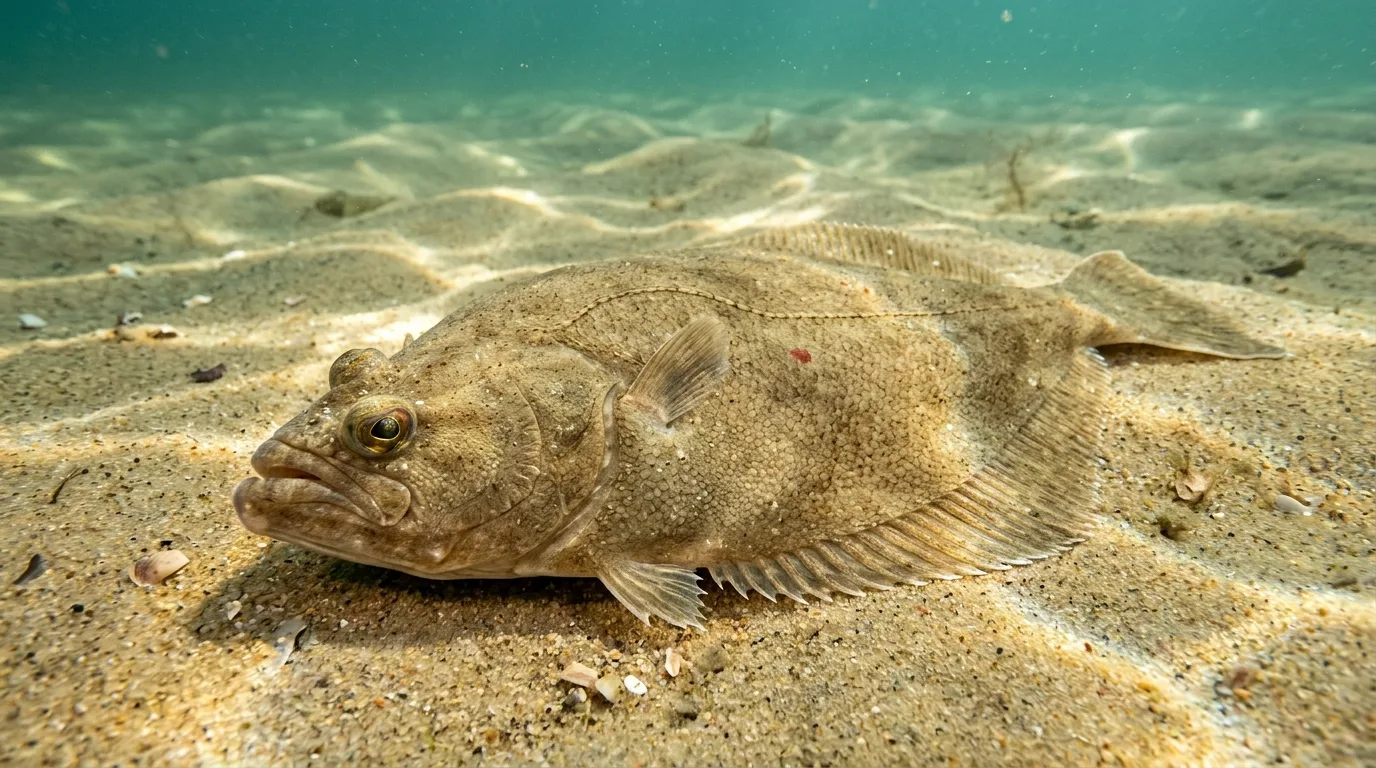
 Choose another fish117 fish with guides
 EelOff-peak season
 EelpoutPossible
 IdePossible
 ArapaimaGood
 GraylingPeak season
 Atlantic salmonSpawning time, please spare
 Brown troutSpawning time, please spare
 Brook troutSpawning time, please spare
 BarbelOff-peak season
 BarramundiSpawning season
 Greater amberjackGood
 Topmouth gudgeonOnly as bycatch
 Blue marlinSpawning season
 BonefishSpawning season
 BonitoGood
 BreamOff-peak season
 Dusky grouperOnly as bycatch
 CobiaPossible
 Spiny dogfishOnly as bycatch
 CodPeak season
 ChubPeak season
 MinnowOnly as bycatch
 European sturgeonOnly as bycatch
 FlounderPeak season
 PerchPeak season
 Largemouth bassGood
 Ballan wrasseOnly as bycatch
 Yellowfin tunaSpawning season
 Giant trevallyGood
 Prussian carpPossible
 BrillPossible
 Gilthead breamSpawning time, please spare
 Golden doradoSpawning season
 Golden mahseerOnly as bycatch
 Dolphinfish (mahi-mahi)Good
 Grass carpPossible
 Great barracudaGood
 GudgeonPossible
 White breamPossible
 DaceOff-peak season
 PikePeak season
 HalibutOff-peak season
 HerringPossible
 GarfishOut of season
 Huchen (Danube salmon)Possible
 Crucian carpOnly as bycatch
 CarpOff-peak season
 RuffeOff-peak season
 VendaceOnly as bycatch
- DabPeak season
 GurnardPossible
 Coley (saithe)Peak season
 Chinook salmonHardly any chance
 King mackerelSpawning season
 LingPeak season
 TuskOff-peak season
 MackerelPossible
 Bighead carpOut of season
 WhitefishPossible
 Conger eelOff-peak season
 Sea troutSpawning time, please spare
 Grey mulletPossible
 Murray codSpawning season
 MuskellungeGood
 Common nasePossible
 Nile perchPossible
 PayaraPossible
 Peacock bassPeak season
 PermitGood
 WeeverOnly as bycatch
 PollackOff-peak season
 BurbotOff-peak season
 AspPossible
 Red snapperSpawning season
 Rainbow troutPeak season
 RoosterfishGood
 RoachPeak season
 RedfishOut of season
 Bluefin tunaOnly as bycatch
 RuddPossible
 Russian sturgeonOnly as bycatch
 HaddockOff-peak season
 SnakeheadPossible
 TenchOff-peak season
 SpirlinOnly as bycatch
 PlaiceOff-peak season
 Greenland halibutOnly as bycatch
 Round gobyOnly as bycatch
 SwordfishGood
 Lake troutSpawning time, please spare
 HakeSpawning time, please spare
 Alpine charSpawning time, please spare
 MonkfishPossible
 SoleOff-peak season
 SailfishGood
 Silver carpOut of season
 SnookPeak season
 PumpkinseedOnly as bycatch
 SpratOnly as bycatch
 Atlantic wolffishSpawning time, please spare
 TurbotPeak season
 SterletOnly as bycatch
 SmeltOnly as bycatch
 Horse mackerelPossible
 TaimenGood
 TarponGood
 TigerfishSpawning season
 BleakPossible
 WahooGood
 Wels catfishOff-peak season
 WhitingPeak season
 Sea bassOff-peak season
 ZanderPeak season
 White-eye breamOnly as bycatch
 Blue breamOnly as bycatch
 Brown bullheadPossible
 VimbaOnly as bycatch
Season in October according to the catch calendar, an estimate and not a guarantee of a catch. The fish pictures are reduced natural-history plates and AI-generated.
Best time
From September to October, mostly in the evening and at night.
In January: GoodIn February: GoodIn March: PossibleIn April: Possible, spawningIn May: Good, spawningIn June: Good, spawningIn July: GoodIn August: GoodIn September: Main seasonIn October: Main seasonIn November: GoodIn December: Good
Good spot
- Coast: sandy bottom and deep watersandy bottom and deep watersandy bottom and deep watersandy bottom and deep water
Top baits
Starter tackle
- Rod: pilk rod of 3,00–3,30 m with 100–200 g casting weight; at medium depths a lighter bottom rod is enough
- Line: braid 0,14–0,20 mm
- Hook: small long-shank hooks around size 4, some authors fish sizes 1–3; according to the Thünen-Institut flatfish less often swallow larger hooks up to 2/0 deeply
- Rod: surf rod of 4–5 m with 150–200 g casting weight
- Line: monofilament of around 0,30 mm with about 10 m of shock leader 0,50–0,60 mm
- Hook: flatfish hooks size 4–1
In short
In short: The best time for dab is September to October, mainly in the evening and at night. Good spots on the coast: sandy bottom and deep water. Proven baits: pieces of lugworm and ragworm, small strips of fish and prawns on a paternoster. You recognise it by the semicircular curve of the lateral line above the pectoral fin. In the Baltic Sea off Schleswig-Holstein the minimum size (Mindestmaß) is suspended until 31.12.2026 (as of October 2026).
Quick to recognise
A small flatfish, also known in German as Scharbe, recognisable for certain by the lateral line that forms a semicircle above the pectoral fin. It usually measures around 20 centimetres, up to about 40 is possible.
When
September and October are the strongest months, and from May to August and from November to February you also catch well. In cold water, however, many bites are missed. In the Baltic Sea it spawns from April to June, in the Skagerrak and Kattegat until August; the willingness to bite then drops a little.
- JanGood
- FebGood
- MarPossible
- AprPossible, spawning season
- MayGood, spawning
- JunGood, spawning
- JulGood
- AugGood
- SepPeak season
- OctPeak season
- NovGood
- DecGood
Peak seasonGoodPossibleHardly any chanceSpawning season
Spring tactics
Depending on the region, dabs spawn some time between January and July, and then they are often harder to persuade. In still cold water small pieces of bait remain the better choice.
Summer tactics
Now hooks of size 4 and whole small worms fit. From the boat you work sandy flats with current, and on some days only dabs bite at the same spot, on others only plaice.
Autumn tactics
From a charter boat in the western Baltic Sea large numbers are often possible now. At big piers on the North Sea, for example in the Netherlands, October is when dabs come within casting range.
Winter tactics
At big piers on the North Sea dabs remain a target fish until spring. The cold water slows their appetite and causes many missed bites, so go with tiny pieces of worm, but do not make the hook smaller.
Are they biting today?
In January: Off-peak seasonIn February: Off-peak seasonIn March: PossibleIn April: Spawning season, please spareIn May: Spawning season, please spareIn June: Spawning season, please spareIn July: Off-peak seasonIn August: Off-peak seasonIn September: Main seasonIn October: Main seasonIn November: Off-peak seasonIn December: Off-peak season
Today’s catch index needs JavaScript. Season and spawning time are in the catch calendar.
Where it sits now
On the coast
Look for sand and silt in deeper water with noticeable current, from about six to eight metres. In the Baltic Sea it holds mainly in the salty west, and near big freshwater inflows it is absent. Where one bites, there are usually several.
How to go about it: From a boat you fish over sand with noticeable current and around reefs or wrecks, from the shore only where it gets deep quickly, for example at pier heads and narrows. In the Baltic Sea you find it mainly in the saltier west and in the Kattegat.
| All year round | Sandy bottom, deep water |
|---|
Biting time: mainly in the evening and at night. What that looks like in the water is shown by the picture of the holding spots just below.
Holding spots in the picture
Choose a season and time of day: the picture shows where the species sits then. Tap a fish or a spot in the list to bring it closer. The picture is schematic and AI-generated, every water is different.
Catch chance in springpossibleSpawning season, observe closed seasons
Catch chance in summergood
Catch chance in autumnPeak season
Catch chance in wintergood
- J
- F
- M
- A
- M
- J
- J
- A
- S
- O
- N
- D
Spawning season
Not the main time In a calm sea and clear water flatfish usually bite in the evening and at night, in clouded water also by day.
Not the main time In a calm sea and clear water flatfish usually bite in the evening and at night, in clouded water also by day.
Active time In a calm sea and clear water flatfish usually bite in the evening and at night, in clouded water also by day.
Active time In a calm sea and clear water flatfish usually bite in the evening and at night, in clouded water also by day.
On the coast
Sandy bottom
Dab are found here all year round.
Deep, colder water
Dab are found here all year round.
The dab lives on the bottom over sandy, soft ground. In the Baltic Sea it usually keeps to deeper areas with current over sand and silt, mainly in the salty west. It is regarded as a resident fish and only moves back and forth between deeper water and the near-shore zone.
Spring: according to the catch calendar, chances are possible in March and April, good in May. The spawning season falls in this period, so observe the closed seasons. Spawning runs from December to June, with the peak from March to May.
Summer: according to the catch calendar, chances are good. In the Baltic Sea the months from May to November count as the season.
Autumn: according to the catch calendar, main season in September and October, good in November. In autumn and winter dabs hold at piers with a deep channel and strong current, best on the ebb.
Winter: good chance of a catch according to the catch calendar.
Depth: The dab lives from a few metres down to about 100 metres. In the Baltic Sea it usually holds at 6 to 8 metres at least.
Size comparison: AI-generated drawing, schematic.
How
From the shore you fish with the surf rig, best at night and at big piers, narrows and shores that quickly get deep. Around two thirds of dabs were caught from the shore this way, as a diary study by the Thünen-Institut on the Baltic Sea showed. More per day of fishing, however, usually comes from a boat or charter boat with a paternoster and running lead.
Easiest way
The easiest way to catch dab is on a flatfish trip with a charter boat. A pilk rod of around 3 m, a size 4000 fixed-spool reel with braid and a ready-made flatfish trace with two or three small hooks are enough, plus pieces of lugworm or ragworm.
Flatfish trace from a charter boat
The usual way to dab: from a drifting charter boat or boat over sandy and silty ground at medium depths.
- Current over sand
Dabs gather over sand with noticeable current, gladly around reefs and wrecks. On wide, low-current flats of mud in the Baltic Sea there are usually only scattered small fish.
- Scent at the anchor
If you are at anchor, fill an onion bag with fish scraps and lower it down the anchor rope to the bottom. The scent trail keeps the dabs in place.
- Two hooks below, one above
A trace with two hooks below the weight and one above it works well. The lowest snood is so long that the bait drags over the bottom, the others shorter so that nothing twists.
- Lower slowly
When lowering, run the line loosely through your fingers instead of just letting the rig fall. This way the snoods do not tangle on the way down.
- Cast in a calm
If the boat is almost still, you catch hardly anything. Then attach a casting rig with the weight at the end, cast it out and slowly draw it back over the bottom.
- Bail arm open, count briefly
When you feel the tug, open the bail arm and give a little line. Count slowly to about five and then start winding. If you wait clearly longer, the dab often swallows the hook deeply.
- Across the current
A dab that turns sideways in the current pulls noticeably. Keep winding calmly, often a second fish is then hanging on the trace.
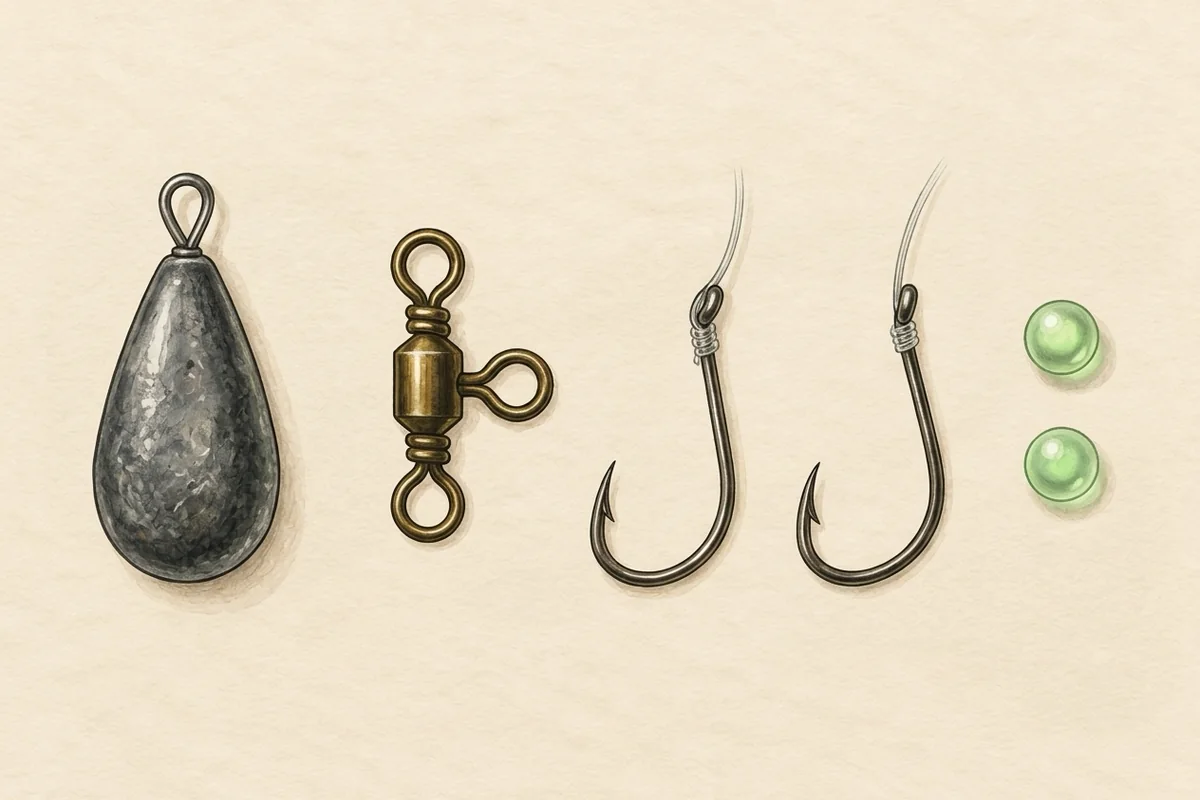
From the pier and the harbour entrance
From the shore it works where you have deep water with current within casting range, especially in the cold season.
- Take the jetty head early
Look for piers, sea bridges and harbour entrances from which you can reach a channel or other deep water. The heads of long piers are sought after, so be at the spot early.
- Jetty hooklength
Many pier anglers take a trace with two short snoods, which wire booms keep away from the main line. The baits then hover a little above the bottom.
- Lugworm in pieces
Usually lugworm catches best. In cold water a piece instead of a whole worm on a small hook is enough.
- Far out into deep water
Cast into the deep areas with current, that is where the dabs are. The ebb is regarded as a good phase at North Sea piers.
- Wait for clear bites
Small fish constantly pluck at the worms. With monofilament that gives a little you do not react to every shiver and recognise the real bite more easily.
- Against the wave action
The stretch of monofilament and a shock leader cushion waves and jolts. Bring the fish in steadily, without pumping.
- Over the stones
On piers with concrete blocks choose beforehand a spot from which you can climb down safely or land the fish with a long-handled landing net.
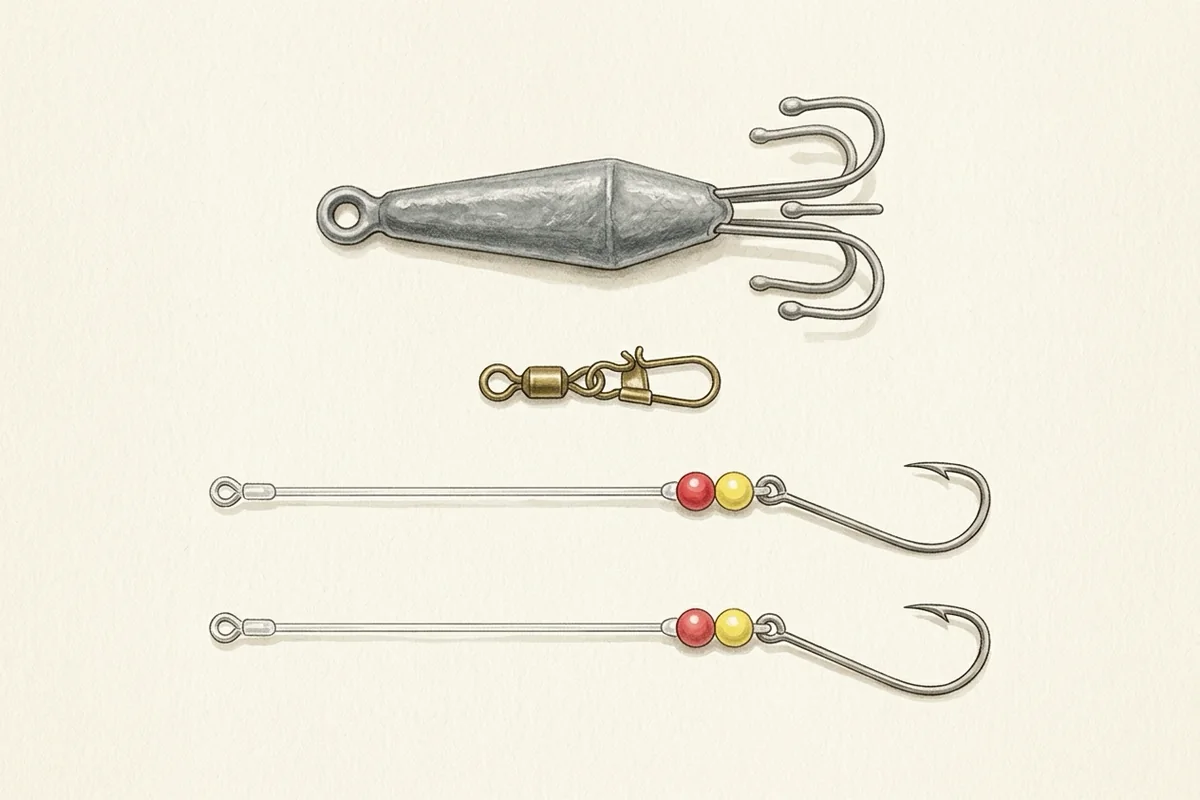
What with
Small pieces of lugworm or ragworm, plus strips of fish and prawns. The hooks are somewhat smaller than for plaice fishing, usually around size 4. In cold water shorten the bait pieces rather than the hook, because larger hooks are swallowed deeply less often.
- Lugwormall year, on jetties and from the cutter
Experienced pier anglers consider it, in the great majority of cases, the best dab bait.
- Ragwormas an alternative, especially from a boat
Divided into small pieces it fits well into the narrow mouth and is less delicate than lugworm.
- Cut baitwhen worms run out or bring little
Narrow strips of mackerel, herring, sand eel or squid are proven substitute baits and can be cut to a suitably small size.
Tackle
From the shore a surf rod for distance. At medium depth from a boat a light rod and a medium-sized fixed-spool reel are enough.
Flatfish trace from a charter boat
- Rod
- Pilk rod of 3,00–3,30 m with 100–200 g casting weight; at medium depths a lighter bottom rod is enough
- Reel
- sturdy fixed-spool reel of size 4000
- Line
- Braid 0,14–0,20 mm
- Leader
- ready-made flatfish trace or self-tied, snoods of monofilament; from a boat an anti-tangle boom helps against tangles
- Hooks
- small long-shank hooks around size 4, some authors fish sizes 1–3; according to the Thünen-Institut flatfish less often swallow larger hooks up to 2/0 deeply
- Weight, float, lead
- Weight of about 100 g in weak drift, more in wind and current
From the pier and the harbour entrance
- Rod
- Surf rod of 4–5 m with 150–200 g casting weight
- Reel
- big, strong surf reel
- Line
- Monofilament of around 0,30 mm with about 10 m of shock leader 0,50–0,60 mm
- Leader
- pier trace with snoods of monofilament around 0,30 mm
- Hooks
- Flatfish hook size 4–1
- Weight, float, lead
- Weight 125–200 g, grip lead in strong current
Common mistakes
- Searching over dead silt: Calm areas with fine mud are poor in food, and only a few small dabs lie there. Go for sand with current and make several trial drifts.
- Braid at the pier: The direct line reports every pluck of small fish and you strike at nothing too often. Monofilament dampens this and cushions the wave action.
- Rig let fall freely: When lowered quickly the snoods wrap around each other. Let the line run through your fingers in a controlled way or use a boom.
- Underestimating the mouth: The mouth of a dab is hardly bigger than that of a large roach. Whole worms therefore bring many missed bites, divide them into small pieces.
- Kept drifting stubbornly in a calm: Without drift the rig hardly searches any ground. Cast a trace with an end weight and draw it slowly over the bottom.
Rules
Each federal state (Bundesland) sets its own closed season (Schonzeit) and minimum size (Mindestmaß). Choose your state; the values come from our state pages.
Baden-Württemberg
Our overview for Baden-Württemberg does not list the dab. The page Angling in Baden-Württemberg explains what applies there and lists spots across the state.
Bavaria
Our overview for Bavaria does not list the dab. The page Angling in Bavaria explains what applies there and lists spots across the state.
Berlin
Our overview for Berlin does not list the dab. The page Angling in Berlin explains what applies there and lists spots across the state.
Brandenburg
Our overview for Brandenburg does not list the dab. The page Angling in Brandenburg explains what applies there and lists spots across the state.
Bremen
Our overview for Bremen does not list the dab. The page Angling in Bremen explains what applies there and lists spots across the state.
Hamburg
Our overview for Hamburg does not list the dab. The page Angling in Hamburg explains what applies there and lists spots across the state.
Hesse
Our overview for Hesse does not list the dab. The page Angling in Hesse explains what applies there and lists spots across the state.
Mecklenburg-Western Pomerania
Our overview for Mecklenburg-Western Pomerania does not list the dab. The page Angling in Mecklenburg-Western Pomerania explains what applies there and lists spots across the state.
Lower Saxony
Our overview for Lower Saxony does not list the dab. The page Angling in Lower Saxony explains what applies there and lists spots across the state.
North Rhine-Westphalia
Our overview for North Rhine-Westphalia does not list the dab. The page Angling in North Rhine-Westphalia explains what applies there and lists spots across the state.
Rhineland-Palatinate
Our overview for Rhineland-Palatinate does not list the dab. What applies there is covered by the page Fishing in Rhineland-Palatinate, with the waters of the state.
Saarland
Our overview for Saarland does not list the dab. What applies there is covered by the page Fishing in Saarland, with the waters of the state.
Saxony
Our overview for Saxony does not list the dab. What applies there is covered by the page Fishing in Saxony, with the waters of the state.
Saxony-Anhalt
Our overview for Saxony-Anhalt does not list the dab. What applies there is covered by the page Fishing in Saxony-Anhalt, with the waters of the state.
Schleswig-Holstein
- Minimum size
- 23 cm
- Closed season
- none
- Note
- Baltic Sea: minimum size (Mindestmaß) suspended until the end of 2026
As of October 2026. All rules, exceptions and sources: Fishing in Schleswig-Holstein.
Thuringia
Our overview for Thuringia does not list the dab. What applies there is covered by the page Fishing in Thuringia, with the waters of the state.
The regulation and your fishing permit (Erlaubnisschein) are what count. Lake Constance, the Rhine and the coast, for example, have their own rules: Fishing waters in Germany.
After the catch
Playing and landing
A hard strike is not needed: after a short give, wind in steadily and keep the line tight. Dabs survive release a little less well than plaice and flounder, so free undersized or protected fish quickly with wet hands or a disgorger and keep them out of the water for as short a time as possible. A fish of legal size that you may keep is stunned and killed straight away and dealt with soon after.
First check the curved lateral line, because different rules can apply to plaice and flounder. A fish of legal size that you may take is stunned and killed at once; protected or undersized ones are released in the water with wet hands. The flesh does not keep for long, so process or freeze the catch quickly.
Frequently asked questions
How do you tell a dab from a plaice?
The lateral line of the dab arches clearly over the pectoral fin, while that of the plaice runs straight. Stroke a dab from tail to head and it feels rough; a plaice stays smooth.
What hook size for dabs?
Size 4 is usual, a little smaller than for plaice; some authors also fish sizes 1 to 3. According to the Thünen-Institut, flatfish swallow larger hooks up to 2/0 deep less often, and no fewer fish bite on them. In cold water, make the bait smaller rather than the hook.
Can you catch dabs from the shore?
Yes, from jetties, harbour entrances and beaches that deepen quickly. The Thünen-Institut had Baltic anglers keep catch diaries: about two thirds of all dabs came from the shore, but per day’s fishing the boat and cutter anglers were ahead.
Which bait for dabs?
On jetties, lugworm usually brings the most bites; from a boat, ragworm too, in each case in small pieces. If the worms run out, take thin strips of mackerel or herring or a piece of prawn.
When do dabs bite best?
You can catch them all year, usually best in autumn. In calm seas and clear water they bite mainly in the evening and at night, and then close to the beach too.
Similar species
If you catch dabs, you can fish for these species with similar tackle:
 Flounder fishingMain season
 Conger fishingShoulder season
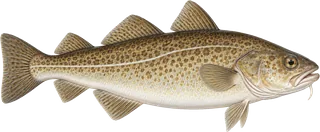 Cod fishingPeak season
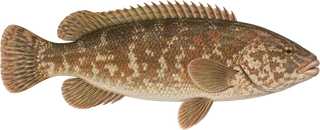 Fishing for ballan wrasseOnly as bycatch
Sources
As of October 2026. The practical knowledge comes from 11 sources, summarised in our own words.
See all 11 sources
- Steckbrief Kliesche · BLINKER (Redaktion)
- Plattfisch: Platte vor Lolland · FISCH & FANG (Georg Baumann)
- Kliesche (Limanda limanda) – Fischkunde · RUTE & ROLLE (Redaktion)
- Köstliche Klieschen · RUTE & ROLLE (Redaktion)
- Plattfischangeln im Nord-Ostsee-Kanal: Mit der Kälte kommt der Butt · BLINKER (Redaktion)
- Plattfisch Vorfach: Für jede Situation das passende Rig · BLINKER (Redaktion)
- Brandungsangeln: Alles, was man über diese Angelmethode wissen muss · BLINKER (Rainer Korn)
- Plattfisch in der Ostsee: Angeln mit leichtem Gerät bringt Fisch · BLINKER (Redaktion)
- Plattfischangeln: 10 Tipps für mehr Erfolg · BLINKER (Redaktion)
- Plattfische angeln: Mit Wurm vom Ufer erfolgreich · BLINKER (Fabian Frenzel)
- Selektivität und Überlebensraten nach dem Zurücksetzen in der Angelfischerei auf Plattfische (Thünen Working Paper 262) · Thünen-Institut für Ostseefischerei
Text written with AI support, based on the sources named and these pages: Dab (profile), Surf fishing, Running leger rig, Surf rod.