
Knowledge – Fish
Garfish fishing
Fishing for garfish means going to the coast between May and July and offering a slim bait just below the surface. Here is the way there in nine steps, each with a link to the detailed page.
 Choose another fish117 fish with guides
 EelOff-peak season
 EelpoutPossible
 IdePossible
 ArapaimaGood
 GraylingPeak season
 Atlantic salmonSpawning time, please spare
 Brown troutSpawning time, please spare
 Brook troutSpawning time, please spare
 BarbelOff-peak season
 BarramundiSpawning season
 Greater amberjackGood
 Topmouth gudgeonOnly as bycatch
 Blue marlinSpawning season
 BonefishSpawning season
 BonitoGood
 BreamOff-peak season
 Dusky grouperOnly as bycatch
 CobiaPossible
 Spiny dogfishOnly as bycatch
 CodPeak season
 ChubPeak season
 MinnowOnly as bycatch
 European sturgeonOnly as bycatch
 FlounderPeak season
 PerchPeak season
 Largemouth bassGood
 Ballan wrasseOnly as bycatch
 Yellowfin tunaSpawning season
 Giant trevallyGood
 Prussian carpPossible
 BrillPossible
 Gilthead breamSpawning time, please spare
 Golden doradoSpawning season
 Golden mahseerOnly as bycatch
 Dolphinfish (mahi-mahi)Good
 Grass carpPossible
 Great barracudaGood
 GudgeonPossible
 White breamPossible
 DaceOff-peak season
 PikePeak season
 HalibutOff-peak season
 HerringPossible
- GarfishOut of season
 Huchen (Danube salmon)Possible
 Crucian carpOnly as bycatch
 CarpOff-peak season
 RuffeOff-peak season
 VendaceOnly as bycatch
 DabPeak season
 GurnardPossible
 Coley (saithe)Peak season
 Chinook salmonHardly any chance
 King mackerelSpawning season
 LingPeak season
 TuskOff-peak season
 MackerelPossible
 Bighead carpOut of season
 WhitefishPossible
 Conger eelOff-peak season
 Sea troutSpawning time, please spare
 Grey mulletPossible
 Murray codSpawning season
 MuskellungeGood
 Common nasePossible
 Nile perchPossible
 PayaraPossible
 Peacock bassPeak season
 PermitGood
 WeeverOnly as bycatch
 PollackOff-peak season
 BurbotOff-peak season
 AspPossible
 Red snapperSpawning season
 Rainbow troutPeak season
 RoosterfishGood
 RoachPeak season
 RedfishOut of season
 Bluefin tunaOnly as bycatch
 RuddPossible
 Russian sturgeonOnly as bycatch
 HaddockOff-peak season
 SnakeheadPossible
 TenchOff-peak season
 SpirlinOnly as bycatch
 PlaiceOff-peak season
 Greenland halibutOnly as bycatch
 Round gobyOnly as bycatch
 SwordfishGood
 Lake troutSpawning time, please spare
 HakeSpawning time, please spare
 Alpine charSpawning time, please spare
 MonkfishPossible
 SoleOff-peak season
 SailfishGood
 Silver carpOut of season
 SnookPeak season
 PumpkinseedOnly as bycatch
 SpratOnly as bycatch
 Atlantic wolffishSpawning time, please spare
 TurbotPeak season
 SterletOnly as bycatch
 SmeltOnly as bycatch
 Horse mackerelPossible
 TaimenGood
 TarponGood
 TigerfishSpawning season
 BleakPossible
 WahooGood
 Wels catfishOff-peak season
 WhitingPeak season
 Sea bassOff-peak season
 ZanderPeak season
 White-eye breamOnly as bycatch
 Blue breamOnly as bycatch
 Brown bullheadPossible
 VimbaOnly as bycatch
Season in October according to the catch calendar, an estimate and not a guarantee of a catch. The fish pictures are reduced natural-history plates and AI-generated.
Best time
From May to July, mostly during the day.
In January: Slim chancesIn February: Slim chancesIn March: Slim chancesIn April: PossibleIn May: Good, spawning seasonIn June: Good, spawning seasonIn July: GoodIn August: PossibleIn September: Slim chancesIn October: Slim chancesIn November: Slim chancesIn December: Slim chances
Good spot
- Coast: just below the surface, seagrass and stony mixed groundjust below the surface, stony mixed ground and deep waterjust below the surfacehardly ever found
Top baits
Starter tackle
- Rod: match, float or all-round rod from 3 m, often around 3,60 m, casting weight about 30–60 g
- Line: braid 0,08–0,12 mm or monofilament around 0,25 mm
- Hook: long-shank single hook, size 1 to 4
- Rod: spinning rod around 2,70–3,00 m with tip action, casting weight about 20–40 g
- Line: braid 0,10–0,12 mm or monofilament 0,25 mm
- Hook: small treble hook, size 10–12
- Rod: sbirolino, match or long spinning rod around 3,30–3,50 m with a soft tip
- Line: braid 0,10–0,12 mm or monofilament 0,25 mm
- Hook: single hook size 4 to 8 or treble hook size 12
In short
In short: The best time to catch garfish is from May to July, mostly during the day. Good spots on the coast: just below the surface. Proven baits: slim coastal spoons; on a float also strips of fish.
Quick to recognise
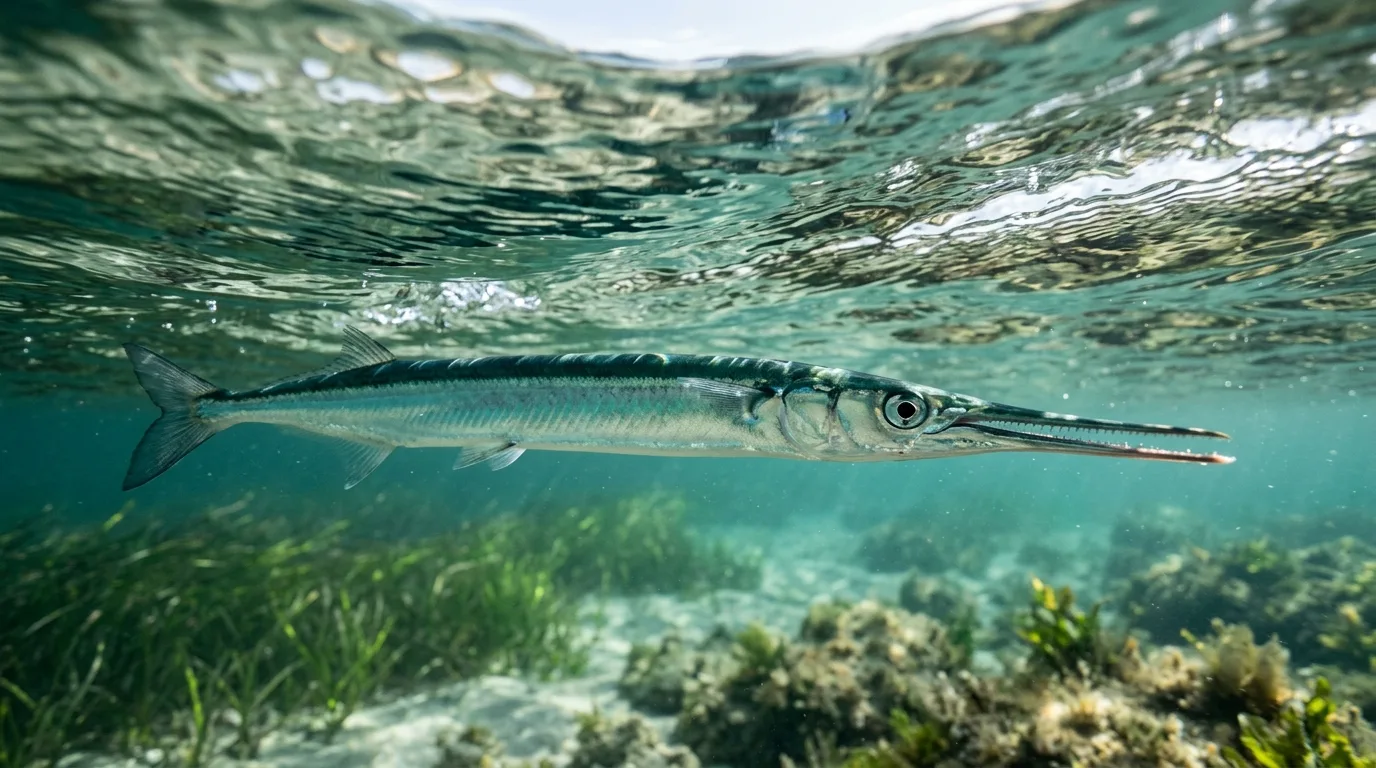
A very slim shoaling fish with a long beak that hunts just below the surface. Its skeleton is green, and it grows to about 85 centimetres long.
When
The main time is May and June, in July the chances are still good, and in April and August a catch is possible; on the Baltic the season usually ends at the end of August. Spawning takes place from May to June in shallow coastal water over seagrass and kelp. According to anglers‘ reports, sunny days catch better than dark, cold ones.
- JanHardly any chance
- FebHardly any chance
- MarHardly any chance
- AprPossible
- MayGood, spawning
- JunGood, spawning
- JulGood
- AugPossible
- SepHardly any chance
- OctHardly any chance
- NovHardly any chance
- DecHardly any chance
Peak seasonGoodPossibleHardly any chanceSpawning season
Spring tactics
In warm years the first shoals appear as early as the end of April, otherwise rather in mid-May. Before a long journey, find out whether the fish are there yet. At spawning time they like to stand over seagrass meadows and hip-deep sandy ground, and they return to such places year after year.
Summer tactics
On the Baltic many garfish stay on in June, some into July; on the North Sea they spawn later, often not until early June. When the shoals scatter, slow trolling with sea trout spoons at about two knots from a small boat catches well.
Autumn tactics
In late summer and autumn you meet only the odd garfish, mostly over deeper water further out. They are then often smaller fish of around 40 cm.
Winter tactics
In this period you will not find garfish on the coast. Use the months to prepare hooklengths with a set-off treble and loops, so that you can start fishing at once when the first shoal arrives in spring.
Is it biting today?
In January: Out of seasonIn February: Out of seasonIn March: Out of seasonIn April: PossibleIn May: Spawning season, please spare the fishIn June: Spawning season, please spare the fishIn July: Off-peakIn August: PossibleIn September: Out of seasonIn October: Out of seasonIn November: Out of seasonIn December: Out of season
Today’s catch index needs JavaScript. Season and spawning time are in the catch calendar.
Where it is now
On the coast
The shoals travel just below the surface and are on the coast only in the warm season. From land you fish at breakwaters, piers and landing stages, in spring over seagrass, mixed and sandy ground. From July you find the last fish rather over greater depth.
How to go about it: Anything that reaches far into the sea is a good starting point, above all groynes and breakwaters with deeper water at the head. Stony and gravel beaches with structure close inshore and shallow bays with seagrass are also worth trying. In the Bodden the garfish is, according to surveys by the Thünen-Institut, one of the most important target fish.
| Spring | just below the surface, seagrass, stony mixed ground, sandy ground |
|---|---|
| Summer | just below the surface, stony mixed ground, deep water |
| Autumn | just below the surface |
| Winter | rarely found |
Biting time: mainly during the day. How this looks in the water is shown by the picture of the holding spots just below.
Waters with rules for garfish
Holding spots in the picture
Choose the season and time of day: the picture shows where the species stands then. Spots outlined in red apply only in the chosen season. Tap a fish or a spot in the list to bring it closer. The picture is schematic and AI-generated, every water is different.
Catch chances in springpossible
Catch chance in summergood
Catch chance in autumnhardly any
Catch chance in winterhardly any
- J
- F
- M
- A
- M
- J
- J
- A
- S
- O
- N
- D
Spawning season
No main time Garfish hunt by day and are more active in sunshine than on dark days.
Active time Garfish hunt by day and are more active in sunshine than on dark days.
No main time Garfish hunt by day and are more active in sunshine than on dark days.
No main time Garfish hunt by day and are more active in sunshine than on dark days.
On the coast
Seagrass, gravel and stones in the shallows
Garfish are found here only in spring.
Sandy bottom
Garfish are found here only in spring.
Stony mixed ground
Garfish are found here only in spring and summer.
Deep, colder water
Garfish are found here only in summer.
Just below the surface
Garfish are found here only in spring, summer and autumn.
Garfish are shoaling fish and usually swim just below the sea surface. They are on the coast only in the warm season. From the shore you reach them at breakwaters, piers and landing stages.
Spring: according to the catch calendar, chances are slim in March, possible in April and good in May. In spring the shoals come to the coast and spawn in shallow water over seagrass meadows. They stay over mixed and sandy ground.
Summer: according to the catch calendar, chances are good in June and July and possible in August. Over the summer garfish stay on the coast, preferably over mixed ground. From July to September they stand rather over deeper water.
Autumn: chances according to the catch calendar are slim. With the end of summer the shoals move off into deep, distant areas of the sea.
Winter: chances according to the catch calendar are slim. Garfish spend the winter in deep, far-off areas of the sea.
Depth: Garfish swim just below the surface. You present the bait at a depth of about a metre at most, on a float with a hooklength of no more than a metre.
Size comparison: AI-generated drawing, schematic.
How
From the shore spinning is the usual way. At breakwaters and from the boat you offer fish strips on a float or bubble float, and fly anglers take colourful streamers on a fast-sinking line. After the strike the garfish fights hard and jumps.
Easiest way
To start, a narrow strip of herring or mackerel under a slim float or bubble float is enough. In May choose a groyne or breakwater on the Baltic where the water gets deeper at the head, and set off on a sunny, calm day.
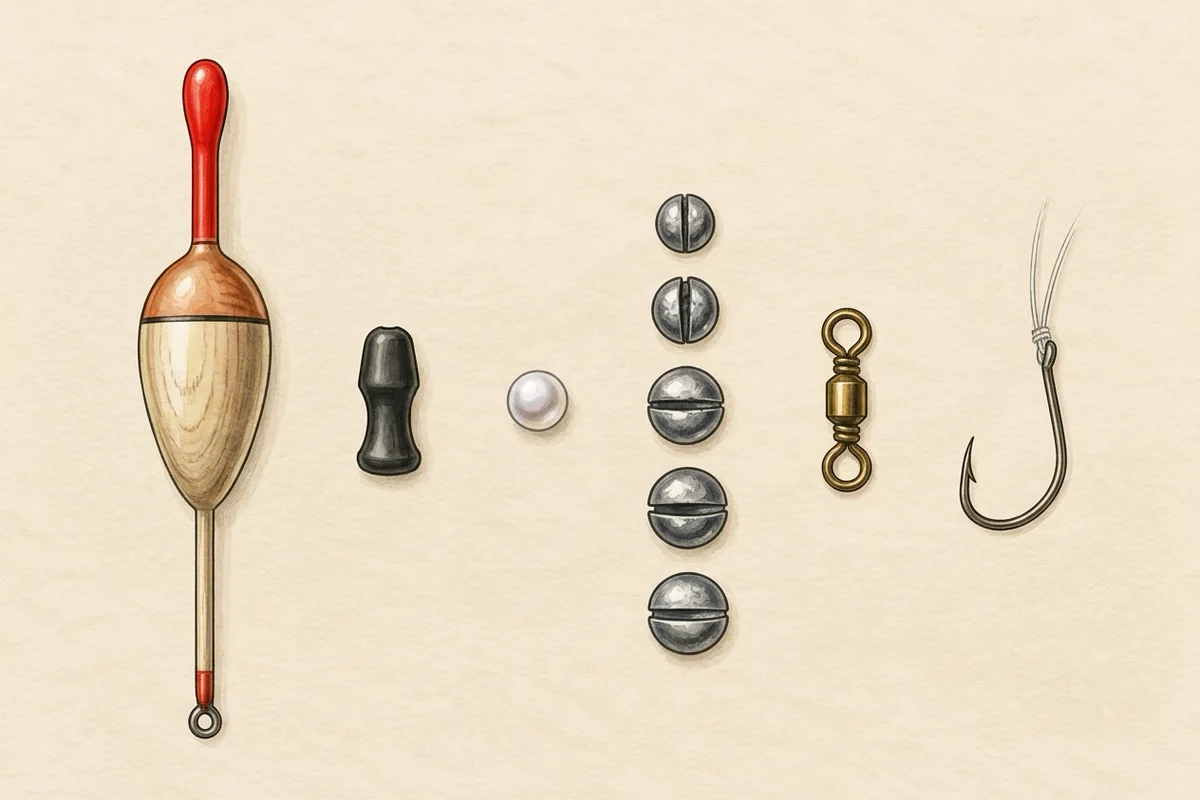
Fish strips on a float or bubble float
The relaxed method from beach, breakwater or boat, with which, according to the experience of the specialist press, more garfish often bite than on artificial lures.
- Look for deeper water
Groyne heads, headlands with current and steep banks with a channel close inshore are good. On a sandy beach it pays off where the water within casting range is deeper than about two metres.
- Short, clear hooklength
Under the float you use at most a metre of clear monofilament, 0,25 to 0,30 mm. The fish swim very shallow and see coloured line well with their big eyes.
- Cut a narrow strip
Cut a strip about a centimetre wide and two to four centimetres long. Pierce the skin several times or secure it with elastic thread; soft herring flesh otherwise holds only briefly.
- Drift it far out
Pre-weighted garfish floats or a half-filled bubble float carry the bait far out. With an offshore wind you simply let the rig drift out onto open water.
- Wait a few seconds
When the float goes under, give the fish a few seconds to take the strip completely. In a swell many a garfish hooks itself and jumps before you notice the bite.
- Absorb the jumps
After the strike the fish often jumps several times. Keep the line taut and be patient with fine tackle instead of hauling it in by force.
- Check the hooklength
Lift the fish out with a landing net or, on a flat shore, with the wave. Afterwards check the hooklength; the many small teeth roughen it quickly.
Slim spoon at high speed
The active method with which you search large areas from beach and breakwater, best in sunshine and a light onshore wind.
- Watch the surface
First watch the water for a while, ideally with polarised glasses. Jumping fish and small swirls at the surface show you where the shoal is hunting.
- Set the treble back
Take the treble off the spoon and hang it back on a piece of strong monofilament two to five centimetres long. That way it grips better in the hard beak, and the fish finds it harder to throw the spoon.
- Cast beyond the fish
Cast beyond the spot where you saw fish and then lead the bait straight through the middle of the shoal. Move on now and then, because each stretch of beach holds a different number of fish.
- Reel in briskly
Garfish like speed, so wind quickly and change the speed now and then. Only when the spoon jumps out of the water do you slow down.
- Count the attacks
Many fish attack the spoon only briefly or follow it right up to the shore. If there are many attacks but hardly any hook-ups, switch to a smaller lure or treble.
- Not too hard
The bite usually comes hard, followed by jumps. Do not pump by force, because the thin beak breaks easily if only it is hooked.
- Lift it out calmly
Guide the fish into the net or let it ride up the shallows with a wave. It is best to remove the treble with pliers.
Sbirolino with a fish strip or fly
The versatile variant with which you cast natural baits and small flies far and work them slowly and actively, in almost any wind.
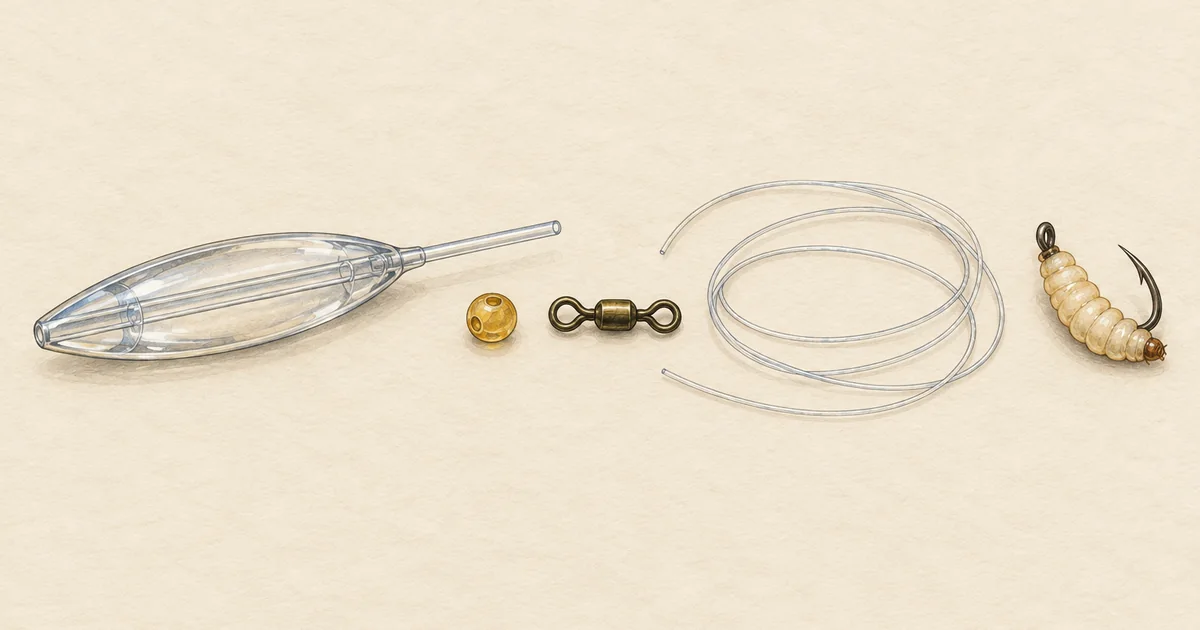
- Choose a floating sbirolino
Thread on a floating or slowly sinking sbirolino, followed by a rubber bead and a barrel swivel. A floating model can be retrieved more slowly than a sinking one.
- Long hooklength
The hooklength is long, depending on the source about 1,5 to 3,5 m. A strip of fish, a small shrimp fly or a streamer hangs on it, so you can change quickly at the water.
- Let it sink
Cast far and let the bait sink for a moment after it hits the water. Then you make contact with the sbirolino.
- Slowly, with stops
Wind the rig in calmly; one or two turns of the handle set the strip moving. Short pauses often help, and with the fly the bites come mainly then.
- Lower the rod, then strike
When you feel a bite, lower the rod briefly and then strike. If a fish misses the strip, it often comes back once more because of the scent.
- Mind the long hooklength
At the end of the fight the fish hangs far behind the sbirolino. Do not wind the sbiro right up to the tip ring, but step back and draw the fish over the net.
What with
For spinning, slim coastal spoons of around 20 grams, no longer than ten centimetres, which you retrieve briskly. On the float hang narrow, small strips of mackerel or herring at most a metre deep. Because the jaw is hard and horny, the hooks must be very sharp.
- Cut baitthe whole season, on float, water bubble and sbirolino
A narrow strip of herring or mackerel smells strong, and a strip from the flank of a caught garfish even survives several bites.
- Spoonsunny days with a light onshore wind
A slim spoon flies far and can be worked as fast as the agile predators like.
- Ragwormon the float when the fish are cautious
It stays on the hook better than the soft lugworm and on some days catches almost as well as the fish strip.
Tackle
An ordinary spinning rod is enough, and the lighter the tackle, the livelier the bait works and the more bites you get. Against missed bites some anglers replace the treble with a smaller, sharp hook on a piece of monofilament, about two centimetres behind the bait. For float and streamer the pages on the float rod and fly rod help.
Fish strips on a float or bubble float
- Rod
- Match, float or all-round rod from 3 m, often around 3,60 m, casting weight about 30–60 g
- Reel
- medium-sized saltwater-proof fixed-spool reel, size 3000–4000
- Line
- Braid 0,08–0,12 mm or monofilament around 0,25 mm
- Leader
- clear monofilament or fluorocarbon 0,25–0,30 mm, about 1 m long at most
- Hooks
- long-shank single hook, size 1 to 4
- Weight, float, lead
- pre-weighted garfish float, 15–30 g, or a medium-sized water bubble
Slim spoon at high speed
- Rod
- spinning rod of about 2,70–3,00 m with a tip action, casting weight roughly 20–40 g
- Reel
- saltwater-proof fixed-spool reel, size 3000
- Line
- braid 0,10–0,12 mm or monofilament 0,25 mm
- Leader
- about 2 m of monofilament or fluorocarbon 0,25 mm in front of the braid; 2–5 cm of monofilament 0,30–0,40 mm between spoon and treble hook
- Hooks
- small treble hook, size 10–12
- Weight, float, lead
- slim coastal or sea trout spoons, 12–25 g
Sbirolino with a fish strip or fly
- Rod
- sbirolino, match or long spinning rod of about 3,30–3,50 m with a soft tip
- Reel
- fixed-spool reel, size 3000–4000
- Line
- braid 0,10–0,12 mm or monofilament 0,25 mm
- Leader
- monofilament or fluorocarbon 0,23–0,30 mm, about 1,5–3,5 m long
- Hooks
- single hook, size 4 to 8, or treble hook, size 12
- Weight, float, lead
- floating or slowly sinking sbirolino, 10–30 g
More on tackle
- Spinning rod: choose length, casting weight and action
- Float rod: match, Bolognese and pole
- Fly rod: choose line class, length and action
- Line calculator
- Fishing line: monofilament, braid or fluorocarbon?
- Spooling a reel properly – without line twist
- Wading net: the small landing net for wading
- Disgorger: unhooking quickly and gently
Common mistakes
- Lots of bites, few fish: If the hook is too big, the thin beak slips into the bend and escapes the point. Use a smaller bait and hook and more fish will stay on.
- Treble hook right on the spoon: If the treble hangs on the split ring, the fish throws itself off against the heavy spoon or the beak breaks. Set the hook a few centimetres back on a short piece of monofilament.
- Bait presented too deep: Garfish hunt just below the surface. Keep the bait no deeper than about one metre under the float, and when fishing on the bottom with a floating bead.
- Striking with the silk loop: A quick strike rips the loop out of the mouth before the teeth get tangled in it. Wait until you feel a steady pull and only then start reeling in.
- Thick or coloured hooklength: The fish see very well and avoid conspicuous line. Use clear monofilament or fluorocarbon, and when spinning about two metres in front of the braid.
Rules
Our overview of the federal states gives no figures for the garfish’s minimum size (Mindestmaß) or closed season (Schonzeit). That does not mean there are no rules: individual states and water regulations protect the species or set their own limits.
On the coast the rules of the coastal states apply, partly with their own catch restrictions: North Sea coast, Baltic coast of Schleswig-Holstein and Baltic coast of Mecklenburg-Western Pomerania.
The regulation and your fishing permit (Erlaubnisschein) are what count. Lake Constance, the Rhine and the coast, for example, have their own rules: Fishing waters in Germany.
After the catch
Playing and landing
With strips of fish you wait a few seconds after the bite, with a spoon you strike at once, with the silk loop not at all. Absorb the jumps with a taut line and a yielding rod, because the beak breaks easily. A fish you may not keep you unhook with wet hands and return quickly; a tangled loop you cut free rather than pulling at the beak for long.
A garfish of legal size that you may keep you stun and kill at once. Protected or undersized fish you unhook in the water with wet hands and release. In the kitchen it can be fried, grilled or baked; the green colour of the bones comes from the pigment biliverdin.
Frequently asked questions
When do garfish arrive in the Baltic Sea?
In warm years as early as the end of April, otherwise usually from mid-May. On the North Sea they appear somewhat later and often spawn only from the beginning of June.
Which bait is best for garfish?
Usually a narrow strip of herring or mackerel. It is soft, so secure it with elastic thread or cut a more durable strip from a garfish you have already caught.
Which hook size for garfish?
Under a float, long-shank single hooks in size 1 to 4; with a sbirolino rather 4 to 8. With a spoon a small treble in size 10 to 12 on a short piece of monofilament is usual.
Can you catch garfish without a hook?
Yes, with a wool or silk loop instead of the treble, in which the teeth get tangled. You still get missed bites, and sometimes you have to cut the beak free with effort.
In what weather do garfish bite?
Sunshine and a calm sea are ideal. Under heavy cloud, in the evening and in stirred-up, cloudy water the fish are not very active. For a float, an offshore wind suits; when fishing with spoons a light onshore wind often brings more.
How deep do garfish bite?
They usually swim very shallow, just under the surface. So the bait under the float should hang no deeper than about one metre.
Similar species
If you catch garfish, you can fish for these species with similar tackle:
 Fishing for mackerelPossible
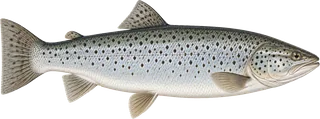 Sea trout fishingSpawning season, please spare
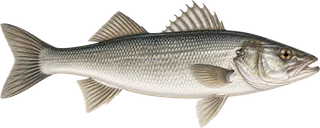 Sea bass fishingShoulder season
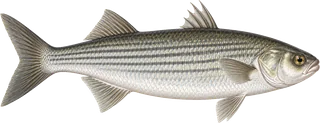 Grey mullet fishingPossible
Sources
Correct as of October 2026. The practical knowledge comes from 7 sources, summarised in our own words.
View all 7 sources
- Tipps zum Hornhechtangeln: Zielsicher fangen · BLINKER (Sebastian Rose)
- Meeresangeln auf Schnabeltiere: Vier für Hornis · BLINKER (Sebastian Rose)
- Angeln auf Hornhecht: Silberpfeile der Meere · BLINKER (André Pawlitzki)
- Hornhecht angeln: 10 Tipps für die Silberpfeile · BLINKER (Redaktion)
- Hornhecht-Spaß für jedermann · FISCH & FANG (Christian Hoch)
- Hornhechtangeln mit Seidenfäden · BLINKER (Redaktion)
- Eine Charakterisierung der marinen Angelfischerei in Deutschland · Thünen-Institut für Ostseefischerei (Zeitschrift für Fischerei 2023)
Text AI-assisted, based on the sources named and on these pages: Garfish (profile), Spinning, Float fishing, Spinner.