
Knowledge – Fish
Fishing for cobia
Fishing for cobia means checking buoys, wrecks, flotsam and big rays, because that is where it holds, and presenting the bait to it accurately. Here is the route to it in nine steps, each with a link to the detailed page.
 Choose another fish117 fish with guides
 EelOff-peak season
 EelpoutPossible
 IdePossible
 ArapaimaGood
 GraylingPeak season
 Atlantic salmonSpawning time, please spare
 Brown troutSpawning time, please spare
 Brook troutSpawning time, please spare
 BarbelOff-peak season
 BarramundiSpawning season
 Greater amberjackGood
 Topmouth gudgeonOnly as bycatch
 Blue marlinSpawning season
 BonefishSpawning season
 BonitoGood
 BreamOff-peak season
 Dusky grouperOnly as bycatch
- CobiaPossible
 Spiny dogfishOnly as bycatch
 CodPeak season
 ChubPeak season
 MinnowOnly as bycatch
 European sturgeonOnly as bycatch
 FlounderPeak season
 PerchPeak season
 Largemouth bassGood
 Ballan wrasseOnly as bycatch
 Yellowfin tunaSpawning season
 Giant trevallyGood
 Prussian carpPossible
 BrillPossible
 Gilthead breamSpawning time, please spare
 Golden doradoSpawning season
 Golden mahseerOnly as bycatch
 Dolphinfish (mahi-mahi)Good
 Grass carpPossible
 Great barracudaGood
 GudgeonPossible
 White breamPossible
 DaceOff-peak season
 PikePeak season
 HalibutOff-peak season
 HerringPossible
 GarfishOut of season
 Huchen (Danube salmon)Possible
 Crucian carpOnly as bycatch
 CarpOff-peak season
 RuffeOff-peak season
 VendaceOnly as bycatch
 DabPeak season
 GurnardPossible
 Coley (saithe)Peak season
 Chinook salmonHardly any chance
 King mackerelSpawning season
 LingPeak season
 TuskOff-peak season
 MackerelPossible
 Bighead carpOut of season
 WhitefishPossible
 Conger eelOff-peak season
 Sea troutSpawning time, please spare
 Grey mulletPossible
 Murray codSpawning season
 MuskellungeGood
 Common nasePossible
 Nile perchPossible
 PayaraPossible
 Peacock bassPeak season
 PermitGood
 WeeverOnly as bycatch
 PollackOff-peak season
 BurbotOff-peak season
 AspPossible
 Red snapperSpawning season
 Rainbow troutPeak season
 RoosterfishGood
 RoachPeak season
 RedfishOut of season
 Bluefin tunaOnly as bycatch
 RuddPossible
 Russian sturgeonOnly as bycatch
 HaddockOff-peak season
 SnakeheadPossible
 TenchOff-peak season
 SpirlinOnly as bycatch
 PlaiceOff-peak season
 Greenland halibutOnly as bycatch
 Round gobyOnly as bycatch
 SwordfishGood
 Lake troutSpawning time, please spare
 HakeSpawning time, please spare
 Alpine charSpawning time, please spare
 MonkfishPossible
 SoleOff-peak season
 SailfishGood
 Silver carpOut of season
 SnookPeak season
 PumpkinseedOnly as bycatch
 SpratOnly as bycatch
 Atlantic wolffishSpawning time, please spare
 TurbotPeak season
 SterletOnly as bycatch
 SmeltOnly as bycatch
 Horse mackerelPossible
 TaimenGood
 TarponGood
 TigerfishSpawning season
 BleakPossible
 WahooGood
 Wels catfishOff-peak season
 WhitingPeak season
 Sea bassOff-peak season
 ZanderPeak season
 White-eye breamOnly as bycatch
 Blue breamOnly as bycatch
 Brown bullheadPossible
 VimbaOnly as bycatch
Season in October according to the catch calendar, an estimate and not a guarantee of a catch. The fish pictures are reduced natural-history plates and AI-generated.
Best time
From March to September.
In January: PossibleIn February: PossibleIn March: GoodIn April: Good, spawningIn May: Good, spawningIn June: Good, spawningIn July: Good, spawningIn August: Good, spawningIn September: Good, spawningIn October: PossibleIn November: PossibleIn December: Possible
Good spot
- Coast: Wreck, reef, open water and just below the surfaceWreck, reef, open water and just below the surfaceWreck, reef, open water and just below the surfaceWreck, reef, open water and just below the surface
Starter tackle
- Rod: strong sea rod for fish of usually up to a good 20 kilograms
- Line: monofilament of 15 to 25 lb (about 7 to 11 kg)
- Hook: circle hook without offset, not stainless steel
- Rod: strong spinning rod with which you can cast a heavy jig accurately at the fish
- Line: monofilament of 15 to 25 lb (about 7 to 11 kg)
In short
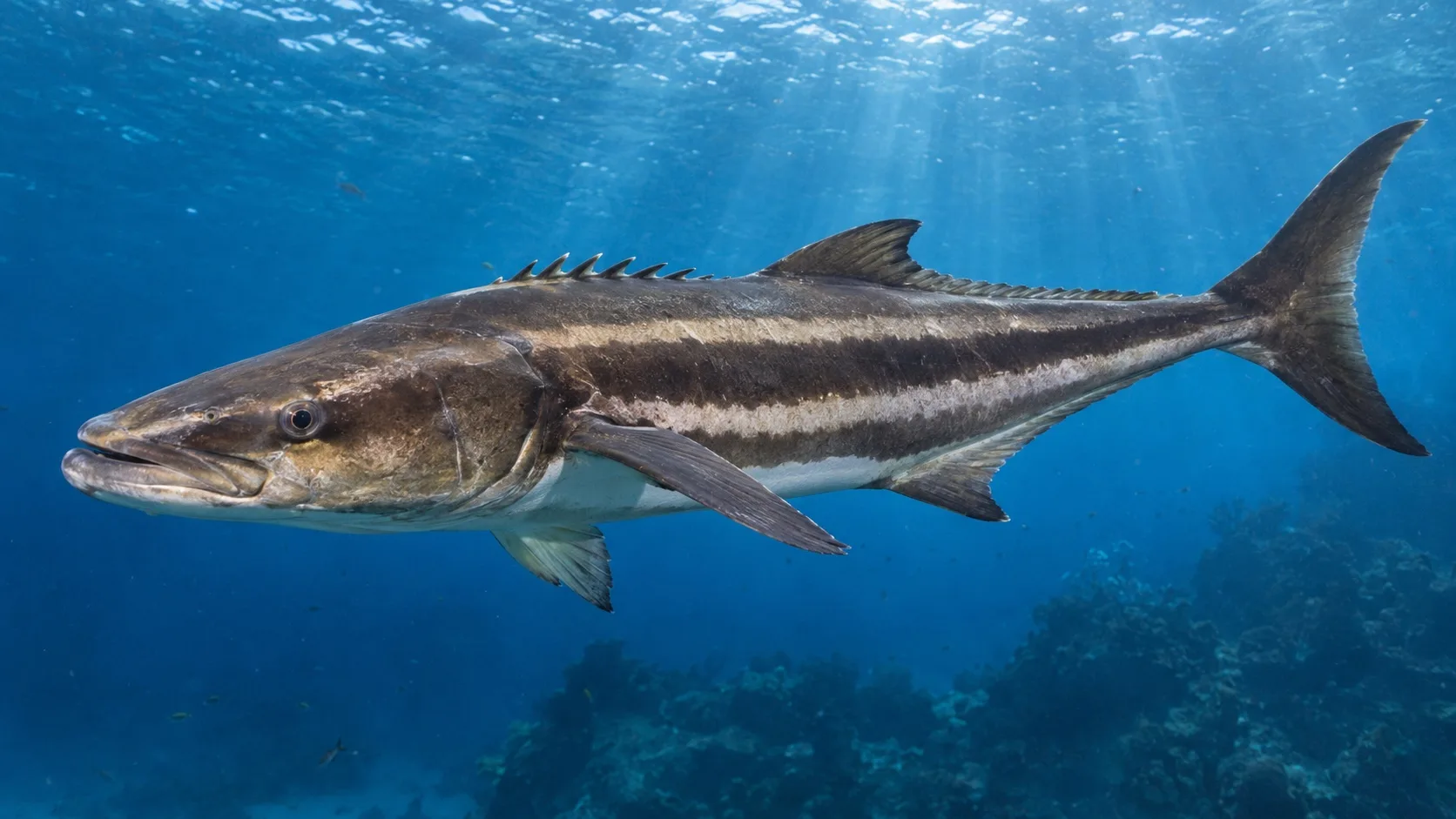
In short: According to the catch calendar, the best time is from March to September. Good spots on the coast: wrecks, reefs, open water and just below the surface. Proven baits: live bait on the bottom at reefs and wrecks, bucktail jigs when sight fishing, flies too. It is often mistaken for a shark or remora; you can identify it reliably by the seven to nine free-standing dorsal spines. Minimum sizes and catch limits are set by the US authorities.
Quick to recognise
An elongated, torpedo-shaped predator with a flat head, a dark band along the body and seven to nine individually standing dorsal spines without a fin membrane. It usually measures 50 to 120 centimetres, and in the water it is easily mistaken for a shark.
When
On the south-east coast of the USA and in the Gulf of Mexico the best months are March to September. It comes into shallow coastal water when it is 20 to 25 degrees, and off South Carolina it stays close to the coast from April to October. Depending on the region, spawning takes place from May to August, in the Gulf until September.
- JanPossible
- FebPossible
- MarGood
- AprGood, spawning
- MayGood, spawning
- JunGood, spawning
- JulGood, spawning
- AugGood, spawning
- SepGood, spawning season
- OctPossible
- NovPossible
- DecPossible
Peak seasonGoodPossibleHardly any chanceSpawning season
Season in the destination
Off South Carolina the first cobia appear at the artificial reefs in early April, from mid-April they move into the sounds, May and June are peak season there, and from July numbers drop quickly. Further north, in Chesapeake Bay, summer is the time for sight fishing, and from November the fish leave for the open sea and head south. Off Texas you catch it most often from June to September.
Season and biting time
In January: PossibleIn February: PossibleIn March: GoodIn April: SpawningIn May: SpawningIn June: SpawningIn July: SpawningIn August: SpawningIn September: SpawningIn October: PossibleIn November: PossibleIn December: Possible
Where it is now
On the coast
Look for structures in open water: wrecks, artificial reefs, platforms, piles, buoys and floating objects. It often swims just below the surface next to rays, turtles or sharks too.
How to go about it: Good spots are buoys and channel markers at harbour entrances, the mouths of bays and sounds, shipwrecks, artificial reefs and oil rigs. Off Texas, big cobia are caught only in the open Gulf, while smaller ones occasionally come into the bays. In winter they stay farther out, often at 20 metres or deeper.
| All year round | wreck, reef, open water, just below the surface |
|---|
Holding spots in the picture
Choose a season and time of day: the picture shows where the species sits then. Tap a fish or a spot in the list to bring it closer. The picture is schematic and AI-generated, every water is different.
Chance of a catch in springgoodSpawning, observe the closed seasons
Chance of a catch in summergoodSpawning, observe the closed seasons
Catch chance in autumnpossible
Catch chance in winterpossible
- J
- F
- M
- A
- M
- J
- J
- A
- S
- O
- N
- D
Spawning season
On the coast
Wreck, reef
Cobia (black kingfish) is found here all year round.
Open water, mid-water
Cobia (black kingfish) is found here all year round.
Just below the surface
Cobia (black kingfish) is found here all year round.
Cobia look for anything that offers cover in open water: wrecks, artificial reefs, buoys, pilings, oil platforms and floating debris. They often accompany rays, turtles or sharks just below the surface. Juveniles live in bays, estuaries and off beaches.
Spring: chance of a catch good according to the catch calendar. This is when spawning falls, so observe the closed seasons.
Summer: chance of a catch good according to the catch calendar. This is when spawning falls, so observe the closed seasons.
Autumn: according to the catch calendar, the chance of a catch is good in September and possible in October and November.
Winter: catch chance according to the catch calendar possible.
Size comparison: AI-generated drawing, schematic.
How
In the USA there are two ways to fish for it: with natural bait on the bottom at reefs and wrecks, or by sight, casting at fish near buoys or next to rays. On the fly rod it is a prized catch.
Easiest way
The easiest way to catch cobia is with natural bait at a wreck or artificial reef. You do not have to spot a fish at the surface; you wait where it is likely to be anyway and chum the spot lightly.
Natural bait at a wreck and reef
From an anchored or drifting boat you offer a live bait close to the bottom at wrecks, artificial reefs or buoys and draw the fish in with chum.
- Choose a wreck, reef or buoy
In South Carolina anglers target them deliberately at buoys in the bay mouths, at nearshore shipwrecks and on artificial reefs. In spring those reefs are the first places where cobia show up.
- Draw them in with chum
Besides sight fishing, chumming is the most common way to catch cobia in Virginia. It readily eats whatever goes overboard: off Texas it is especially fond of the bycatch that shrimp trawlers sort out.
- Live bait
Use a live baitfish, a prawn or a piece of squid. Cobia feed close to the bottom on crabs, prawns, cephalopods and bottom fish such as flounder.
- Circle hook on a wire leader
The Texas fisheries authority recommends a wire leader ahead of the main line. For natural bait the FWC recommends a circle hook with no offset and not made of stainless steel, because it usually sits in the jaw instead of the throat.
- Handle the runs
A hooked cobia strips line hard and occasionally jumps. In the Virginia study the fights lasted from just under a minute to a quarter of an hour.
- Landing net and distance from the spines
Bring the fish aboard with the landing net. The seven to nine dorsal spines are short, stout and very sharp, so never grab the fish over the back.
By sight with a bucktail
In summer cobia often sit right under the surface. You look for them by eye, at buoys, flotsam or big animals, and cast a bucktail jig straight to them.
- Scan the surface
In the warm months cobia spend up to 40 per cent of their time in the top metre of water. Look out at channel markers at harbour entrances, driftwood, oil rigs and boats.
- Follow big animals
Cobia like to swim along with stingrays, sea turtles and sharks and eat what these leave behind. On migration they move in groups of three to a hundred fish through shallow water along the coast.
- Bucktail or spoon
The North Carolina authority names bucktails for sight fishing for migrating fish, and the Texas authority also lists large spoons, plugs and jigs, in each case with a wire leader.
- Cast accurately
In South Carolina anglers catch most cobia by spotting a fish at the surface and then casting the bait to it. Only cast once you really see the fish.
- Short fight
Keep the fight short and the tackle strong enough, because an exhausted fish recovers less well. Expect powerful runs and the odd jump.
- Straight back into the water
If you want to release it, remove the hook quickly and put the fish straight back. Cobia are considered tough and survive release well if they are handled quickly and gently.
What with
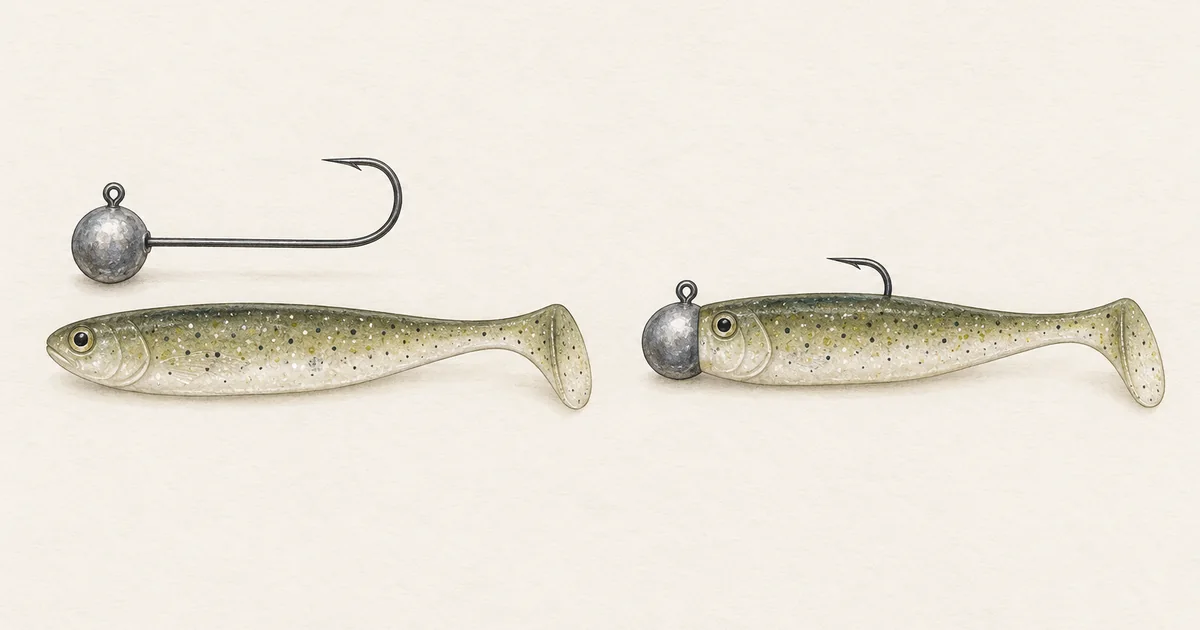
On the bottom anglers use live baits such as a baitfish, and for the fly a streamer that imitates a fish works well. For sight fishing the North Carolina authority names bucktails, that is, jigs with a tuft of hair.
- Baitfishat wrecks, reefs and buoys, mainly in spring and summer
According to the North Carolina fisheries authority, bottom fishing with live bait at reefs and wrecks is one of the usual ways to catch cobia, which eats small fish as well as crustaceans.
- Streamerwhen a fish sits at the surface and you can cast to it by sight
The North Carolina fisheries authority calls cobia a popular catch on the fly rod; in summer it often sits close enough to the surface to take a fly.
Tackle
A sea rod for baitfish on the bottom, a fly rod for the fly. Which line and reel fit is shown by the line calculator and the page on fishing line.
Natural bait at a wreck and reef
- Rod
- strong sea rod for fish of usually up to a good 20 kilograms
- Line
- Monofilament of 15 to 25 lb (about 7 to 11 kg)
- Leader
- Wire
- Hooks
- Circle hook with no offset, not stainless steel
By sight with a bucktail
- Rod
- strong spinning rod with which you can cast a heavy jig accurately at the fish
- Line
- Monofilament of 15 to 25 lb (about 7 to 11 kg)
- Leader
- Wire
More on tackle
Common mistakes
- Tearing out a deeply set hook: Cut the line as close to the hook as you can. In the Virginia study, deeply hooked cobia that were released with the hook in the throat also survived.
- Searching only at fixed structures: Cobia also follow boats, floating objects and large marine animals. So keep an eye on the whole water surface, not just buoys and wrecks.
- Fishing without a wire leader: The Texas fisheries authority recommends a wire leader ahead of the monofilament line for both natural and artificial baits.
- Grabbing the fish by the back: The free-standing dorsal spines are sharp and strong and can injure you. Handle the fish carefully and keep your hands away from its back.
- Searching the sounds in high summer: Off South Carolina the stock in the sounds drops sharply from July, and by September most of the fish are gone. Plan the trip there for May or June.
Rules
For cobia the rules of the country where you fish apply, not the German fisheries laws. Each country, and often each water, sets its own licence, closed seasons, minimum sizes and rules on keeping fish.
What the profile says: It is often mistaken for a shark or a remora, but can be recognised for certain by its seven to nine free-standing dorsal spines. Minimum sizes and catch limits are set by the US authorities.
The fisheries authority (Fischereibehörde) of the country you travel to is what counts. Ask about the current rules before the trip and read in the profile how threatened the species is.
After the catch
Playing and landing
Keep the fight as short as your tackle allows and bring the fish aboard with the landing net. Watch out for the sharp dorsal spines when handling it. If the hook sits deep, cut the line just in front of it instead of pulling it out. Then put the fish back quickly; cobia cope well with release if handled promptly and gently. The country where you fish sets the rules, the licence and what you may keep.
Before landing it, check from the separate dorsal spines that you do not have a shark on the hook. If you want to keep it in US federal waters, it must meet the minimum size and come ashore with head and fins attached. If you release it, the linked pages on landing and releasing fish will help.
Frequently asked questions
Does a released cobia survive?
Usually yes. Researchers in Virginia fitted recreationally caught cobia with satellite tags and found not a single dead fish, not even among the deeply hooked ones.
What line do you need for cobia?
The Texas fisheries authority names monofilament of 15 to 25 lb, about 7 to 11 kg, plus a wire leader.
How deep do cobia sit?
In summer often very shallow, up to 40 per cent of the time in the top metre. In winter it spends long periods at 20 metres or deeper and sits farther out at sea.
Where do you find cobia off Texas?
Under floating and fixed objects in the open Gulf, such as driftwood, buoys, oil rigs and boats. It is most common there from June to September.
How do you catch cobia in South Carolina?
Often more by the way: a fish shows at the surface and gets a bait cast straight to it. Anglers target them deliberately at buoys in the bay mouths, at wrecks and on artificial reefs.
Similar species
If you catch cobia, you can fish for these species with similar tackle:
 Amberjack fishingGood
 Fishing for great barracudaGood
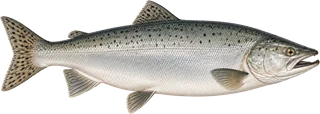 Chinook salmon fishingSlim chances
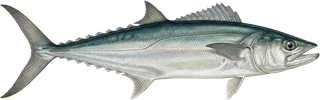 King mackerel fishingSpawning season
Sources
Status: October 2026. The practical knowledge comes from 6 sources, summarised in our own words.
View all 6 sources
- Movements, habitat utilization, and post-release survival of cobia (Rachycentron canadum) that summer in Virginia waters assessed using pop-up satellite archival tags (Animal Biotelemetry 8: 24, 2020) · Virginia Institute of Marine Science, William & Mary (Jensen und Graves)
- Cobia (Rachycentron canadum) · Texas Parks and Wildlife Department
- Cobia (Species Profile) · North Carolina Division of Marine Fisheries
- Status of the South Carolina Fisheries for Cobia (Technical Report 89, Hammond) · South Carolina Department of Natural Resources, Marine Resources Division
- Rachycentron canadum – Cobia (Discover Fishes) · Florida Museum of Natural History, University of Florida
- Fishing – Catch and Release Information (Boating and Angling Guide to the Florida Keys) · Florida Fish and Wildlife Conservation Commission, Fish and Wildlife Research Institute (mit Mote Marine Laboratory)
Text AI-assisted, based on the sources named and these pages: Cobia (profile), Sea fishing, Fly fishing, Baitfish, Streamer.