
Knowledge · Lures
Baitfish
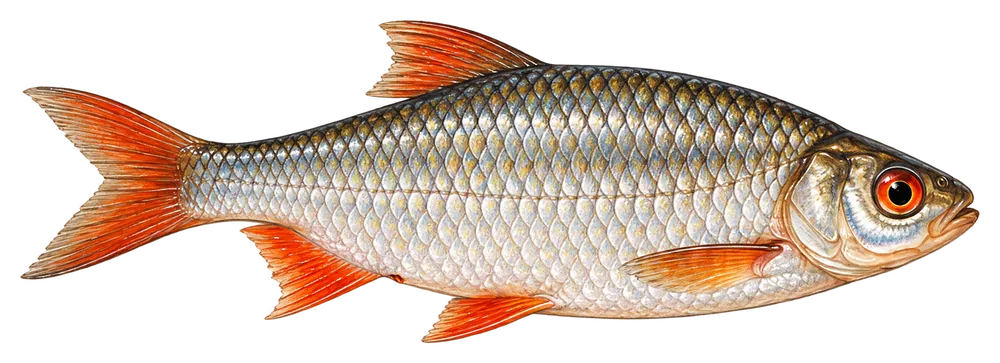
Animal natural baits · Waiting game with a float or on the bottom
Predators eat fish, and a dead bait fish or a piece of one offers them exactly that. It is used for pike, zander, eel and wels catfish, lying on the bottom, under the float or with a little buoyancy just above it. Many federal states (Bundesland) expressly ban live bait fish; the fisheries regulation of your state is what counts. For the sea there is a separate page on strips of herring and mackerel.
- Water depth
- Bottom or mid-water
- Presentation
- Stationary on the bottom or under the float, in summer twitched lightly at intervals
- Fishing method
- Waiting game with a float or on the bottom
- Category
- Animal natural baits
PikeZanderEelWels catfishSea troutBurbot / Rutte / TrüscheBrown bullhead / KatzenwelsHuchen (Danube salmon)Alpine charLake trout
How it works
A dead bait fish works through scent, silhouette and the shine of its scales. Body fluids leak out of the fish, which predators detect in the water. That is why some anglers cut the fish, remove the head or offer only a half, and why the bait is often changed.
Its weakness is the lack of movement: a fish lying motionless on the bottom is less noticeable to pike and zander. Buoyancy makes up for this. A piece of cork pushed into the fish with an artery clamp lifts it to the height of the predators and above water plants. Keep the buoyancy slight, otherwise the fish floats unnaturally.
Bait fish are mainly roach, rudd and small perch, because predators like to take prey they know from their own water. Sea fish such as herring, mackerel or sardine are an alternative, especially for pike in the cold season. According to Fisch & Fang, zander only rarely take them; for them a small roach remains the better choice.
Many federal states expressly ban live bait fish; the fisheries regulation of your state is what counts. The Animal Welfare Act (Tierschutzgesetz) threatens punishment for killing a vertebrate without good reason and for prolonged, considerable pain, and Bavaria expressly names fishing with live bait fish as a prohibited method. Even the bait fish you offer dead you stun before killing. Which species are allowed and where they may come from is regulated by state law and the water rules.
How to present the bait
Stationary on the bottom or under the float, in summer twitched lightly at intervals
Schematic illustration, AI-generated.
- cast out
- lies on the bottom or hangs from the float
- wait for the bite
- re-bait
Anatomy
The points on the picture above explain the most important parts – on hover or tap.
- Mouth and head: When you thread the bait on with a baiting needle, the hooklength comes out at the mouth, at the nape or at the side of the head. Some anglers cut off the head so that more scent escapes.
- Flank: The shiny scales are the visual attraction, a cut spreads scent.
- Back: This is where the hook sits if the fish is to hang horizontally under the float.
- Piece of fish: Strips catch fish too: one zander angler offers the back fillet of a larger roach.
Rig in three steps
- 1. Bite-proof hooklengthFor pike a hooklength of bite-proof material such as steel. Zander anglers use steel too. Bait fish rig step by step
- 2. Under the floatThe bait fish hangs just above the bottom or in mid-water, the float shows the bite. Float rig step by step
- 3. Or on the bottomA running weight on the main line, as light as possible. With a little buoyancy the fish hovers above the bottom. Running-weight rig step by step
Drawings: AI-generated, schematic.
When the target fish are in season
Hardly any chancePossibleGoodPeak seasonValues from the catch calendar.
When and where
The bait fish is a sit-and-wait bait. It lies where predators pass: at drop-offs, reed beds, water-lily fields, inflows and groynes. Zander are active under overcast skies, at dusk and at night; where silver fish are caught, they are often not far away. In winter they often stand deep. Towards the end of winter large zander move towards the spawning grounds and can be caught shallower; then sitting it out from the bank with light tackle pays off. Closed seasons (Schonzeit) and protected areas are regulated by state law.
Summer brings different rules. At water temperatures above 20 degrees pike are stressed and look for cool spots, at night and in the oxygen of the current below weirs. Then the bait fish is offered actively, twitched or drifting under the float, instead of lying motionless on the bottom. If fish have to be returned, refrain from angling in extreme heat.
Do not move fish from one water to another. The Bayerische Landesanstalt für Landwirtschaft advises against transporting sick fish, because pathogens spread. For the round goby, the Schweizer Bundesamt für Umwelt names its use as bait fish as a route of spread. The topmouth gudgeon is on the EU list of invasive species and may be neither kept nor used as bait. Because it resembles the sunbleak, you check every bait fish you catch yourself before it goes into the bucket.
At sea: strips of herring and mackerel
At sea, mackerel and herring are the usual bait fish, mostly offered as strips or fillet. Baiting, rigs and target fish differ from fresh water and therefore have a page of their own.
More: Fish strips.
How to choose species and size of fish
For zander, bait fish of about 8 to 12 centimetres are usual, for pike 15 to 20 centimetres; wels catfish also take very large fish. Zander have a comparatively small mouth, so a small fish or a piece of one is the better choice for them.
The size follows the season. The fry of roach and bleak are still tiny in early summer and grow into the prey size of zander by late summer. A zander angler then uses fish of 5 to 7 centimetres under the float, in autumn 10 to 12 centimetres again.
Large baits are less likely to hook undersized pike, small ones more often end up in the gills. A study on pike also found more deeply hooked fish with natural baits, which makes injuries and bleeding more likely.
How to keep the bait fish fresh
The gentlest way to catch bait fish is with a drop net where it is allowed, because the fish glide into the bucket without being handled. For keeping them at home a tub of about 60 litres or more is suitable, which you cover. In summer the water needs aeration, because less oxygen dissolves in warm water.
Before angling, bait fish are stunned and killed with a stab to the heart. On ice cubes they keep for two to three days. To freeze them, lay them in individually and only then fill them into a bag. Let frozen fish thaw slowly before angling so that they stay on the hook. For eel, perch and zander fresh fish usually catch better, pike also take frozen fish.
How to bait and strike
- Pass the baiting needle through Thread the dead fish on with the baiting needle instead of just hooking it. Otherwise it flies off on the cast.
- Hooklength out at the mouth When threading, the hooklength comes out at the mouth, at the nape or at the side of the head.
- Hook on the back If the fish is to hang horizontally under the float, the hook sits on the back.
- Leave the points free The hook points stay free so that they grip on the strike.
Thread the fish on with the baiting needle instead of just hooking it, otherwise it flies off on the cast. For zander a single hook works well, for pike a treble or double hook; which hooks are allowed is regulated by the water rules. The points must stay free so that they grip on the strike.
For zander little resistance counts: the lightest weight, open free spool and a light bite indicator. If you sit right next to the rod, you strike before the indicator reaches the rod. After a bite, cast the bait quickly back to the same spot, because zander often hunt in shoals.
Keep it fresh and present it
Keeping it fresh: store natural baits cool and in the shade, take only as much as necessary and do not tip leftovers into the water. When baiting up, the hook point must stay free so that the strike takes hold.
Bait fish or another bait after all?
| Baits and lures | Depth | Presentation | Take this lure if … |
|---|---|---|---|
| Bait fish | Bottom or mid-water | Stationary on the bottom or under the float, in summer twitched lightly at intervals | this page |
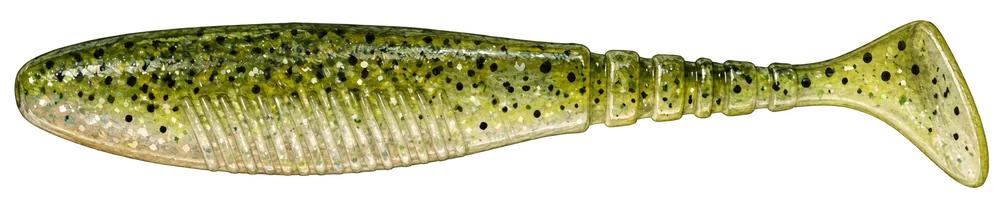 Soft plastic (shad) | Bottom to mid-water | Active: jigging with the rod or lift-and-drop with the reel, bites usually come on the drop | you want to cover ground actively and search large areas |
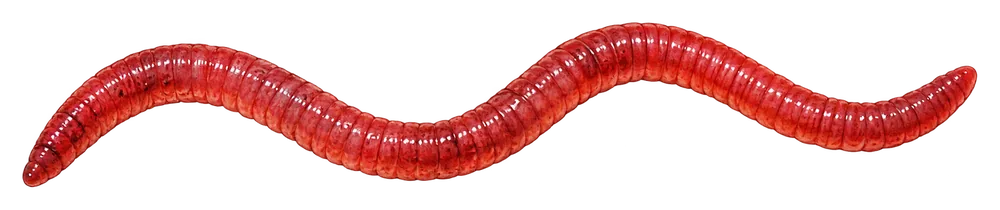 Worms | Bottom to mid-water | Resting under a float or on a bottom rig, and with a sliding float or drop shot also fished actively | eel is your target or bait fish are not allowed at the water |
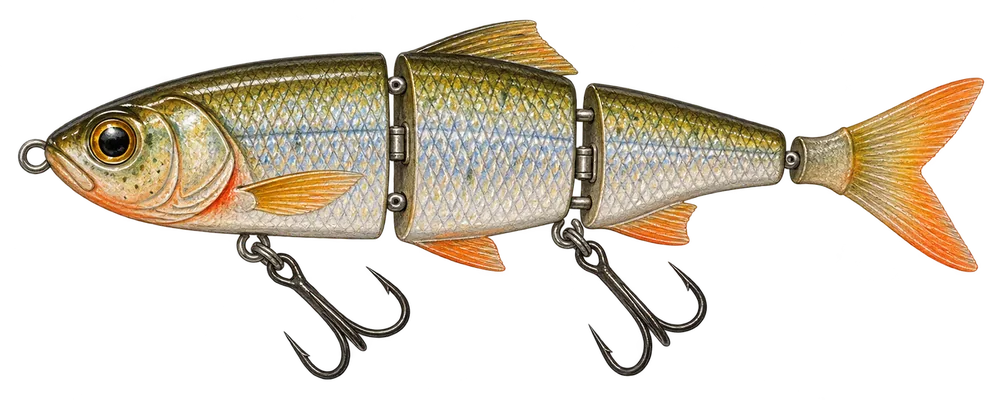 Swimbait | Mid-water | Active: retrieve steadily, with changes of pace and short pauses | you are looking for large predators with an artificial lure |
What you need
- Pike traceMade of bite-proof material such as steel, in a suitable strength. More
- Drop netFor gentle catching, as far as the water rules allow it. More
- DisgorgerRemoves deeply hooked hooks and serves as an artery clamp for the buoyancy body. More
- Cool boxKeeps bait fish fresh on ice for two to three days. More
More on the method: Float fishing, Bottom fishing, Night fishing and Ice fishing.
At a glance
Editorial assessment, not measured values.
If it does not work
Thread it on with a baiting needle instead of just hooking it, defrost frozen fish slowly and cast gently.
Use a smaller bait or a piece of fish, leave the hook points free, and choose a light weight and an open free spool.
Sit close to the rod and strike early. Natural baits are taken deeper; a disgorger helps to remove the hook.
Frequently asked questions
May I fish with live baitfish?
Not in many federal states. The basis is the Animal Welfare Act (Tierschutzgesetz) and the fisheries rules of the states; the regulation of your state is what counts, and Bavaria expressly names fishing with live bait fish as a prohibited method.
How big should the bait fish be?
For zander about 8 to 12 centimetres, for pike 15 to 20 centimetres. Zander have a small mouth; smaller fish or pieces are often better for them.
Fresh or frozen?
For eel, perch and zander fresh fish usually catch better, pike also take frozen fish. Let frozen fish thaw slowly before angling.
Whole fish or strips?
Both catch. One zander angler reports that on some days a strip catches better than a whole fish. Zander have a small mouth.
Where do I get bait fish?
From the water you are fishing, as far as the water rules and drop-net rules allow it, or from a tackle shop. You should avoid moving fish from one water to another.
Before fishing, the current permits, state rules and water rules apply: bait bans, number of hooks, closed seasons, protected species and catch limits can differ. Many federal states expressly ban live baitfish. Take bait remains and packaging away with you. All details are guide values without guarantee and do not replace legal advice.
Sources
- Bayerische Landesanstalt für Landwirtschaft: Prüfungsfragen zur Staatlichen Fischerprüfung 2023/2024
- Bayerische Landesanstalt für Landwirtschaft: Praktische und rechtliche Aspekte beim Transport lebender Fische
- Bundesministerium der Justiz: Tierschutzgesetz § 17
- Bundesministerium der Justiz: Tierschutzgesetz § 4
- Schweizer Bundesamt für Umwelt: Merkblatt invasive Grundeln
- Carleton University und IGB Berlin: Hooking Mortality in Recreational Angling for Northern Pike
- Rute & Rolle: Tipps zum Angeln mit Köderfisch
- Rute & Rolle: Der Köderfisch
- Fisch & Fang: Mit Köderfisch auf Winter-Zander
- Fisch & Fang: Fünf Köderfisch-Tipps für den Hochsommer
- Blinker: Zanderangeln mit Köderfisch
- Blinker: Köderfische, diese 4 Tipps sollte jeder kennen
- Blinker: Köderfischmontage für Hecht und Zander
- EUR-Lex: Verordnung (EU) Nr. 1143/2014 über invasive gebietsfremde Arten, Artikel 7
The sources explain terms and basic principles. Presentation and values are editorial starting points and depend on water, weather and bait.
More animal natural baits
Worms Maggots & grubs
 Crustaceans & shellfish
 Insects
 Snails
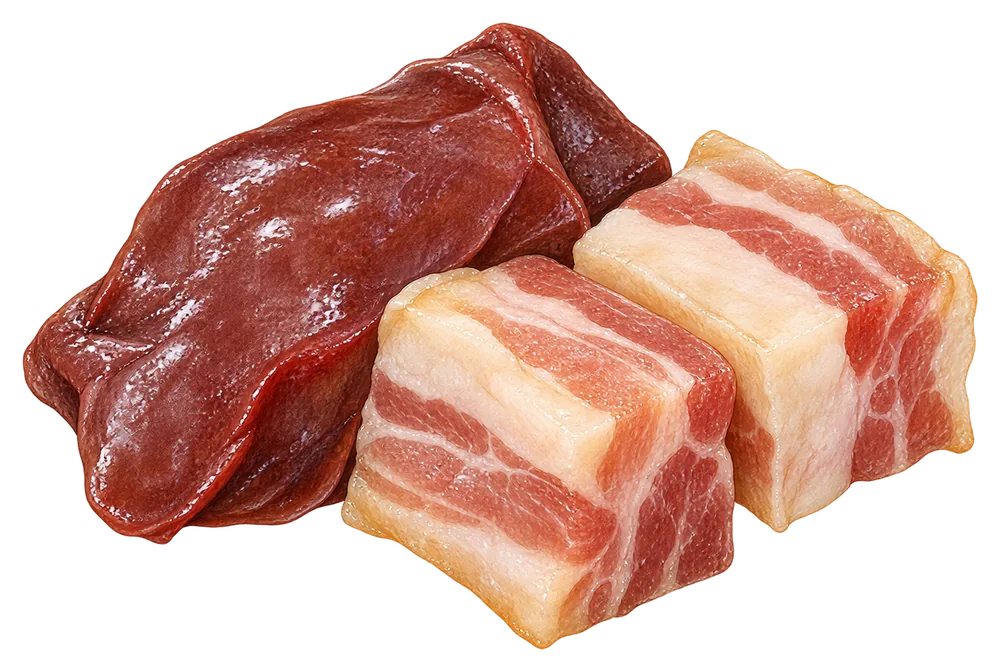 Offal & meat
 Lugworm
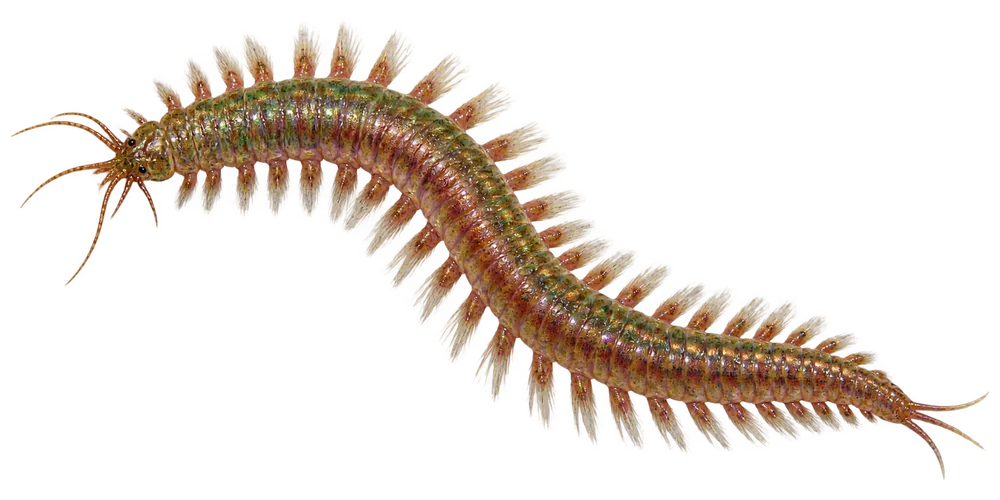 Ragworm
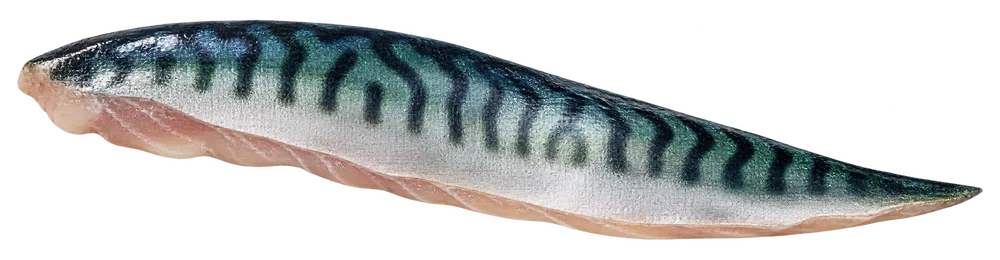 Fish strips
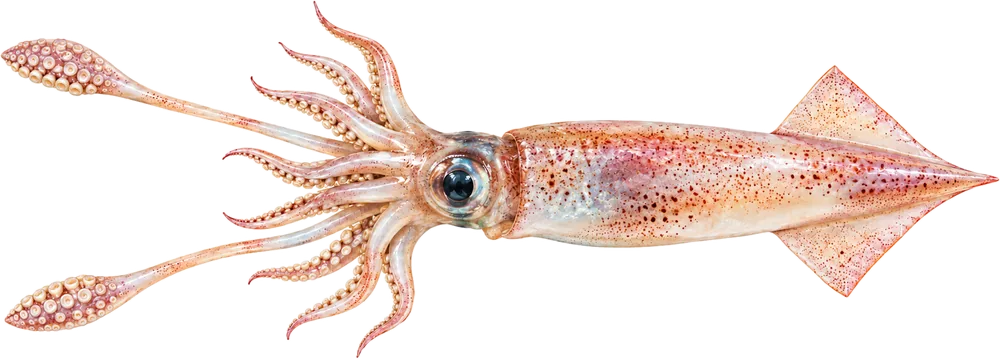 Cuttlefish & squid
Created with AI support from the sources named (AI notice). Last updated: 25 October 2026. Found a mistake? Write to us. Who is behind the site: About me.