
Knowledge · Lures
Pilker

Metal lures · Spin fishing
A pilker is a heavy metal lure that imitates a prey fish and is brought to life with up-and-down movements of the rod. You lower it to the bottom, lift it and let it flutter back down; most bites come in this sinking phase. It is regarded as a standard lure for cod, coley and other marine predators.
- Water depth
- Bottom to mid-water
- Retrieve
- Vertical: drop to the bottom, lift, let it fall; from a boat it can also be cast a long way
- Fishing method
- Spinning
- Category
- Metal lures
How a pilker works
The body of a pilker is a heavy piece of metal in the shape of a fish that sinks fast and carries a treble at the end. It works through movement and flash: you rip it off the bottom with the rod, it rises, and as it flutters back it tumbles like a wounded fish. That is when the predators usually bite.
The weight depends on depth, current and drift. In the Baltic Sea, pilking is mostly done down to about 30 metres, for which 50 to 125 grams is enough, in calm weather also 40 to 50. In Norway and off Iceland, where it is often deeper than 30 metres, 200 to 500 grams is usual, and in great depth also 800 to 1000. The rule of thumb is: as light as possible, as heavy as necessary, because heavy pilkers sink faster and play less. Practitioners on Baltic cutters, on the other hand, advise fishing too heavy rather than too light, because the fish bite only on the bottom; when drifting with the wind you take heavier pilkers than when drifting against it.
Pilkers are made of heavy, saltwater-proof metal. The swivel is important: a genuine barrel swivel prevents the line twist that a tumbling pilker would otherwise cause. Many original trebles are blunt or wrongly sized and are better replaced with needle-sharp ones; even for small lures size 1 is enough, and for a 175-gram pilker a 3/0.
How to work the lure
Vertical: drop to the bottom, lift, let it fall; from a boat it can also be cast a long way
Schematic illustration, AI-generated.
- lower to the bottom
- lift
- let it sink
- repeat
Anatomy
The points on the picture above explain the most important parts – on hover or tap.
- Eyelet: This is where the swivel with barrel sits that prevents line twist.
- Slim metal body: Sinks fast; the more curved it is, the livelier it plays and the more slowly it sinks.
- Split ring: Joins the hook to the body so it can move; it is better to replace cheap rings.
- Treble hook: Sits at the heaviest end and must be needle-sharp.
Rig in three steps
- 1. Sea traceA mono trace about 100 centimetres long (0,40 to 0,45 mm) protects the braid from abrasion and cushions the fish’s runs.
- 2. Attaching the swivelA proper barrel swivel instead of a simple clip; this keeps the line free of twist.
- 3. Optional: teasersOne or two small lures on side arms above the pilker, if permitted on the water. Side-arm rig step by step
Drawings: AI-generated, schematic.
When the target fish are in season
Hardly any chancePossibleGoodPeak seasonValues from the catch calendar.
When and where
Pilking is done from a cutter or boat. In the Baltic Sea, cod usually stay right on the bottom or at most two to three metres above it; the depths are mostly between 10 and 30 metres. Off Norway, coley, cod and halibut often hunt in mid-water. Then you do not just pilk on the bottom but search for the fish, and for that an echo sounder is practically indispensable.
Which side of the boat you take determines the presentation. On the windward side, with the wind in your face, the boat drifts away from the lure; there it is enough to let the pilker sink to the bottom. On the leeward side, with the wind at your back, you cast far out, otherwise the boat drifts over the line and chafes it through. There you have to work the lure more aggressively, otherwise it does not lift off the bottom. In calm weather and in shallow water, casting far is worthwhile because large boats scare the cod.
The halibut is a pronounced predator that eats bottom fish as well as shoaling fish such as herring. A pilker imitates such prey. According to Blinker, fish wound up from 50 metres of depth and more do not survive being released; only plan for what you can use.
Fishing for cod in the Baltic Sea is banned in 2026 (as of October 2026). If one bites on the German coast anyway, put it back at once. Before every trip, check the current fishing rules for your area.
How to choose weight, shape and treble
- Sea leader A mono leader of around 100 centimetres protects the braid from abrasion and cushions runs.
- Attach a swivel Attach a proper barrel swivel instead of a simple clip, and the line stays free of twist.
- Teasers, if allowed If it is allowed on the water, hang one or two small lures on side arms above the pilker.
On shape: flat or strongly curved pilkers play more and sink more slowly, while compact models sink faster. Fluttering pilkers with an S-shaped body suit medium depths and little drift. Teardrop and bar pilkers sink like an arrow and hardly play, so they suit great depth and strong drift. The banana pilker is regarded as a classic for little to medium drift down to about 100 metres, in weights from 75 grams to over a kilo.
The treble hook goes on the heaviest end. That is not necessarily the head with the painted eye; sometimes the tail section carries more weight. Many cod anglers put a second treble hook on the split ring, which reduces missed bites and fish lost during the fight. Over stony ground, wrecks or mussel beds, you take the treble hook off altogether.
Solo, with teasers or without a treble hook
Fished solo, the pilker tempts mainly big cod, which often ignore small soft baits. If a shoal is chasing herring or sand eels under the boat, a single pilker catches better than a trace with teasers. One or two teasers on side arms, usually red twisters or cod flies, work above all when cod are picking up crabs and worms on the bottom. Fishing with teasers is often called jigging. More than two slow the sink and spoil the action of the pilker. How many hooks are allowed on the trace is set by the state and the water.
If you get a lot of snags, a pilker without a treble hook helps; it serves only as a weight and passes its movement on to the soft baits.
How to work the pilker
Let the pilker sink on a taut line. When it touches down on the bottom, you feel a small jolt and the line goes slack. Then bring the rod briefly towards the bait, wind in the slack line and pull the rod back with a jerk; this takes one long pull or two or three short ones. Do not lift too slowly, or the bait stays on the bottom, and not too high, so that it stays within the cod’s field of view.
Watch the line as the lure sinks. If it twitches or the pilker reaches the bottom too soon, strike at once; unlike when jigging, you do not wait. Coloured braid and polarised sunglasses help you spot it. Have the disgorger and the priest ready before the first fish comes aboard.
Which colour?
Starting points to try, not rules. Depth and speed are usually more important than colour.
Pilker or another lure?
| Baits and lures | Depth | Retrieve | Take this lure if … |
|---|---|---|---|
| Pilker | Bottom to mid-water | Vertical: drop to the bottom, lift, let it fall; from a boat it can also be cast a long way | this page |
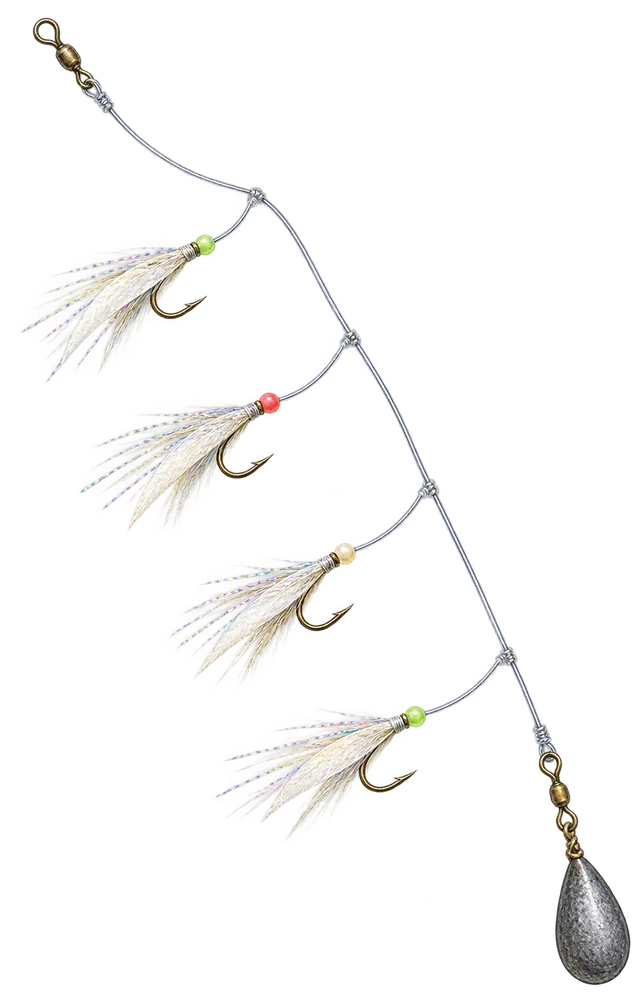 Sea paternoster | Mid-water | Cast, let it sink, keep the line taut and tug gently | you want to catch shoaling fish such as herring or mackerel with several small lures |
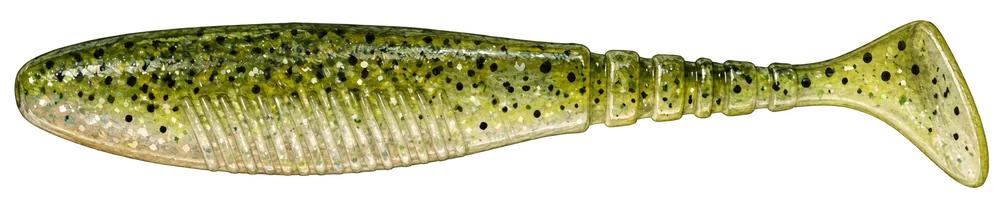 Soft plastic (shad) | Bottom to mid-water | Active: jigging with the rod or lift-and-drop with the reel, bites usually come on the drop | you want to fish more finely just above the bottom with a jig head |
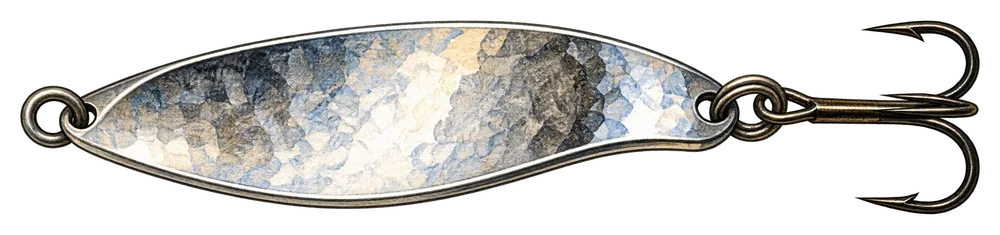 Spoon | All depths, depending on weight | Active: reel in tumbling, vary speed and stops | you want to cast from the shore and retrieve |
What you need
- Pilker rod2,40 to 3 metres long with a tip action and a casting weight of 100 to 500 grams, depending on the pilker; neither too stiff nor too soft. More on this
- Braided line0,17 to 0,25 mm, low stretch for contact at depth. More on this
- Swivels and treble hooksA proper barrel swivel, needle-sharp treble hooks and strong split rings. More on this
- Fish finderShows where the fish are, on the bottom or in mid-water. More on this
More on the method: Spinning, Pilking and Ice fishing.
At a glance
Editorial assessment, not measured values.
If it does not work
Choose a heavier pilker; in a strong drift a light one gets carried away, and drifting away from the spot needs more weight than drifting towards it.
Don’t let the jigging spoon lie on the bottom; work it just above the ground, and take the treble hook off over stony ground.
Replace blunt trebles and rusty split rings, check the knots and hang a second treble in the split ring.
Instead of a clip, use a genuine barrel swivel.
Watch the line as the lure sinks and strike at once at any jerk or if it touches down too early.
On the lee side, cast far out and work the bait more aggressively; on the windward side it is enough to let the pilker sink.
Frequently asked questions
How heavy does the pilker need to be?
Heavy enough to reach the bottom despite the depth and drift. As a guide, 50 to 125 grams for the Baltic Sea and 200 to 500 grams for Norwegian depths. In 2026, however, you may not target cod in the Baltic Sea, and a bycatch goes straight back on the German coast (as of October 2026).
What are teasers?
Small extra lures on side arms above the pilker, usually twisters or cod flies. One or two are enough. Whether they are allowed, and how many, is set by the rules of the water.
When do you use a pilker without a treble hook?
When there are many snags, for example over stones, wrecks or mussel beds. The pilker then acts only as a weight and passes its tumbling movement on to soft baits on the side arm.
Curved or straight pilker?
The more curved it is, the livelier it plays, but the more slowly it sinks. In deep water and strong drift, take a compact, barely curved model.
When do I strike when pilking?
At once, as soon as the line twitches or the pilker reaches the bottom too early. Unlike when jigging, you do not wait.
Before fishing, the current permits, state rules and water rules apply: bait bans, number of hooks, closed seasons, protected species and catch limits can differ. Many federal states expressly ban live baitfish. Take bait remains and packaging away with you. All details are guide values without guarantee and do not replace legal advice.
Sources
- Rute & Rolle: Der Pilker, Heavy-Metal-Klassiker
- Rute & Rolle: Pilkerformen von Banane bis Stab
- Rute & Rolle: Dorsch (Gadus morhua)
- Rute & Rolle: Köhler (Pollachius virens)
- Blinker: Pilker richtig montieren und präsentieren
- Blinker: Dorschangeln, Köderführung bei Drift
- Blinker: Barotrauma bei Fischen
- Fisch & Fang: Dorsche wechselweise
- Fisch & Fang: Zielfisch Dorsch, Spitzenkieker
- Fischereiverein Löningen: Gerätekunde zur Fischerprüfung
- Havforskningsinstituttet: Atlantische Kveite (Heilbutt)
- DAFV: Fangregeln Ostsee 2026
The sources explain terms and basic principles. Retrieve, colour choice and values are editorial starting points and depend on water, weather and lure.
More metal lures
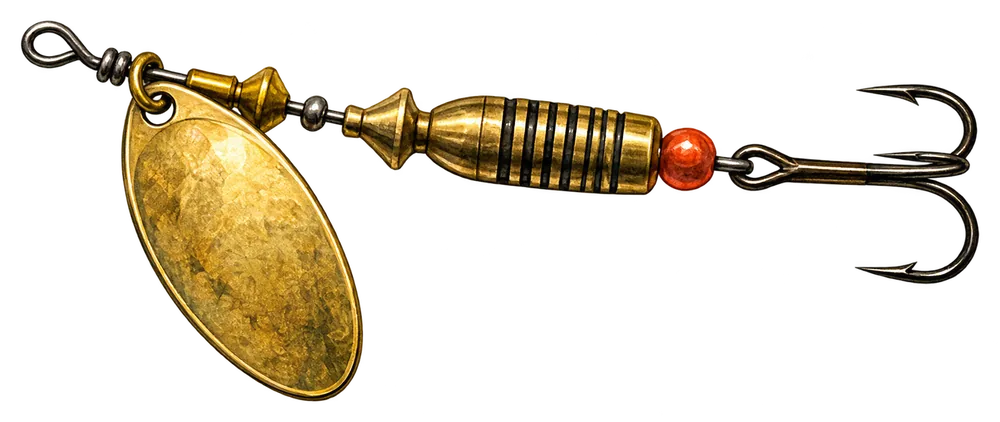 Spinner
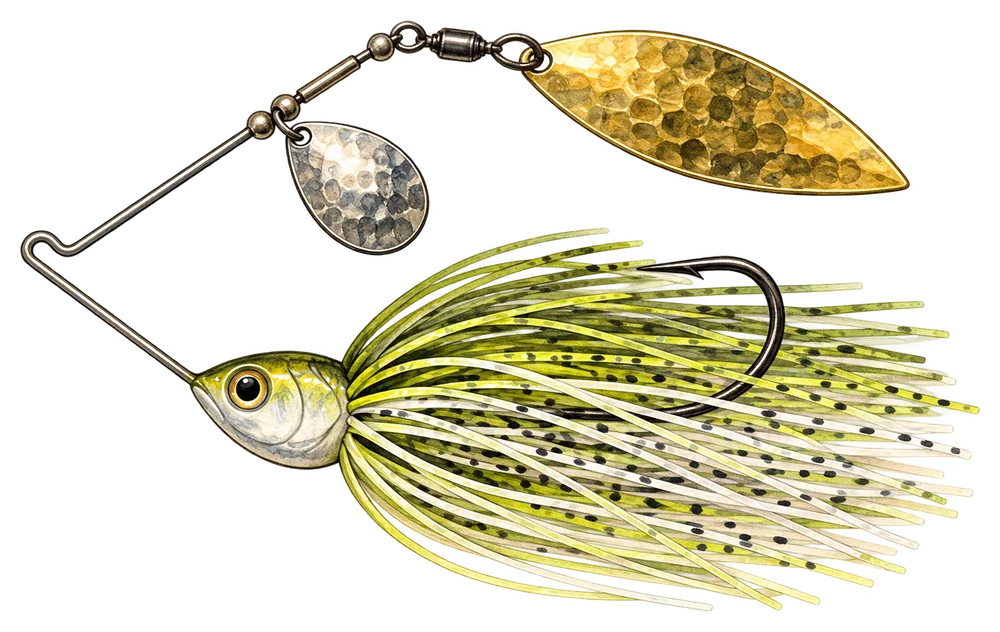 Spinnerbait
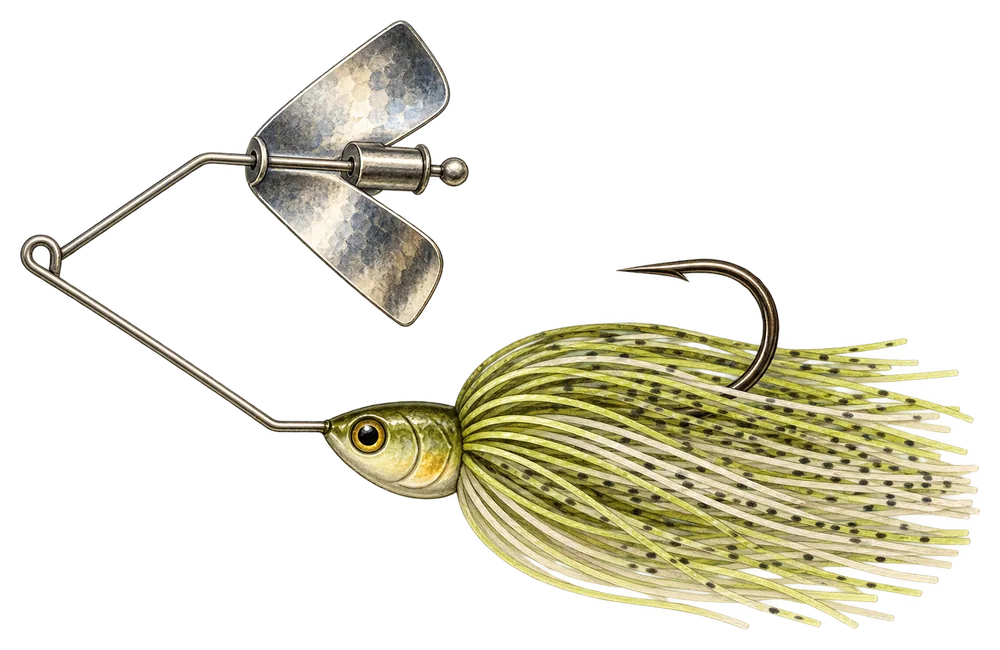 Buzzbait
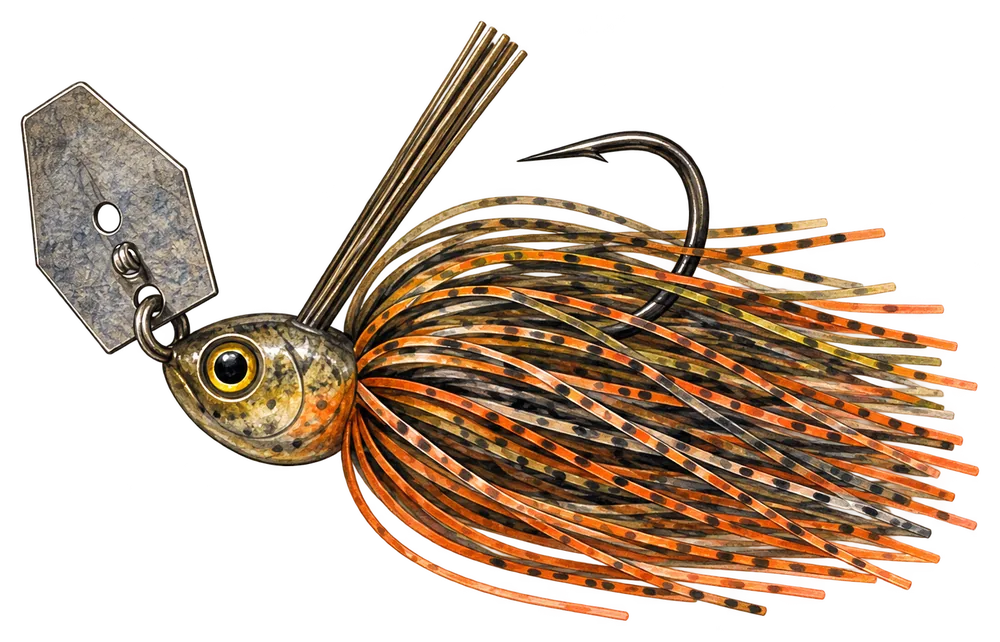 Bladed Jig
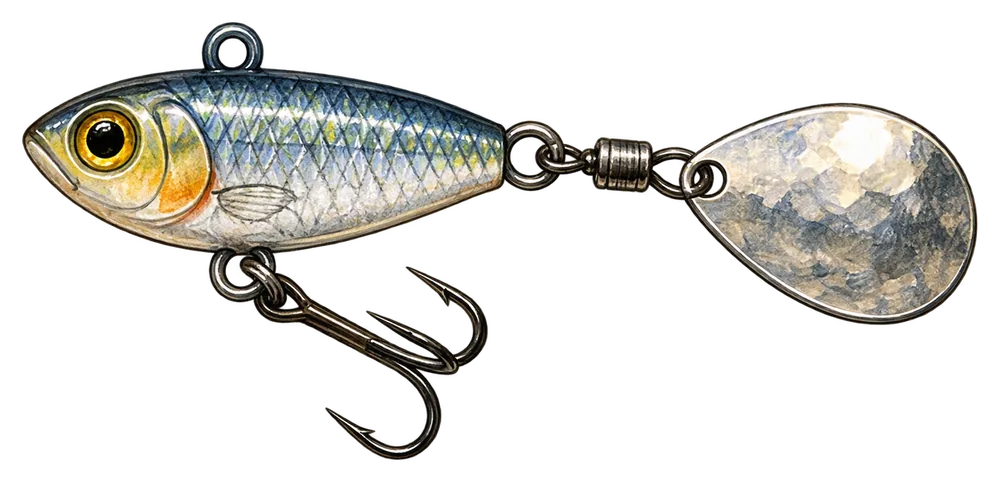 Tailspinner
Created with AI support from the sources listed (AI notice). Last updated: 31 October 2026. Found a mistake? Write to us. Who is behind the site: About me.