
Knowledge – Fish
Tench: Features, habitat, biting times and baits
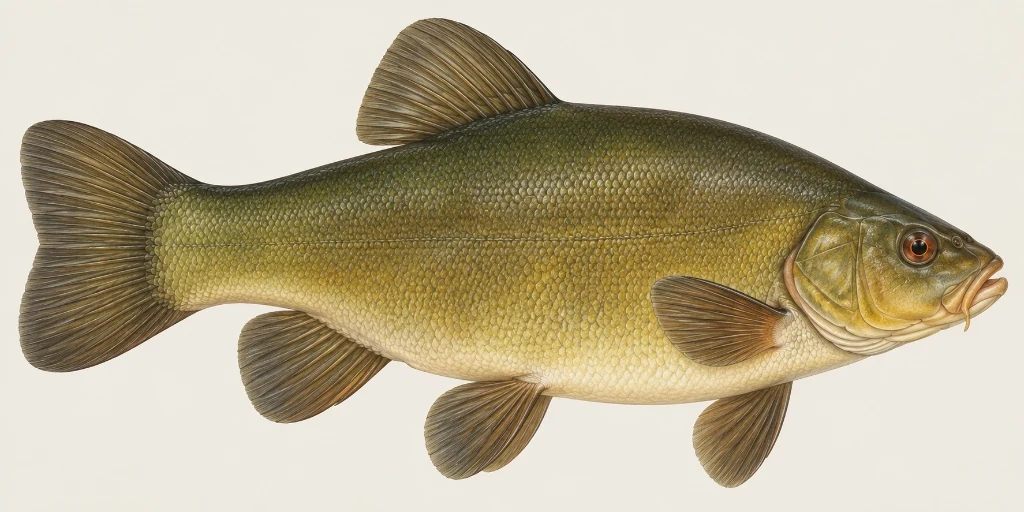
The tench (Tinca tinca) is a wary bottom feeder of weedy, muddy waters. You recognise it by its red iris and tiny scales, it feeds mainly at dusk, and it was Fish of the Year in Germany in 2007.
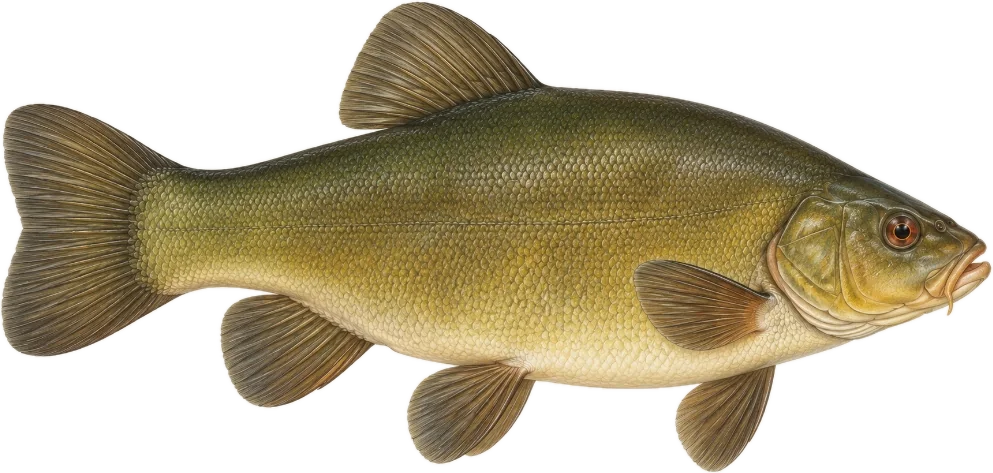
In short: You catch tench best in August, in the morning, in the evening and at night. Good spots on a lake: weed beds and the edge of the reeds; on a river: a quiet bay. Proven baits: lobworm, mussel meat, maggots or casters; also sweetcorn, paste and mini boilies. Step by step: Fishing for tench.
- Protrusible, thick-lipped mouth with two short barbels
- Deep caudal peduncle with a straight-ended tail fin
- Dark olive body with small round scales and slimy skin
Catch chances through the year
- Hardly any chance
- Possible
- Good
- Peak season
- Spawning (observe the closed season)
Editorial assessment for waters in Germany, not a measured value and no guarantee. Spawning time is not the same as the legal closed season.
Species profile and sources in the catch calendarAll species compared month by monthThe rules of your federal state
How to recognise a tench
The body is stocky and powerful, the tail stalk strikingly high and short. The fins are rounded, only the tail fin ends straight. The skin is thick and slimy, the scales are very small and sit deep. The colour ranges from olive green to almost black with a brassy sheen, the belly is yellowish. The iris glows red to orange.
The small, terminal mouth is protrusible, has thick lips and a short barbel at each corner. Males have clearly larger pelvic fins with a thickened second ray; in females they are small and pointed.
Reports on size differ. FishBase gives 20 centimetres as a common length, LFV Bayern 35 to 45 centimetres. The maximum values are put at 65 to 70 centimetres and 7,5 kilograms. In Danish waters, according to DTU Aqua, tench reach up to about 5 kilograms and at least 20 years. Where there are too many of them they stay small and are rarely heavier than 2 kilograms.
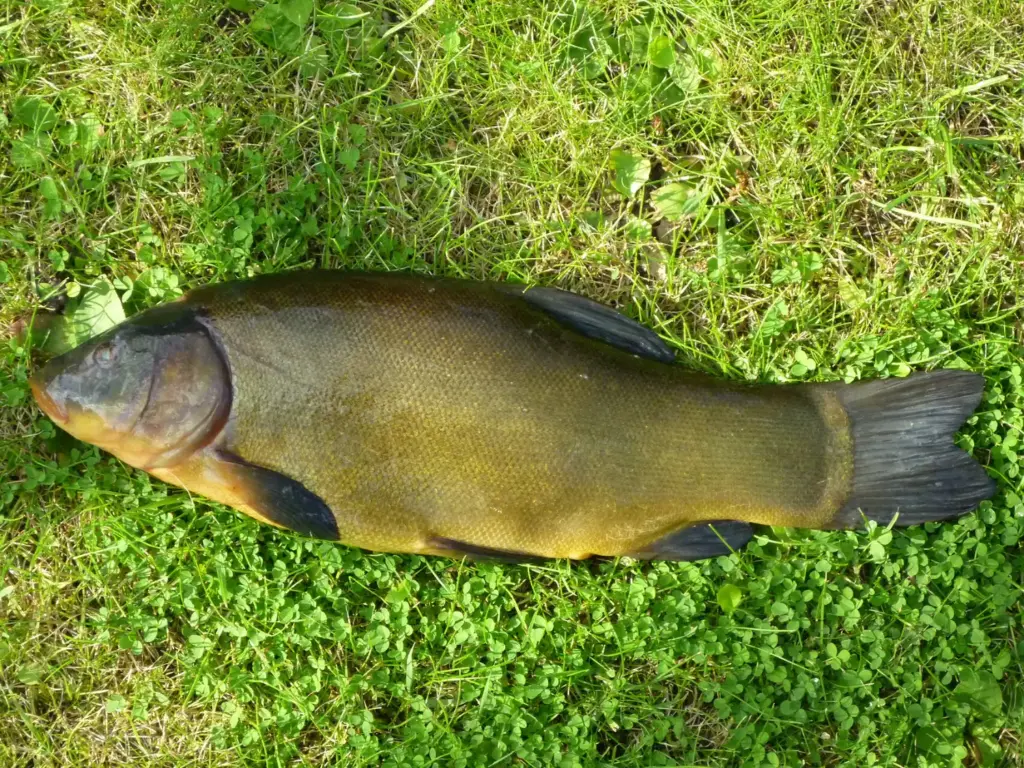
It differs from the carp by the single barbel at each corner of the mouth; the carp has two pairs. Crucian carp and Prussian carp have no barbels at all. Add the small scales and the straight tail fin. The yellow-red golden tench is a colour variety and is often kept as an ornamental fish.
Side by side

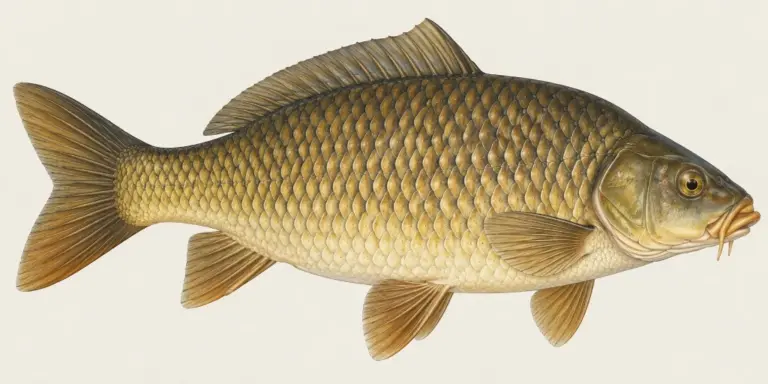
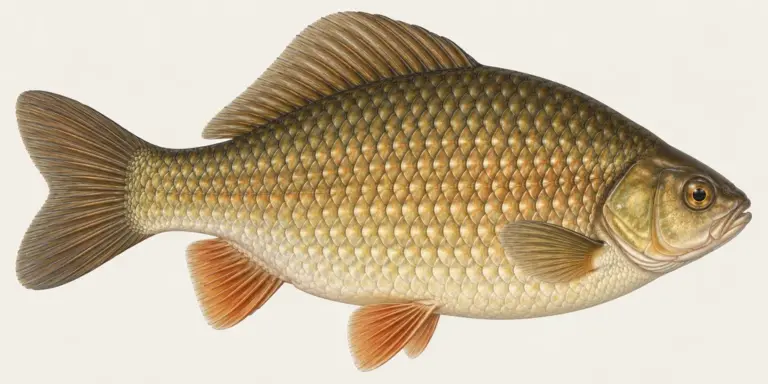
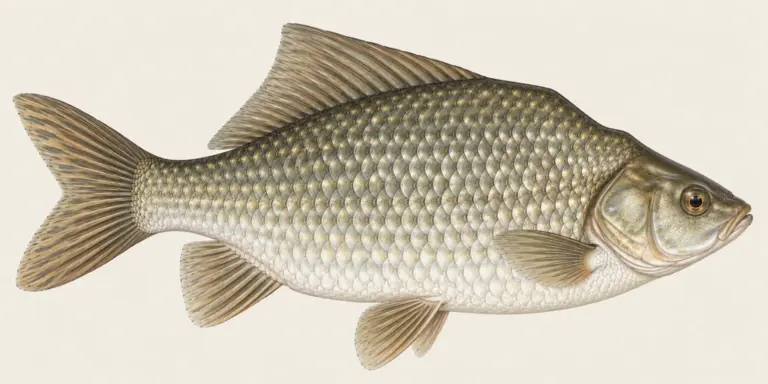
AI-generated illustrations.
Where the tench lives
The tench lives in still and slow-flowing waters: in oxbows, ponds and lakes with a muddy bottom and weed and reed zones. If the water flows faster than about a quarter of a metre per second, it disappears, according to studies by DTU Aqua. It tolerates brackish water up to 12 parts per thousand salt, but in Denmark it is rare there.
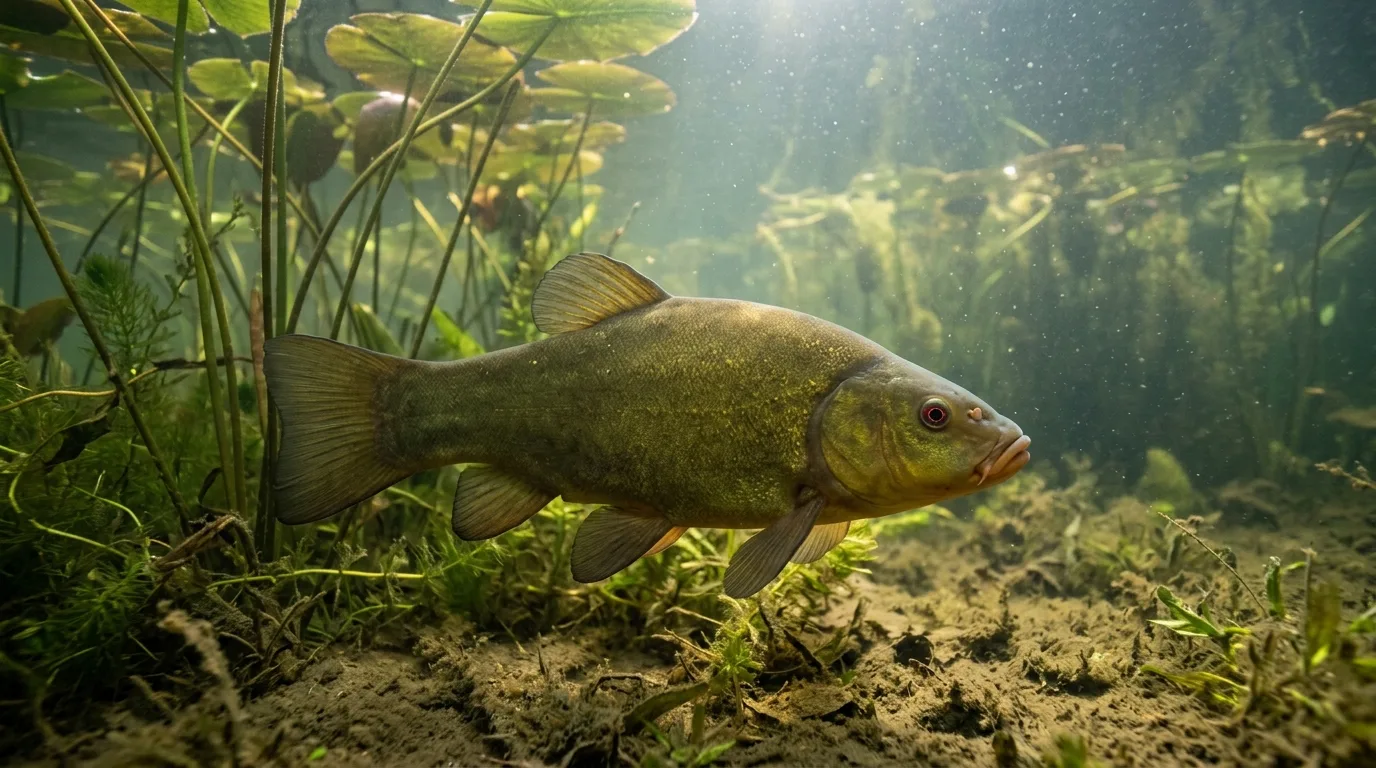
In small waters with plenty of plants, tench spread over the whole area; in larger lakes they stay in the bank zone. They usually sit on the outer edge of the reeds or along weed belts. They feel particularly at home among water lilies, water soldier, hornwort and broad-leaved pondweed. With their low oxygen demand they cope even where other fish are absent: DTU Aqua gives 0,7 milligrams per litre, less than a carp can tolerate.
The Red List of Germany (2023) lists the tench as least concern, the stock as moderately common, in the long term with a moderate decline, in the short term with a clear increase. LFV Bayern names the loss of spawning grounds and juvenile habitats as a threat.
Holding spots in the picture
Choose the season and time of day: the picture shows where the species stands then. Spots outlined in red apply only in the chosen season. Tap a fish or a spot in the list to bring it closer. The picture is schematic and AI-generated, every water is different.
Chance of a catch in springgood
Chance of a catch in summergoodSpawning, observe the closed seasons
Catch chance in autumngood
Catch chance in winterhardly any
- J
- F
- M
- A
- M
- J
- J
- A
- S
- O
- N
- D
Spawning season
Active time Tench are on the move at dusk and at night and feed most in the morning and evening. During the day they stay hidden among the water plants.
No main time Tench are on the move at dusk and at night and feed most in the morning and evening. During the day they stay hidden among the water plants.
Active time Tench are on the move at dusk and at night and feed most in the morning and evening. During the day they stay hidden among the water plants.
Active time Tench are on the move at dusk and at night and feed most in the morning and evening. During the day they stay hidden among the water plants.
In the lake
reed edge
Tench is found here all year round.
Water lilies and weed bed
Tench is found here all year round.
Deep bottom
Tench is found here only in autumn.
The tench lives on the bottom of weedy waters with a silty bed. During the day it usually holds hidden among water plants. You will find it by beds of water lilies, along the outer edge of the reeds and by weed belts.
Spring: catch chances according to the catch calendar possible in March, good in April and May. In spring tench feed in shallow bays with emerging weed, at the mouths of small ditches and at reed edges. If the wind pushes warm surface water into a shallow bay, you can expect them there from midday.
Summer: catch chances according to the catch calendar good in June and July, peak season in August. Spawning falls in this period, so observe closed seasons. In summer tench feed in the densest weed. Natural gaps in the weed and the edge of water-lily fields are promising. On warm rainy days they also bite all day.
Autumn: catch chances according to the catch calendar good in September and October, hardly any in November. As temperatures fall, tench feed more heavily once more. Then the deepest spots of the water are sometimes worth fishing, and in an Indian summer also dying weed beds and reed edges.
Winter: catch chances according to the catch calendar hardly any. Tench spend the winter buried in the mud.
In the river
Calm bay with aquatic plants
Tench is found here all year round.
In a river the tench lives in slow-flowing stretches and backwaters with a silty bottom and dense plant growth.
Spring: chance of a catch according to the catch calendar possible in March, good in April and May.
Summer: catch chances according to the catch calendar are good in June and July, with August the peak season. The spawning season falls in this period, so observe the closed seasons.
Autumn: chance of a catch according to the catch calendar good in September and October, slim in November.
Winter: catch chances according to the catch calendar hardly any. Tench spend the winter buried in the mud.
Size comparison: AI-generated drawing, schematic.
How it lives and spawns
Young fish eat algae and zooplankton. Larger tench take insect larvae, worms, snails, mussels, water lice, plants and dead organic matter; adults, according to FishBase, mainly molluscs. When they root about in the bottom, small gas bubbles rise.
During the day tench stay hidden among plants; at dusk they root through the bottom. They swim in small groups, often two to five fish. In very cloudy lakes they are also active by day, above all in muggy, oppressive weather.
Males spawn for the first time at two to three years, females at three to four. Spawning takes place in several batches over weeks, in Denmark from the end of May to the beginning of July. Anglers report that it starts at 18 to 20 degrees and in cold summers drags on into July or August. The sticky eggs attach to plants; a female of about 500 grams carries around 300.000. Below 8 degrees tench feed much less, and they spend the winter buried in the mud.
When it bites
The tench season begins with the first days of spring. If the sun shines and a light wind pushes warm surface water into a shallow bay, you can expect tench there from midday into the early evening. Without night frosts they feed after warm days late into the night and long before sunrise. Feeding grounds lie in shallow bays with new weed, at the mouths of small meadow ditches and along the edge of the reeds.
In summer the weed and water lilies close in. Tench then often sit in the thickest cover; natural gaps in the weed and the edge of the lily pads are the best spots. Most are caught at dawn and dusk, on warm, overcast, rainy days often all day. In autumn they feed hard once more, and anglers report heavy fish in the deepest places. In winter a catch is, according to DTU Aqua, the exception.
Today’s catch index needs JavaScript. Season and spawning time are in the catch calendar.
You will find the monthly overview of all species and the water temperature check in the catch calendar.
From the blog: More bites from the bank: what I adjust, from swim to hook · Freshwater fish in Germany: which species you catch where
What to catch it with
Step by step: Fishing for tench: tips on bait, rig and tackle – season, lies, baits, tackle and rules on one page.
Almost everything begins with the float (Float fishing, Float rig). Because tench nibble at the bait for a long time, transparent floats and shot bulked right up to the float help in shallow, clear water. With a fat lobworm and a tiny pilot bead as a bite indicator you can even fish without any weight at all.
Fine quiver or swing tips with a light bottom weight hanging in a running tube are considered surprisingly effective (Bottom fishing, Running lead rig). That lets you offer small baits, but you must strike at once. The supposedly so wary tench then gives surprisingly hard bites. Where it feeds at night, night fishing is also worthwhile.
A bunch of small dung worms on a short-shanked size 10 hook has proved its worth; in waters with big tench, a fat lobworm brings fewer bites from small fish. Move the worm slightly now and then. In summer maggots also catch, if there are not too many silver fish. Tench like water snails (Snails); one native species is even called the tench snail. When fishing for carp, boilies also catch tench, then with a clearly longer hooklength than for carp fishing. How to land and unhook fish is covered in Landing and unhooking.
Move the bait now and then: Gently inching the worm sometimes triggers the bite. It also stops the worm from burrowing into the mud.
Watch for gas bubbles: Rising gas bubbles give away tench rooting through the bottom. On mild summer evenings they sometimes roll at the surface.
Clear weed only where it is allowed: In high summer small cleared swims in the weed help. This is not allowed everywhere, so ask the water manager first.
Suitable lures
Dung worm, mussel meat, maggots or casters; also sweetcorn, paste and mini boilies.
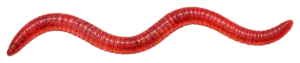
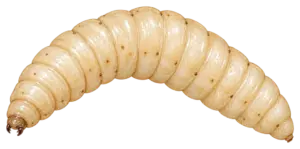
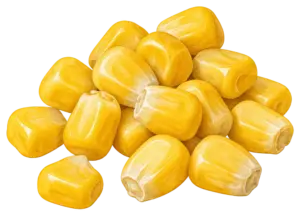
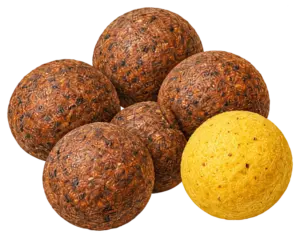
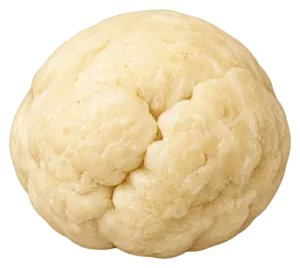
AI-generated illustrations. A click opens the lure’s page.
Rigs for these baits: Waggler rig, Hair rig, Float rig, Running lead rig.
What to do with a tench
FishBase calls the flesh highly valued; tench are fried, grilled or baked. The skin is thick and slimy, the scales are small and sit deep. How to deal with this is covered in Scaling and skinning, plus Gutting and Filleting. For keeping the fish, read Storing and hygiene.
What you need to observe
Whether a closed season (Schonzeit) or minimum size (Mindestmaß) applies to tench in your water is regulated by the federal states (Bundesland). We give figures only with date and source; the fisheries regulation of your federal state and your fishing permit (Erlaubnisschein) are always what counts. You will find a list of links to the official sources in the Catch calendar.
A vertebrate may only be killed under effective stunning or, where that is reasonable, avoiding pain (§ 4 Tierschutzgesetz). Anyone who kills one without good reason is liable to punishment (§ 17). How to do this with a fish is covered in Stunning and killing.
Protected, undersized or, within a slot limit, oversized tench you return gently with wet hands (Returning fish). Returning fish sits in tension with animal welfare law and is permitted only in line with the management aim and the law of your federal state. The IUCN rates the tench as least concern, the Red List of Germany of 2023 as not threatened.
What closed season, minimum size and harvest slot mean and where to find them is explained on the page Closed season and minimum size explained.
What state law says about the closed season and minimum size for this species is in the „Auf einen Blick“ box on the state pages for Baden-Württemberg, Bavaria, Berlin, Brandenburg, Hamburg, Hesse, Mecklenburg-Western Pomerania, North Rhine-Westphalia, Rhineland-Palatinate, Saarland, Saxony, Saxony-Anhalt, Schleswig-Holstein and Thuringia. For the other states our overview does not list this species; there the state fisheries regulation (Landesfischereiverordnung) applies.
Frequently asked questions (FAQ)
When do tench bite best?
Most likely at dawn and dusk. In spring you can expect bites from midday into the early evening in sun-warmed, shallow bays; on warm, overcast, rainy days in summer all day too. In autumn tench feed hard once more.
Why does the tench only nibble at the bait?
It is wary and takes food hesitantly. Transparent floats, shot bulked right up to the float, or a swing tip with a light running lead help. With the tip rig you strike at once.
How do I tell a tench from a carp?
The tench has only one short barbel at each corner of the mouth, tiny scales, a red iris and a straight tail fin. The carp has two pairs of barbels, large scales and a deeply forked tail fin.
Sources
The rating of catch chances is an editorial assessment. The facts come from these sources, and the text is worded in our own words. The illustration is an original design by Angel Momente in the style of a natural history plate (AI-generated, see the AI notice).
- Landesfischereiverband Bayern: Fischlexikon (Laichzeit, Lebensraum, Nahrung, Aktivität)
- Blinker: Steckbrief Schleie (Jahreszeiten, Laichzeit, Köder)
- Wikipedia: Schleie (Temperaturbereich, Laichbereitschaft)
- LAWA-Projekt O 10.20 (Leibniz-IGB, 2021): Temperaturempfindlichkeiten der Fischgemeinschaften
- FishBase: Tinca tinca (Größe, Überwinterung im Schlamm)
- DTU Aqua: Fiskebiologi, Suder (Tinca tinca)
- Rote-Liste-Zentrum: Schleie (Rote Liste der Süßwasserfische Deutschlands 2023: ungefährdet)
- Deutscher Angelfischerverband: Fisch des Jahres (Liste der Jahresfische)
- Tierschutzgesetz § 4: Töten von Tieren
- Tierschutzgesetz § 17: Straftaten
- BMLUK Österreich: Die Schleie ist Fisch des Jahres 2024 (dämmerungs- und nachtaktiv)
Created with AI support from the sources listed. Figures only appear in the text if a source gives them. Last updated: 7 November 2026. Found a mistake? Write to us. Who is behind this site: About me.
More in the lexicon
- All fish species at a glance
- Catch calendar – month, water temperature and profile for 93 species
- Line calculator – breaking strain after the knot, drag guideline, backing
- Angling methods