
Knowledge · Lures
Pintail (No-Action-Shad)

Soft baits · Spin fishing
A pintail is a slim soft plastic lure with a tapering needle tail. It is one of the no-action shads and hardly moves when simply reeled in. Even a slight bob of the rod tip is passed on to the tail, though. That makes it a lure for drop-shot, jig and offset hook, above all for perch and zander.
- Water depth
- Bottom
- Retrieve
- Active: short twitches, pauses and sinking, also on the drop shot
- Fishing method
- Spinning
- Category
- Soft baits
How it works
Instead of a paddle tail, no-action shads have a narrow needle tail that hardly moves when reeled in. The stimulus comes from the way you work them. Even a bob of the rod tip passes on to the thin tail, and more active retrieves send a wave through the whole lure.
On a jig head, the parachute effect of a paddle tail is missing, so a pintail can be worked more jerkily than an action shad. That helps in summer, when perch can only be persuaded to bite by the lure’s darts. On a dart jig head with a triangular shape, it veers off alternately left and right as it sinks.
Not every pintail is the same. The rubber compound ranges from hard to super soft: soft lures have more play and fold more easily, hard ones stand up better to perch nipping at them. Slim models slide up the offset hook well and convert bites better, bulkier ones glide better, sit calmer in the water and cast further.
Details count too. A thickening at the tail end makes the needle wiggle better, a slit on the underside helps the offset hook come out. Ribbing increases the surface and gives cautious fish a hold in the mouth. Salt in the compound makes the lure heavier and moves the centre of gravity downwards.
How to work the lure
Active: short twitches, pauses and sinking, also on the drop shot
Schematic illustration, AI-generated.
- Cast
- sink to the bottom
- lift and let fall
- reel in
Anatomy
The points on the picture above explain the most important parts – on hover or tap.
- Head: Sits on the jig head or the drop-shot hook.
- Slim body: Little resistance in the water; it sinks quickly and straight, and slim models free the offset hook well.
- Needle tail: Quivers at the slightest movement of the line; a thickening at the end makes it wiggle better.
Rig in three steps
- 1. Tie on the hooklengthFluorocarbon for perch and zander. Where pike are present, a bite-proof steel or titanium leader belongs in front of it.
- 2. Drop-shotThe hook sits at a distance above the weight; the lure stands off the bottom and plays with every bob. Drop-shot rig step by step
- 3. Or on a light jig headA short hook so the lure stays mobile; for short twitches above the bottom. Jig-head rig step by step
Drawings: AI-generated, schematic.
When the target fish are in season
Hardly any chancePossibleGoodPeak seasonValues from the catch calendar.
When and where
Pintails are more versatile than their calm action suggests: on a jig, drop-shot, Ned rig, as a soft jerk on an offset hook, or on the Texas and Carolina rig over mussel and gravel beds and through weed. As a soft jerk they are an alternative to the twitchbait and get through reeds, water lilies and tall weed better than a hard bait with trebles.
On lakes, a zander angler catches almost only on no-action shads in winter, worked very slowly and close to the bottom; the bites are often barely felt. Sometimes only leaving the lure lying or dragging it across the bottom triggers the bite. In current, on the other hand, the lure’s own movement counts, and a paddle tail moves even when you do not twitch.
When actively jigging from the bank in calm water, some anglers advise against needle and fork tails because they do not brake. In current, by contrast, they work no-action shads successfully with short, quick impulses. On the Ned rig, a floating pintail stands upright on the bottom; an undercurrent or a gentle bob is enough as movement.
The same shape, seven rigs
On the jig head it runs jerkily, on the dart head it breaks out sideways. On the drop-shot it stands above the bottom and reacts to every bob of the rod tip, as if an unsuspecting fish were hovering on the spot. On the Texas and Carolina rig you bring fish out of weed or off mussel beds; on the Carolina rig you can fish more aggressively.
As a soft jerk on an offset hook, you work it just under the surface; on the Ned rig it stands on the bottom. Vertically from the boat, Dutch professionals prefer to fish no-action and low-action shads.
How to choose head, hook and extra treble
- Choose a short jig hook Take a jig head with a short hook so the pintail stays mobile.
- A round head keeps it level A round head keeps the lure level. For vertical jigging, short-shank hooks from 1/0 to 4/0 are the right choice.
- Stinger at the base of the tail Where an extra treble is allowed, it sits at the base of the tail and has only one point in the soft plastic.
One angler fishes no-action shads of around 12 centimetres on lakes. For vertical jigging, short-shank jig hooks from 1/0 to 4/0 are the right choice; a round head keeps the lure level. Short shanks leave the lure mobile.
With cautious zander, this angler uses an extra treble (stinger) even on 12-centimetre lures, because only the tail gets grabbed. It usually sits at the base of the tail and has only one point in the soft plastic. Whether extra hooks are allowed is regulated by the federal state (Bundesland), the water rules (Gewässerordnung) and the fishing permit (Erlaubnisschein); single hooks are regarded as kinder to fish.
How to bring a pintail to life
Twitch with short impulses and leave the lure pauses. How high it jumps depends on how active the fish are; vary the height and give it a pause above the bottom after every lift. With sluggish fish, simply leaving it lying on the bottom is often enough.
Which colour?
Starting points to try, not rules. Depth and speed are usually more important than colour.
Pintail (no-action shad), or another lure?
| Baits and lures | Depth | Retrieve | Take this lure if … |
|---|---|---|---|
| Pintail (no-action shad) | Bottom | Active: short twitches, pauses and sinking, also on the drop shot | this page |
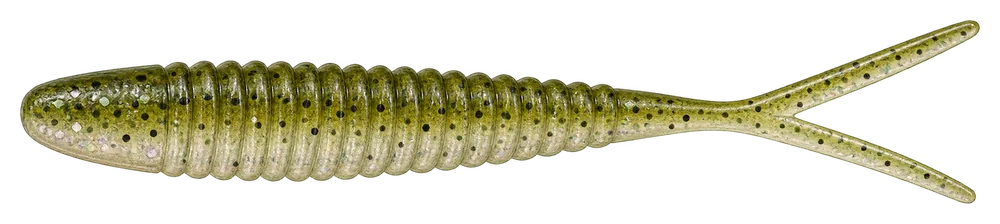 V-tail | Bottom to mid-water | Active: lift slowly, hold it steady near the bottom and let it sink again | you fish quietly near the bottom in winter and prefer a forked tail |
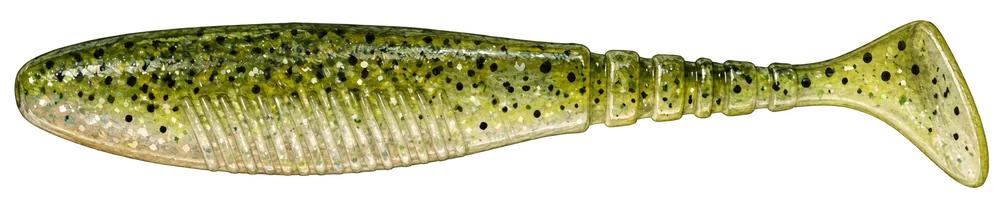 Soft plastic (shad) | Bottom to mid-water | Active: jigging with the rod or lift-and-drop with the reel, bites usually come on the drop | the fish are active or hold in current and need strong pressure waves |
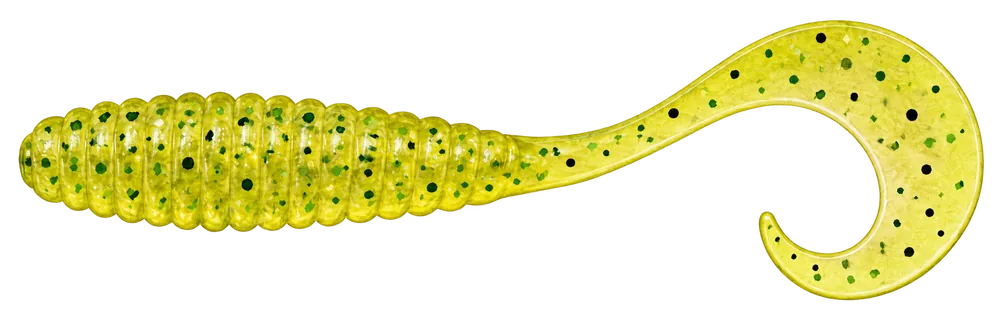 Twister | Bottom to mid-water | Active: reel in steadily or jig, with long sinking phases for sluggish fish | you want to reel in briskly and have the tail flutter by itself |
What you need
- Light spinning rodA sensitive tip for small twitches and delicate bites; for vertical jigging, stiff, fast and short. More
- LineBraided main line for direct contact, with fluorocarbon in front. More
- Jig headsRound and dart heads give the lure different movement, and short hook shanks keep it mobile. More
- Drop-shot rigThe weight hangs at the bottom, the hook above it; that way the pintail plays on the spot. More
More on the method: spin fishing and ultralight fishing.
At a glance
Editorial assessment, not measured values.
If it does not work
Twitch briefly and leave pauses. On the dart jig head it breaks out sideways, and in summer you work it more jerkily than an action shad.
Wary zander often grab only the tail. Where allowed, an extra treble at the base of the tail helps; soft, ribbed, flavoured baits stay in the mouth longer.
Fit an offset hook and hide the point in the plastic. Slim models rise well and convert bites better.
Frequently asked questions
What does no-action mean?
The lure hardly moves on its own when simply reeled in. The action comes from your twitches and from the sink; even a bob of the rod tip is enough.
When do I use a pintail instead of a soft plastic shad?
When the lure is meant to play almost on the spot, for example on a drop-shot or Ned rig, or when cautious zander in lakes want slow lures. In current, a paddle tail often catches better.
Will a pintail on an offset hook get through weed?
Yes. With the hook point hidden, you can get through reeds, water lilies and weed, better than with a hard bait with trebles. Slim pintails slide up the hook well.
How soft should the rubber compound be?
Soft compounds have more play and fold easily, hard ones stand up better to perch nipping at them. For cautious fish, choose soft ones; for shoals of nipping perch, firmer models.
How high should I let it jump when vertical jigging?
That depends on how active the fish are. Vary the jump height and give the lure a pause above the bottom after every lift.
Before fishing, the current permits, state rules and water rules apply: bait bans, number of hooks, closed seasons, protected species and catch limits can differ. Many federal states expressly ban live baitfish. Take bait remains and packaging away with you. All details are guide values without guarantee and do not replace legal advice.
Sources
- Blinker: Pintail, das Multitool für Barschangler
- Blinker: Zanderangeln, Wackelschwanz oder Gabelschwanz
- Blinker: Jiggen, diese 10 Fehler sollte man vermeiden
- Fisch & Fang: Zielfisch Zander, Einmaleins des Vertikalangelns
- Rute & Rolle: So vermeidest du Fehlbisse
- Bayerische Landesanstalt für Landwirtschaft: Prüfungsfragen Staatliche Fischerprüfung 2023/2024
- Fischereiverein Löningen: Gerätekunde
The sources explain terms and basic principles. Retrieve, colour choice and values are editorial starting points and depend on water, weather and lure.
More soft baits
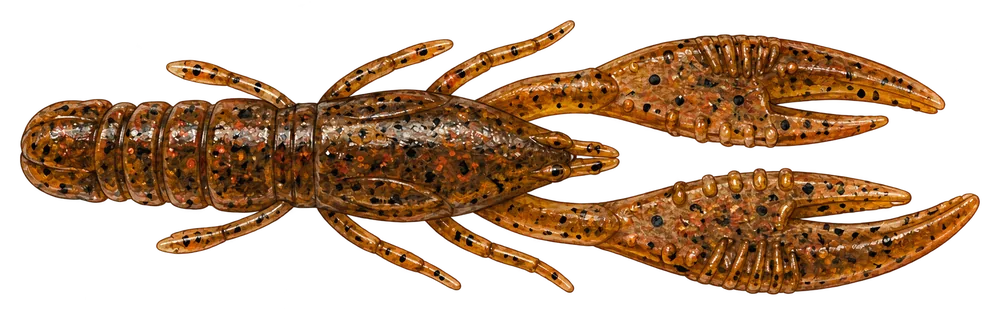 Soft-plastic crayfish
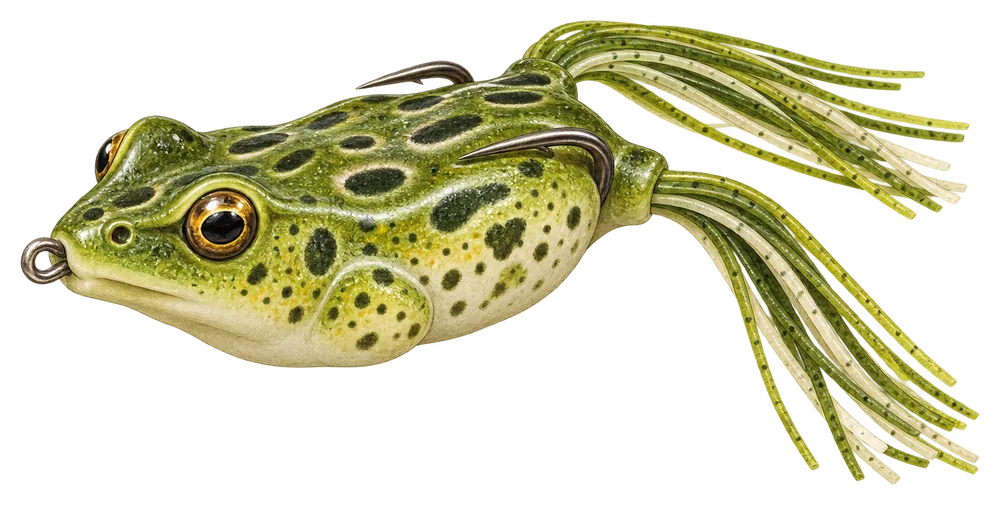 Soft-plastic frog
 Soft-plastic worm
Created with AI support from the sources named (AI notice). Last updated: 25 October 2026. Found a mistake? Write to us. Who is behind the site: About me.