
Knowledge · Lures
Soft baits: soft plastics and co.
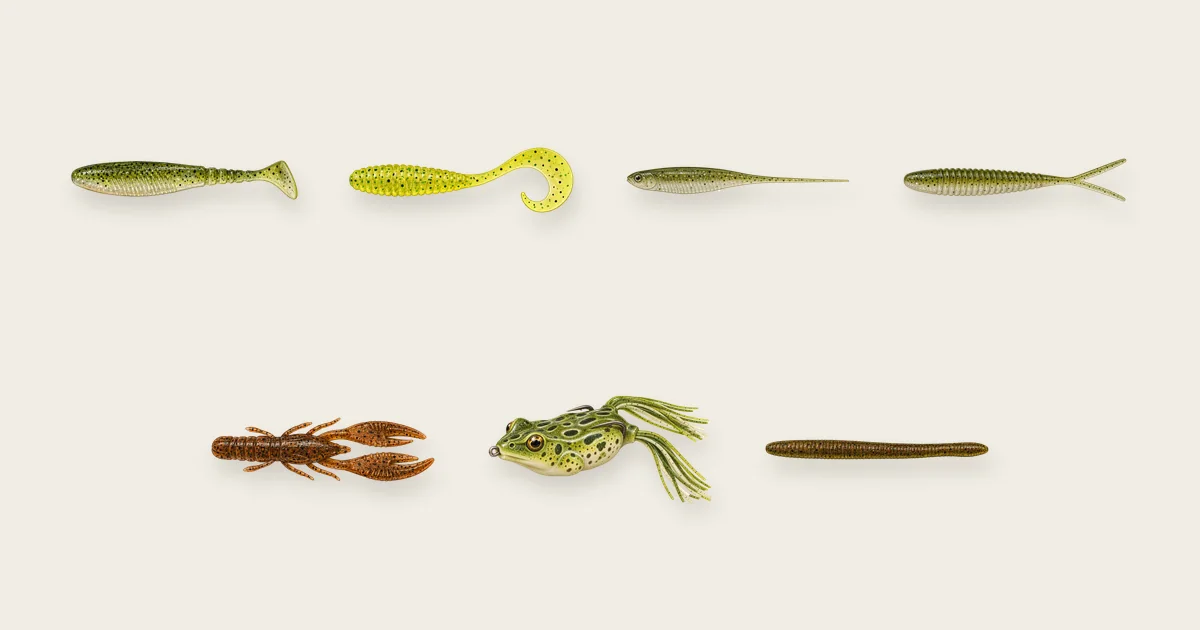
Softbaits are soft artificial lures made of various plastics. They imitate fish, worms, crayfish or other prey and can be fished on a jig head or on special rigs. For perch, zander and pike, the combination of lure shape, weighting and retrieve decides how the lure works in the water. A paddle tail produces pressure waves, a twister tail flutters. When jigging, many bites come while the lure sinks after a hop to the bottom; keep the line taut as you do so.
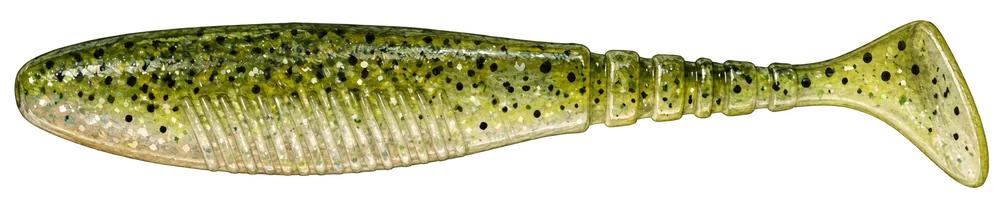 Soft plastic (shad)Active: jigging with the rod or “faulenzen” with the reel, bites usually come on the sinkBottom
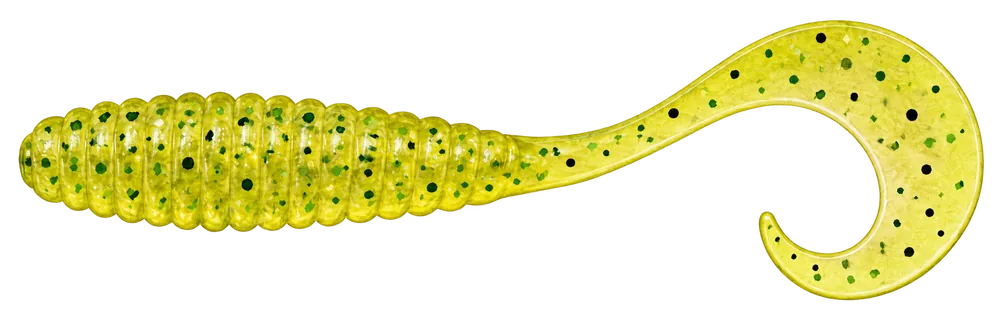 TwisterActive: wind steadily or jig, with long sink phases for inactive fishBottom
 Pintail (no-action shad)Active: short twitches, pauses and sinking, on a drop-shot tooBottom
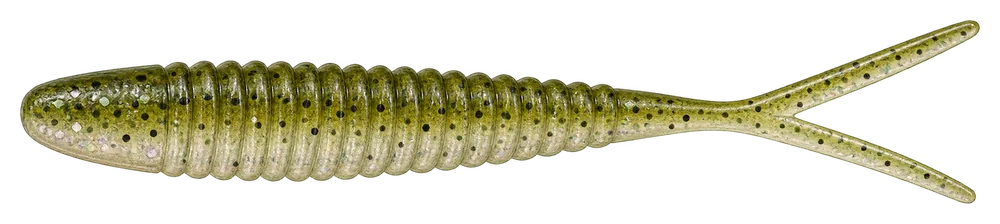 V-tailActive: lift slowly, hold calmly above the bottom and let it sink againBottom
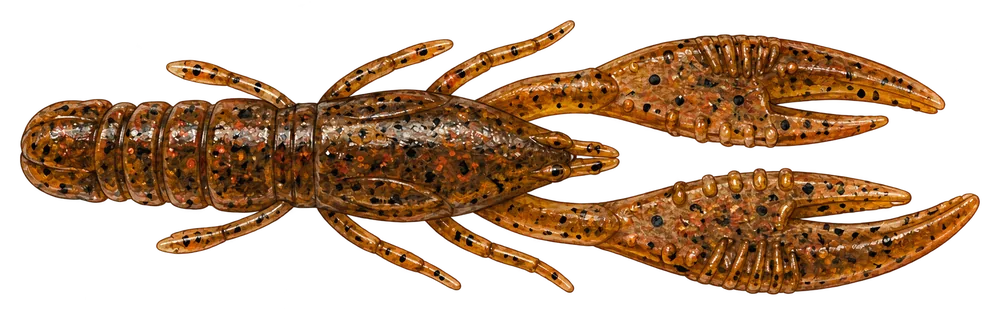 Soft plastic crayfishActive: in small hops along the bottom, with long pauses in betweenSurface
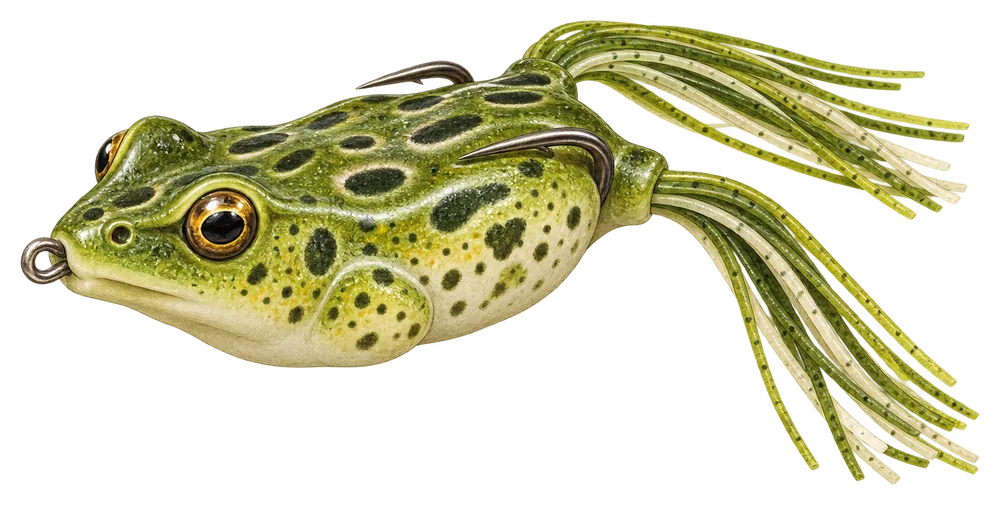 Soft plastic frogActive: in short pulls with pauses over weed and water liliesBottom
 SoftwormActive: drag slowly along the bottom, shake it and let it lie
AI-generated illustrations. A click opens the lure’s page.
Named in the fish profiles for: pike, zander, perch, wels catfish, huchen, rainbow trout, cod, monkfish, coley, pollack, halibut, flounder, whiting, haddock, brill, horse mackerel, sea bass
A good start
A paddle-tail soft plastic shad on a suitable jig head is a manageable way in. Mount it straight, check how it runs near the bank and use only as much weight as you need for controlled contact and the depth you want. If a pike may take it, a bite-proof leader is essential.
Tips for the water
| Use | Baits and lures | What to watch for |
|---|---|---|
| Actively searching for perch | Shad or twister | Mount straight on the jig head and at first retrieve steadily. |
| Zander on the bottom | Paddle-tail shad | Controlled hops and sink phases; match the weight to depth and current. |
| Cautious perch | Pintail, V-tail or softworm | Drop-shot or a calm finesse rig; small movements and pauses. |
| Pike in the weed | A suitable frog or a larger shad | Bite-proof leader and suitable gear; check beforehand how you can land the fish. |
Avoid common mistakes
Crooked rigging, blocked tails and needlessly heavy heads change the presentation. Correct the action and rigging first, then change colour. Damaged soft plastics and loose parts belong in the rubbish you take home.
Before you fish, the current fishing permits (Erlaubnisschein), state rules and the water’s rules apply: bait bans, hook numbers, groundbaiting, closed seasons and catch limits can differ. Do not treat protected animals as freely available bait. Take leftover bait and packaging home with you. All details are guidelines without guarantee and are no substitute for legal advice.
Sources
- Landesfischereiverband Baden-Württemberg, Gerätekunde: Gummifische, Twister, Swimbaits und Jigkopf
- LfL Bayern, Fragenkatalog Fischerprüfung: Twister und moderne Weichplastikköder
- Blinker: Jiggen mit Gummifisch und Twister – Absinkphase, Schnurkontakt, Bleikopf
- Blinker: Twister führen – gleichmäßig, gejiggt, am Offsethaken und Drop-Shot
The sources explain terms and basic principles. Target-fish assignments and practical tips are editorial recommendations and depend on the water, the food available and the bait model. Water depth and presentation are typical starting points, not fixed rules. Accessed: 2 October 2026.
Created with AI support. Last updated: 25 October 2026.