
Knowledge – Fish
Common nase: Identification, grazing marks, protection, feeder fishing
The common nase (Chondrostoma nasus), also called Näsling, is a shoaling fish of fast-flowing rivers. With its horny lower lip it scrapes algae off the stones. The once abundant fish has become rare in many places. Many federal states (Bundesländer) protect it all year round, and in Switzerland catching it is banned.
In brief: The best time to catch nase is July to September, mainly in the morning and evening. Good spots in the river: the main current and behind stones. Proven baits: maggots, worms, sweetcorn, hemp and paste balls, on a feeder or with the feeder rod. The nase is on the early-warning list of the Red List of Germany. Berlin, Brandenburg, Mecklenburg-Western Pomerania, Saxony-Anhalt and Thuringia protect it all year round, Lower Saxony allows catching only in stocked waters, Saxony only in the Elbe. Step by step: Nase fishing.
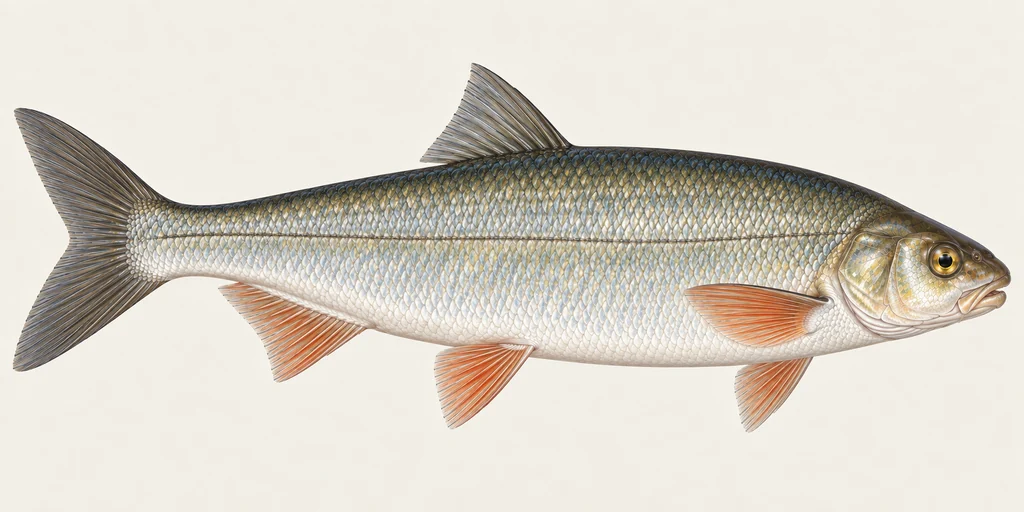
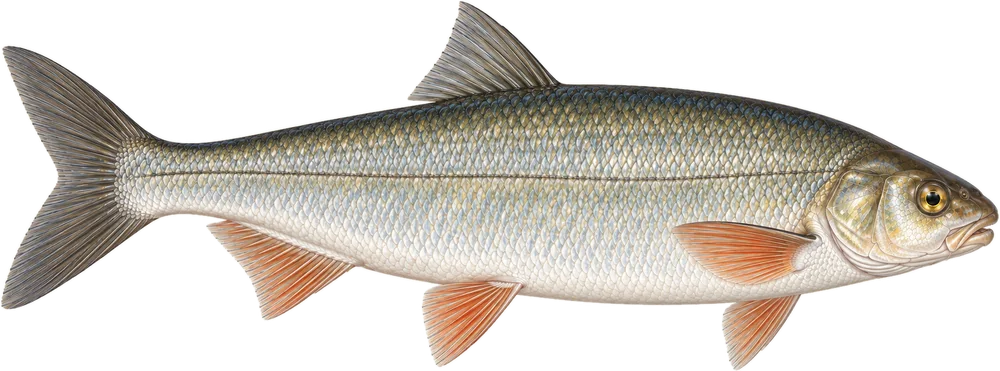
- Blunt, strongly protruding snout above the mouth
- Inferior, transversely set mouth with a horny, sharp-edged lower lip
- Reddish pectoral, pelvic and anal fins, dorsal fin dark
Catch chances through the year
- Hardly any chance
- Possible
- Good
- Peak season
- Spawning (observe the closed season)
Editorial assessment for waters in Germany, not a measured value and no guarantee. Spawning time is not the same as the legal closed season.
Species profile and sources in the catch calendarAll species compared month by monthThe rules of your federal state
How to recognise the nase
The nase has a spindle-shaped body that is barely flattened at the sides. The name comes from the blunt, bulging snout above the strongly inferior mouth. The gape runs transversely and straight, the lower lip is horny and sharp-edged. It has no barbels.
The back is greyish-green, the flanks are silvery, the belly whitish. Apart from the dorsal fin, all fins are reddish. In the body cavity there is a black peritoneum. Along the lateral line you count 55 to 66 scales. At spawning time both sexes carry spawning tubercles, and the females also get a reddish-shimmering belly.
The nase usually measures 25 to 40 centimetres and weighs up to one kilogram. In rare cases it reaches 50 to 60 centimetres and two kilograms. The LFV Bayern gives 25 to 50 centimetres as the average, FishBase 50 centimetres and 1.5 kilograms as maximum values. It lives to 15 to 20 years.
The most similar is the vimba bream, which in the Weser system is itself often called „Nase“. It has a protrusible, trunk-like mouth with soft lips without a horny edge, a dark snout, grey fins and a clearly higher-backed body. Its anal fin is longer: the Saxon fisheries authority (Fischereibehörde) gives 17 to 20 rays, in the nase 10 to 12.
The mouth distinguishes it from the chub: the chub has a terminal mouth, the nase a strongly inferior one with a horny lip.
Side by side
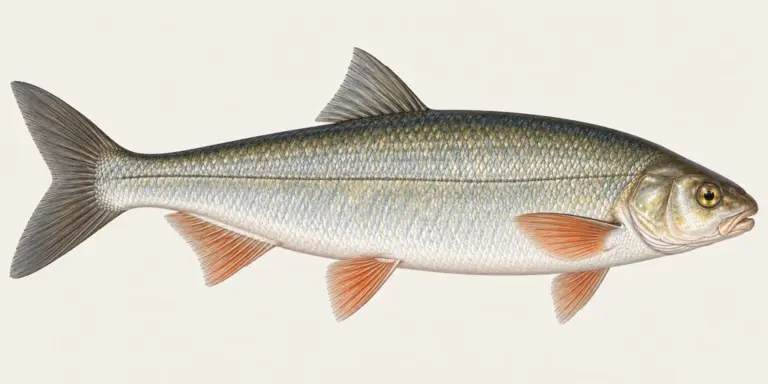
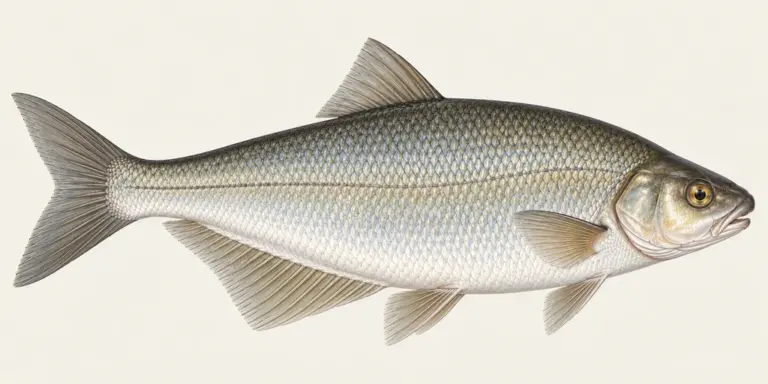
AI-generated illustrations.
Where the nase stands
The nase lives in fast-flowing waters of the barbel and grayling zones, occasionally also in the lower trout zone (Fish zones in a river). It needs strong current and a gravel or stone bottom on which algae grow. Important rivers in Germany are the Rhine and Danube, plus the Elbe and Oder. In lakes it is rare and stays there in currents in front of the inflows.
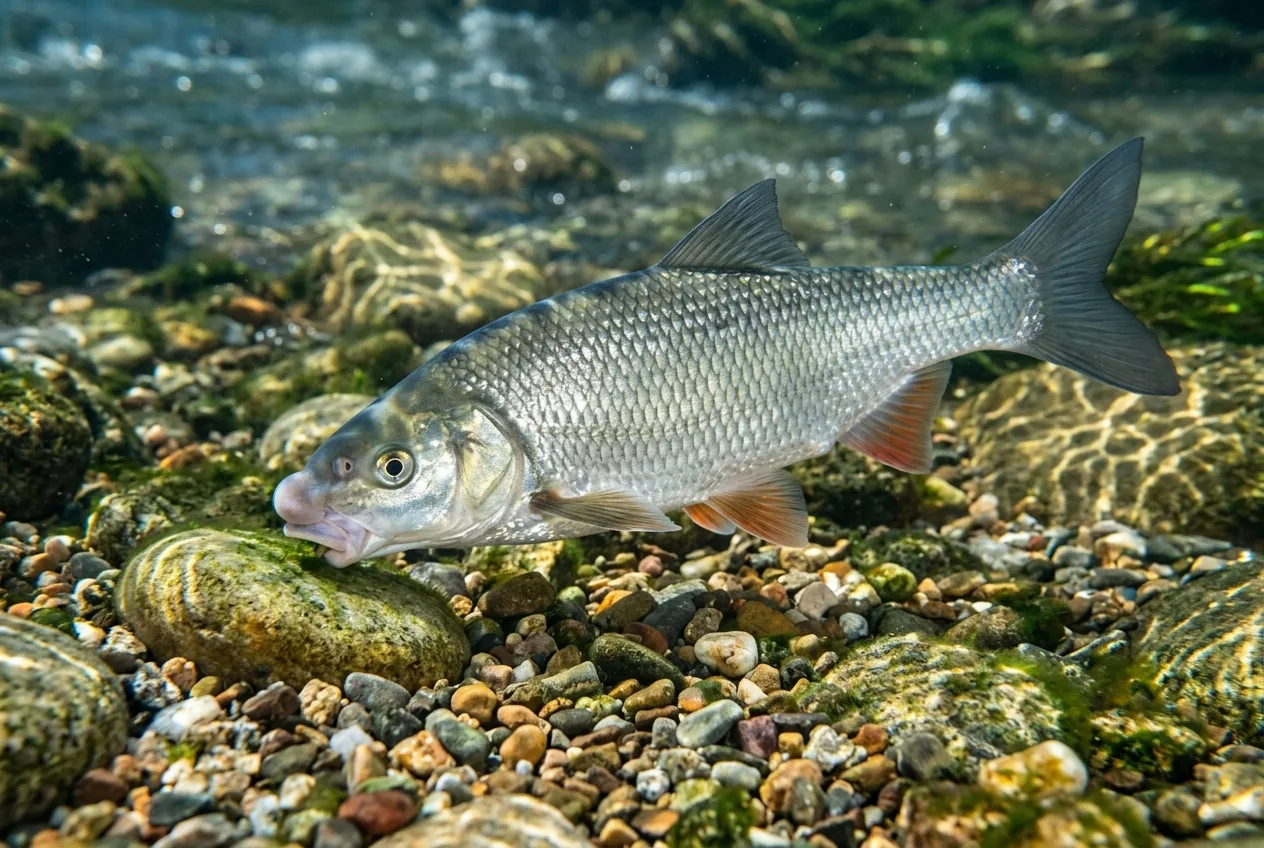
Adult fish stand in shallow water with strong current, often beside the eddies behind bridge piers or stones. In summer anglers like to meet them in oxygen-rich water below weirs and mill races. On the Rhine, specialists also caught nase over a sandy shallow zone with strong current, and on a small river at the lower end of a riffle about a metre deep along a sandbank.
The life stages need different places. Larvae stay in calm shallow water, spawners on gravel with water flowing over it, the winter shoals in deeper spots. Between these places there are often several kilometres. Engineered stretches without a connection are therefore no good for it.
Holding spots in the picture
Choose the season and time of day: the picture shows where the species stands then. Spots outlined in red apply only in the chosen season. Tap a fish or a spot in the list to bring it closer. The picture is schematic and AI-generated, every water is different.
Catch chance in springpossibleSpawning season, observe closed seasons
Catch chance in summergood
Catch chance in autumnpossible
Catch chance in winterhardly any
- J
- F
- M
- A
- M
- J
- J
- A
- S
- O
- N
- D
Spawning season
Active time Common nase are mainly active at dusk.
No peak time Common nase are mainly active at dusk.
Active time Common nase are mainly active at dusk.
No peak time Common nase are mainly active at dusk.
In the river
Slack water behind rocks
Common nase are found here only in spring, summer and autumn.
Gravelly shallow (riffle)
Common nase are found here only in spring.
Pools, deep spot
Common nase are found here only in winter.
Free current in mid-river
Common nase are found here only in spring, summer and autumn.
As a bottom-dwelling shoaling fish the common nase holds in fast-flowing rivers with a gravel, stony or sandy bed. To feed, the shoal uses strongly flowing runs and grazes algae off the stones there. The fish often stand beside the eddies behind stones or bridge piers. On the Rhine anglers have also caught them over a sandy shallow in strong current.
Spring: catch chance according to the catch calendar is slim in March, possible in April and May. Spawning falls in this period, so observe the closed seasons. Between March and May large shoals of common nase migrate upstream to gravel bars with shallow water flowing over them, where they spawn. During this time the species is protected in many places.
Summer: catch chance according to the catch calendar is possible in June, good in July and August. Over the summer common nase usually roam in groups of 20 to 50 fish and often change their grazing ground.
Autumn: catch chance according to the catch calendar good in September, possible in October, hardly any in November.
Winter: catch chance according to the catch calendar is slim. In winter the fish stand packed together in deep, gently flowing pools and runs, often in the lower stretches of rivers.
Depth: On depth the sources differ. FishBase suggests rather shallow water with a strong current, the baseline report from Lake Constance deep runs of more than a metre.
Size comparison: AI-generated drawing, schematic.
What it eats and how it migrates
The nase is a shoaling fish that lives near the bottom, and it remains so in old age. It feeds mainly on algal growth, which it rasps off stones with its horny lip. According to the Hessen expert report, apart from the rudd it is the only obligate herbivore among native fish. Larvae and young fish eat plankton and tiny organisms.
When grazing, the body turns sideways, so the flanks flash, and in clear waters feeding marks remain visible on the bottom. The main activity is at dusk. When a grazing spot is cropped, the shoal moves on. By grazing, the nase keep the gravel interstices flushed, which also benefits barbel, grayling and chub when spawning.
To spawn, the shoals move up once the water is about 8 to 10 degrees. If the temperature falls below 8 to 9 degrees again, spawning is interrupted. In the past the fish travelled up to 100 kilometres, today weirs stop them in many places, because nase hardly jump. Spawning takes place on gravel with shallow water flowing over it at a depth of 20 to 30 centimetres, often in tributaries. The milters come first and fight for places. A female lays 20,000 to 100,000 sticky eggs on the gravel. The spawning season is short: according to the Hessen expert report, all the spawners of a stock spawn within 48 hours.
When it migrates and when it bites
The LFV Bayern gives March to May as the spawning season. The shoals first move into the tributaries. Where you may fish for them, pay particular attention to closed seasons (Schonzeit) at this time and do not walk on gravel bars where the eggs lie.
In summer the nase stand mainly in oxygen-rich water below weirs. In winter they gather in even larger shoals in deep spots, in pools and scour holes.
Today’s catch index needs JavaScript. Season and spawning time are in the catch calendar.
You will find the monthly overview of all species and the water temperature check in the catch calendar.
From the blog: Freshwater fish in Germany: which species you catch where
Where fishing is allowed: how to catch them
Step by step: Nase fishing: tips on bait, rig and tackle – season, swims, bait, tackle and rules on one page.
You may fish for the nase only where and when your state law (Landesrecht) allows it (see below). Where it is allowed, coarse-fishing methods are used: the feeder, ledgering and the drifting float on the long Bolognese rod (feeder fishing, ledgering, float fishing). A Rhine specialist advises against the pole (Kopfrute) in clear, shallow water, because its movements scare off the shy fish. Austrian sources also name the fly rod.
The nase is a cautious fish, and clear water calls for fine baits. As tackle, the specialist press names a feeder rod of about 50 grams casting weight, line between 0.16 and 0.20 millimetres, a finer hooklength and small single hooks in sizes 16 to 20 (feeder rod, feeder rig). Sweetcorn, paste balls, soaked hemp or wheat and worms and maggots work well as bait (Sweetcorn and particles, Maggots and larvae). Some specialists cover the hook with green algae.
The Deutscher Angelfischerverband describes a tactic on the Rhine. The 70-gram feeder is filled on the sandwich principle: a little feed, then maggots and hemp, feed again on top. Added to this is a short loop of 12 centimetres so that the fish hook themselves on the feeder weight. It started with an 80-centimetre hooklength in 0.18 millimetres and size 14 hooks, later with size 16. Because nase and ide stand at the outer edge of the baited area, the hooklength was lengthened to 1.60 metres. Nase bite very sharply, you see quick tugs on the tip.
Large nase fight well. They bore down on the bottom and shake their heads, and some anglers take them for a strong barbel when playing them. Take a large landing net and land them gently (Landing and unhooking a fish).
Read the grazing marks: where nase feed, stones are scraped bare, and when grazing the flanks flash. Watch from the bank first before you feed the spot.
Keep off the spawning grounds: In spring the fish gather on shallow, flowing gravel bars and spawn there. Do not wade into these spots and do not disturb the shoals.
Fish quietly and finely: Common nase are wary. Keep calm at your swim, use thin hooklengths and small hooks, and place the bait at the edge of the feeding area.
Suitable lures
Maggots, worms, sweetcorn, hemp and paste balls, on a feeder or with a feeder rod.
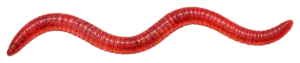
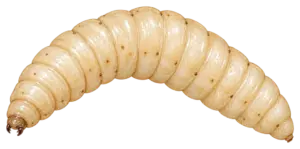
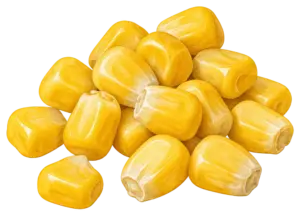
AI-generated illustrations. A click opens the lure’s page.
Rigs for these baits: running leger rig, float rig.
Near Threatened (Vorwarnliste); protected all year or almost everywhere in seven federal states, elsewhere a closed season (Schonzeit) in spring (as of October 2026). Check state law and your fishing permit (Erlaubnisschein).
Protection and conservation: what you need to know
Closed seasons (Schonzeit), minimum sizes (Mindestmaß) and harvest windows are set by the federal states (Bundesland), and on many waters additionally by the club or leaseholder. They differ depending on the water and the time of year. We give figures only with a date and a source; always binding are the fisheries regulation of your federal state and your fishing permit (Erlaubnisschein). You will find a list of links to the official sources in the catch calendar.
A fish of legal size that you want to keep is stunned and killed straight away in line with animal welfare rules (Stunning and killing a fish). Protected fish, undersized fish and fish that are too big under a slot limit are unhooked with wet hands, ideally in the water, and returned gently (Returning a fish).
The common nase is listed as Near Threatened on Germany’s 2023 Red List. The long-term population trend is a steep decline, while in the short term it rose clearly. Germany bears a particular responsibility for the species (Rote-Liste-Zentrum). The lists of the federal states are stricter: in several states it is regarded as endangered, in Saxony-Anhalt as critically endangered. The IUCN has listed it as Near Threatened since 2023. In 2020 the Deutscher Angelfischerverband chose it, together with the Bundesamt für Naturschutz, as Fish of the Year.
How far you may fish for it depends on the state. The common nase is protected all year in Berlin, Brandenburg, Mecklenburg-Western Pomerania, Saxony-Anhalt and Thuringia, in Lower Saxony outside stocked waters and in Saxony outside the Elbe. The other states protect it in spring, Bavaria and North Rhine-Westphalia for example from 1 March to 30 April, and set minimum sizes (Mindestmaße) between 25 and 40 cm (as of October 2026). In Switzerland and Liechtenstein catching it has been banned since 2007. If you catch a protected common nase, unhook it in the water and return it gently (Returning a fish, Disgorger).
What closed season, minimum size and harvest slot mean and where to find them is explained on the page Closed season and minimum size explained.
What state law prescribes for closed season and minimum size for this species is in the “At a glance” box on the pages for Baden-Württemberg, Bavaria, Berlin, Brandenburg, Hesse, Mecklenburg-Western Pomerania, Lower Saxony, North Rhine-Westphalia, Rhineland-Palatinate, Saarland, Saxony, Saxony-Anhalt and Thuringia. Our overview does not list this species for the other states; there the state fisheries regulation (Landesfischereiverordnung) applies.
Frequently asked questions (FAQ)
How do I tell a common nase from a vimba?
The common nase has a transverse mouth with a hardened, sharp-edged lower lip and reddish fins. The vimba has a snout-like mouth with soft lips, grey fins and a higher back.
May I fish for common nase?
It depends on the federal state (Bundesland). Berlin, Brandenburg, Mecklenburg-Western Pomerania, Saxony-Anhalt and Thuringia protect the common nase all year, Lower Saxony allows catching it only in stocked waters and Saxony only in the Elbe. Baden-Württemberg, Bavaria, Hesse, North Rhine-Westphalia, Rhineland-Palatinate and Saarland have a closed season in spring and a minimum size. As of October 2026. In Switzerland catching it is banned. What counts is the fisheries regulation and your fishing permit (Erlaubnisschein).
Why has the common nase become rare?
Weirs and hydropower plants block its spawning migration. Straightened rivers, hard banks and fine sediment have also destroyed the gravel beds where it spawns.
Sources
The rating of catch chances is an editorial assessment. The facts come from these sources, and the text is worded in our own words. The illustration is an original design by Angel Momente in the style of a natural history plate (AI-generated, see the AI notice).
- Landesfischereiverband Bayern: Fischlexikon (Laichzeit, Lebensraum, Nahrung, Aktivität)
- FishBase: Chondrostoma nasus (Höchstalter, Schuppenzahl, Lebensweise)
- Land Hessen (HLNUG): Fischökologische Untersuchung der Diemel, Artgutachten Band II, Kapitel Nase
- NÖ Landesfischereiverband: Fischarten in Niederösterreich, Nase (Kennzeichen, Wanderung, Fangmethoden)
- Land Baden-Württemberg (KEA-BW, Wasser und Boden): Steckbrief Nase, Naturschonende Gewässerunterhaltung
- Deutscher Angelfischerverband: Fisch des Jahres 2020, die Nase (Broschüre mit Biologie, Gefährdung, Schutz und Angeltaktik)
- Rote-Liste-Zentrum: Nase (Rote Liste der Süßwasserfische Deutschlands 2023: Vorwarnliste)
- Blinker: Steckbrief Nase (Standplätze, Gerät, Köder)
- Fischereibehörde Sachsen: Artenkunde, verwechselbare Fischarten (Zährte und Nase)
- Bayerische Landesanstalt für Landwirtschaft: Prüfungsfragen zur Staatlichen Fischerprüfung 2023/2024 (Maulstellung, Barteln)
- Blinker: Einfach auf Barben angeln am kleinen Fluss (Nasen mit treibender Pose an der Bologneserute, 2024)
- Bayern.Recht: Verordnung zur Ausführung des Bayerischen Fischereigesetzes (AVBayFiG), Anlage Schonzeiten und Schonmaße
- Land Brandenburg: Fischereiordnung des Landes Brandenburg (BbgFischO), Anlage zu § 2
- Freistaat Sachsen: Sächsische Fischereiverordnung, Anlage Schonzeiten und Mindestmaße
- LALLF Mecklenburg-Vorpommern: Binnenfischereiverordnung (BiFVO M-V), §§ 3 bis 5
- Land Berlin: Landesfischereiordnung, Anlage 1
- Freistaat Thüringen: Thüringer Fischereiausführungsverordnung, § 1
- Wikipedia: Nase (Fisch) (Größe, Laichzeit, Nahrung, Fang, Schutz)
- IBKF: Die Nase (Chondrostoma nasus) im Einzugsgebiet des Bodensees, Grundlagenbericht (2019): Teilhabitate, Wintereinstände, Aktivität
Created with AI support from the sources listed. Figures only appear in the text if a source gives them. Last updated: 7 November 2026. Found a mistake? Write to us. Who is behind this site: About me.
More in the lexicon
- All fish species at a glance
- Catch calendar – month, water temperature and profile for 93 species
- Line calculator – breaking strain after the knot, drag guideline, backing
- Angling methods